
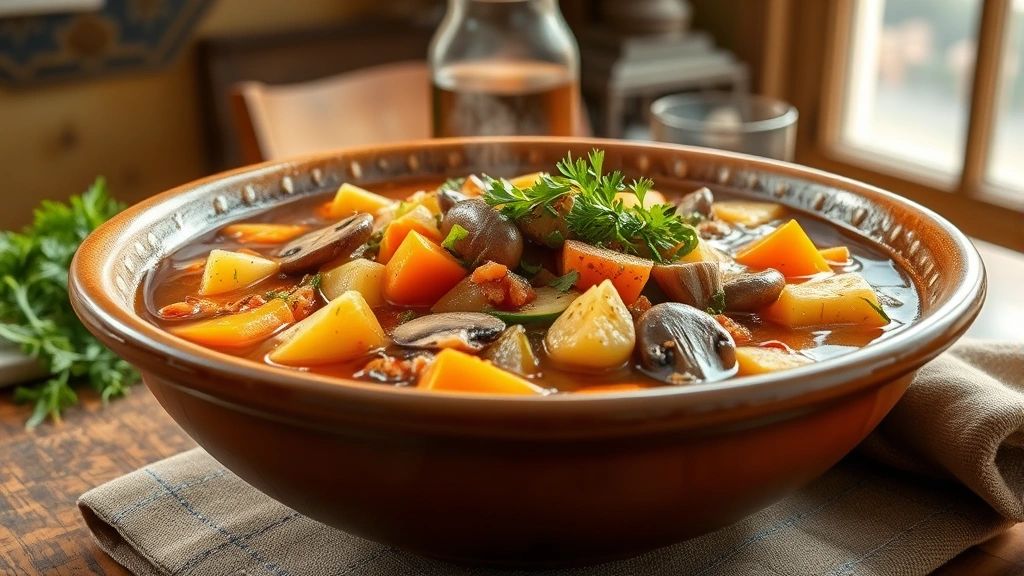
There’s something absolutely magical about a steaming bowl of homemade vegetable stew on a chilly day. This beloved comfort classic has graced tables for generations, and for good reason—it’s nourishing, satisfying, and endlessly versatile. Whether you’re looking for a weeknight dinner or meal prep inspiration, this vegetable stew recipe delivers on flavor and simplicity in equal measure.
What makes this stew truly special is the perfect balance of tender vegetables, aromatic herbs, and a rich, savory broth that brings everything together beautifully. The beauty of vegetable stew lies in its flexibility; you can use whatever produce you have on hand, making it perfect for using up those vegetables lingering in your crisper drawer. From hearty root vegetables to fresh greens, this recipe adapts to your pantry and your preferences.
I’ve been making vegetable stew for years, and I’ve learned that the secret to the best results is taking your time with the initial sauté and allowing the vegetables to cook low and slow. This isn’t a rushed dish—it rewards patience and gentle heat with incredible depth of flavor. The vegetables become tender and meld together beautifully, creating a stew that tastes like it’s been simmering all day, even though it comes together in under an hour.
Perfect alongside our Best Focaccia Pizza Recipe for a complete meal, or paired with the Perfect Easy Baguette Recipe for bread that’s ideal for soaking up every last drop of broth. This stew also makes an excellent foundation for meal prep, as it actually tastes better the next day when the flavors have had time to develop and meld.
What I love most about making vegetable stew at home is how it brings people together. There’s something inherently welcoming about offering someone a warm, nourishing bowl of stew. It’s the kind of food that says “I care about you” without requiring fancy techniques or hard-to-find ingredients. This recipe proves that the best meals don’t need to be complicated—they just need to be made with love and attention to detail.
For a lighter meal option, consider serving this alongside our Quick Greek Salad Recipe for a fresh contrast. If you’re interested in Mediterranean flavors, you might also enjoy our Tasty Greek Salad Recipe. The versatility of vegetable stew means you can incorporate different elements depending on your mood and what’s available. I particularly love this recipe because it’s naturally vegetarian, budget-friendly, and makes enough for leftovers—which honestly, taste even better the next day.
Let me walk you through my tried-and-true method for making the best vegetable stew. This isn’t just any recipe; it’s the result of countless experiments, adjustments, and feedback from family dinners and friends who’ve requested the recipe multiple times. Every step has been carefully considered to ensure maximum flavor and texture in your final dish.
Ingredients
- 3 tablespoons olive oil
- 1 large yellow onion, diced
- 4 cloves garlic, minced
- 3 medium carrots, peeled and cut into ½-inch pieces
- 3 medium celery stalks, diced
- 2 medium potatoes, peeled and cut into ½-inch cubes
- 1 pound zucchini, diced into ½-inch pieces
- 8 ounces mushrooms, sliced
- 1 can (14.5 oz) diced tomatoes with their juices
- 6 cups vegetable broth
- 1 can (15 oz) kidney beans, drained and rinsed
- 2 bay leaves
- 2 teaspoons dried Italian herbs
- 1 teaspoon dried thyme
- ½ teaspoon red pepper flakes
- Salt and black pepper to taste
- 2 tablespoons fresh parsley, chopped
- 1 tablespoon fresh basil, chopped (or 1 teaspoon dried)
Instructions
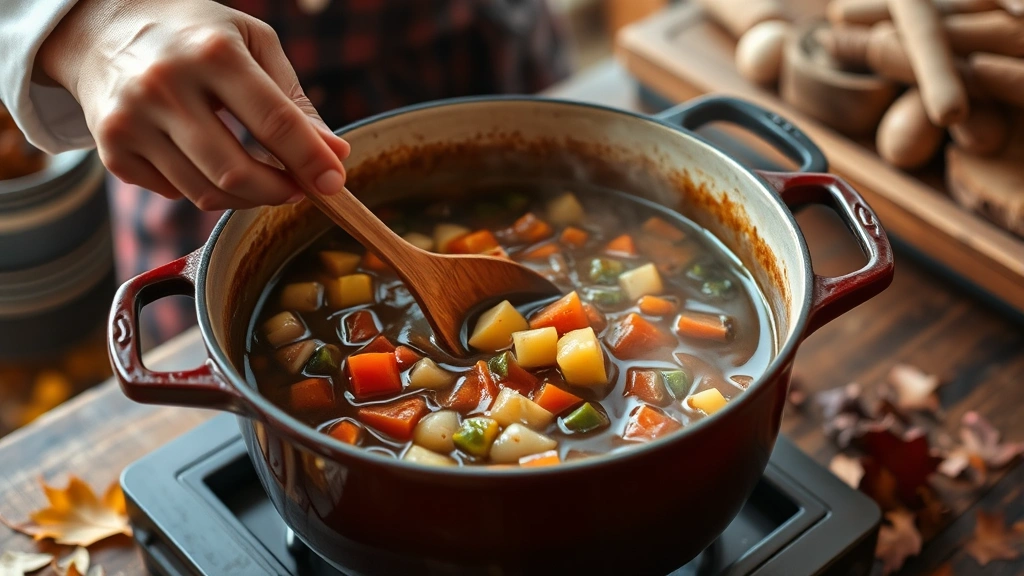
- Heat the olive oil in a large Dutch oven or heavy-bottomed pot over medium heat. Allow it to warm for about 1 minute until shimmering.
- Add the diced onion and a pinch of salt to the pot. Sauté for 5-7 minutes, stirring occasionally, until the onion becomes translucent and begins to soften.
- Add the minced garlic to the pot and cook for 1 minute, stirring constantly, until fragrant. Be careful not to let the garlic burn.
- Add the diced carrots and celery to the pot. Sauté for 5 minutes, stirring occasionally, to allow the vegetables to begin softening and releasing their flavors.
- Add the potato cubes to the pot and stir well. Cook for another 3-4 minutes, allowing the potatoes to start absorbing the flavors from the other vegetables.
- Add the zucchini and mushrooms to the pot. Stir well and cook for 2-3 minutes until the mushrooms begin to release their moisture.
- Pour in the canned diced tomatoes with their juices, stirring to combine with the vegetables.
- Add the vegetable broth to the pot, pouring it slowly and stirring to ensure all vegetables are well incorporated.
- Add the bay leaves, dried Italian herbs, dried thyme, and red pepper flakes. Stir everything together until well combined.
- Bring the stew to a gentle boil over medium-high heat, then immediately reduce the heat to medium-low.
- Simmer the stew uncovered for 25-30 minutes, stirring occasionally, until all the vegetables are tender when pierced with a fork.
- Add the drained kidney beans to the pot and stir well. Continue simmering for 5 more minutes to allow the beans to heat through and absorb the flavors.
- Taste the stew and adjust seasonings with additional salt and black pepper as needed. Remove the bay leaves.
- Stir in the fresh chopped parsley and fresh basil (if using) just before serving.
- Ladle the stew into bowls and serve hot, optionally garnished with additional fresh herbs or a drizzle of olive oil.
Pro Tips
Broth Variations: Use chicken or beef broth instead of vegetable broth for a different flavor profile. You can also use store-bought broth, homemade broth, or a combination of both for enhanced flavor.
Make-Ahead Instructions: This stew actually improves in flavor when made a day or two ahead. Store in an airtight container in the refrigerator for up to 4 days, or freeze for up to 3 months. Reheat gently on the stovetop over medium-low heat.
Serving Suggestions: Serve with crusty bread for dunking, over rice or pasta, or alongside a fresh salad. A dollop of sour cream or Greek yogurt adds richness if desired.
Herb Customization: Fresh herbs make a significant difference. If you only have dried herbs available, use about one-third the amount called for fresh. Conversely, if using fresh herbs instead of dried, use about three times the amount.
Thickening Options: If your stew seems too thin, mash some of the cooked potatoes against the side of the pot to release their starch, or create a slurry with 1 tablespoon cornstarch and 2 tablespoons cold water, then stir into the simmering stew.
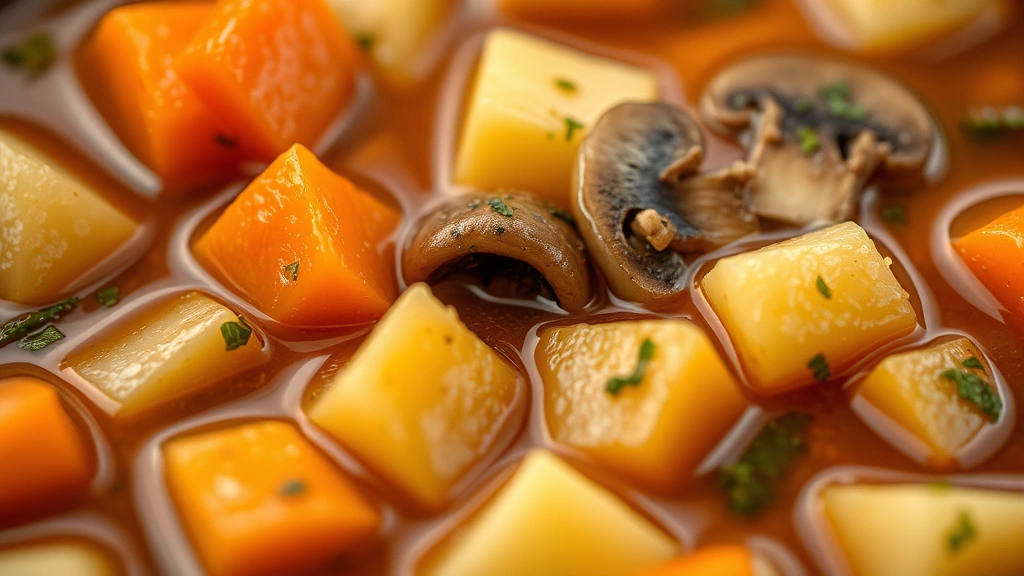
Vegetable Prep: Cut vegetables into uniform sizes to ensure even cooking. Aim for ½-inch to ¾-inch pieces for most vegetables.
Taste Development: Don’t skip the sautéing step at the beginning. This develops deep, complex flavors through caramelization and allows the aromatics to bloom in the oil.
Seasoning Tips: Taste your stew periodically during cooking. Season gradually rather than all at once, as the flavors concentrate as the stew simmers.
Spice Level: Adjust the red pepper flakes to your preference. Start with ¼ teaspoon if you prefer milder heat.