
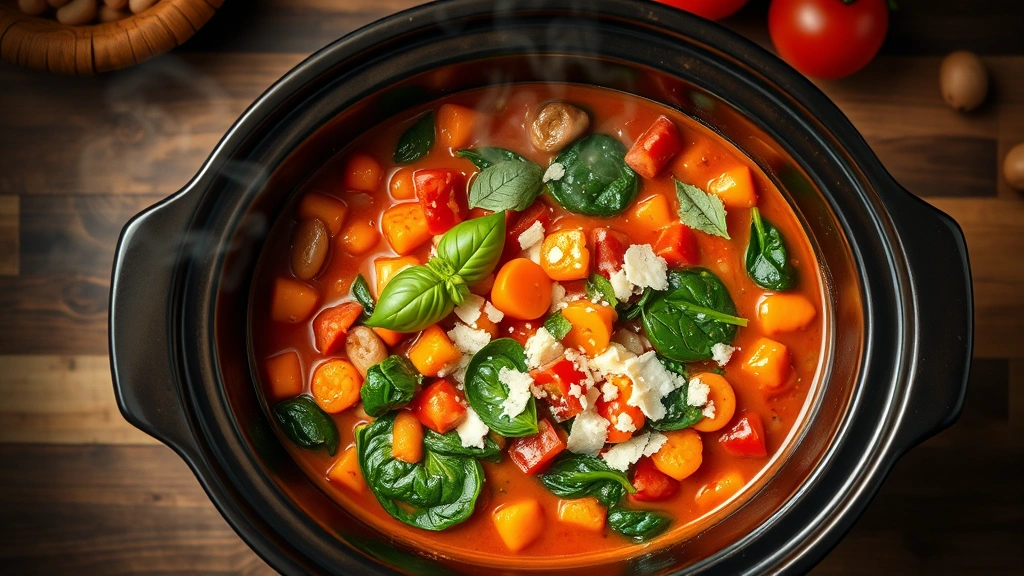
There’s nothing quite like coming home to the aroma of a delicious vegetarian crock pot meal simmering away all day long. This collection of the best vegetarian slow cooker recipes proves that plant-based cooking can be just as hearty, satisfying, and absolutely crave-worthy as any meat-based dish. Whether you’re a committed vegetarian, flexitarian, or simply looking to incorporate more meatless meals into your weekly rotation, these recipes are game-changers.
Slow cooking is honestly one of my favorite cooking methods because it transforms simple, humble ingredients into something truly magical. The low, steady heat allows flavors to meld together beautifully, vegetables become incredibly tender, and your home fills with the most inviting aromas. Plus, there’s something so comforting about knowing dinner is ready when you walk through the door.
I’ve been making vegetarian crock pot recipes for years now, and I’m excited to share my favorites with you. From cozy soups and stews to hearty bean chilis and creamy pasta dishes, there’s truly something for everyone. Many of these recipes are naturally vegan or easily adaptable, and they’re all packed with protein, fiber, and incredible flavor.
What I love most about these slow cooker vegetarian recipes is their versatility. You can meal prep on Sunday and enjoy dinners throughout the week, or double a batch and freeze for later. They’re perfect for busy weeknights, feeding a crowd, or meal prepping like a pro. Plus, most require minimal prep work – just chop your vegetables, throw everything in the crock pot, and let the magic happen.
Before we dive into specific recipes, let me share some of my best slow cooker tips and tricks. First, always layer your ingredients strategically – potatoes and root vegetables on the bottom, delicate items on top. Second, don’t skip the sautéing step for aromatics like onions and garlic; it builds incredible flavor. Third, if your dish seems watery at the end, you can thicken it with cornstarch slurry or let it simmer uncovered on high for 15-20 minutes.
For more inspiration on slow cooker cooking techniques, check out Serious Eats’ slow cooker guide or Bon Appétit’s slow cooker tips. These resources offer excellent insights into timing, temperature, and technique.
I’m also thrilled to share that vegetarian slow cooker cooking is incredibly budget-friendly. Beans, lentils, and seasonal vegetables are affordable staples that shine when slow-cooked. You’ll find yourself creating restaurant-quality meals for a fraction of the cost, making these recipes perfect for families watching their grocery budget.
The beauty of slow cooker vegetarian cooking is that it’s forgiving and flexible. Don’t have chickpeas? Use white beans or black beans instead. No spinach? Swap in kale or Swiss chard. These recipes are templates meant to inspire your creativity while delivering consistently delicious results. I encourage you to experiment, taste as you go, and adjust seasonings to your preference.
Whether you’re cooking for yourself, your family, or meal prepping for the week, these vegetarian crock pot recipes will become staples in your kitchen. They’re nourishing, delicious, and require minimal effort for maximum flavor. Let’s get cooking!
For additional vegetarian slow cooker inspiration, explore New York Times Cooking’s vegetarian section and our collection of vegetarian recipes.
Ingredients
- 2 tablespoons olive oil
- 1 large yellow onion, diced
- 4 cloves garlic, minced
- 2 medium carrots, sliced into rounds
- 3 medium potatoes, cut into 1-inch cubes
- 1 red bell pepper, chopped
- 2 cans (15 oz each) diced tomatoes with their juices
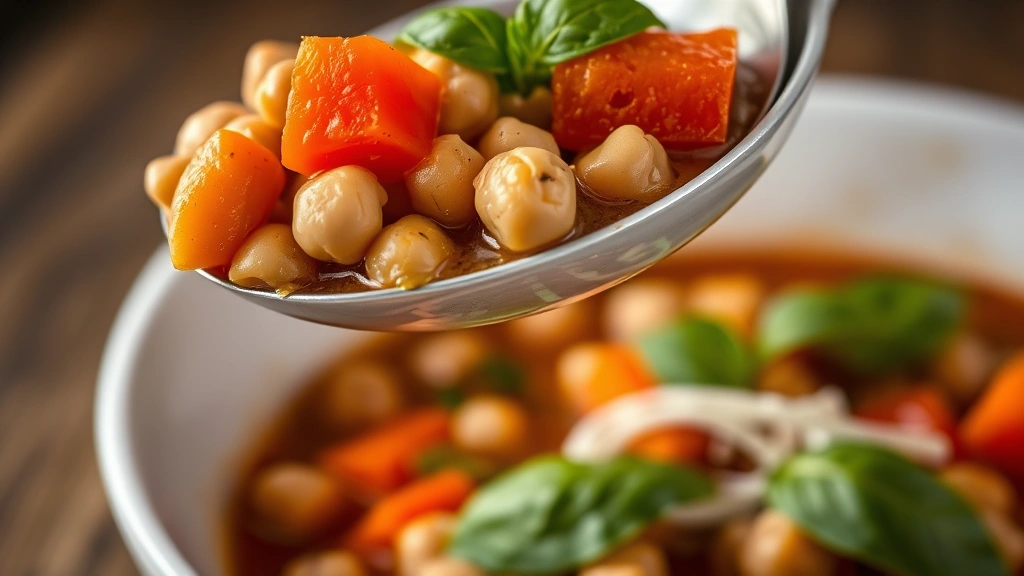
- 1 can (15 oz) chickpeas, drained and rinsed
- 1 can (15 oz) white beans, drained and rinsed
- 4 cups vegetable broth
- 2 cups chopped fresh spinach
- 1 tablespoon tomato paste
- 2 teaspoons dried Italian seasoning
- 1 teaspoon smoked paprika
- 1 teaspoon cumin
- ½ teaspoon red pepper flakes
- Salt and black pepper to taste
- 1 bay leaf
- Juice of ½ lemon
- Fresh basil for garnish
- Parmesan cheese for serving (optional)
Instructions
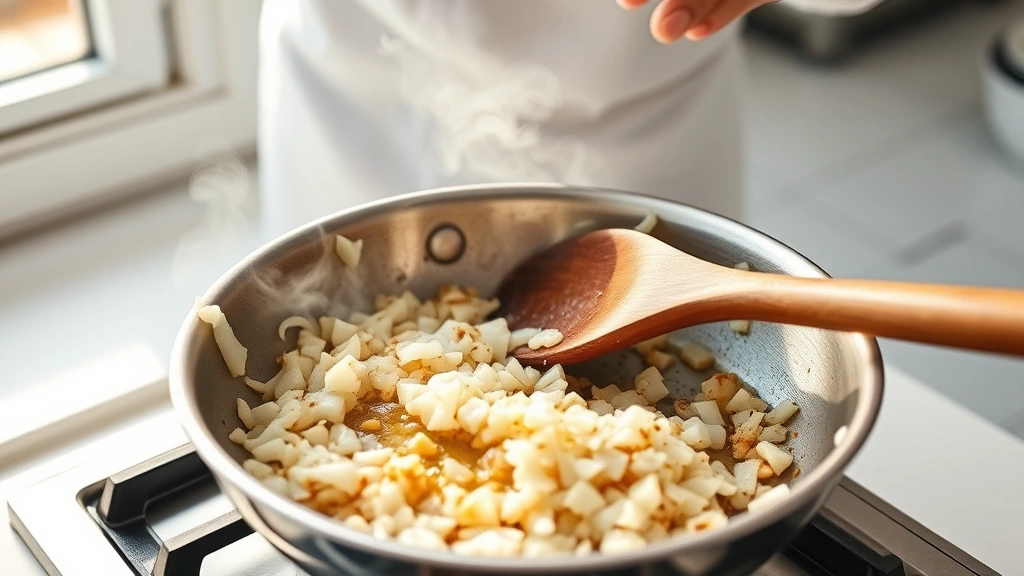
- Heat olive oil in a large skillet over medium-high heat. Add diced onion and sauté for 3-4 minutes until softened and fragrant.
- Add minced garlic and tomato paste to the skillet, stirring constantly for about 1 minute until the mixture is fragrant and the tomato paste deepens in color.
- Transfer the onion and garlic mixture to your crock pot, scraping all flavorful bits from the bottom of the skillet.
- Add the sliced carrots and cubed potatoes to the crock pot, arranging them in a single layer on the bottom to ensure even cooking.
- Add the chopped bell pepper, canned diced tomatoes with their juices, drained chickpeas, drained white beans, and vegetable broth to the crock pot.
- Stir in the tomato paste, dried Italian seasoning, smoked paprika, cumin, red pepper flakes, and bay leaf, mixing until well combined.
- Season with salt and black pepper to taste. Remember that you can always add more seasoning later, so start conservatively.
- Cover the crock pot and cook on low for 6-8 hours, or on high for 3-4 hours, until the vegetables are tender and the flavors have melded together beautifully.
- About 5 minutes before serving, stir in the fresh spinach and lemon juice, allowing the spinach to wilt into the warm stew.
- Remove the bay leaf and taste the stew, adjusting seasonings as needed with additional salt, pepper, or fresh lemon juice.
- Ladle into bowls and garnish with fresh basil, a drizzle of olive oil, and Parmesan cheese if desired. Serve with crusty bread for scooping up every delicious drop.
Pro Tips
- **Make-Ahead Magic**: This vegetarian crock pot recipe is absolutely perfect for meal prep. Prepare all your vegetables the night before, store them in containers in the refrigerator, and simply transfer everything to your crock pot in the morning. You can even prep the broth mixture and store it separately for ultimate convenience.
- **Bean Substitutions**: Feel free to swap the chickpeas and white beans for any combination of beans you prefer – black beans, kidney beans, cannellini beans, or pinto beans all work beautifully. This flexibility makes the recipe adaptable to what you have on hand.
- **Vegetable Variations**: Don’t limit yourself to the vegetables listed. Zucchini, mushrooms, celery, green beans, or cherry tomatoes all adapt well to slow cooking. Just keep in mind that delicate vegetables like spinach should be added near the end of cooking to preserve their bright color and texture.
- **Thickness Adjustment**: If your finished stew is too watery, you have several options. You can simmer it uncovered on high for 15-20 minutes to reduce the liquid naturally. Alternatively, mix 1-2 tablespoons of cornstarch with 2 tablespoons of cold water to create a slurry, stir it in, and let it cook for a few minutes until thickened.
- **Protein Boost**: Add extra protein by stirring in cooked lentils, diced tofu, or tempeh during the last 30 minutes of cooking. This is a fantastic way to make the meal more substantial and filling, especially for those avoiding beans.
- **Freezer-Friendly**: This recipe freezes beautifully for up to three months. Cool completely, portion into freezer-safe containers, label with the date, and store flat for easy stacking. Thaw overnight in the refrigerator and reheat gently on the stovetop or in the microwave.
- **Slow Cooker Size**: This recipe is designed for a 6-quart crock pot. If you have a smaller 4-quart model, reduce all ingredients by about 25% to prevent overflow. Conversely, if you have a larger 8-quart cooker, you can scale up all ingredients proportionally.
- **Flavor Development**: The depth of flavor in this stew comes from layering – sautéing aromatics, using tomato paste, including dried herbs, and finishing with fresh lemon juice and basil. Don’t skip any of these steps, as each contributes to the final taste profile.
- **Serving Suggestions**: Serve this vegetarian slow cooker stew over rice, with crusty bread for dipping, alongside a simple green salad, or with roasted vegetables. You can also use it as a filling for hearty sandwiches or grain bowls.
- **Storage**: Store leftovers in an airtight container in the refrigerator for up to 4 days. The flavors actually improve as it sits, making this an excellent make-ahead meal for busy weeks.