
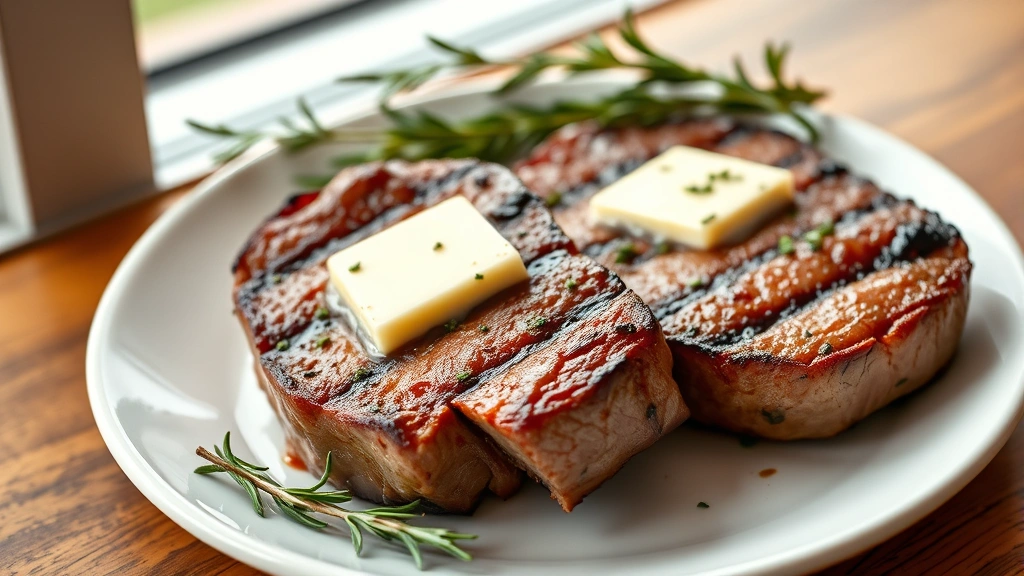
Venison steak is one of the most elegant and flavorful proteins you can serve at your table, and when prepared properly, it rivals even the finest beef cuts. There’s something truly special about cooking with venison – it’s lean, rich, and absolutely delicious when you know the right techniques. This venison steak recipe is my go-to method for creating restaurant-quality results at home, and I’m thrilled to share it with you today.
I grew up learning that venison requires careful handling to avoid that gamey flavor that so many people fear. The secret is in proper preparation, the right seasoning balance, and understanding how to cook this beautiful meat without overdoing it. When you master this technique, you’ll discover that venison steak is incredibly tender and packed with natural flavor that deserves minimal interference. I always recommend sourcing your venison from a reputable hunter or specialty butcher who can provide well-handled meat – this makes all the difference in the final result.
What makes this recipe truly exceptional is the combination of a simple herb butter, high-heat searing, and perfectly timed cooking. Unlike beef, venison benefits from being cooked to medium rather than rare, which allows the flavors to fully develop while maintaining incredible tenderness. The resting period is absolutely crucial – this allows the juices to redistribute throughout the meat, ensuring every bite is succulent and flavorful. I’ve tested this method countless times, and it consistently produces steaks that make my guests ask for the recipe.
The beauty of this approach is its versatility. You can serve these steaks with classic sides like homemade egg noodles for an elegant dinner, or pair them with lighter vegetables like napa cabbage stir fry for something more contemporary. The steaks also work beautifully with rich sauces – I often make a red wine reduction or a mint chutney for a more adventurous presentation.
One thing I’ve learned from years of cooking venison is that temperature control is everything. Because this meat is so lean, it can become tough if overcooked, so using a reliable meat thermometer is non-negotiable in this recipe. I always remove my steaks from heat when they reach 130-135°F internally, knowing they’ll continue cooking during the resting period and reach a perfect medium. This method has never failed me, and I’m confident it will become your go-to technique as well.
For the best results, I recommend letting your venison steaks come to room temperature before cooking – this ensures even cooking throughout. Pat them dry with paper towels before seasoning; moisture is the enemy of a good crust. The compound butter I’ve included is optional but highly recommended – it melts over the hot steak and creates an absolutely luxurious finishing touch. If you’re new to cooking venison, this recipe is the perfect starting point. You’ll gain confidence in handling this beautiful protein and discover why so many chefs consider it a delicacy worth celebrating.
If you love this venison steak recipe, you might also enjoy exploring other elegant proteins and international preparations. Try pairing your steaks with inspired sides like Ethiopian doro wat for a unique flavor combination, or serve them with the warmth of African peanut stew for a completely different experience. The versatility of properly cooked venison steak is truly remarkable. For more detailed guidance on high-heat cooking techniques, check out Serious Eats’ guide to pan-searing steak, and for information on sourcing quality venison, Bon Appétit’s venison resources are invaluable. I also recommend checking out the New York Times guide to cooking steaks for additional temperature and timing insights that apply beautifully to venison preparation.
Ingredients
- 4 venison steaks (8-10 oz each, about 1.5 inches thick)
- Sea salt and freshly ground black pepper
- 3 tablespoons unsalted butter, divided
- 4 cloves garlic, smashed
- 3 sprigs fresh rosemary
- 3 sprigs fresh thyme
- 2 tablespoons high-smoke-point oil (such as avocado or grapeseed)
- 2 tablespoons compound butter (optional: softened butter mixed with fresh herbs and garlic)
Instructions
- Remove venison steaks from the refrigerator 15 minutes before cooking to bring them to room temperature. This ensures even cooking throughout the meat.
- Pat the steaks completely dry with paper towels, removing all surface moisture. This is essential for achieving a beautiful golden crust.
- Season both sides of each steak generously with sea salt and freshly ground black pepper. Let the seasoning sit for 5 minutes to allow it to adhere properly.
- Heat your cast-iron skillet or heavy-bottomed stainless steel pan over medium-high heat for 3-4 minutes until it’s smoking hot.
- Add the high-smoke-point oil to the pan and swirl to coat evenly. The oil should shimmer and move quickly across the surface.
- Carefully place the venison steaks in the hot pan, laying them away from you to avoid splattering. Resist the urge to move them for the first 3-4 minutes.
- After the initial sear, flip the steaks once using tongs. Avoid pressing down on the meat, as this releases precious juices.
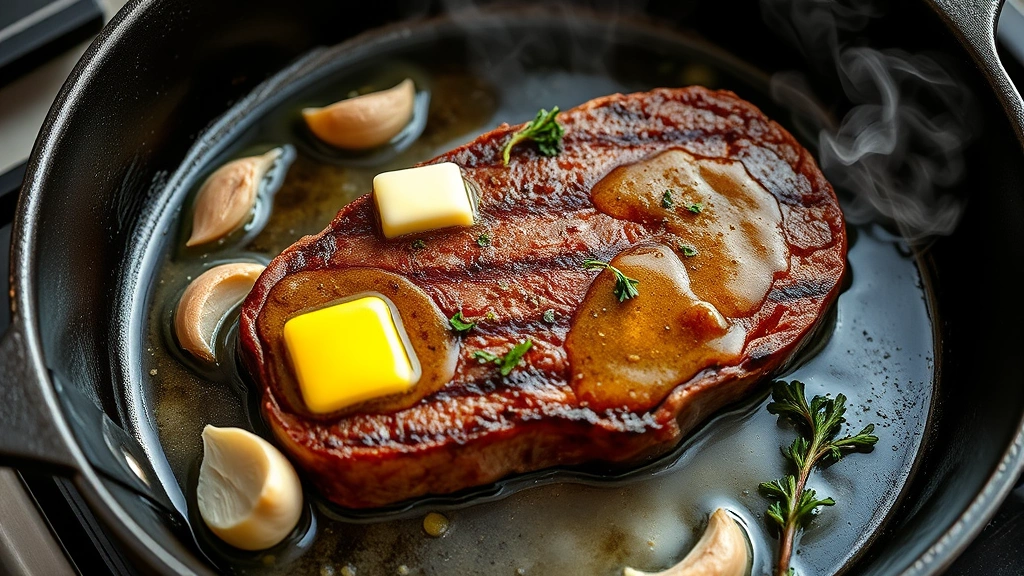
- Add 1.5 tablespoons of butter, the smashed garlic cloves, rosemary sprigs, and thyme sprigs to the pan around the steaks.
- Continue cooking for another 3-4 minutes, basting the steaks with the melted butter and aromatics using a spoon. This creates incredible flavor and ensures even cooking.
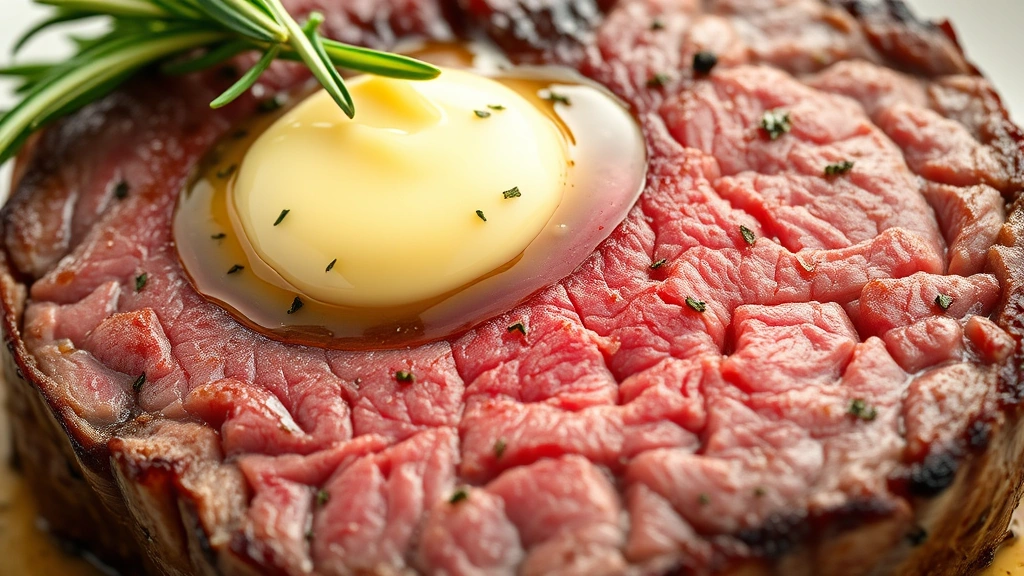
- Check the internal temperature with a meat thermometer inserted into the thickest part of the largest steak. Remove from heat when it reaches 130-135°F for medium doneness.
- Transfer the steaks to a warm plate and top each with a small dollop of compound butter if using, allowing it to melt over the hot meat.
- Tent the steaks loosely with aluminum foil and let them rest for 5-7 minutes. This resting period is crucial for redistributing the juices and ensuring tender, juicy venison.
- Spoon any pan juices over the steaks before serving. Enjoy immediately while the steaks are still warm and the butter is melting beautifully.
Pro Tips
- Venison is significantly leaner than beef, making it prone to drying out if overcooked. Using a meat thermometer removes all guesswork and ensures perfectly cooked steaks every single time. I never cook venison beyond medium, as the meat becomes tough and loses its delicate texture.
- Sourcing matters tremendously with venison. Purchase from a reputable butcher or hunter who properly hangs and processes the meat. Poorly handled venison develops that strong gamey flavor that discourages many home cooks. Quality venison is mild, sweet, and absolutely delicious.
- The compound butter is optional but highly recommended for adding richness and flavor. Make it ahead of time by mixing softened butter with finely minced fresh herbs, minced garlic, salt, and pepper. Form into a log, wrap in plastic wrap, and refrigerate until needed.
- Basting the steaks with the butter and aromatics during cooking is what creates that restaurant-quality finish. The combination of heat, fat, and herbs infuses the meat with incredible flavor while keeping it moist and tender.
- Never skip the resting period. Even though 5-7 minutes might seem brief, it’s absolutely essential for allowing the muscle fibers to relax and reabsorb the juices. Cutting into the steak immediately releases all those flavorful juices onto the plate instead of keeping them in the meat.
- These steaks pair beautifully with bold side dishes that can stand up to the rich, complex flavor of venison. Red wine reductions, mushroom sauces, or garlic mashed potatoes are classic choices that won’t overshadow the delicate meat.
- For best results, use a cast-iron skillet if you have one. The even heat distribution and heat retention make achieving a perfect crust much easier. Stainless steel pans work well too, but avoid non-stick cookware for searing, as it cannot handle the high temperatures needed.
- Venison steaks are typically smaller than beef steaks, so 8-10 ounces per person is the perfect portion size. They’re so flavorful and satisfying that you won’t need more than this.
- If you cannot find individual venison steaks, ask your butcher to cut them from a backstrap roast. The backstrap is the most tender part of the venison and produces the most impressive steaks.