
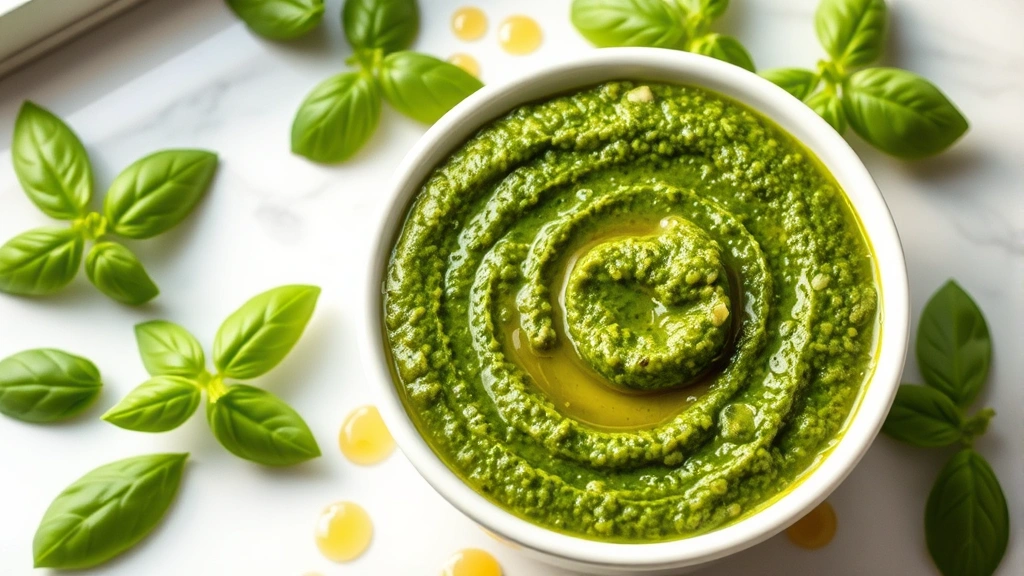
Walnut pesto is a delightful twist on the classic Italian sauce, offering a richer, earthier flavor profile that’s absolutely divine. This traditional pesto recipe swaps out pine nuts for more accessible and budget-friendly walnuts, creating a creamy, vibrant sauce that’s perfect for pasta, sandwiches, and so much more. What I absolutely love about this homemade herb sauce is how quickly it comes together—we’re talking just 10 minutes from start to finish!
I’ve been making pesto for years, and I have to say, walnuts are criminally underrated as a substitute. They bring a subtle sweetness and depth that complements fresh basil beautifully, and they’re so much easier to find year-round than quality pine nuts. Plus, your wallet will thank you. This recipe is perfect for spring and summer entertaining, and it’s become my go-to for impressing guests without spending hours in the kitchen.
The secret to the BEST walnut pesto is using fresh, high-quality ingredients and not over-processing the mixture. You want a chunky, rustic texture with visible walnut pieces—not a smooth paste. I always use a food processor rather than a blender for more control, and I pulse everything gently until it reaches that perfect consistency. Fresh basil is non-negotiable here; dried basil simply won’t give you that bright, vibrant flavor that makes this sauce sing.
This recipe is incredibly versatile and works beautifully in so many dishes. Toss it with hot pasta for a quick weeknight dinner, spread it on crostini for elegant appetizers, dollop it onto grilled chicken, or swirl it into cream cheese for an amazing dip. I’ve even used it as a sandwich spread, and let me tell you, it elevates a simple lunch to something special. The beauty of homemade pesto is that it tastes infinitely better than anything you can buy at the store, and it takes mere minutes to make.
One of my favorite ways to use this walnut pesto is in a summer caprese situation, layering it with fresh mozzarella and heirloom tomatoes. It’s the kind of dish that makes you feel like you’re dining al fresco in Tuscany, even if you’re just on your backyard patio. You can also make a big batch and freeze it in ice cube trays—just pop out a cube whenever you need a quick flavor boost for your cooking. This makes meal prep so much easier during busy weeks.
I want to share some pro tips I’ve learned over the years. First, make sure your basil is completely dry before processing—any excess moisture can turn your pesto brown. Room temperature garlic works better than cold garlic, as it blends more smoothly. Don’t skip the lemon juice; it keeps the pesto bright green and adds a necessary acid balance. And here’s a trick: reserve a little pasta water to thin out your pesto if needed—the starch helps the sauce coat the noodles beautifully.
The ingredient ratios in this recipe are absolutely foolproof, but feel free to adjust to your personal taste. Like more garlic? Add it. Prefer a nuttier flavor? Use roasted walnuts instead of raw. Want it creamier? A dollop of ricotta or Greek yogurt works wonderfully. That’s the beauty of homemade pesto—it’s completely customizable. Just remember that the fresher your basil and the higher quality your olive oil, the better your final result will be. Invest in a good extra-virgin olive oil for this recipe; it really does make a difference.
Storage is simple: keep your finished pesto in an airtight container in the refrigerator for up to five days, or freeze it for up to three months. If you’re freezing it, I recommend leaving out the cheese and garlic, then stirring those in after thawing for the freshest flavor. You can also press plastic wrap directly onto the surface of the pesto to prevent oxidation and browning. This walnut pesto recipe has become a staple in my kitchen, and I’m confident it will become one of yours too. It’s quick, tasty, and absolutely foolproof—everything a great recipe should be!
For more inspiration on herb-based sauces and condiments, this walnut pesto is just the beginning. Check out these amazing resources: Bon Appétit’s walnut pesto guide, Serious Eats’ detailed walnut pesto tutorial, and New York Times’ walnut pesto recipe for additional variations and serving suggestions. These resources offer wonderful insights into different techniques and flavor combinations that can take your pesto game to the next level!
Ingredients
- 2 cups fresh basil leaves, packed and dried
- ¾ cup raw walnuts (or roasted for deeper flavor)
- 3 cloves garlic, minced
- ½ cup extra-virgin olive oil
- ½ cup freshly grated Parmigiano-Reggiano cheese
- ¼ cup freshly grated Pecorino Romano cheese
- 3 tablespoons fresh lemon juice
- 2 tablespoons reserved pasta water (if using with pasta)
- Salt and freshly ground black pepper to taste
- Pinch of red pepper flakes (optional, for slight heat)
Instructions
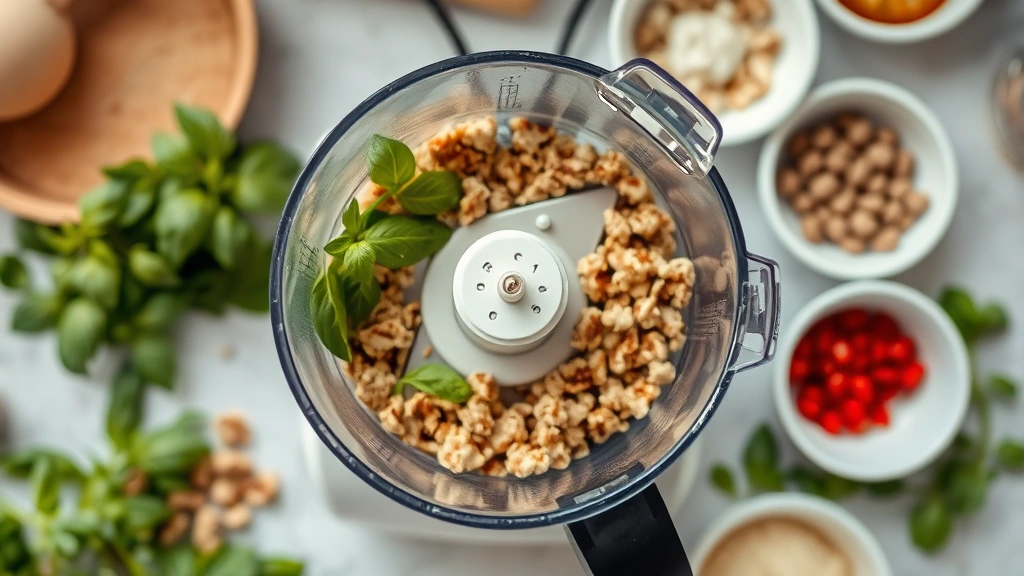
- Add the walnuts to your food processor and pulse 4-5 times until coarsely chopped. Be careful not to over-process, as you want some texture remaining.
- Add the fresh basil leaves and minced garlic to the processor with the walnuts.
- Pulse the basil, garlic, and walnut mixture together 5-6 times until you reach a chunky consistency. Scrape down the sides of the bowl with a spatula.
- While pulsing continuously, slowly drizzle in the extra-virgin olive oil in a thin stream until the mixture becomes a thick paste with visible walnut and basil pieces.
- Add both the Parmigiano-Reggiano and Pecorino Romano cheese and pulse 3-4 times until just combined.
- Squeeze in the fresh lemon juice and pulse 2-3 more times to incorporate evenly throughout.
- Taste your pesto and season with salt, freshly ground black pepper, and red pepper flakes if desired. Remember that the cheeses add saltiness, so taste before adding additional salt.
- If the pesto seems too thick, add reserved warm pasta water one tablespoon at a time while pulsing gently until you reach your desired consistency.
- Transfer the finished pesto to a clean jar or serving bowl and use immediately, or cover and refrigerate until ready to use.
- If storing for later, press plastic wrap directly onto the surface of the pesto to prevent oxidation and browning, then seal with an airtight lid.

Pro Tips
- **Best Basil Selection**: Use fresh basil that’s been thoroughly dried—moisture is the enemy of vibrant green pesto. Pat it dry with paper towels before processing for the brightest color and best flavor.
- **Walnut Choices**: Raw walnuts offer a lighter, slightly sweet flavor, while roasted walnuts create a deeper, more toasted profile. Choose based on your preference and what dishes you’re serving it with.
- **Garlic Intensity**: If you prefer a milder garlic flavor, use only 2 cloves. For serious garlic lovers, go up to 4 cloves. Room temperature garlic blends more smoothly than cold garlic straight from the refrigerator.
- **Olive Oil Quality**: This recipe is only as good as your olive oil. Invest in a quality extra-virgin olive oil—the fresher and better the oil, the more delicious your pesto will be. Avoid cheap or rancid-smelling oils.
- **Cheese Ratio**: Use a combination of Parmigiano-Reggiano and Pecorino Romano for the best flavor balance. The Parmigiano adds a mild, slightly sweet nuttiness, while the Pecorino brings sharper, saltier notes.
- **Lemon Juice Magic**: Fresh lemon juice is crucial for keeping your pesto bright green and preventing browning. It also adds necessary acidity that balances the richness of the oil and cheese.
- **Serving with Pasta**: When tossing with hot pasta, reserve about ½ cup of pasta water before draining. Add a tablespoon or two of this starchy water to thin the pesto slightly, allowing it to coat the noodles beautifully.
- **Storage Solutions**: Keep pesto in an airtight container in the refrigerator for up to 5 days, or freeze in ice cube trays for up to 3 months. Thaw frozen pesto at room temperature for best results.
- **Make-Ahead Tip**: You can prepare the walnut and basil mixture up to 2 hours ahead, then add the cheese and lemon juice just before serving for the freshest flavor and brightest color.
- **Variations to Try**: Add a handful of fresh mint for a different flavor profile, include sun-dried tomatoes for sweetness, stir in a dollop of ricotta for creaminess, or add roasted red peppers for depth and color.
- **Serving Ideas**: Use on grilled chicken, fish, or vegetables; swirl into cream cheese or Greek yogurt for dips; spread on sandwiches; dollop on crostini with mozzarella; toss with roasted potatoes; or stir into soups for finishing touches.