
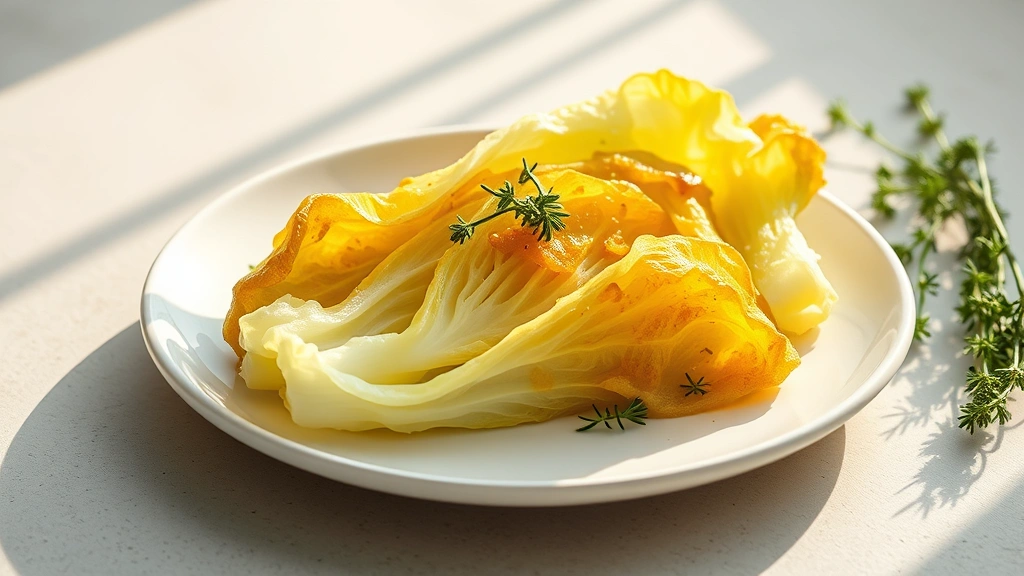
There’s something absolutely magical about wilted lettuce—it transforms from crisp and raw into something tender, silky, and deeply satisfying. This classic dish, often overlooked in modern cooking, deserves a proper comeback to your dinner table. Wilted lettuce is the kind of side dish that feels fancy enough for entertaining yet simple enough for weeknight dinners. The beauty of this recipe lies in its versatility and elegance; it pairs beautifully with rich proteins and creamy sauces, making it the perfect accompaniment to dishes like Quick Tasty Bacon Carbonara or Best Heavy Cream Alfredo Sauce.
This wilted lettuce recipe is inspired by traditional French cooking techniques, where the delicate greens are gently warmed with aromatics and a touch of acid to brighten the flavors. Unlike raw salads, wilted lettuce develops a subtle sweetness and becomes incredibly tender while maintaining its nutritional value. The technique is straightforward, but the results are restaurant-quality, proving that sometimes the simplest preparations yield the most elegant dishes.
What makes this recipe truly special is how it celebrates the lettuce itself rather than drowning it in heavy dressings. A combination of butter, garlic, and a splash of vinegar creates a light, flavorful coating that enhances rather than masks the vegetable’s natural taste. This dish works wonderfully as a bed for proteins, a side to complement Delicious Heavy Cream Pasta, or even as a component in composed plates. The recipe is naturally low-carb and keto-friendly, making it an excellent choice for those watching their dietary intake.
I’ve been making wilted lettuce for years, and it never fails to impress dinner guests who’ve never encountered it before. The transformation from raw to cooked happens in just minutes, making this an ideal last-minute side dish. Plus, it’s an excellent way to use up lettuce before it wilts naturally in your crisper drawer. The technique adapts beautifully to different lettuce varieties—butter lettuce, romaine, and even iceberg work wonderfully, though tender greens like butter lettuce create the most luxurious texture. For those interested in complementary dishes, try serving this alongside Easy Chicken Alfredo or incorporating it into salad compositions like Best Chickpea Salad Recipe.
The beauty of learning how to make wilted lettuce extends beyond just this one dish—it’s a fundamental technique that opens doors to understanding French cooking methods and vegetable preparation. Once you master this simple approach, you’ll find yourself creating variations with different aromatics, herbs, and flavor profiles. Some chefs add a touch of cream, others incorporate bacon for smokiness, and traditionalists stick with the pure, elegant version presented here. This wilted lettuce recipe proves that sometimes the most memorable dishes come from respecting your ingredients and using time-tested techniques. Whether you’re preparing a special dinner or simply looking to elevate your weeknight sides, this recipe delivers sophistication and flavor in under fifteen minutes.
Ingredients
- 1 large head butter lettuce or romaine lettuce, washed and roughly chopped
- 3 tablespoons unsalted butter
- 4 cloves garlic, minced
- 2 tablespoons white wine vinegar or champagne vinegar
- Salt and freshly ground black pepper to taste
- Pinch of nutmeg
- Lemon zest for garnish (optional)
- Fresh thyme or tarragon for garnish (optional)
Instructions
- Prepare your lettuce by washing it thoroughly under cold running water and patting it completely dry with paper towels. Any excess moisture will prevent proper wilting and create a watery dish. Roughly chop the lettuce into bite-sized pieces, discarding any tough outer leaves or discolored portions. Set aside in a large bowl.
- Heat a large skillet or sauté pan over medium heat. Once the pan is warm, add the butter and allow it to melt completely, swirling the pan gently to coat the bottom evenly.
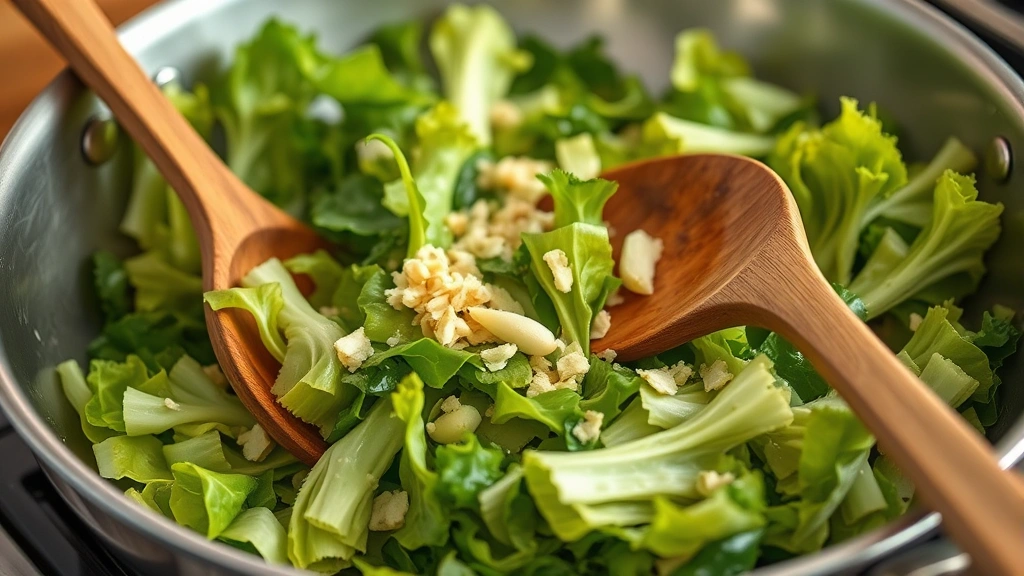
- Add the minced garlic to the melted butter and cook for approximately 30 seconds to 1 minute, stirring constantly. You want to release the garlic’s fragrant oils without allowing it to brown, which would create a bitter flavor. The kitchen should smell absolutely heavenly at this point.
- Carefully add the chopped lettuce to the pan with the garlic butter. It will seem like an enormous amount and will likely overflow the pan’s edges. Don’t worry—this is completely normal and expected.
- Using tongs or a wooden spoon, gently toss the lettuce in the butter, working quickly to coat all the pieces. The lettuce will begin to wilt almost immediately as it comes into contact with the heat. Continue tossing for 2-3 minutes, allowing the volume to reduce significantly as the lettuce releases its moisture and softens.
- Once the lettuce has wilted down to about one-third of its original volume and has taken on a silky, tender appearance, remove the pan from the heat.
- Pour the white wine vinegar over the wilted lettuce and toss gently to combine. The vinegar will add brightness and acidity that perfectly complements the rich butter and sweet, tender lettuce.
- Season the wilted lettuce generously with salt and freshly ground black pepper. Add a small pinch of nutmeg for subtle depth and complexity that will make guests wonder what the secret ingredient is.
- Transfer the wilted lettuce to a serving dish or directly onto individual plates. Garnish with fresh lemon zest and torn fresh herbs like thyme or tarragon if desired. Serve immediately while still warm for the best texture and flavor.
- For a variation, you can add crispy bacon pieces, anchovies, or a splash of heavy cream just before serving. Some prefer to add a touch of Dijon mustard to the pan with the vinegar for extra complexity.
Pro Tips
- This recipe works best with tender lettuce varieties like butter lettuce, Boston lettuce, or young romaine. Iceberg lettuce can be used but will be less flavorful. Avoid using hardy varieties like kale or cabbage, which require longer cooking times.
- The key to perfect wilted lettuce is having all your ingredients prepped and ready before you begin cooking. This dish comes together so quickly that there’s no time to chop garlic or measure vinegar once you’ve started.
- Don’t overcrowd your pan with too many lettuce pieces at once if you want a more refined result. If your head of lettuce is particularly large, consider cooking in two batches to ensure even wilting and better flavor distribution.
- The vinegar is crucial to this dish—it provides acidity that brightens the rich butter and prevents the dish from tasting heavy. White wine vinegar and champagne vinegar are traditional choices, but red wine vinegar or even a squeeze of fresh lemon juice can work in a pinch.
- Wilted lettuce is best served immediately after cooking. If you must hold it, keep it warm in a low oven (200°F) for no more than 10 minutes. Longer storage will result in a mushy, unappetizing texture.
- This dish pairs exceptionally well with roasted chicken, pan-seared fish, grilled steak, or rich pasta dishes. It also works beautifully as a bed for poached eggs at brunch.
- For meal prep, you can prepare the lettuce and garlic butter separately and combine them just before serving. The wilting process takes less than 5 minutes, making it ideal for last-minute side dishes.
- If you’re serving a crowd, double or triple this recipe easily. The technique remains the same; you may just need to work in batches depending on your pan size.
- Store any leftovers in an airtight container in the refrigerator for up to 2 days, though they’re best enjoyed fresh. Reheat gently in a warm skillet before serving.
- For a richer version, stir in 2-3 tablespoons of heavy cream or crème fraîche after wilting. This transforms the dish into something even more luxurious and restaurant-quality.
- The nutmeg is optional but highly recommended—it adds an elegant, subtle complexity that elevates this simple dish to something truly special.