

Making your own window cleaner is one of those simple kitchen projects that pays dividends every single time you clean. Store-bought cleaners can be expensive, filled with harsh chemicals, and honestly, homemade versions work just as well—if not better. This recipe is so straightforward that you probably have all the ingredients in your home right now.
I started making my own window cleaner years ago when I realized how much money I was spending on commercial products that left streaks and residue. The beauty of this DIY approach is that you control exactly what goes into it, meaning no toxic fumes filling your home, and it’s incredibly budget-friendly. A single batch costs mere pennies compared to those fancy bottles at the store.
The magic combination here is simple: water, white vinegar, and rubbing alcohol. That’s it. No fancy additives, no complicated steps, just three ingredients that work together to cut through grime, dissolve fingerprints, and leave your windows sparkling without any streaks. The vinegar breaks down buildup and mineral deposits, while the rubbing alcohol helps the solution dry quickly and evenly—that’s your secret to streak-free results.
What makes this recipe truly special is its versatility. You can use it on windows, mirrors, glass tabletops, and even your car windows. I’ve found it works beautifully on both indoor and outdoor glass surfaces. In the warmer months, I keep a bottle in my car for quick touch-ups, and year-round, I have one under my kitchen sink.
The proportions are flexible too, which I love. If you have particularly stubborn grime or hard water stains, you can increase the vinegar ratio. For everyday maintenance cleaning, the standard ratio works perfectly. I also like to add a few drops of essential oil—lemon is my go-to—for a fresh scent, though this is entirely optional.
One thing I’ve learned through trial and error is that the type of cloth you use matters just as much as the cleaner itself. Microfiber cloths are absolutely essential for streak-free results. They’re inexpensive, reusable, and work far better than paper towels or regular cloths. I also keep a squeegee on hand for larger windows, which gives professional results.
This recipe makes about 16 ounces of cleaner, which lasts quite a while in my home. I usually make a batch every couple of months, and I store it in a spray bottle for easy application. It keeps indefinitely, so you can make larger batches and store them without worry.
If you’re looking to reduce your household expenses while also minimizing your exposure to harsh chemicals, this window cleaner recipe is absolutely the way to go. It’s one of those simple DIY projects that actually makes a tangible difference in your home and your wallet. Once you start making your own, you’ll wonder why you ever bought those expensive commercial cleaners in the first place.
For more cleaning inspiration around the kitchen, check out our Quick Tasty Bacon Carbonara Recipe for when you want to celebrate keeping your kitchen pristine. You might also enjoy our guide to Best Heavy Cream Alfredo Sauce Recipe for entertaining in a sparkling clean space. And if you’re interested in other household solutions, our Delicious Heavy Cream Pasta Recipe pairs beautifully with a clean home aesthetic.
For additional cleaning tips and tricks, I recommend checking out Serious Eats for their comprehensive household guides and Bon Appétit for their lifestyle content. You can also find more home care solutions at New York Times Cooking.
Ingredients
- 2 cups water (distilled water works best)
- 1/4 cup white vinegar
- 1/4 cup rubbing alcohol (70% isopropyl alcohol)
- 3-5 drops essential oil (lemon or lavender, optional)
- 1 spray bottle
Instructions
- Gather all your ingredients and ensure your spray bottle is clean and dry. A clean bottle prevents any residue from interfering with your cleaner’s effectiveness.
- Pour 2 cups of distilled water into your spray bottle. Distilled water is preferred over tap water because it doesn’t contain minerals that can leave streaks.
- Add 1/4 cup of white vinegar to the water. The vinegar is what cuts through grime and helps dissolve mineral deposits on glass surfaces.
- Pour in 1/4 cup of rubbing alcohol. The alcohol helps the solution dry quickly and evenly, which is the key to achieving streak-free windows.
- If desired, add 3-5 drops of your preferred essential oil. Lemon essential oil is my favorite choice as it adds a fresh, clean scent and complements the vinegar naturally.
- Close the spray bottle tightly and shake well to combine all ingredients thoroughly.
- Label your bottle with the date and contents so you know exactly what’s inside. Store in a cool, dry place away from direct sunlight.
- Before using, shake the bottle again to ensure all ingredients are well combined, as the alcohol and water can separate over time.
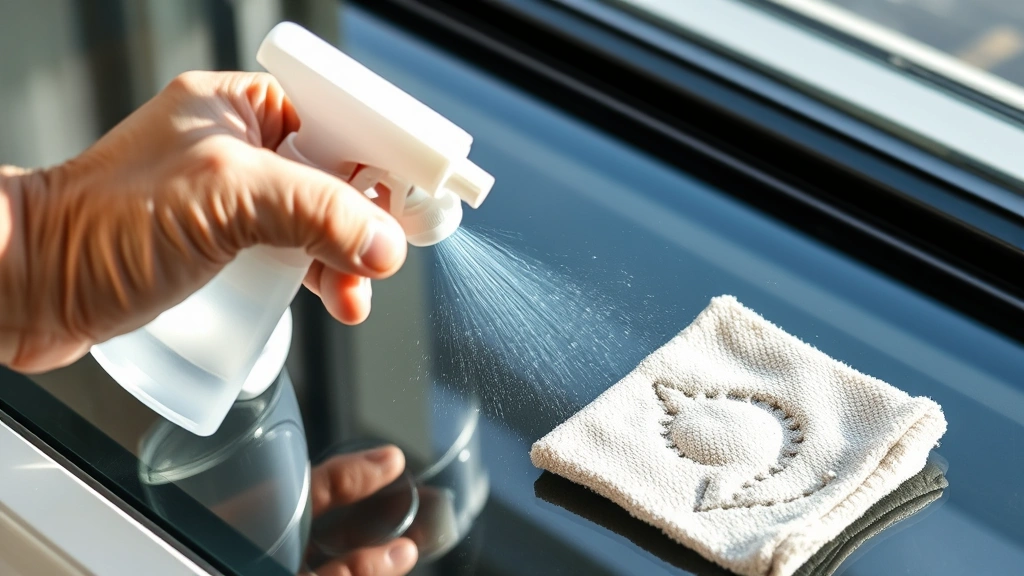
- Spray the solution generously onto your glass surface, making sure to coat it evenly without oversaturating.
- Using a microfiber cloth or crumpled newspaper, wipe the glass in one direction, then use another clean cloth to dry any remaining moisture.
- For large windows or stubborn streaks, use a squeegee for professional-looking results and maximum clarity.
- Store any leftover cleaner in your spray bottle and use as needed. This batch will keep indefinitely, so feel free to make larger quantities to have on hand.
Pro Tips
- This homemade window cleaner is safe for all glass surfaces including windows, mirrors, glass tables, and car windows. It’s also safe to use around children and pets since it contains no harsh chemicals.
- The key to streak-free windows is using the right cloth. Microfiber cloths are superior to paper towels because they absorb liquid more effectively and don’t leave lint behind. Crumpled newspaper also works surprisingly well and is a great option if you don’t have microfiber cloths.
- If your water is particularly hard or mineral-rich, you may see better results using distilled water exclusively. Hard water deposits can interfere with the cleaner’s effectiveness and may leave residue on glass.
- The rubbing alcohol percentage matters. Use 70% isopropyl alcohol as it’s more effective than higher concentrations and safer to handle. It also helps the solution dry quickly without leaving a film.
- Essential oils are completely optional but add a pleasant scent to your cleaner. Lemon, lavender, and eucalyptus are all excellent choices. Use only 3-5 drops as too much oil can leave a residue on glass.
- This cleaner is significantly more economical than store-bought alternatives. A batch costs approximately 50 cents to make compared to $3-5 for commercial cleaners.
- For particularly stubborn stains or buildup, spray the solution and let it sit for a few minutes before wiping. The extra time allows the vinegar to break down dried-on debris more effectively.
- Never mix this cleaner with bleach or ammonia-based products. Stick to this simple three-ingredient formula for safety and effectiveness.
- Store your spray bottle where you can easily access it for quick cleanups. Many people keep one under the kitchen sink, in the bathroom, and even in their car.
- This recipe can be doubled or tripled if you want to make larger batches. The proportions remain the same, and it stores indefinitely in sealed spray bottles.
- For exterior windows, you may want to increase the water slightly if you’re in a particularly sunny climate, as the alcohol will evaporate more quickly in heat.