
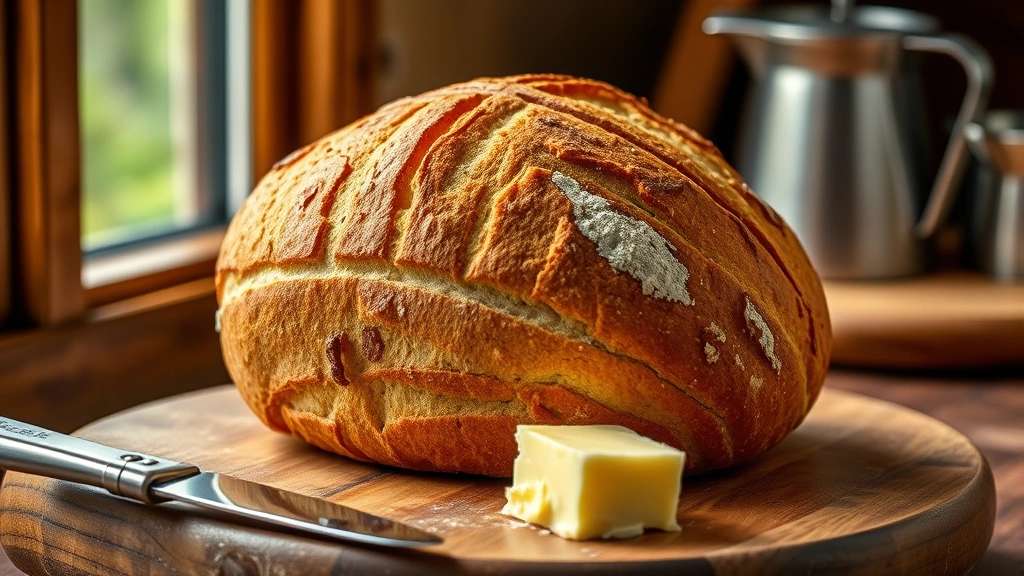
There’s nothing quite like the aroma of fresh-baked bread wafting through your kitchen, and the best part? You don’t need yeast to make it happen! This easy no-yeast bread recipe is an absolute game-changer for busy home bakers who want that homemade goodness without the waiting around. Whether you’re new to bread baking or looking for a quick alternative to traditional loaves, this recipe delivers soft, tender, and delicious results every single time.
What makes this bread so special is its simplicity and speed. Traditional yeast breads require hours of rising time, precise temperature control, and a bit of patience—but not this one. Using baking powder and baking soda as leavening agents, this no-yeast bread comes together in under an hour from start to finish. The texture is wonderfully tender with a subtle tang that develops from the buttermilk and vinegar, giving it depth of flavor that belies its humble ingredient list.
I’ve been making this bread for years, and it’s become my go-to when I’m craving homemade carbs but don’t have time for a traditional proofing schedule. It’s perfect for breakfast served warm with butter and jam, alongside soups and stews, or as the base for delicious Easy Chicken Alfredo, or paired with Best Chickpea Salad for a complete meal.
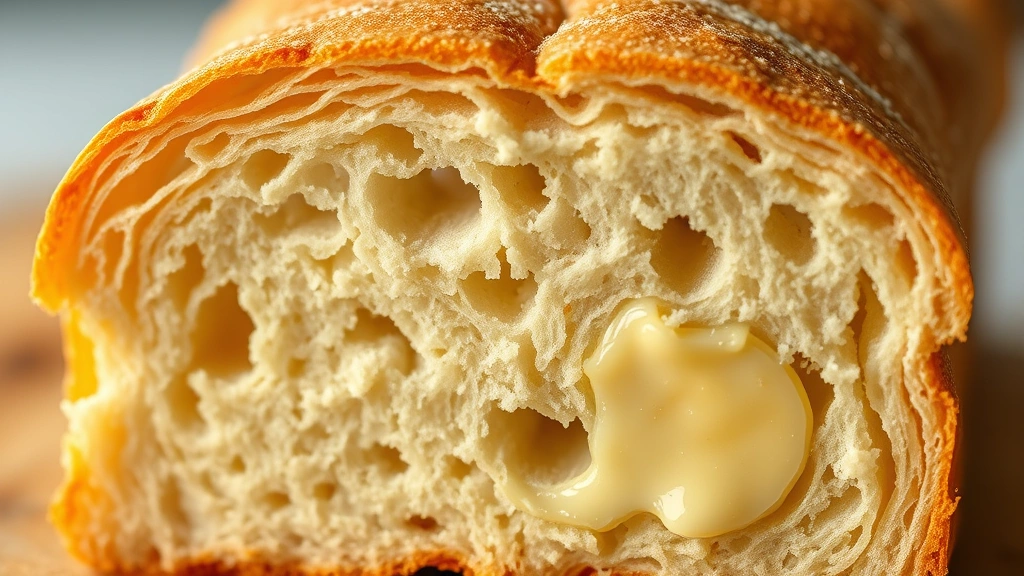
The beauty of this recipe lies in its versatility. The basic dough can be customized with herbs, cheese, seeds, or even a touch of honey for sweetness. I love making multiple loaves at once and freezing them—they thaw beautifully and taste just as wonderful as the day they were baked. The crumb structure is dense yet tender, with a subtle sweetness that appeals to everyone at the table.
What I appreciate most about this no-yeast approach is the consistency. There’s no guessing whether your dough has risen enough or if conditions were too cold for the yeast to activate properly. You mix, you shape, you bake, and you enjoy fresh bread. It’s foolproof, forgiving, and absolutely delicious. Whether you’re serving it warm from the oven with Best Heavy Cream Alfredo Sauce or using it for sandwiches the next day, this bread delivers consistent, impressive results. Many bakers also love exploring Delicious Heavy Cream Pasta as a pairing, and I’ve even served this bread alongside Perfect Pickled Red Onions for a charming dinner spread.
For more inspiration on quick baking techniques, check out Serious Eats’ bread collection or New York Times Cooking’s bread section. You can also explore Bon Appétit’s innovative bread recipes for additional inspiration and techniques that complement this straightforward approach.
Ingredients
- 3 cups all-purpose flour, plus more for dusting
- 1 tablespoon sugar
- 2 teaspoons baking powder
- 1 teaspoon baking soda
- 1½ teaspoons salt
- 1 tablespoon white vinegar
- 1¼ cups buttermilk, room temperature
- 2 tablespoons unsalted butter, melted
- 1 tablespoon coarse sea salt (optional, for topping)
Instructions
- Preheat your oven to 425°F (220°C). Line a baking sheet with parchment paper and set aside. This high temperature creates a beautiful crust while keeping the interior tender.
- In a large mixing bowl, whisk together the flour, sugar, baking powder, baking soda, and salt. Whisking these dry ingredients together ensures even distribution of the leavening agents throughout the dough.
- In a small bowl, combine the white vinegar and buttermilk. Let it sit for 1-2 minutes—this will create a slightly thicker buttermilk consistency that helps develop the bread’s texture.
- Make a well in the center of your dry ingredients and pour in the buttermilk mixture. Using a wooden spoon or sturdy spatula, gently stir until the ingredients just come together into a shaggy dough. Do not overmix; some lumps are perfectly fine.
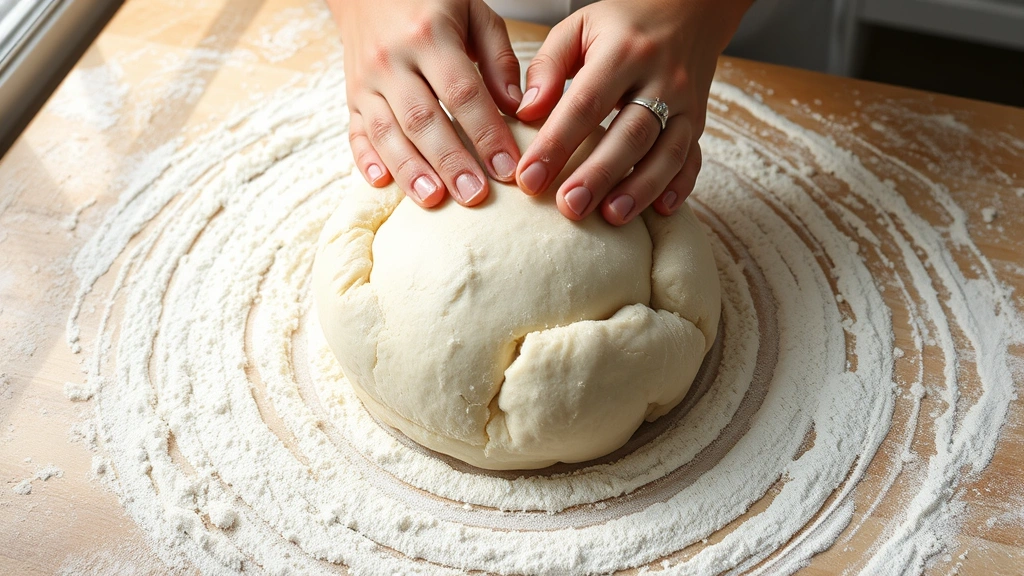
- Turn the dough out onto a lightly floured work surface. Gently knead it 5-6 times with your hands, just until it comes together into a cohesive ball. Overworking the dough will result in a dense, tough crumb.
- Shape the dough into a round or oval loaf about 8 inches in diameter. Place it on your prepared baking sheet. You can use a bench scraper to help shape it if needed.
- Using a sharp knife or bread lame, score the top of the loaf with a cross or decorative pattern about ¼-inch deep. This allows steam to escape and creates that beautiful artisan appearance.
- Brush the top of the loaf with melted butter, then sprinkle with coarse sea salt if desired. This adds flavor and creates a lovely textured crust.
- Bake for 35-40 minutes, until the bread is golden brown and sounds hollow when tapped on the bottom. The internal temperature should reach about 205°F when measured with an instant-read thermometer.
- Remove the bread from the oven and transfer it to a wire cooling rack. Allow it to cool for at least 15 minutes before slicing, as this allows the interior structure to set properly.
- Slice and serve warm with butter, jam, or your favorite spread. Store any leftovers in a breadbox or wrapped in a clean kitchen towel at room temperature for up to 2 days.
Pro Tips
- This bread is best enjoyed on the day it’s baked, but it keeps well for up to 2 days when stored properly in a breadbox or wrapped in a kitchen towel. Avoid plastic bags, which trap moisture and make the crust soggy.
- For a heartier loaf, substitute up to 1 cup of the all-purpose flour with whole wheat flour. This will create a nuttier flavor and denser crumb, though you may need to add an extra tablespoon or two of buttermilk to achieve the right consistency.
- Flavor variations are endless: add 1 teaspoon of dried herbs (rosemary, thyme, or Italian seasoning), ¾ cup shredded cheddar cheese, a tablespoon of honey for sweetness, or even ¼ cup of seeds (sesame, poppy, or flax) mixed into the dough.
- If your buttermilk is very thick, you may need slightly less. If the dough seems too dry after mixing, add additional buttermilk one tablespoon at a time. The dough should be slightly sticky but not wet.
- Room temperature buttermilk is important because cold liquid won’t incorporate as smoothly into the flour mixture. Remove it from the refrigerator about 30 minutes before baking.
- Don’t have buttermilk? Make a substitute by adding 1 tablespoon of lemon juice or vinegar to 1¼ cups of regular milk and letting it sit for 5 minutes before using.
- For a crispier crust, place a shallow pan of hot water on the lower oven rack while baking. The steam helps develop a beautiful exterior.
- This bread freezes beautifully for up to 3 months. Wrap the cooled loaf tightly in plastic wrap, then aluminum foil, and label with the date. Thaw at room temperature for 2-3 hours before enjoying.
- The bread can be sliced and toasted the next day, which revives its texture beautifully. It’s wonderful with butter and jam for breakfast or alongside soups and stews for dinner.
- If you prefer a sweeter bread, increase the sugar to 2 tablespoons and add ½ teaspoon of vanilla extract to the buttermilk mixture.
- The vinegar is crucial to this recipe—it reacts with the baking soda to create lift and also provides subtle flavor complexity. Don’t skip it, though you can use lemon juice as a substitute.