

Sago pudding is one of those wonderfully simple desserts that feels fancy but requires minimal effort—making it perfect for weeknight dinners or elegant entertaining. This creamy, comforting pudding has roots in Southeast Asian and British colonial cuisine, and it’s experiencing a delightful resurgence among home cooks who appreciate its delicate texture and subtle sweetness. The beauty of sago lies in its versatility; these tiny pearl-like tapioca balls absorb flavors beautifully while creating a luxuriously smooth pudding that’s neither too heavy nor too light.
What makes this recipe particularly easy is that it requires just a handful of pantry staples and about 20 minutes of your time. Unlike some puddings that demand constant stirring or precise temperature control, sago pudding is remarkably forgiving. The pearls cook evenly in simmering milk, gradually releasing their starch to naturally thicken the mixture into silky perfection. This recipe comes together with minimal fuss, yet delivers restaurant-quality results that will impress your family and guests alike.
I’ve been making sago pudding since my grandmother taught me the technique years ago, and I’ve refined it over countless batches to achieve the ideal creamy consistency without any graininess. The secret is using quality whole milk and not rushing the cooking process—low and slow is the way to go. You can serve this warm on a chilly evening, chilled as a refreshing summer dessert, or even at room temperature for a light afternoon treat. The pudding pairs beautifully with fresh fruit, a drizzle of honey, or a sprinkle of toasted coconut. Check out our pudding basics guide for more creamy dessert inspiration, or explore our complete guide to sago and tapioca to understand these fascinating ingredients better.
For those interested in Asian desserts, you might also enjoy our mango sticky rice recipe or our collection of coconut milk desserts. If you’re new to cooking with sago, we recommend reading this Serious Eats guide to tapioca pearls for deeper understanding, or check out Bon Appétit’s dessert techniques for professional tips. For more pudding variations, New York Times Cooking has an excellent collection of traditional and modern pudding recipes.
Ingredients
- 1 cup small sago pearls (also called tapioca pearls)
- 4 cups whole milk (or a combination of whole milk and heavy cream for extra richness)
- 1/3 cup granulated sugar (adjust to taste)
- 1/4 teaspoon fine sea salt
- 1 teaspoon pure vanilla extract
- 2 tablespoons butter
- 1/4 teaspoon ground cardamom (optional but recommended)
- Pinch of nutmeg for garnish
- Fresh berries, sliced fruit, or honey for serving (optional)
Instructions
- Rinse the sago pearls thoroughly under cold running water in a fine-mesh strainer for about 1-2 minutes, stirring gently with your fingers. This removes excess starch and prevents the pudding from becoming overly thick or cloudy. Drain well and set aside.
- Pour the milk into a large saucepan or heavy-bottomed pot and bring it to a gentle simmer over medium heat, stirring occasionally. You want to see small bubbles forming around the edges, but not a rolling boil.
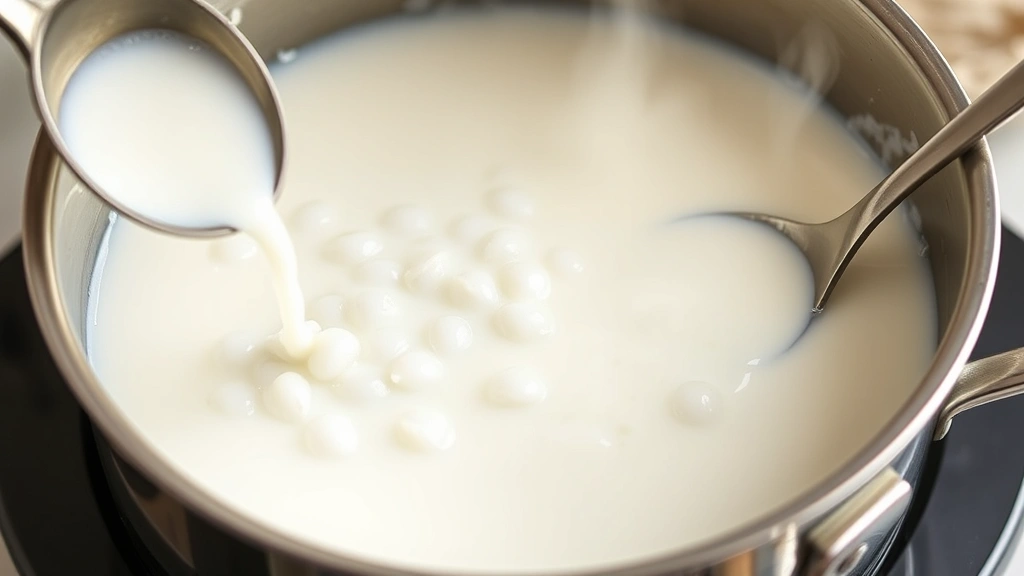
- Once the milk reaches a simmer, slowly add the rinsed sago pearls, stirring constantly to prevent them from clumping together. Continue stirring for about 1-2 minutes until all the pearls are separated and suspended in the milk.
- Reduce the heat to low and let the pudding simmer gently, stirring frequently (every 2-3 minutes) to ensure even cooking and to prevent the pearls from sticking to the bottom of the pan. This process will take approximately 15-18 minutes.
- After about 12 minutes of cooking, the sago pearls should begin to become translucent with just a small white dot remaining in the center. Continue cooking and stirring until the pearls are completely translucent and the pudding has thickened to your desired consistency.
- When the pudding reaches your preferred thickness and the pearls are fully cooked, add the sugar, sea salt, vanilla extract, and butter, stirring well to combine. If using cardamom, add it now for a subtle aromatic flavor.
- Continue cooking for another 1-2 minutes while stirring to allow the sugar to fully dissolve and the butter to incorporate smoothly into the pudding.
- Remove the saucepan from the heat and let the pudding rest for 5 minutes, during which it will continue to thicken slightly as it cools. Stir gently one more time to achieve an even consistency.
- Divide the warm pudding into serving bowls or glasses. For a chilled version, pour into a serving dish, press plastic wrap directly onto the surface to prevent a skin from forming, and refrigerate for at least 2 hours before serving.
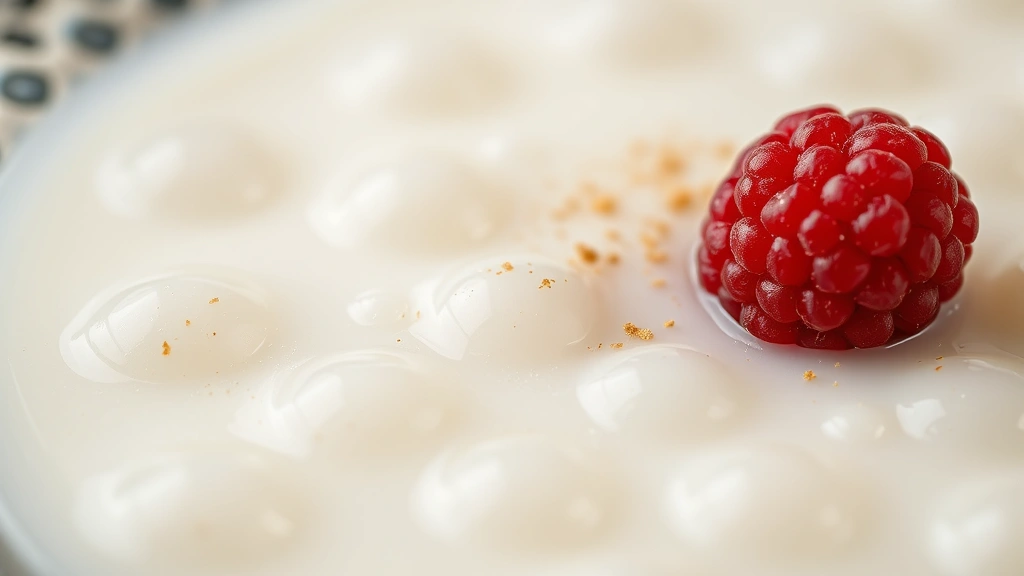
- Garnish each serving with a light sprinkle of nutmeg, fresh berries, sliced fruit, drizzled honey, toasted coconut, or your favorite toppings. Serve immediately while warm, or chill and serve cold depending on your preference.
Pro Tips
- **Sago Selection**: Look for small pearl sago rather than the larger tapioca pearls, as they cook more evenly and create a better texture for pudding. Some brands are more uniform than others, so quality matters.
- **Milk Options**: While whole milk is essential for proper texture, you can use a combination of whole milk and heavy cream (3 cups milk + 1 cup cream) for an ultra-luxurious pudding. Evaporated milk can also be used for a denser, creamier result.
- **Preventing Lumps**: The key to smooth pudding is constant, gentle stirring. If you see any clumping, you can press gently against the sides of the pot with your spoon to break up any clusters.
- **Consistency Control**: If your pudding seems too thick, you can stir in a few tablespoons of warm milk at a time until you reach the desired consistency. If it’s too thin, continue simmering for a few more minutes.
- **Flavor Variations**: Try adding a pinch of saffron soaked in warm milk for an exotic touch, or substitute vanilla with almond extract. A splash of coconut milk added at the end creates a Southeast Asian twist.
- **Make Ahead**: This pudding can be made up to 3 days in advance and stored in an airtight container in the refrigerator. Stir in a splash of milk when reheating to restore the creamy consistency.
- **Serving Temperature**: Serve warm for maximum creaminess, or chill thoroughly for a refreshing cold dessert. Room temperature works beautifully too and is popular in many Asian cuisines.
- **Topping Ideas**: Fresh mango slices, raspberries, toasted nuts, a drizzle of chocolate sauce, candied ginger, or a sprinkle of sea salt all complement sago pudding beautifully.
- **Storage Tips**: Keep dried sago in an airtight container in a cool, dry place for up to 6 months. Once cooked, the pudding keeps refrigerated for 3 days but is best enjoyed within 1-2 days.