

There’s something truly magical about a 7 Up cake—it’s the kind of dessert that takes you back to simpler times, with its light, citrusy flavor and impossibly tender crumb. This classic cake has been a beloved staple in Southern kitchens for generations, and once you understand the magic behind it, you’ll understand why. The secret ingredient, 7 Up soda, adds a subtle sweetness and carbonation that creates an incredibly moist cake with a delicate texture that’s hard to achieve any other way.
What makes this 7 Up cake recipe so special is its simplicity combined with its sophisticated flavor profile. Unlike dense, heavy cakes that weigh you down, this beauty is light and airy, making it perfect for any occasion from casual weeknight desserts to elegant dinner parties. The bright, lemony notes from the 7 Up complement both vanilla and lemon extracts beautifully, creating a flavor that’s refreshing and memorable. Whether you’re a seasoned baker or just starting your culinary journey, this recipe is forgiving and foolproof—a true testament to why it’s remained a kitchen favorite for so many years.
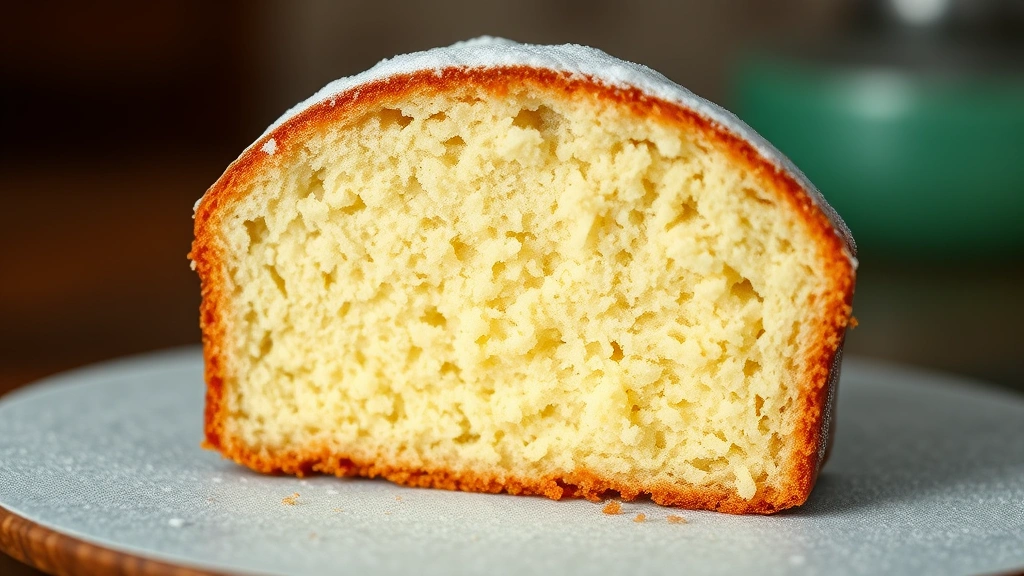
The beauty of this cake lies not just in the ingredients, but in understanding how they work together. The 7 Up replaces some of the traditional liquid in the batter, and its carbonation is what creates those tiny air pockets that make the cake so wonderfully light. When paired with quality butter, fresh eggs, and the right mixing technique, you’ll achieve a cake that’s moist, flavorful, and absolutely irresistible. I like to serve mine with a simple vanilla buttercream frosting, though you could easily adapt this to pair with rich cream sauces for special occasions.
Baking this cake is an exercise in patience and precision, but don’t let that intimidate you. I’ve baked this recipe countless times, and I’m sharing all my tips and tricks to ensure your success. From achieving the perfect crumb to troubleshooting common issues, you’ll find everything you need to know right here. The combination of creamy ingredients and light textures is something I’ve studied extensively, and this cake represents the pinnacle of that balance.
One thing I always emphasize is the importance of room temperature ingredients. This isn’t just baker’s lore—it’s actually crucial for achieving proper emulsification and the best possible texture. When your butter, eggs, and milk are all at room temperature, they blend together smoothly and incorporate air more efficiently, resulting in a lighter, fluffier cake. I also recommend investing in a good quality vanilla extract and using fresh 7 Up rather than flat soda that’s been sitting in your pantry for months.
The frosting is equally important as the cake itself. I typically make a simple but elegant vanilla buttercream that lets the delicate cake flavor shine through. However, you could also try a cream cheese frosting for a tangy twist, or even a lemon buttercream to amplify those citrus notes. Some bakers swear by a seven-minute frosting, which has a beautiful meringue-like texture. Whatever you choose, make sure your frosting is smooth and spreadable—you want it to complement, not overpower, your beautiful cake.
This 7 Up cake also makes an excellent base for layer cakes. Simply divide the batter between two or three pans and bake accordingly, adjusting your time as needed. For a truly showstopping presentation, try stacking three layers with frosting and fresh berries between each one. The combination of textures and flavors creates something truly special that will impress any dinner guest.
When it comes to troubleshooting, the most common issue I see is a dense, heavy cake. This usually happens when the batter is overmixed or when the oven temperature isn’t quite right. Always mix just until the ingredients are combined—don’t beat the batter for extended periods. Additionally, invest in an oven thermometer to ensure your oven is truly at the temperature you think it is. Many home ovens run hot or cold, which can significantly affect baking results.
Another question I receive often is whether you can substitute the 7 Up with other sodas. While you could technically use other lemon-lime sodas, I find that 7 Up works best because of its specific flavor profile and carbonation level. Sprite is similar and would work in a pinch, but the classic 7 Up really is unbeatable for this particular recipe. The nostalgic quality of the cake is tied to that specific flavor that generations have come to love.
For serving, this cake is wonderful on its own, but it’s also delicious served with fresh whipped cream and berries. Some people enjoy a light glaze instead of buttercream frosting, which allows the delicate cake flavor to really shine. You could even make a bright citrus glaze that would complement the cake beautifully.
This recipe also stores beautifully. When properly wrapped, the cake stays moist and delicious for up to four days at room temperature. If you need to store it longer, it freezes wonderfully—just wrap it well before freezing, and it will keep for up to three months. This makes it an excellent choice for advance baking or for creating a dessert stash for unexpected guests. The sophisticated flavor profile actually deepens slightly after a day or two, making it even more delicious.
I encourage you to try this recipe and make it your own. Perhaps you’ll add a hint of almond extract, or maybe you’ll experiment with different frostings. The beauty of classic recipes is their versatility and their ability to adapt to your preferences. What matters most is that you’re creating something delicious with your own two hands, and sharing it with people you love. That’s what baking is all about, and that’s why this 7 Up cake recipe has endured for so many generations.
Ingredients
- 2 cups all-purpose flour
- 3 teaspoons baking powder
- 1/2 teaspoon salt
- 1/2 cup (1 stick) unsalted butter, softened to room temperature
- 1 1/2 cups granulated sugar
- 3 large eggs, room temperature
- 1 teaspoon vanilla extract
- 1/2 teaspoon lemon extract (optional but recommended)
- 1 cup whole milk, room temperature
- 1 cup 7 Up or Sprite soda, room temperature
- 1 tablespoon fresh lemon zest (optional)
- Pinch of nutmeg (optional)
- For the Frosting: 1/2 cup (1 stick) unsalted butter, softened
- 2-3 cups powdered sugar, sifted
- 2-3 tablespoons heavy cream or milk
- 1 teaspoon vanilla extract
- Pinch of salt
Instructions
- Preheat your oven to 350°F (175°C). Grease and flour a 9-inch round cake pan (or two 8-inch pans for a layer cake), ensuring all surfaces are well coated. You can also use parchment paper on the bottom for extra insurance against sticking.
- In a small bowl, whisk together the flour, baking powder, salt, and optional nutmeg. Set this dry mixture aside. Make sure there are no lumps in the flour mixture by using a whisk or sifter.
- In a large mixing bowl, cream together the softened butter and granulated sugar. Beat on medium-high speed for approximately 3-4 minutes until the mixture is light, fluffy, and pale in color. This is crucial for incorporating air into the batter, which will make your cake light and tender.
- Add the eggs one at a time to the butter mixture, beating well after each addition. Allow about 30 seconds between each egg. This ensures proper emulsification and even distribution throughout the batter.
- Add the vanilla extract and lemon extract (if using) to the batter, mixing until just combined. If desired, add the fresh lemon zest at this point for extra citrus flavor and a beautiful speckled appearance.
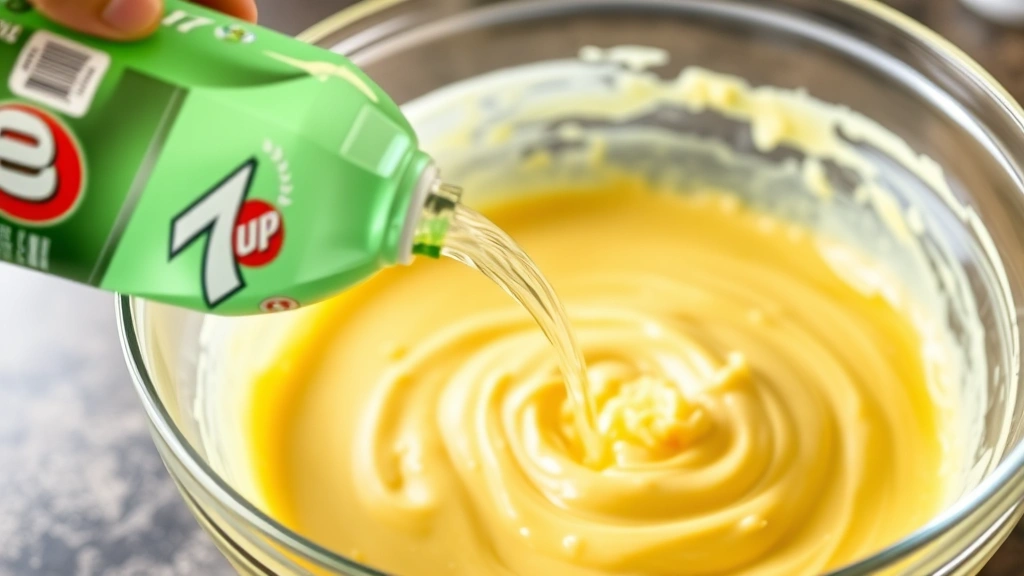
- Alternate adding the flour mixture and the combined milk-7 Up mixture to the butter mixture, beginning and ending with the flour mixture. Add about one-third of the flour, then half of the liquid, then another third of the flour, then the remaining liquid, and finally the last third of the flour. Mix on low speed after each addition until just combined. Do not overmix.
- Divide the batter evenly between your prepared cake pan(s), smoothing the top with a spatula or the back of a spoon. Gently tap the pan on the counter a few times to release any air bubbles.
- Place the cake pan in the preheated oven. For a 9-inch round cake, bake for 35-40 minutes. For 8-inch layer cakes, bake for 30-35 minutes. The cake is done when a toothpick inserted in the center comes out clean or with just a few moist crumbs.
- Remove the cake from the oven and allow it to cool in the pan for 10-15 minutes. This resting period is important as it allows the cake to set slightly, making it easier to turn out without breaking.
- Turn the cake out onto a wire rack to cool completely before frosting. If you used parchment paper, it should come away easily. This cooling period is essential—frosting a warm cake will cause the frosting to melt and slide off.
- While the cake cools, prepare the frosting by beating the softened butter in a large bowl on medium speed for about 2 minutes until creamy and pale. The butter should be at room temperature for best results.
- Gradually add the sifted powdered sugar to the butter, one cup at a time, beating on low speed to prevent the sugar from flying around. Once all the sugar is added, increase the speed to medium and beat for another 2-3 minutes.
- Add the heavy cream (or milk) one tablespoon at a time, beating well after each addition, until you reach your desired consistency. The frosting should be smooth, spreadable, and hold its shape when piped.
- Add the vanilla extract and a pinch of salt to the frosting, beating to combine. Taste and adjust flavoring as desired.
- Once the cake is completely cool, place it on a serving plate or cake board. If making a layer cake, level the tops with a serrated knife if needed, and apply a thin crumb coat of frosting first.
- Spread or pipe the frosting onto the top and sides of the cake using an offset spatula or piping bag. Create swirls and decorative touches as desired. Chill the finished cake for at least 30 minutes before serving to allow the frosting to set.
- Slice with a hot, wet knife (wipe between slices) for the cleanest cuts. Serve at room temperature or chilled, depending on your preference.
Pro Tips
Do not overmix the batter after adding the flour. Overmixing develops gluten, which results in a tough, dense cake. Mix only until the ingredients are just combined and no flour streaks remain visible.
The 7 Up should also be at room temperature, as cold soda will affect the batter temperature and consistency. Open the bottle 30 minutes before baking and let it sit on the counter, or gently warm it if needed.
If you don’t have lemon extract, vanilla extract alone works perfectly well. The 7 Up provides the citrus flavor, so the extract is optional but adds a nice depth of flavor.
For a single layer cake, use one 9-inch round pan and follow the recipe exactly. For a layer cake, divide the batter between two 8-inch pans and reduce baking time by about 5 minutes.
An oven thermometer is highly recommended for baking success. Many home ovens run 25 degrees off from their displayed temperature, which can significantly affect baking results.
This cake can be made a day ahead. Wrap the cooled, unfrosted cake in plastic wrap and store at room temperature. Frost the morning of serving for the best appearance.
The cake also freezes beautifully for up to three months. Wrap the unfrosted cake well in plastic wrap and aluminum foil before freezing. Thaw at room temperature before frosting.
For a more elegant presentation, consider using a crumb coat technique. Apply a thin layer of frosting first, chill for 30 minutes, then apply the final frosting layer for a smoother, more professional appearance.
Fresh berries, lemon slices, or candied lemon peel make beautiful garnishes for this cake. You can also dust the top with powdered sugar for a simple but elegant finish.