
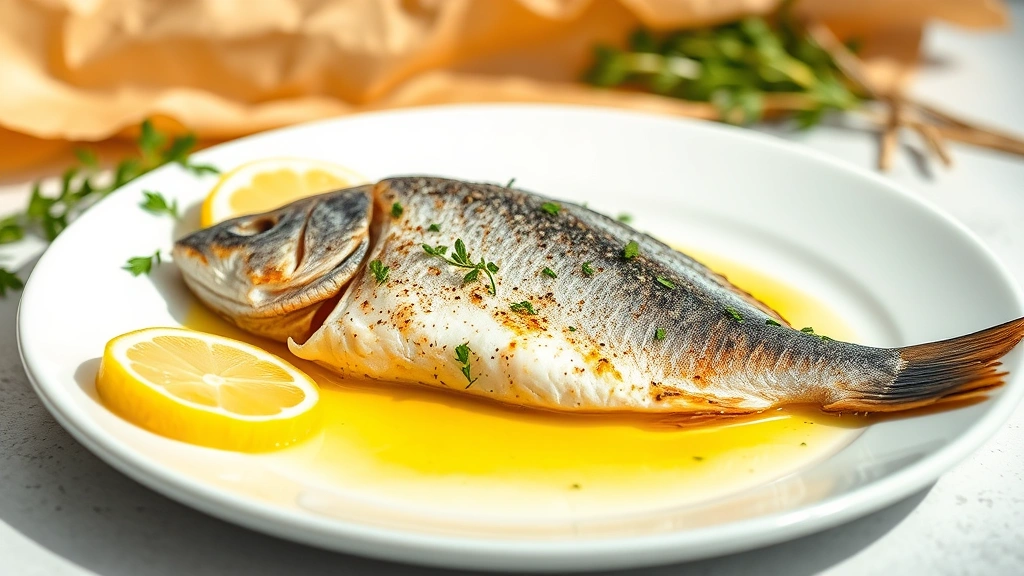
Baked dolphin fish is an elegant yet surprisingly simple dish that brings restaurant-quality seafood right to your kitchen table. Mahi-mahi, commonly called dolphin fish, is a delicate white fish with a mild, slightly sweet flavor that pairs beautifully with bright citrus, herbs, and butter. This baked preparation method ensures the fish stays incredibly moist while developing a delicate golden exterior.
What makes this recipe so special is its versatility and ease. Whether you’re planning an intimate dinner for two or entertaining guests, baked dolphin fish delivers impressive results without requiring advanced culinary skills. The fish cooks quickly—usually in just 12-15 minutes—making it perfect for weeknight dinners when you want something that feels restaurant-worthy but doesn’t demand hours in the kitchen.
The beauty of this preparation lies in its simplicity. We’re layering fresh lemon, aromatic herbs like dill and parsley, and sliced onions beneath and atop the fish fillets. A generous pat of butter ensures the fish stays succulent while infusing it with rich, savory flavor. The parchment paper method—en papillote—creates a steaming effect that gently cooks the fish to perfect doneness every time.
I love serving this alongside light, fresh sides. A best chickpea salad recipe adds protein and texture, while easy pickled red onion recipe provides a bright, tangy contrast. You might also consider pairing it with roasted asparagus, steamed baby potatoes, or a fresh green salad dressed with a light vinaigrette.
For those who love cream-based sauces, don’t overlook this fish with pasta. A best heavy cream alfredo sauce recipe can complement flaked baked dolphin beautifully over linguine. Or try it over delicious heavy cream pasta recipe for a luxurious preparation.
This recipe is naturally gluten-free and can easily be adapted for various dietary preferences. The cooking time remains consistent, and the technique is foolproof. Once you master this basic method, you’ll find yourself making it regularly—it’s that good and that easy. The parchment paper keeps cleanup minimal while creating an elegant presentation that will impress anyone at your table.
Ingredients
- 4 dolphin fish fillets, 6-7 ounces each, skin removed
- 4 tablespoons unsalted butter, divided
- 2 lemons, thinly sliced
- 1 medium yellow onion, thinly sliced
- 3 tablespoons fresh dill, finely chopped
- 3 tablespoons fresh parsley, finely chopped
- 4 cloves garlic, minced
- Sea salt to taste
- Fresh cracked black pepper to taste
- Parchment paper for baking
- Optional: capers, cherry tomatoes, or fresh thyme for garnish
Instructions
- Preheat your oven to 400°F. Line a large baking sheet with parchment paper, or prepare four individual pieces of parchment paper (approximately 12×16 inches each) for individual packets.
- Pat the dolphin fish fillets dry with paper towels. This is crucial for preventing excess moisture and ensuring proper cooking.
- If using individual parchment packets, fold each piece of parchment in half and then unfold it, creating a crease down the middle. This will serve as your guide for layering.
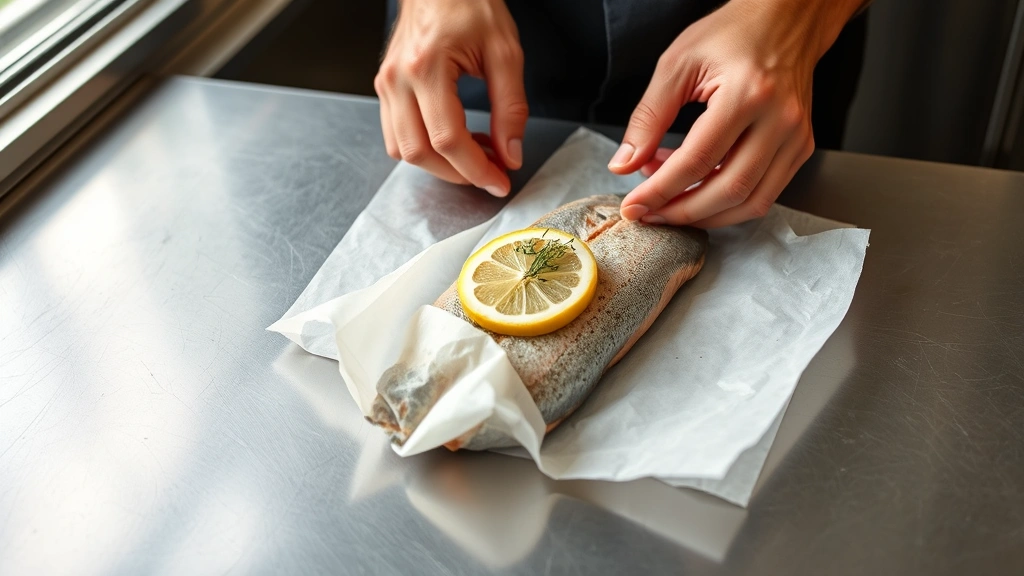
- On one half of each parchment sheet, create a bed by layering several lemon slices and onion slices. This creates flavor and prevents sticking.
- Season the dolphin fish fillets generously on both sides with sea salt and fresh cracked black pepper.
- Place one seasoned fillet on top of the lemon and onion bed on each parchment sheet.
- In a small bowl, combine the minced garlic, chopped fresh dill, and fresh parsley. Mix together gently.
- Divide the herb mixture evenly among the four fillets, sprinkling it over the top of each piece of fish.
- Top each fillet with additional lemon slices and a few more onion slices for layering and flavor.
- Cut the butter into small pats. Place one tablespoon of butter on top of each fillet, dividing it into small pieces so it distributes evenly.
- Fold the parchment paper over the fish, creating a packet. Seal the edges by folding them tightly, starting from one corner and working your way around, creating a tight seal.
- If using a single baking sheet instead of individual packets, arrange all four fillets on the lined sheet with proper spacing between them.
- Transfer the parchment packets or baking sheet to the preheated 400°F oven.
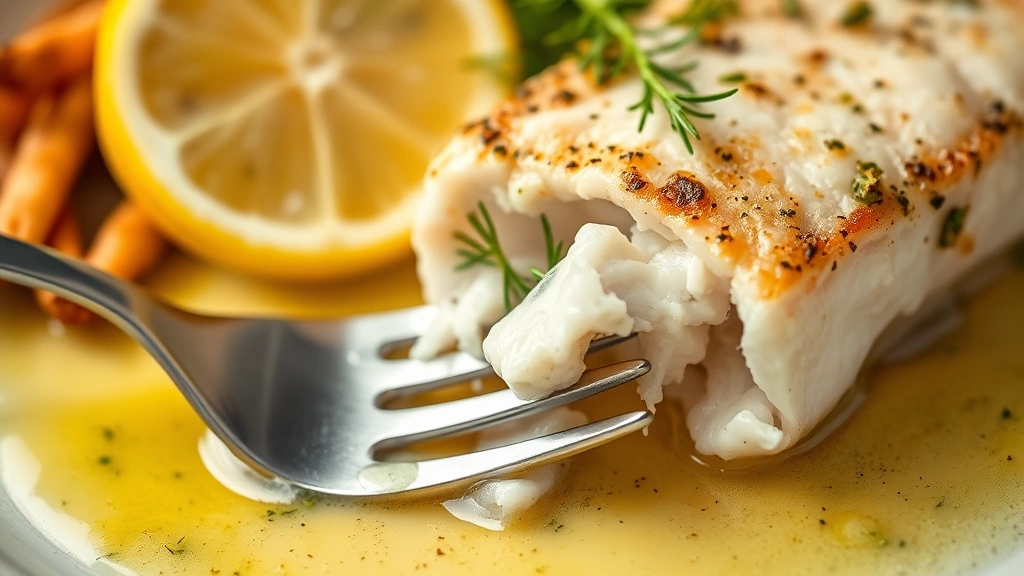
- Bake for 12-15 minutes. The fish is done when it flakes easily with a fork and the flesh is opaque throughout.
- Carefully remove the packets from the oven—steam will be hot, so exercise caution when opening. Let rest for 2 minutes before serving.
- Gently open each parchment packet, being careful of the hot steam. Transfer the fish and its contents to serving plates.
- Drizzle any pan juices over the fish and serve immediately while warm.
Pro Tips
o The parchment paper method, known as en papillote, is a classic French cooking technique that steams the fish gently in its own moisture. This keeps the flesh incredibly moist and tender while infusing it with all the flavors you’ve packed inside.
o Don’t skip patting the fish dry. Excess moisture on the surface can prevent proper seasoning absorption and create a less desirable texture.
o Fresh herbs make an enormous difference in this recipe. While dried herbs can substitute in a pinch, use one-third the amount as they’re more concentrated. Fresh dill and parsley are traditional choices, but basil, tarragon, or chives work beautifully too.
o The cooking time may vary slightly depending on fillet thickness. A meat thermometer should read 145°F when inserted into the thickest part of the fish.
o This recipe is wonderfully flexible for dietary modifications. Use ghee or olive oil instead of butter for different flavor profiles. Add capers, sun-dried tomatoes, or artichoke hearts to the packets for variation.
o Prep your ingredients ahead of time—slice lemons and onions, mince garlic, and chop herbs up to 4 hours in advance. Store in airtight containers until ready to cook.
o The parchment packets can be assembled up to 2 hours before baking. Cover and refrigerate until ready to cook. Add 2-3 minutes to baking time if cooking from cold.
o Pair this with white wines like Sauvignon Blanc, Pinot Grigio, or Chablis. The acidity complements the delicate fish beautifully.
o Leftovers can be flaked and added to salads, grain bowls, or used in fish tacos. Store in an airtight container for up to 3 days.