
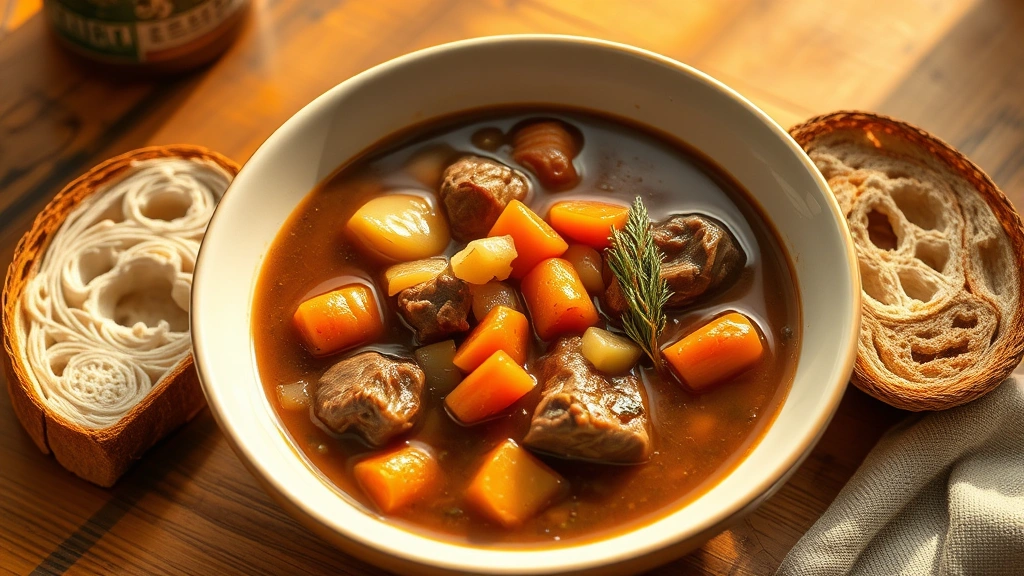
There’s something absolutely magical about a perfectly executed beef stew made in a Dutch oven. This classic comfort food has been bringing families together for generations, and for good reason. When you take quality beef, tender vegetables, and a rich, savory broth and let them simmer low and slow in cast iron, you get pure culinary bliss. The Dutch oven is truly the secret weapon here—its heavy construction ensures even heat distribution, allowing every ingredient to become incredibly tender while the flavors meld into something absolutely spectacular.
I’ve been making this beef stew recipe for years, and I’ve finally perfected the technique. The key is in the preparation and patience. You’ll want to start by searing your beef properly to develop that gorgeous brown crust, which locks in the juices and creates a depth of flavor that can’t be rushed. Then comes the aromatics—onions, garlic, and tomato paste—all building layers of umami that make this stew unforgettable. Just like with other classic recipes, the foundation matters tremendously.
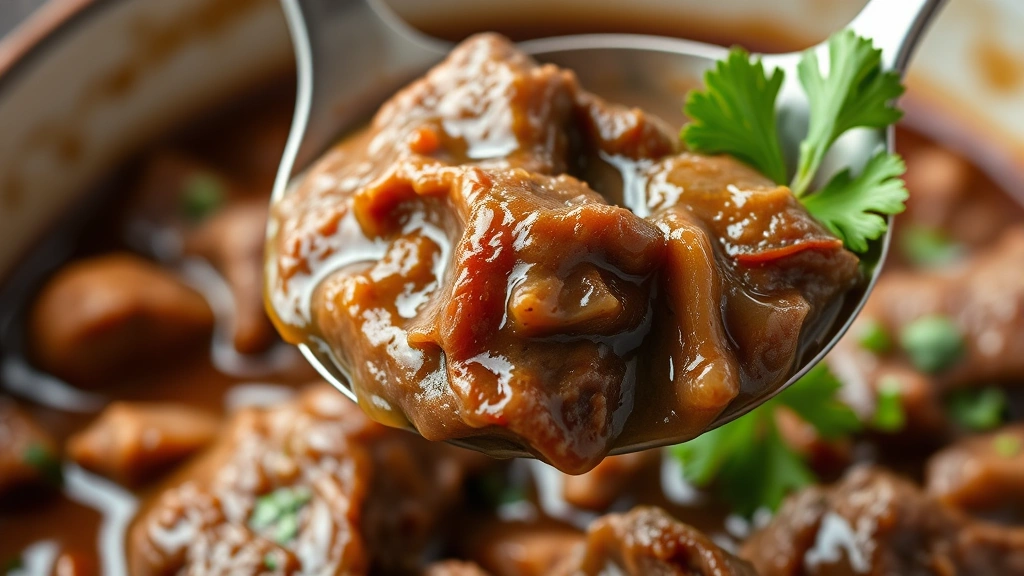
The vegetables are equally important. Carrots, potatoes, and celery aren’t just fillers—they’re flavor contributors and texture elements that make each spoonful interesting. I always cut them into generous chunks so they maintain their structure through the long cooking process. The beef itself becomes fork-tender, practically melting in your mouth, while the broth transforms into something rich and glossy from the gelatin released by the meat and bones.
What I love most about making beef stew in a Dutch oven is that it’s a one-pot wonder. Everything happens in that beautiful vessel, which means minimal cleanup and maximum flavor development. While we typically think of cream-based dishes for cozy dinners, this beef stew is equally comforting and perhaps even more satisfying.
This recipe serves a crowd beautifully and actually tastes better the next day when the flavors have had time to really settle in. I often make it ahead for dinner parties, which takes the stress out of entertaining. Serve it with crusty bread for soaking up that incredible broth, and you’ve got a meal that’ll have everyone asking for seconds. You could even pair it with a fresh salad like a chickpea situation to balance the richness. Trust me, once you master this recipe, it’ll become a staple in your cooking rotation.
For more detailed techniques on Dutch oven cooking, check out Serious Eats for their comprehensive guides. The New York Times Cooking section also has wonderful variations on classic stews. Bon Appétit offers creative takes on traditional comfort foods that might inspire your next dinner party.
Ingredients
- 3 pounds beef chuck roast, cut into 2-inch cubes
- 2 tablespoons olive oil, divided
- Salt and freshly ground black pepper to taste
- 3 tablespoons all-purpose flour
- 1 large yellow onion, diced
- 4 cloves garlic, minced
- 3 tablespoons tomato paste
- 2 cups beef broth
- 1 cup red wine (or additional beef broth)
- 2 tablespoons balsamic vinegar
- 2 teaspoons fresh thyme leaves (or 1 teaspoon dried)
- 2 bay leaves
- 1 pound carrots, cut into 1-inch pieces
- 1 pound potatoes, cut into 1-inch cubes
- 2 celery stalks, cut into 1-inch pieces
- 1 cup pearl onions, peeled
- 2 tablespoons fresh parsley, chopped (for garnish)
- Optional: 1 tablespoon cornstarch mixed with 2 tablespoons water for thickening
Instructions
- Pat the beef cubes completely dry with paper towels. This is crucial for proper browning and developing that beautiful crust. Moisture is the enemy of a good sear, so don’t skip this step.
- In a small bowl, combine the flour with 1 teaspoon salt and ½ teaspoon black pepper. Toss the beef cubes in this flour mixture until evenly coated, shaking off any excess.
- Preheat your Dutch oven over medium-high heat for about 2 minutes until it’s nice and hot. You want to hear a sizzle when the oil hits the pan.
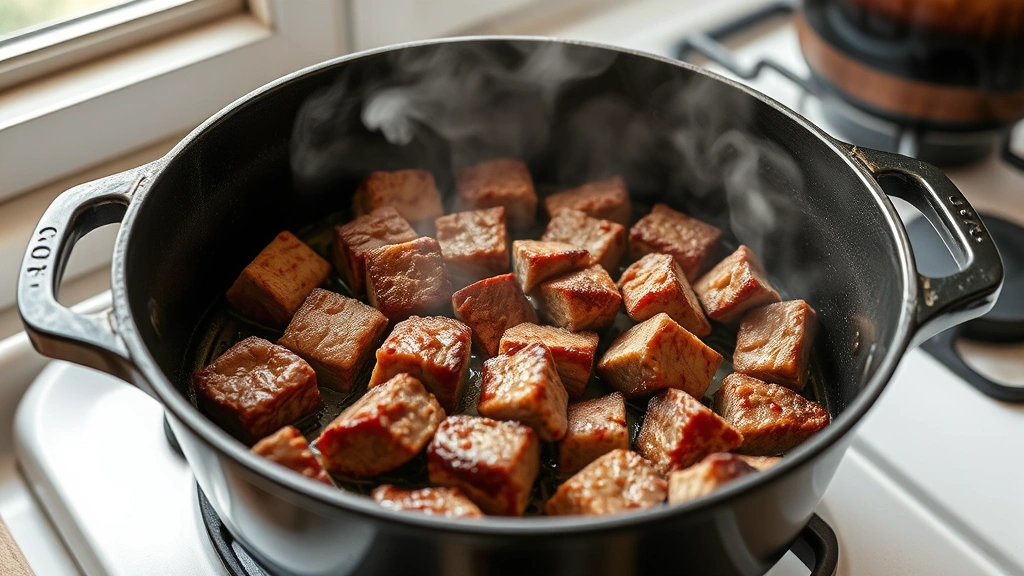
- Add 1 tablespoon of olive oil to the Dutch oven. Once it’s shimmering, carefully add half of the beef cubes in a single layer. Let them sit undisturbed for 3-4 minutes to develop that gorgeous golden-brown crust.
- Stir the beef and cook for another 2-3 minutes until browned on all sides. Transfer the seared beef to a plate and set aside.
- Repeat step 4 and 5 with the remaining tablespoon of oil and the rest of the beef cubes. Transfer to the plate with the first batch.
- Reduce heat to medium and add the diced onion to the Dutch oven. Scrape up all those beautiful browned bits from the bottom—this is pure flavor called fond. Cook the onions for about 4 minutes until they start to soften.
- Add the minced garlic and cook for 1 minute until fragrant, stirring constantly to prevent burning.
- Stir in the tomato paste and cook for 2 minutes, allowing it to caramelize slightly and deepen in color. This step adds incredible depth to your stew.
- Pour in the red wine, scraping the bottom of the Dutch oven to incorporate all the flavorful bits. Let it simmer for 2 minutes to reduce slightly and cook off some of the alcohol.
- Add the beef broth and balsamic vinegar, stirring well to combine. Return the seared beef to the Dutch oven along with any accumulated juices.
- Add the fresh thyme and bay leaves, stirring to distribute evenly. Bring the mixture to a gentle simmer.
- Reduce heat to low, cover the Dutch oven with its lid, and transfer to a preheated 325°F oven. Let it braise for 1 hour and 15 minutes.
- After 1 hour and 15 minutes, carefully remove the Dutch oven from the oven and stir. Add the carrots, potatoes, celery, and pearl onions. Stir well to combine.
- Return the covered Dutch oven to the oven and continue braising for another 1 hour to 1 hour and 15 minutes, until the beef is fork-tender and the vegetables are cooked through.
- Remove the Dutch oven from the oven and carefully lift the lid away from you to avoid steam burns. Check the consistency of the stew—if you prefer it thicker, mix the cornstarch slurry and stir it in, then let it simmer on the stovetop for 2-3 minutes.
- Remove and discard the bay leaves. Taste and adjust seasonings with additional salt and pepper as needed.
- Ladle the beef stew into bowls, garnish with fresh parsley, and serve immediately with crusty bread for soaking up that incredible broth.
Pro Tips
- Dutch oven selection matters tremendately. A 5.5 to 7-quart enameled cast iron Dutch oven is ideal for this recipe. The enamel coating prevents rust and doesn’t require seasoning like traditional cast iron.
- Don’t skip the searing step. This Maillard reaction creates complex flavors that make the stew taste restaurant-quality. The brief browning time is well worth the effort.
- You can substitute the red wine with additional beef broth if you prefer an alcohol-free version. The stew will be slightly less complex but still delicious.
- Make this stew up to 3 days ahead. Store it in an airtight container in the refrigerator. The flavors actually improve as it sits because the ingredients continue to meld. Simply reheat gently on the stovetop over medium heat, stirring occasionally.
- For freezing, let the stew cool completely, then transfer to freezer-safe containers. It will keep for up to 3 months. Thaw overnight in the refrigerator before reheating.
- The size of your vegetable cuts matters. Keeping them consistent ensures even cooking. Smaller pieces cook faster, so if you prefer very tender vegetables, cut them slightly smaller.
- Pearl onions can be tricky to peel. A helpful tip: blanch them in boiling water for 2 minutes, then transfer to an ice bath. The skins slip right off.
- If your stew seems too thin after cooking, you have a few options. You can simmer it uncovered on the stovetop for 10-15 minutes to reduce the liquid, or use the cornstarch slurry method mentioned in the instructions for a quicker fix.
- Fresh thyme really does make a difference, but dried thyme works if that’s what you have on hand. Just use half the amount since dried herbs are more concentrated.
- This recipe is endlessly customizable. Add mushrooms, swap out potatoes for parsnips, or include red potatoes instead of russet. Some people love adding Worcestershire sauce for extra umami depth.
- Serve with crusty bread, egg noodles, mashed potatoes, or polenta. Each pairing brings something different to the table.
- The stew is best served in shallow bowls rather than deep bowls, allowing better appreciation of the beautiful color and presentation.