
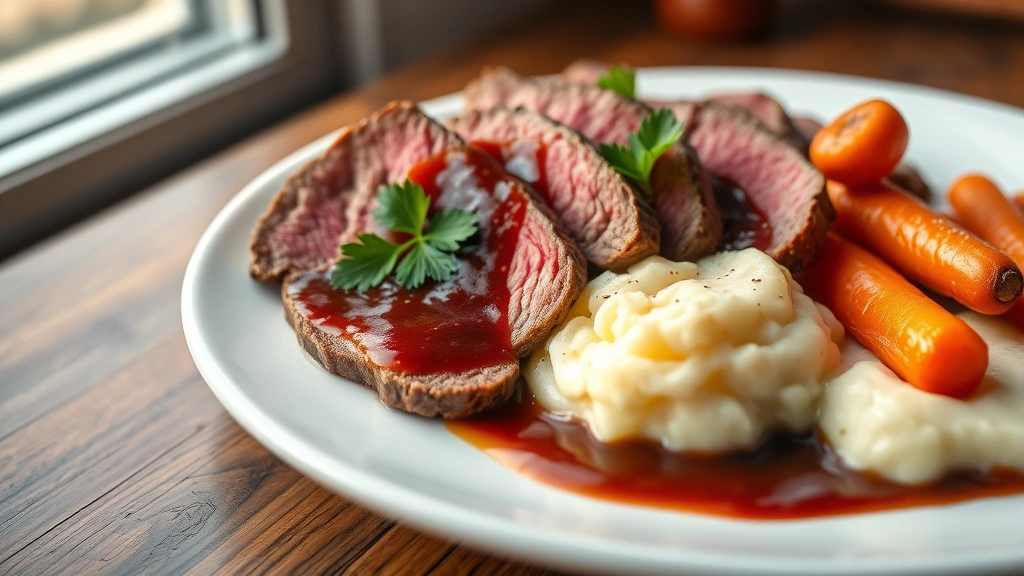
Beef tongue might sound intimidating, but trust me, once you master this recipe, you’ll understand why it’s been a beloved delicacy for centuries! This tender, succulent cut has the most incredible buttery texture when prepared properly, and the flavor is absolutely divine—rich, beefy, and incredibly satisfying.
The key to perfect beef tongue is low and slow cooking combined with proper preparation. Many home cooks shy away from this cut because they’re unsure how to handle it, but I’m here to walk you through every single step to ensure your beef tongue turns out absolutely restaurant-quality. The meat becomes melt-in-your-mouth tender, and the cooking liquid transforms into a luxurious sauce that’s perfect for serving alongside.
This recipe is perfect for special dinners, impressive dinner parties, or when you want to try something truly unique. Beef tongue pairs beautifully with classic sides—think creamy mashed potatoes, roasted root vegetables, or even a fresh chickpea salad for a lighter touch. I also love serving it with pickled red onions for a tangy contrast.
The preparation involves blanching, peeling, and slow braising until the meat is fork-tender. Don’t worry—the entire process is straightforward once you understand the technique. I’ll also share my secrets for infusing maximum flavor into every bite. Whether you’re cooking for adventurous eaters or want to expand your culinary horizons, this beef tongue recipe will absolutely impress. Check out this Serious Eats guide for additional beef cooking techniques, or explore Bon Appétit’s take on nose-to-tail cooking. For more detailed braising methods, New York Times Cooking offers excellent resources. You might also enjoy my quick bacon carbonara or creamy alfredo sauce for other impressive dinner options.
Ingredients
- 1 beef tongue (3-4 pounds), fresh or thawed
- 8 cups beef broth
- 2 cups red wine
- 1 large yellow onion, quartered
- 4 carrots, cut into 2-inch pieces
- 4 celery stalks, cut into 2-inch pieces
- 6 cloves garlic, smashed
- 3 bay leaves
- 4 sprigs fresh thyme
- 2 sprigs fresh rosemary
- 1 teaspoon black peppercorns
- 1 teaspoon sea salt, plus more to taste
- 2 tablespoons butter
- 2 tablespoons all-purpose flour
- 2 tablespoons Dijon mustard
- 1 tablespoon red wine vinegar
- Fresh parsley for garnish
- Fleur de sel for finishing
Instructions
- Remove the beef tongue from the refrigerator and rinse thoroughly under cold water, patting dry with paper towels.
- In a large pot, bring 10 cups of salted water to a rolling boil over high heat.
- Carefully add the beef tongue to the boiling water and blanch for 5 minutes—this helps loosen the outer skin.
- Remove the tongue with tongs and place on a cutting board. Allow it to cool until you can handle it comfortably, about 5-10 minutes.
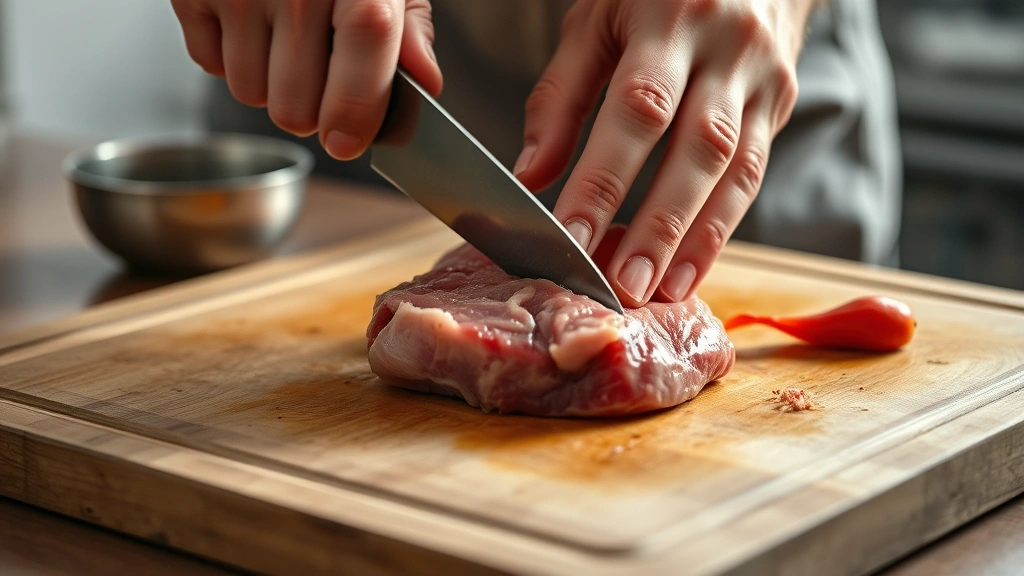
- Starting at the tip of the tongue, use a sharp knife to carefully peel away the outer white skin and connective tissue, discarding as you go. Work gently to avoid removing too much meat.
- Once fully peeled, rinse the tongue again under cool water and trim any remaining fat or tissue from the base.
- In a large Dutch oven or heavy-bottomed pot, combine the beef broth, red wine, onion, carrots, celery, garlic, bay leaves, thyme, rosemary, peppercorns, and 1 teaspoon sea salt.
- Bring the braising liquid to a simmer over medium-high heat, stirring occasionally.
- Place the peeled beef tongue into the simmering braising liquid—it should be mostly submerged.
- Reduce heat to low, cover partially with a lid, and braise for 2.5 to 3 hours, turning the tongue halfway through cooking.
- The tongue is ready when a fork pierces the thickest part with minimal resistance and the meat is very tender.
- Remove the tongue with tongs and place on a cutting board, reserving all the braising liquid in the pot.
- Strain the braising liquid through a fine-mesh sieve, discarding the vegetables and aromatics. Return the strained liquid to the pot.
- Over medium heat, melt the butter in a small saucepan and whisk in the flour to create a roux, cooking for 1-2 minutes while stirring constantly.
- Slowly whisk the roux into the simmering braising liquid, stirring constantly to avoid lumps, and cook for 2-3 minutes until the sauce thickens.
- Stir in the Dijon mustard and red wine vinegar, tasting and adjusting seasonings with salt and pepper as needed.
- Slice the beef tongue into ¼-inch thick slices, arranging them on a serving platter.
- Pour the rich sauce over the sliced tongue or serve alongside for dipping.
- Garnish generously with fresh parsley and a sprinkle of fleur de sel before serving.

Pro Tips
Peeling technique: This step is crucial for texture. The outer skin must be completely removed for the tender meat underneath to shine. Don’t rush this process; it takes patience but makes a huge difference in the final result.
Braising liquid: The combination of beef broth and red wine creates incredible depth of flavor. If you prefer a lighter dish, substitute the red wine with additional broth or dry white wine for a more delicate taste.
Cooking time: Beef tongue requires low-and-slow cooking to break down the connective tissue and become fork-tender. Cooking time can vary based on the size of the tongue, so check for tenderness rather than relying solely on time.
Make-ahead option: You can prepare the beef tongue up to 2 days in advance. Cool completely, slice, and store in an airtight container with the braising liquid. Reheat gently in a saucepan over low heat before serving.
Serving suggestions: This pairs beautifully with creamy mashed potatoes, crusty bread for soaking up sauce, or roasted root vegetables. The rich, savory flavors work well with acidic sides like pickled vegetables or fresh salads.
Leftovers: Shredded beef tongue makes an incredible sandwich filling when combined with the braising sauce and served on crusty bread. Store leftovers covered in the refrigerator for up to 4 days.
Wine pairing: Serve with a medium-bodied red wine like Pinot Noir or a lighter Cabernet Franc to complement the rich, beefy flavors without overwhelming the delicate texture of the tongue.