
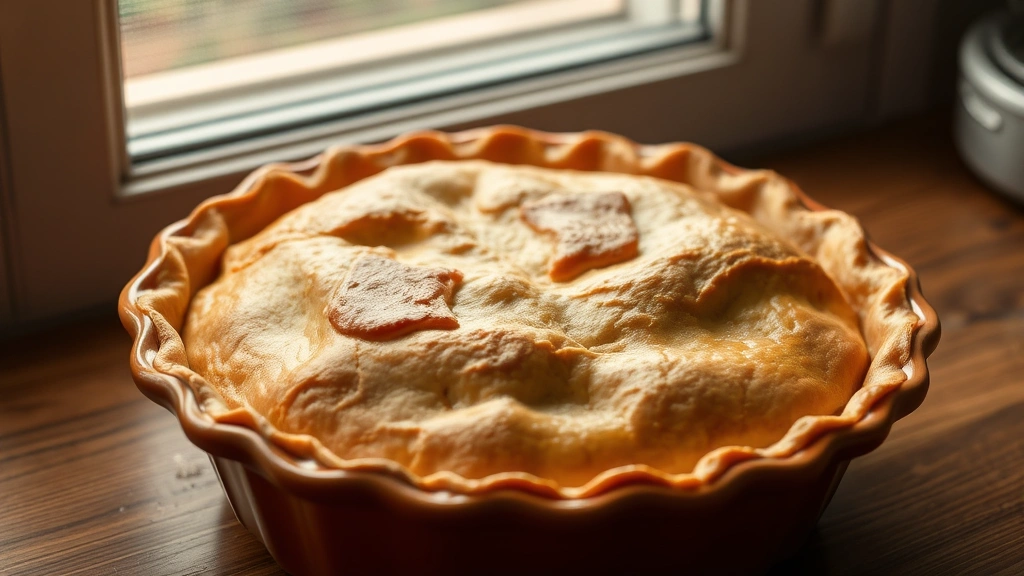
There’s something absolutely magical about making pie crust from scratch, and this Betty Crocker-inspired recipe is going to become your new go-to! This foolproof method produces the most tender, flaky crust that will have everyone asking for your secret. Whether you’re preparing a classic apple pie, a creamy custard masterpiece, or a savory quiche, this versatile dough works beautifully for any occasion.
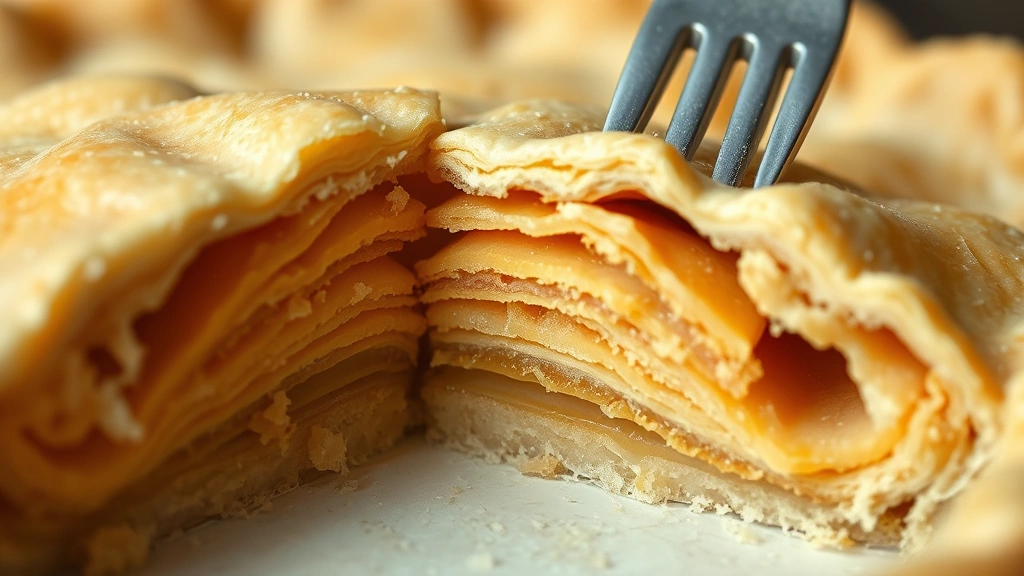
The beauty of this recipe lies in its simplicity and reliability. Betty Crocker perfected the art of pie crust by understanding that the key to flakiness is keeping your ingredients cold and handling the dough minimally. When you follow these steps carefully, you’ll achieve those gorgeous, golden layers that literally shatter when you bite into them. The combination of butter and shortening creates the ideal texture—the butter gives you that rich, delicious flavor while the shortening ensures maximum flakiness.
I absolutely love making this crust on weekends when I have a bit more time to dedicate to baking. There’s something so rewarding about pressing that perfectly chilled dough into your pie pan and knowing that you created something truly special from just a handful of basic ingredients. This recipe makes enough for one double-crust pie or two single-crust pies, giving you flexibility depending on your needs.
Once you master this crust, you’ll want to make it again and again. Pair it with a beautiful homemade filling or use it as the base for a savory creation like a garlic shrimp scampi quiche. The possibilities are truly endless when you have a reliable crust recipe in your back pocket!
For more detailed guidance on pastry techniques, Serious Eats has an excellent breakdown of pie dough science. You can also find wonderful inspiration on Bon Appétit’s pie crust collection for different variations. And for classic pie recipes to use with your crust, the New York Times has some timeless options.
Ingredients
- 2 1/2 cups all-purpose flour
- 1 teaspoon salt
- 1 tablespoon granulated sugar
- 1 cup (2 sticks) cold unsalted butter, cut into small cubes
- 1/2 cup cold vegetable shortening, cut into small pieces
- 6-8 tablespoons ice water (more as needed)
- 1 tablespoon white vinegar or lemon juice (optional but recommended)
- 1 egg yolk mixed with 1 tablespoon water for egg wash (optional)
Instructions
- In a large mixing bowl, whisk together the flour, salt, and sugar until well combined. This ensures the salt and sugar are evenly distributed throughout the dough.
- Add the cold butter cubes and shortening pieces to the flour mixture. Using a pastry cutter, two knives, or your fingertips, work the butter and shortening into the flour until the mixture resembles coarse breadcrumbs with some pea-sized pieces remaining. This texture is crucial for achieving flakiness.
- In a small bowl, whisk together the ice water and vinegar (or lemon juice) if using. The acid helps tenderize the dough slightly and enhances flavor.
- Sprinkle the ice water mixture over the flour mixture, one tablespoon at a time, gently tossing with a fork after each addition until the dough just begins to come together. Don’t overwork the dough—it should still look slightly shaggy.
- Divide the dough in half and shape each portion into a flat disk about 1/2 inch thick. Wrap each disk tightly in plastic wrap.
- Refrigerate the dough disks for at least 1 hour, or up to 2 days. This resting period allows the gluten to relax and helps the dough become even more flaky and easier to work with.
- Remove one dough disk from the refrigerator and let it sit at room temperature for 5-10 minutes to soften slightly, making it easier to roll without cracking.
- On a lightly floured surface or between two pieces of parchment paper, roll out the dough disk to about 1/8 inch thickness, working from the center outward. Try to maintain a circular shape approximately 11-12 inches in diameter.
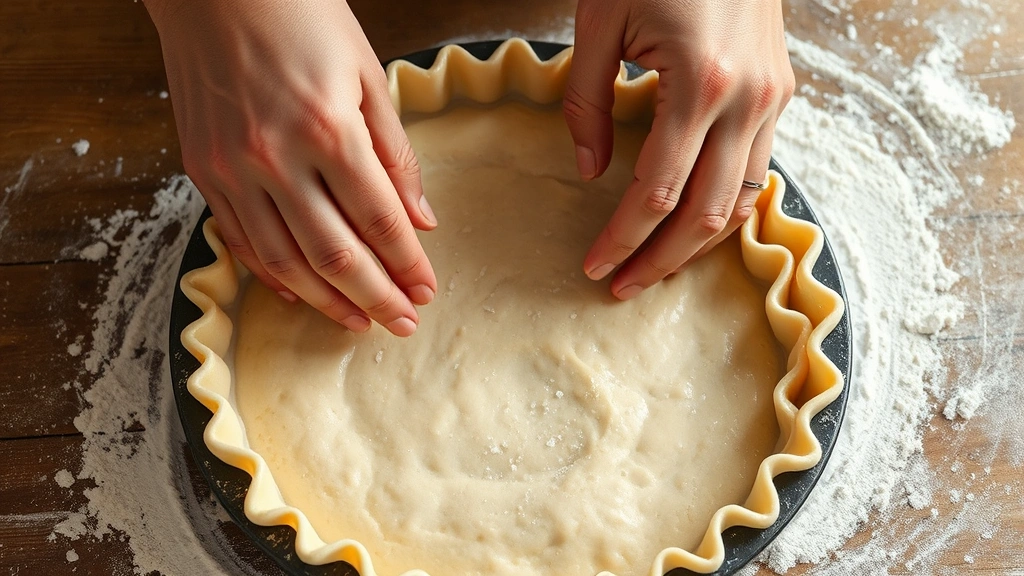
- Carefully transfer the rolled dough to your 9-inch pie pan, gently pressing it into the bottom and sides without stretching it too much. Trim the overhang to about 1 inch beyond the pan edge.
- If making a double-crust pie, roll out the second dough disk and set aside. If making a single-crust pie, fold the edge under and crimp decoratively with your fingers or a fork.
- For a double-crust pie, add your filling to the bottom crust, then carefully place the top crust over the filling. Trim both layers to 1 inch overhang, then fold the edges under and crimp decoratively.
- Brush the top crust with egg wash if desired for a beautiful golden appearance, and cut a few small vents to allow steam to escape during baking.
- Refrigerate the assembled pie for at least 30 minutes before baking—this helps prevent shrinkage and maintains the flakiness.
- Bake according to your specific pie recipe instructions, typically at 375-425°F until the crust is golden brown, about 40-60 minutes depending on your filling.
Pro Tips
Don’t skip the resting time. Allowing the dough to chill helps the gluten relax, which prevents shrinkage and makes the dough easier to handle and more flaky.
Handle the dough as little as possible once the water is added. Overworking develops gluten, which leads to a tough crust rather than a tender, flaky one.
If your dough cracks when rolling it out, simply patch the cracks with extra dough. These imperfections won’t affect the final result.
For a pre-baked or blind-baked crust, line your crust with parchment paper or foil and fill with pie weights or dried beans. Bake at 400°F for 12-15 minutes until lightly golden, then remove the weights and parchment before adding your filling.
You can make this dough up to two days ahead and store it wrapped in plastic in the refrigerator. You can also freeze it for up to three months—just thaw overnight in the refrigerator before using.
The vinegar or lemon juice is optional but highly recommended as it adds tenderness and a subtle flavor improvement without being noticeable in the final product.
If you find your dough is too warm or sticky while rolling, simply pop it back into the refrigerator for 15-20 minutes and start again.