
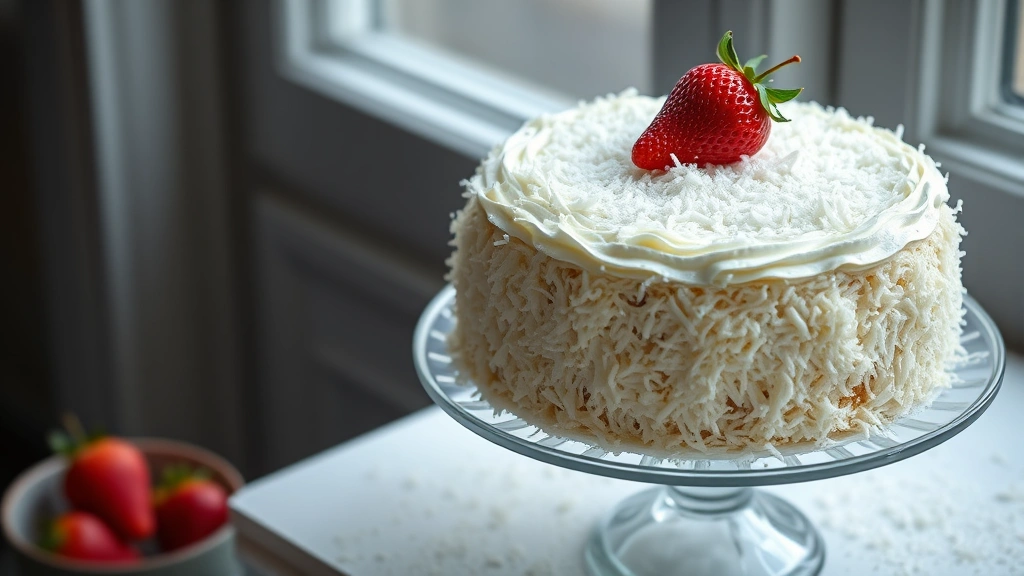
Chantilly cake is a stunning Southern classic that deserves a place at your dessert table. This elegant layer cake features tender vanilla sponge layers, fresh whipped cream frosting, and a delicate coconut coating that makes it absolutely irresistible. The beauty of this cake lies in its simplicity—it’s all about quality ingredients and proper technique.
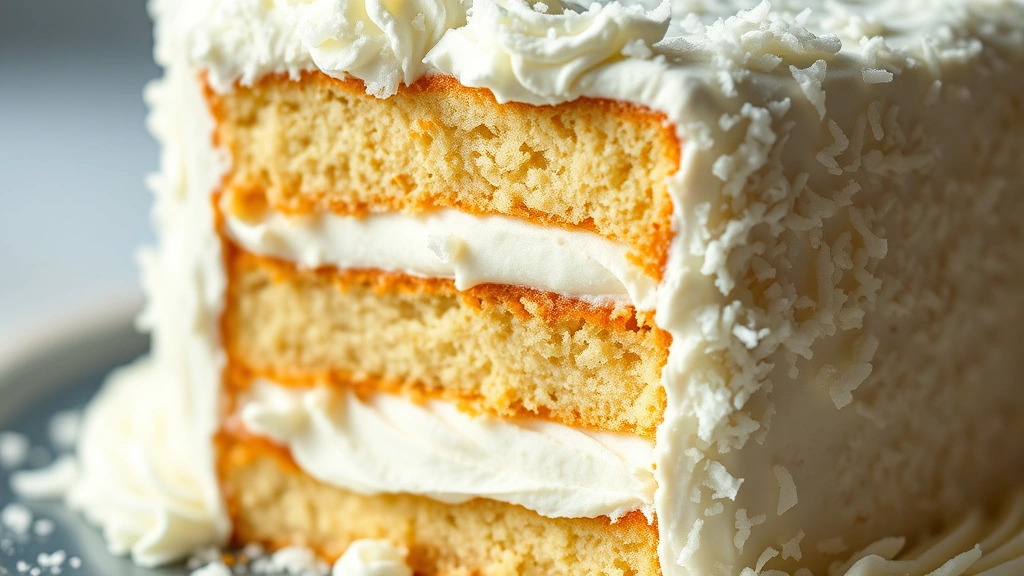
The cake itself is wonderfully light and fluffy, thanks to whipped egg whites that create an airy crumb. The Chantilly cream frosting is pure heaven: fresh whipped cream sweetened with just enough sugar and a touch of vanilla. Unlike buttercream frostings that can feel heavy, this frosting is delicate and lets the vanilla flavor shine through. The freshly grated coconut on the outside adds texture and that authentic bakery touch that makes this cake feel special.
What makes Chantilly cake truly special is how it celebrates fresh, simple ingredients. There’s no artificial flavoring here—just pure vanilla, fresh cream, and coconut. It’s the kind of cake that tastes like a bakery creation but is entirely manageable to make at home. Whether you’re celebrating a birthday, hosting a dinner party, or simply want to impress your family, this Chantilly cake recipe will deliver stunning results.
The key to success is keeping everything cold, using fresh cream, and not over-mixing the batter. Once you master this recipe, you’ll find yourself making it again and again. It’s a cake that feels fancy enough for special occasions but approachable enough for any home baker. The combination of light cake, whipped cream, and coconut is truly unbeatable, and your guests will be asking for the recipe!
If you love working with whipped cream, you might also enjoy exploring heavy cream sauce recipes for savory applications. For more classic cake recipes, check out our collection of beloved classics. You might also love this pickled red onion recipe for garnishing dessert platters. For additional cake inspiration, visit Bon Appétit’s layer cake collection and Serious Eats cake guide.
Ingredients
- 2 cups all-purpose flour
- 2 teaspoons baking powder
- 1/2 teaspoon salt
- 1/2 cup (1 stick) unsalted butter, softened
- 1 1/2 cups granulated sugar
- 5 large eggs, separated
- 1/2 cup whole milk
- 2 teaspoons vanilla extract
- 1/4 teaspoon cream of tartar
- 4 cups heavy whipping cream, cold
- 1/2 cup powdered sugar
- 2 teaspoons vanilla extract (for frosting)
- 3 cups freshly grated coconut (or high-quality unsweetened coconut)
- Fresh strawberries or other berries for garnish (optional)
Instructions
- Preheat your oven to 350°F (175°C). Grease and flour two 9-inch round cake pans, tapping out excess flour. You can also line the bottoms with parchment paper for easier removal.
- In a medium bowl, whisk together the all-purpose flour, baking powder, and salt. Set aside.
- In a large mixing bowl, cream together the softened butter and granulated sugar using an electric mixer on medium speed for 3-4 minutes until light and fluffy, scraping down the sides as needed.
- Add the egg yolks one at a time, beating well after each addition. Make sure each yolk is fully incorporated before adding the next.
- Alternate adding the flour mixture and milk to the butter mixture, beginning and ending with the flour mixture. Start with one-third of the flour, then half the milk, another third of the flour, the remaining milk, and finally the last third of flour. Beat on low speed until just combined after each addition.
- Stir in the 2 teaspoons of vanilla extract, mixing gently until fully incorporated.
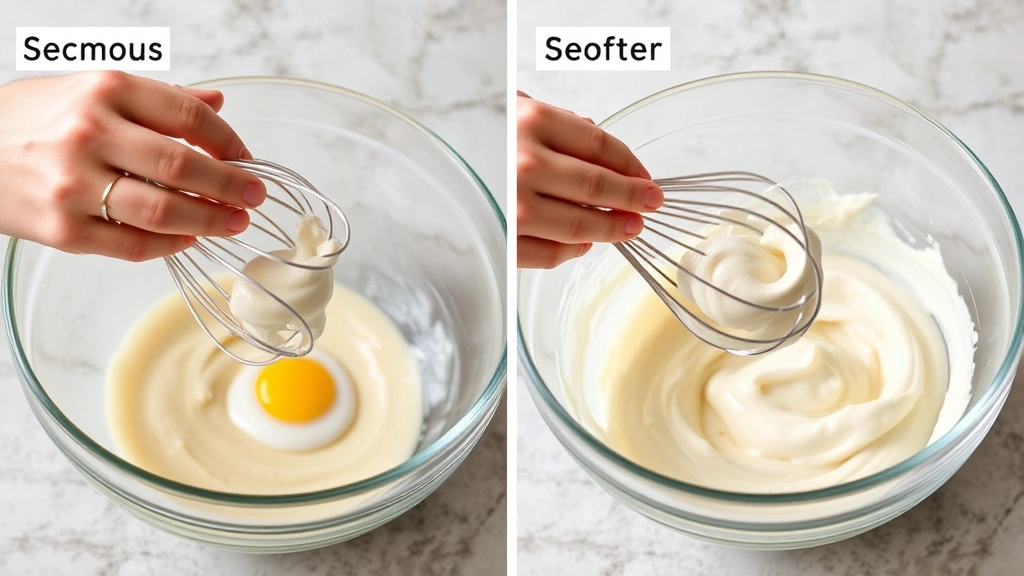
- In a separate, completely clean and dry bowl, beat the egg whites with the cream of tartar on high speed until stiff peaks form. This is crucial—any trace of yolk or oil will prevent proper whipping.
- Gently fold the whipped egg whites into the cake batter in two additions, being careful not to deflate them. Use a rubber spatula and fold gently until just combined. Some streaks of white are okay.
- Divide the batter evenly between the prepared pans and smooth the tops with a spatula.
- Bake for 22-25 minutes, or until a toothpick inserted in the center comes out clean or with just a few moist crumbs. The cakes should be golden brown and spring back when lightly touched.
- Remove the cakes from the oven and let cool in the pans for 10 minutes. Then turn them out onto wire cooling racks and allow them to cool completely to room temperature, about 1 hour.
- Once the cakes are completely cooled, prepare the Chantilly cream frosting. Pour the cold heavy whipping cream into a chilled bowl.
- Using an electric mixer on medium-high speed, whip the cream until soft peaks begin to form, about 1-2 minutes.
- Add the powdered sugar and 2 teaspoons of vanilla extract, continuing to beat until stiff peaks form. Don’t overbeat or you’ll end up with butter. Stop when you reach stiff peaks.
- Place one cake layer on your serving plate or cake board. If the top is domed, you can trim it slightly with a serrated knife for a level surface.
- Spread an even layer of Chantilly cream frosting on top of the first cake layer, about 1/2 to 3/4 inch thick.
- Carefully place the second cake layer on top, aligning the edges.
- Frost the top and sides of the entire cake with the remaining Chantilly cream, making it as smooth or rustic as you prefer.
- Working quickly before the frosting softens, press the freshly grated coconut onto the sides of the cake, covering the entire side surface. You can also top the cake with coconut if desired.
- Refrigerate the finished cake for at least 1 hour before serving. This helps the frosting set and makes slicing easier.
- Serve chilled, and enjoy each light, creamy, coconutty bite. Store any leftovers covered in the refrigerator for up to 2 days.
Pro Tips
Cream of tartar is essential: This ingredient stabilizes the egg whites and helps them hold their peaks longer. Don’t skip it, and make sure your mixing bowl is completely clean and dry—even a tiny bit of grease will prevent proper whipping.
Fold don’t stir: When combining the whipped egg whites with the batter, use a gentle folding motion with a rubber spatula. Stirring will deflate all those air bubbles you worked so hard to create.
Keep everything cold: Use cold cream straight from the refrigerator when making the frosting. You can even chill your mixing bowl and beaters for a few minutes before whipping the cream. This helps achieve stiff peaks more easily.
Fresh coconut is worth it: If possible, use freshly grated coconut rather than packaged. The flavor and texture are noticeably superior. Look for young coconuts at specialty markets or Asian grocery stores.
Level your cakes: If your cake layers dome in the center, trim them level with a serrated knife. This creates a more professional-looking finished cake and helps the layers stack evenly.
Timing is everything: This cake is best served the same day it’s made or the next day. The frosting will soften over time, and the cake will gradually absorb moisture. Plan to serve within 24 hours for the best texture.
Slicing tips: Use a long, thin knife dipped in hot water and wiped dry between each slice. This creates clean cuts through the delicate frosting.
Make-ahead option: You can bake the cake layers a day ahead and store them covered at room temperature. Make the frosting and assemble just a few hours before serving for the freshest taste.
Substitutions: If you can’t find cream of tartar, you can substitute with a small squeeze of lemon juice or white vinegar mixed into the egg whites. Use high-quality vanilla extract—this cake’s flavor really depends on it.