
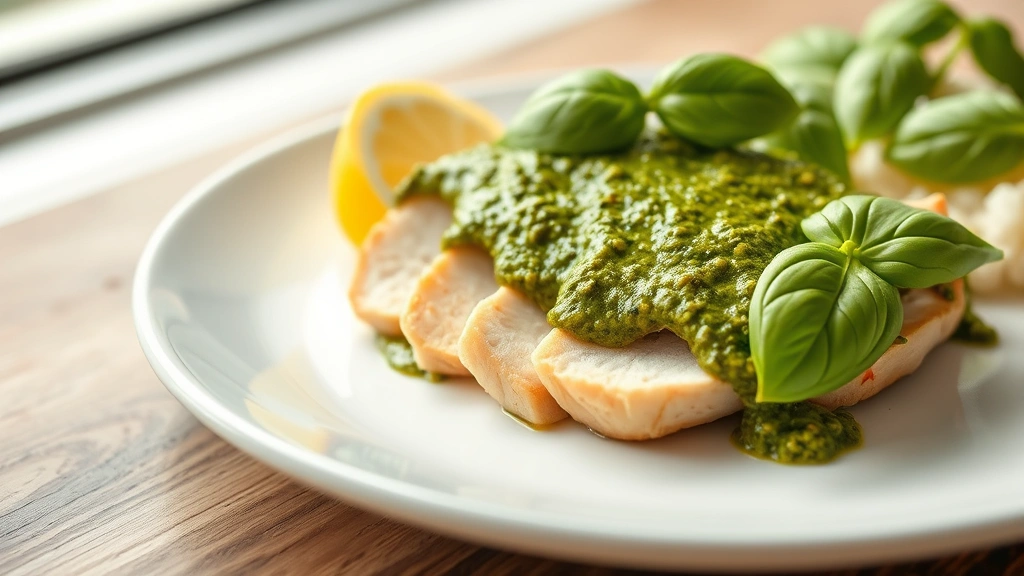
There’s something absolutely magical about chicken and pesto—it’s the kind of dish that feels elegant enough for company yet simple enough for a weeknight dinner. I’ve been making variations of this recipe for years, and I’m so excited to share my foolproof method with you today.
Pesto is one of those sauces that transforms everything it touches. The vibrant green color, the aromatic basil, the nutty pine nuts, and that sharp Parmesan create a symphony of flavors that pairs beautifully with tender, juicy chicken. This recipe celebrates those classic Italian flavors while keeping things approachable and delicious.
What I love most about this dish is its versatility. You can serve it over pasta for a complete meal, pair it with roasted vegetables, or even use it in sandwiches the next day. The pesto can be made ahead, the chicken cooks quickly, and the whole process comes together in about 30 minutes. It’s perfect for meal prep, dinner parties, or those nights when you want something special but don’t have hours to spend in the kitchen.
I always recommend making your own pesto if you have the time—there’s truly no comparison to store-bought versions. However, I won’t judge you for using jarred pesto on busy nights! The key to success is using good quality ingredients, not overcooking the chicken, and tasting as you go.
Let me walk you through my technique for creating the perfect chicken and pesto dish. I’ve tested this recipe dozens of times, and I’m confident you’ll have fantastic results. Whether you’re a seasoned home cook or just starting your culinary journey, this recipe will become a staple in your rotation. Check out my Best Heavy Cream Alfredo Sauce Recipe for another creamy pasta option, or explore my Quick Tasty Bacon Carbonara Recipe for more Italian-inspired dishes.
For additional inspiration on sauce-based chicken dishes, I recommend checking out this helpful guide on Bon Appétit’s chicken with pesto and this detailed technique article on Serious Eats’ pesto fundamentals. For more creative serving suggestions, you might also enjoy this New York Times chicken with pesto recipe.
Ingredients
- 2 boneless, skinless chicken breasts (about 8 ounces each), pounded to even thickness
- 1 cup fresh basil leaves, loosely packed
- 1/3 cup toasted pine nuts
- 1/2 cup freshly grated Parmesan cheese
- 3 garlic cloves, minced
- 1/2 cup extra virgin olive oil, divided
- 2 tablespoons fresh lemon juice
- Salt and freshly ground black pepper to taste
- 2 tablespoons butter
- 1/4 teaspoon red pepper flakes (optional)
- Fresh basil leaves for garnish
- Lemon wedges for serving
- 1 pound pasta of choice (optional)
- 2 tablespoons reserved pasta water (if using pasta)
Instructions
- Make the pesto by adding fresh basil, toasted pine nuts, minced garlic, and salt to a food processor. Pulse until roughly combined, about 5-8 pulses.
- Add the grated Parmesan cheese and pulse again, 3-4 times, until just combined. Do not overprocess—you want some texture.
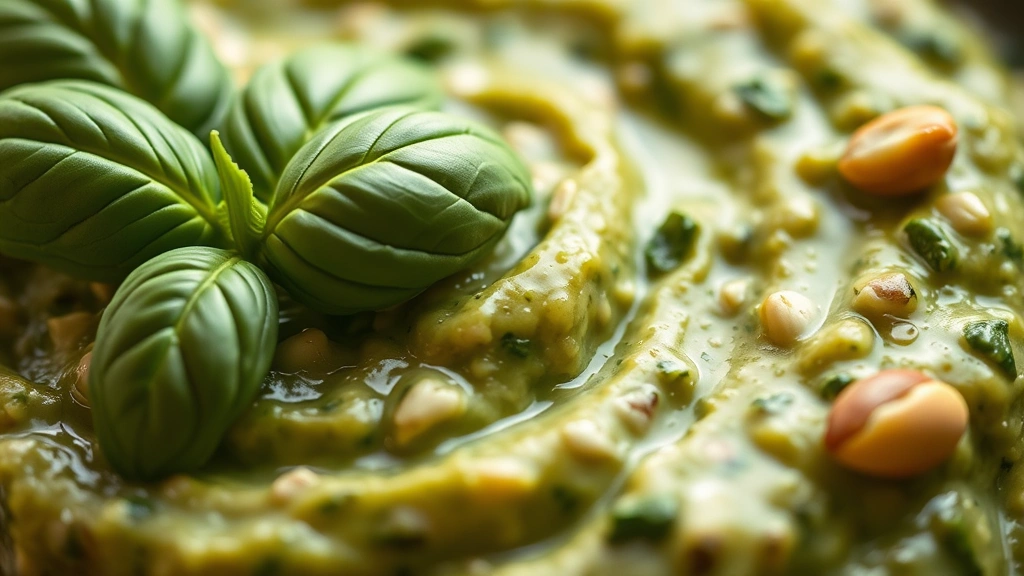
- With the food processor running on low speed, slowly drizzle in 1/3 cup of extra virgin olive oil until the pesto reaches your desired consistency. It should be creamy but still have some texture.
- Add the fresh lemon juice, a pinch of salt, and freshly ground black pepper. Taste and adjust seasonings as needed. Set aside.
- Pat the chicken breasts dry with paper towels. This step is crucial for achieving a golden, crispy exterior.
- Season both sides of the chicken breasts generously with salt and freshly ground black pepper.
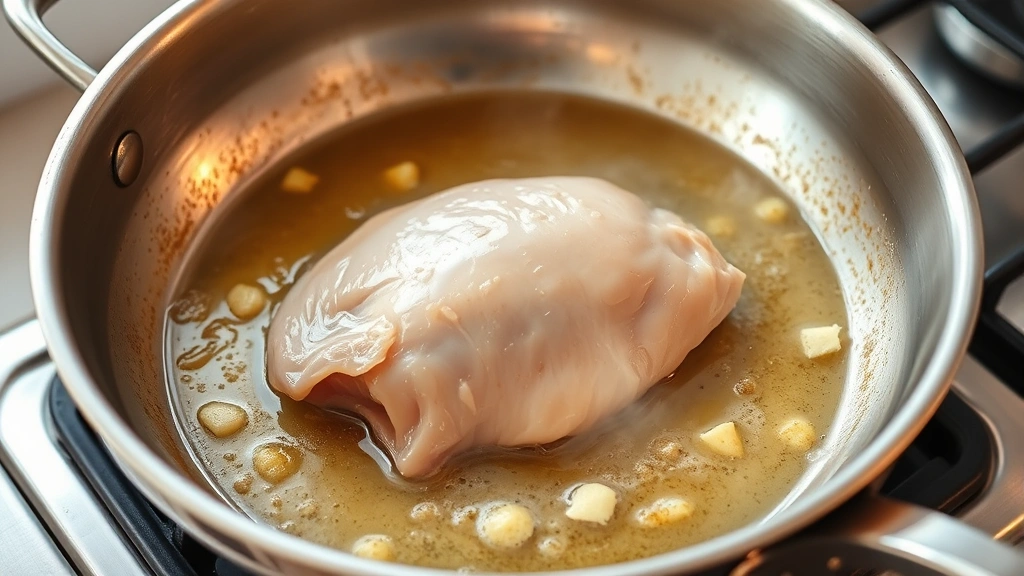
- Heat a large skillet over medium-high heat. Add 1 tablespoon of butter and the remaining 2 tablespoons of olive oil.
- Once the butter is foaming and the oil is shimmering, carefully place the chicken breasts in the skillet.
- Cook without moving for 6-7 minutes until the bottom is golden brown and releases easily from the pan.
- Flip the chicken and cook for another 6-7 minutes until the second side is golden and the internal temperature reaches 165°F when measured with an instant-read thermometer at the thickest part.
- Transfer the cooked chicken to a cutting board and let rest for 3-5 minutes. This allows the juices to redistribute throughout the meat.
- While the chicken rests, if using pasta, cook according to package directions in salted boiling water. Reserve 2 tablespoons of pasta water before draining.
- If making pasta, return the cooked pasta to the pot and gently stir in the pesto, adding reserved pasta water as needed to create a silky sauce. Add the remaining tablespoon of butter for extra richness.
- Slice the rested chicken breasts on a slight diagonal into strips about 1/2-inch thick.
- Divide the pasta among serving bowls and top with sliced chicken. If not using pasta, simply plate the chicken and spoon pesto over the top.
- Drizzle any pan juices over the chicken and garnish with fresh basil leaves, a crack of black pepper, and red pepper flakes if desired.
- Serve immediately with lemon wedges on the side for extra brightness and acidity.
Pro Tips
Making pesto from scratch is easier than you might think. Use a food processor rather than a blender for better texture control. Pulse gently—overprocessing creates a muddy, oxidized pesto instead of a vibrant green sauce.
If you cannot find pine nuts, you can substitute with walnuts, almonds, or even sunflower seeds. Each will give a slightly different flavor profile, but all are delicious.
Fresh basil is non-negotiable for the best flavor. If basil is out of season or unavailable, frozen pesto cubes work in a pinch, though the flavor won’t be quite as bright.
CHICKEN COOKING TIPS
Pounding the chicken to even thickness ensures that it cooks uniformly. Use a meat mallet or the bottom of a heavy skillet to gently pound until about 3/4-inch thick.
Don’t skip the resting period after cooking. It makes a significant difference in the final texture and juiciness of the chicken.
The internal temperature should reach exactly 165°F. Use an instant-read thermometer for accuracy—overcooked chicken becomes dry and tough.
For best results, pat the chicken completely dry before seasoning. Moisture on the surface prevents browning and creates steam instead of a golden crust.
VARIATION IDEAS
Try adding sun-dried tomatoes to the pesto for extra depth and sweetness. You can also incorporate roasted red peppers for a different flavor dimension.
For a lighter version, use Greek yogurt mixed with pesto as a sauce instead of serving it over pasta.
Add grilled vegetables like zucchini, bell peppers, or eggplant alongside the chicken for a complete meal.
Serve the chicken cold the next day over a bed of fresh greens with chickpeas or pickled red onions for a delicious salad.
STORAGE AND MAKE-AHEAD
Pesto can be made up to 3 days ahead and stored in an airtight container in the refrigerator. To prevent browning, press plastic wrap directly onto the surface of the pesto or cover it with a thin layer of olive oil.
Leftover cooked chicken can be stored in the refrigerator for up to 4 days. Use it in sandwiches, salads, or grain bowls.
Pesto freezes beautifully for up to 3 months when stored in ice cube trays. Pop out a cube whenever you need a quick sauce.
PASTASELECTION
Short pasta shapes like penne, rigatoni, or farfalle work beautifully because the pesto clings to the ridges. Linguine and fettuccine are also excellent choices.
Whole wheat pasta adds a nuttier flavor and more fiber, while fresh pasta creates a more delicate dish.
Try heavy cream pasta for a richer variation by stirring a splash of cream into the pesto before tossing with the noodles.