
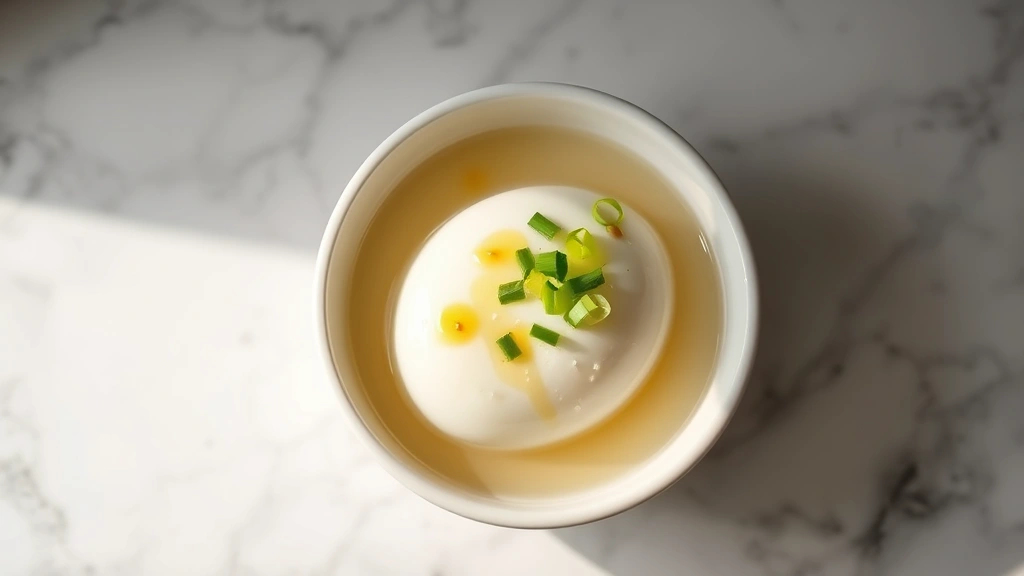
Chinese steamed water egg, or kai wan (蛋羹), is one of the most beloved comfort dishes in Chinese cuisine. This delicate, silky custard-like preparation is incredibly simple yet requires a gentle touch and understanding of heat control to achieve that perfect texture. The beauty of this dish lies in its minimalism—just eggs, water or broth, and a few aromatics create something truly magical.
This traditional recipe has been passed down through generations of Chinese home cooks, and it’s often one of the first dishes children learn to make. It’s commonly served as part of dim sum breakfast, as a light lunch, or as a comforting side dish alongside steamed rice and stir-fried vegetables. The key to mastering this dish is understanding the science behind egg protein coagulation and how steam transforms humble ingredients into something elegant and luxurious.
What makes kai wan so special is its versatility. While the classic version is simple and pure, you can easily customize it with ingredients like premium proteins and aromatics, Chinese ham, shiitake mushrooms, or fresh herbs. The silky texture comes from the perfect ratio of eggs to liquid and the gentle steaming method that prevents overcooking.
According to Serious Eats, understanding the science of egg cookery is essential for perfecting dishes like this. The proteins in eggs begin to set at around 140°F, but by 158°F they become rubbery and watery. This is why low, gentle heat is absolutely crucial. Many home cooks make the mistake of using too-high heat, resulting in a pockmarked, rubbery texture instead of the desired silky, custard-like consistency.
The traditional method involves beating eggs gently with water or broth, straining the mixture to remove air bubbles (which is the secret to achieving that smooth, velvety texture), and then steaming at a low temperature. Some cooks use a water bath method, while others use a bamboo steamer lined with parchment paper. The choice depends on your equipment and personal preference, but both methods yield excellent results when done correctly.
This recipe is perfect for beginners because it teaches fundamental cooking techniques: proper egg beating, understanding protein coagulation, and mastering steam cooking. Once you’ve perfected the basic version, you’ll find yourself making it regularly. It’s also incredibly budget-friendly, making it perfect for weeknight dinners or meal prep. You can make this dish in about 15-20 minutes from start to finish, making it ideal for busy weeknights when you want something nutritious and delicious without spending hours in the kitchen.
The beauty of Chinese steamed water egg is that it’s not just delicious—it’s also a testament to the elegance of Chinese cooking philosophy. Rather than masking ingredients with heavy sauces or complex techniques, this dish lets the quality of the eggs and the subtlety of the preparation shine through. As you’ll see in this New York Times cooking guide, simple dishes often require the most precision and skill to execute properly.
Whether you’re exploring Asian cuisine for the first time or you’re a seasoned cook looking to perfect your technique, this Chinese steamed water egg recipe will become a staple in your kitchen. The combination of simplicity and elegance, paired with its nutritional benefits and quick cooking time, makes it a dish you’ll return to again and again.
Ingredients
- 3 large eggs, room temperature
- 3/4 cup water or chicken broth (or 1:1 ratio with eggs)
- 1/2 teaspoon sesame oil
- 1/2 teaspoon soy sauce
- 1/4 teaspoon white pepper
- 1/4 teaspoon salt, plus more to taste
- 2 green onions (scallions), finely sliced
- 1 tablespoon Chinese ham or bacon, finely diced (optional)
- 2-3 dried shiitake mushrooms, rehydrated and diced (optional)
- 1 teaspoon ginger, minced (optional)
- Fresh cilantro for garnish (optional)
Instructions
- Bring water to a boil in a steamer pot or wok with a steaming rack. If using a bamboo steamer, soak it in water for 15 minutes before use. Line the steamer with parchment paper to prevent sticking.
- While water heats, crack eggs into a large mixing bowl and beat gently with a fork or whisk until well combined but not frothy. Avoid incorporating too much air, as this creates bubbles that will mar the smooth surface.
- Add the water or broth to the beaten eggs slowly while stirring gently in one direction. Add sesame oil, soy sauce, white pepper, and salt. Stir until fully incorporated and the mixture is smooth and uniform.
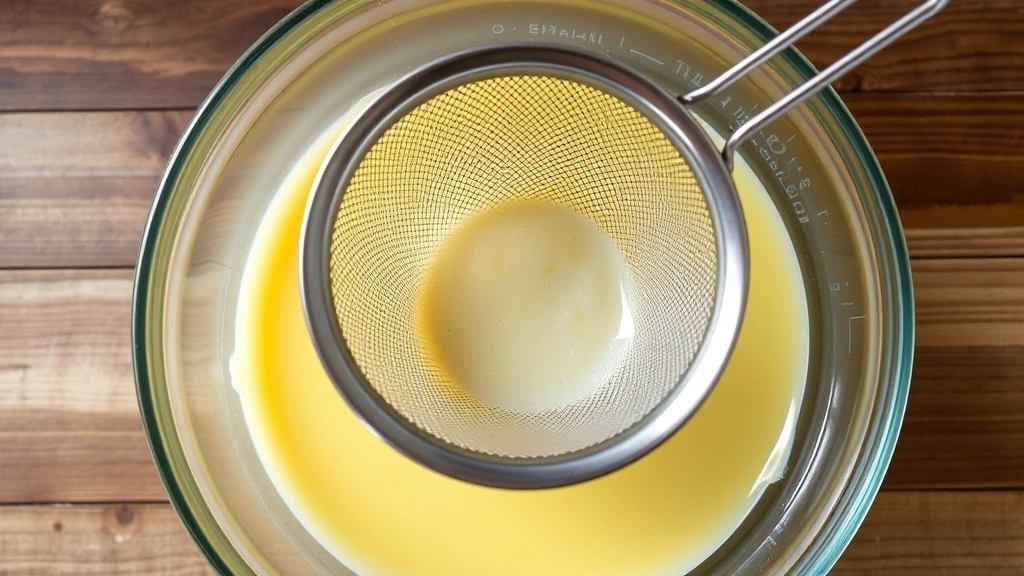
- Pour the egg mixture through a fine mesh strainer into a clean bowl, pressing gently with the back of a spoon. This step is crucial for removing air bubbles and achieving the silky texture. Discard any foam that accumulates on top.
- If using optional ingredients like mushrooms, ham, or ginger, divide them evenly among your steaming bowls or custard cups before adding the egg mixture.
- Carefully pour the strained egg mixture into heat-safe bowls or a shallow steaming dish, filling each about three-quarters full. Leave some space at the top as the eggs will slightly rise during cooking.
- Place the bowls on the steaming rack, ensuring they’re level. Cover the steamer with a lid, leaving a small gap (about 1/4 inch) to allow excess steam to escape. This prevents condensation from dripping back into the eggs and creating a watery texture.
- Steam over medium heat for 12-15 minutes, depending on the thickness of your dish and your steamer’s intensity. The eggs are done when the mixture is set but still slightly jiggly in the very center—it should wobble slightly when you gently shake the bowl.
- Remove from heat using tongs or oven mitts, as the bowls will be very hot. Allow to cool for 1-2 minutes before serving.
- Garnish with sliced green onions, a drizzle of sesame oil, and fresh cilantro if desired. Serve warm with steamed rice, soy sauce on the side, and your favorite stir-fried vegetables like fresh greens.
Pro Tips
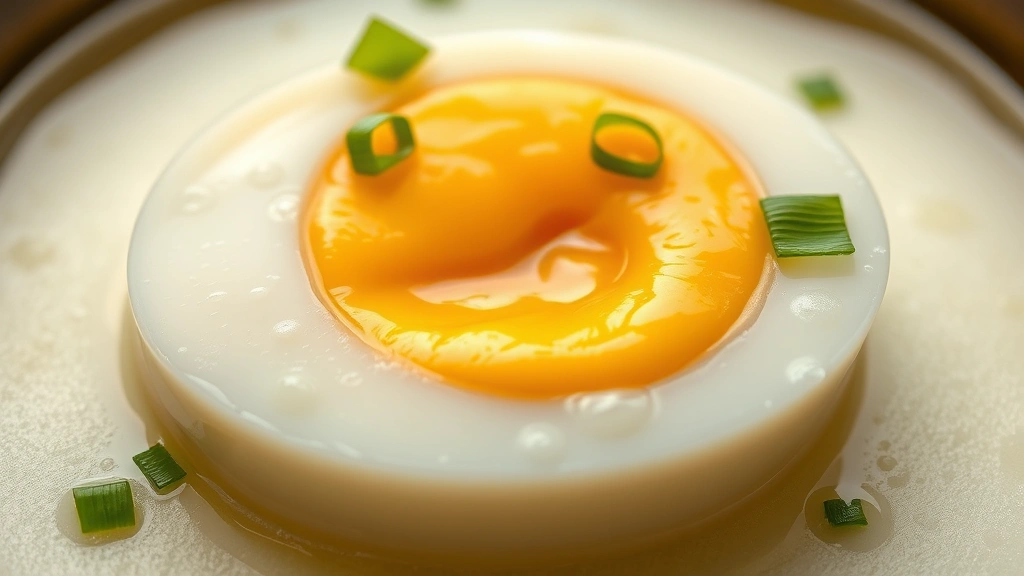
The Straining Step: Do not skip straining the egg mixture. This removes air bubbles that would otherwise create pockmarks on the surface and prevent you from achieving that coveted silky, custard-like texture. Patience in this step pays dividends in the final result.
Water-to-Egg Ratio: The classic ratio is 1 part egg to 1 part liquid by volume. If you prefer a firmer texture, use slightly less water. For a silkier, more custardy result, use a bit more water. Experiment to find your preference.
Cook Time Variation: Cooking time depends on several factors including the depth of your dish, the intensity of your steamer, and your altitude. Thinner, wider dishes cook faster than deeper, narrower ones. Start checking at 12 minutes and continue steaming until the center is just barely set but still slightly jiggly.
Lid Gap: Leaving a small gap under the lid is essential. This allows excess moisture to escape, preventing condensation from dripping back into the eggs and creating that undesirable watery layer on top. Some cooks use a chopstick wedged under the lid to maintain the gap.
Customization Ideas: While the basic version is beautiful on its own, you can easily customize this dish. Try adding diced shrimp, crab, or cooked chicken for protein. Chinese sausage (lap cheong), preserved vegetables, or fresh mushrooms work wonderfully. You can also use different broths—seafood broth adds wonderful depth.
Make-Ahead: You can prepare the strained egg mixture several hours ahead and refrigerate it in a covered container. Bring it back to room temperature (about 10 minutes) before steaming, or add a minute or two to the cooking time if steaming from cold.
Serving Suggestions: Serve this alongside rice dishes and stir-fried vegetables for a complete meal. It’s also excellent as part of a dim sum spread or breakfast. The silky texture pairs beautifully with crispy elements like fried shallots or toasted breadcrumbs.
Storage: Leftover steamed water egg can be refrigerated for up to 3 days in an airtight container. Reheat gently by steaming for 3-4 minutes until warmed through. Do not microwave, as this can cause the texture to become rubbery. For information on other classic cooking techniques, check out this Bon Appétit resource.
Troubleshooting: If your egg turns out rubbery with visible holes, you likely used too-high heat or steamed too long. If it’s too soft and doesn’t set, use medium heat next time or add slightly more cooking time. If condensation drips into it, remember to leave that gap under the lid. Like mastering any technique, practice makes perfect.