
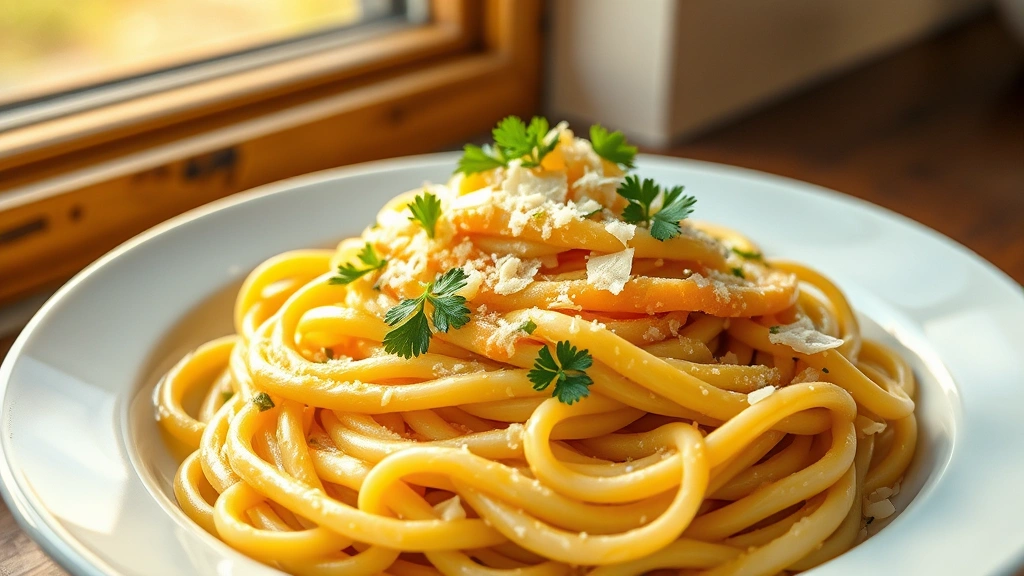
There’s nothing quite like twirling a fork through silky, luxurious pasta coated in the perfect creamy sauce. Whether you’re cooking for a weeknight dinner or impressing guests at your table, mastering creamy pasta sauce is an absolute game-changer in the kitchen. The beauty of a great creamy pasta sauce lies in its simplicity—just a handful of quality ingredients transform into pure comfort on a plate.
I’ve spent years perfecting my creamy pasta sauce technique, and today I’m thrilled to share my foolproof method with you. This isn’t just any cream sauce; it’s the foundation for countless Italian-inspired dishes that’ll have your family asking for seconds. The secret isn’t complicated—it’s all about understanding how cream, butter, and cheese work together in perfect harmony.
What makes this recipe truly special is its versatility. You can serve it over your favorite pasta shape, top it with rotisserie chicken for a homemade chicken alfredo, or even use it as a base for more elaborate dishes. I love pairing mine with fresh vegetables, quality proteins, or keeping it elegantly simple with just pasta and Parmigiano-Reggiano.
The technique I’m sharing today is something I learned from years of cooking and testing. It ensures your sauce stays creamy and doesn’t break, which is honestly the biggest concern when working with cream-based sauces. Temperature control and timing are everything, and once you master these fundamentals, you’ll be making this sauce on repeat.
If you’re new to making creamy sauces, don’t worry—this recipe is incredibly forgiving and beginner-friendly. By the end of this post, you’ll have the confidence to create restaurant-quality pasta dishes right in your own kitchen. Let’s dive into how to make the perfect creamy pasta sauce that’ll become your new go-to recipe!
For more inspiration on cream-based pasta, check out this delicious heavy cream pasta recipe or this best heavy cream alfredo sauce. And if you’re looking to round out your meal, a pickled red onion or chickpea salad makes a wonderful side.
For additional guidance on sauce techniques, I recommend checking out Serious Eats’ creamy sauce guide, New York Times’ classic recipes, and Bon Appétit’s creamy tomato pasta for different variations on this theme.
Ingredients
- 4 tablespoons unsalted butter
- 4 cloves fresh garlic, minced
- 2 cups heavy cream, room temperature
- 1 cup whole milk, room temperature
- 1 cup freshly grated Parmigiano-Reggiano cheese
- 1/2 cup freshly grated Pecorino Romano cheese
- 1/2 teaspoon fine sea salt
- 1/4 teaspoon freshly ground black pepper
- 1/4 teaspoon fresh nutmeg, grated
- Pinch of red pepper flakes, optional
- 1 pound pasta of choice, cooked until al dente
- 2 tablespoons fresh Italian parsley, chopped for garnish
- Zest of 1 fresh lemon
Instructions
- Bring your cream and milk to room temperature before starting—this is crucial for preventing the sauce from breaking or becoming grainy.
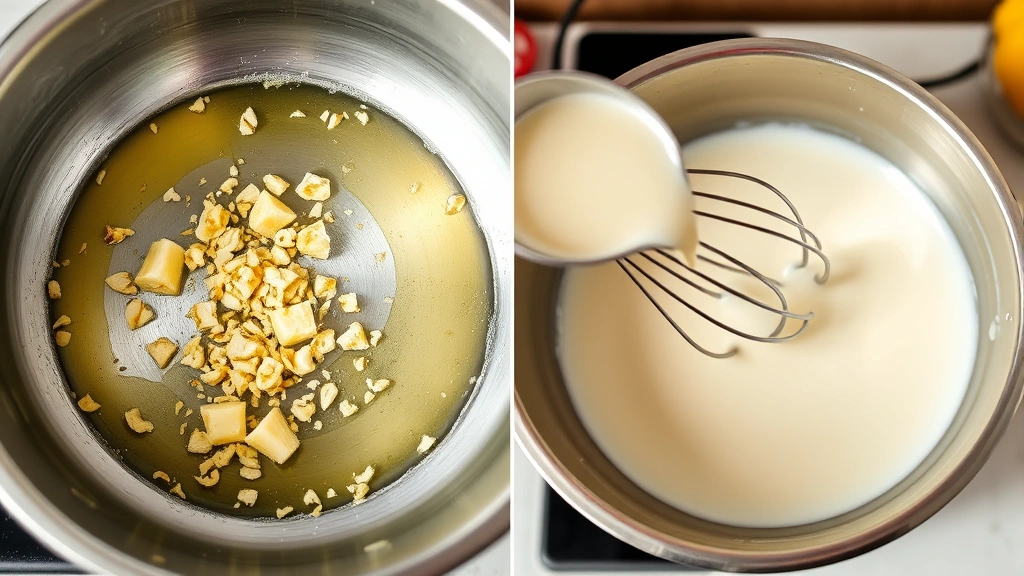
- Melt the butter in a large, heavy-bottomed saucepan over medium heat, allowing it to foam gently for about 30 seconds.
- Add the minced garlic to the melted butter and cook for 1-2 minutes, stirring frequently, until fragrant but not browned. Browning the garlic will make it bitter, so keep a close eye on it.
- Slowly pour the room-temperature cream into the butter and garlic mixture, whisking constantly to combine. This gradual approach prevents lumps from forming.
- Once the cream is fully incorporated, add the milk in the same manner, whisking continuously until you have a smooth, homogeneous mixture.
- Reduce the heat to medium-low and allow the cream mixture to gently warm through without boiling. You should see small bubbles forming around the edges of the pan.
- Once the cream mixture is warmed and beginning to steam, slowly whisk in the Parmigiano-Reggiano cheese, about 1/4 cup at a time, stirring well between each addition.
- Add the Pecorino Romano cheese in the same gradual manner, whisking constantly until fully melted and incorporated.
- Season the sauce with fine sea salt, freshly ground black pepper, and grated nutmeg. Stir well to combine.
- Add a pinch of red pepper flakes if you’d like a subtle heat, and taste the sauce, adjusting seasonings as needed.
- Allow the sauce to simmer gently over medium-low heat for 3-4 minutes, stirring occasionally, until it reaches your desired consistency.
- If the sauce seems too thick, whisk in a splash of warm pasta water or additional milk to thin it out. If it seems too thin, let it simmer a bit longer.
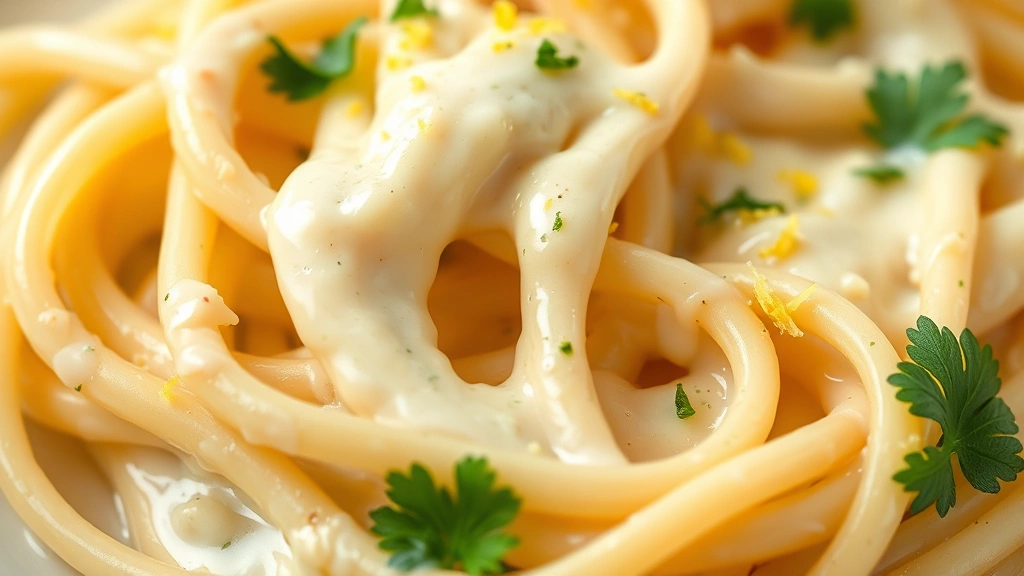
- Remove the sauce from heat and toss it immediately with your freshly cooked al dente pasta, using tongs to coat every strand evenly.
- Transfer to serving bowls and garnish generously with fresh Italian parsley, lemon zest, and additional Parmigiano-Reggiano cheese.
Pro Tips
Never allow your sauce to boil vigorously once the cream is added. Boiling can cause the cream to separate and the sauce to become greasy or thin. Keep your heat at medium or medium-low throughout the cooking process.
Fresh garlic is non-negotiable here. Pre-minced garlic or garlic powder simply won’t give you the same depth of flavor and freshness that this dish deserves. Take the time to mince it fresh.
The key to preventing a broken sauce is adding your cheese slowly and whisking constantly. Rushing this step or adding all the cheese at once can result in a grainy, separated sauce that’s difficult to rescue.
Pasta water is your friend if your sauce needs thinning. The starch in pasta water helps the sauce cling to the noodles better than plain milk would. Reserve at least one cup before draining your pasta.
This sauce is best served immediately after combining with pasta. If you need to hold it for a few minutes, cover the pot loosely and keep it over very low heat, stirring occasionally. Reheating can sometimes cause separation.
Feel free to customize this sauce by adding sautéed mushrooms, crispy pancetta, fresh herbs like basil or thyme, or sun-dried tomatoes. The basic sauce is the perfect canvas for creativity.
Leftovers can be refrigerated in an airtight container for up to three days. Reheat gently over low heat with a splash of milk or cream, stirring frequently to prevent breaking. This is wonderful for quick weeknight dinners.
For a lighter version, substitute half of the heavy cream with additional whole milk or even chicken broth, though this will alter the richness of the final dish.
The nutmeg might seem like an unusual addition, but it’s a classic Italian secret that adds warmth and complexity without being detectable as ‘nutmeg.’ Trust the recipe—it makes all the difference.
Pingback: Quick and Tasty Asian Noodles Recipe – So Easy! – Simple Recipe Finder