
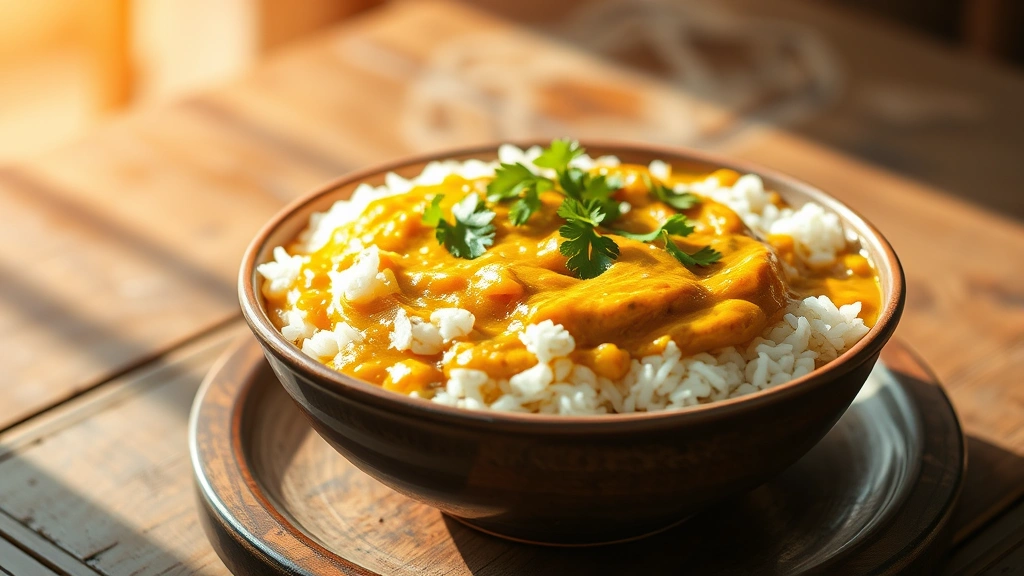
Dal bhaat is the soul of Nepali and Indian cuisine—a humble yet deeply satisfying combination of lentils and rice that has nourished families for generations. This classic comfort dish is far more than just the sum of its parts; it’s a complete, balanced meal that brings together protein-rich lentils, fragrant spices, and fluffy rice into one harmonious bowl. What makes dal bhaat so special is its versatility and accessibility—it requires simple, pantry-friendly ingredients but delivers complex, layered flavors when prepared with care and attention.
The beauty of this recipe lies in its meditative cooking process. As the lentils simmer and soften, they release their natural starches, creating a creamy, luxurious sauce that clings to every grain of rice. The tempering of whole spices in hot ghee—a technique called tadka—transforms ordinary dal into something extraordinary, filling your kitchen with an intoxicating aroma that signals warmth and home. Whether you’re cooking for a weeknight dinner or seeking to explore Indian cuisine, this dal bhaat recipe will become a treasured staple in your rotation.
What I love most about dal bhaat is how it encourages you to build flavor through technique rather than complicated ingredients. The key to perfect dal bhaat lies in understanding how to layer spices, when to add aromatics, and how to achieve that ideal consistency—creamy enough to coat the rice but not so thick it becomes gluey. This recipe draws inspiration from traditional Nepali preparations while remaining accessible to home cooks of all skill levels. Serve it with pickled red onions for brightness, alongside fresh sautéed peppers, and with a dollop of yogurt for cooling contrast.
Dal bhaat represents something increasingly rare in modern cooking: the patience and presence required to make something truly nourishing. Unlike quick weeknight meals, this dish asks you to slow down, to listen to the gentle simmer of the lentils, and to trust in time-tested techniques passed down through generations. The result is a meal that satisfies not just your hunger but your soul. For those looking to expand their repertoire of comforting grains, you might also explore creamy pasta preparations that share dal bhaat’s emphasis on luxurious, coating sauces.
This dal bhaat recipe yields enough to serve 4-6 people with hearty portions, making it perfect for family dinners or meal prep for the week ahead. The flavors actually deepen after a day or two, making it an ideal candidate for batch cooking. Whether you’re new to Indian cuisine or a seasoned cook, this recipe will guide you through each step with clarity and confidence, helping you create a dish that tastes like it’s been perfected over years of practice.
Ingredients
- 2 cups basmati rice
- 1 cup yellow split lentils (moong dal or masoor dal), rinsed
- 6 cups water or vegetable broth
- 1 medium onion, finely diced
- 3 cloves garlic, minced
- 1 tablespoon fresh ginger, minced
- 2 medium tomatoes, diced (or 1 can diced tomatoes)
- 1 teaspoon turmeric powder
- 1 teaspoon cumin seeds
- 1 teaspoon coriander seeds
- ½ teaspoon fenugreek seeds (methi)
- 2-3 dried red chilies, whole or broken
- 3 tablespoons ghee or clarified butter, divided
- Salt to taste
- ½ teaspoon asafoetida (hing), optional
- Fresh cilantro, chopped (for garnish)
- 2 tablespoons vegetable oil
- 1 teaspoon mustard seeds
- 1 teaspoon chaat masala or additional cumin, optional
Instructions
- Rinse the basmati rice under cold running water until the water runs mostly clear, rubbing the grains gently between your fingers. This removes excess starch and ensures fluffy, separated grains. Set aside.
- Rinse the lentils thoroughly under cold water until the water runs clear. This step removes any dust or debris and helps the lentils cook more evenly. Set aside.
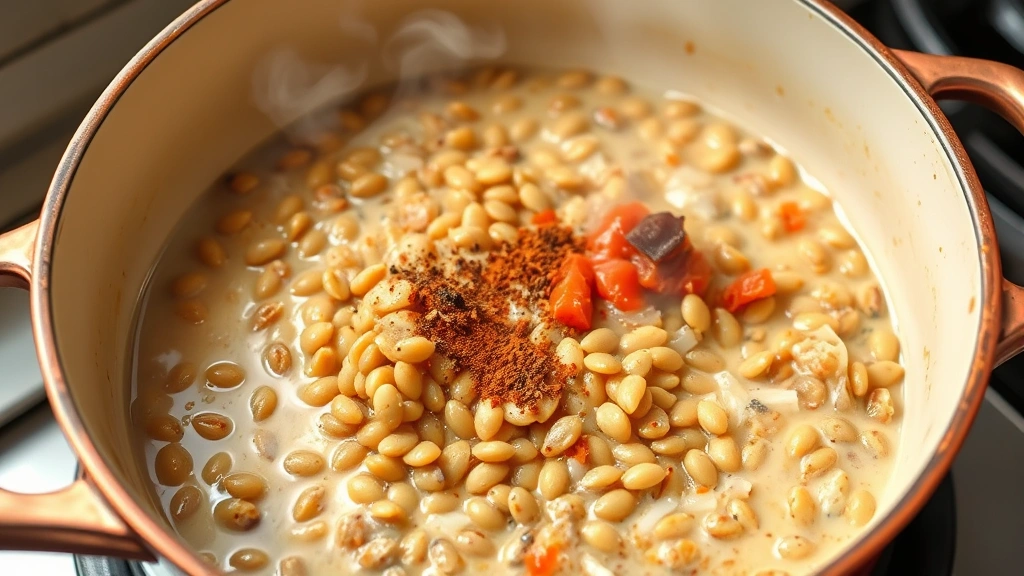
- In a medium saucepan, bring 3 cups of water to a boil. Once boiling, add the rinsed lentils and ½ teaspoon turmeric powder. Return to a boil, then reduce heat to medium-low and let simmer for 20-25 minutes, stirring occasionally, until the lentils are completely soft and beginning to break down into a creamy consistency.
- While the lentils cook, prepare the rice. In a separate pot, bring 4 cups of water to a boil with salt. Add the rinsed rice and stir once. When the water returns to a boil, reduce heat to low, cover tightly with a lid, and cook for 15-18 minutes until all water is absorbed and rice is tender.
- While both the lentils and rice are cooking, heat 1 tablespoon of ghee in a small skillet over medium heat. Add the cumin seeds, coriander seeds, and fenugreek seeds, toasting them for 1-2 minutes until fragrant and they begin to pop slightly.
- To the same skillet with the toasted seeds, add the dried red chilies and let them warm for 30 seconds. Then add the diced onion and cook for 4-5 minutes, stirring frequently, until the onion becomes soft and translucent.
- Add the minced garlic and ginger to the onion mixture and cook for another 1-2 minutes, stirring constantly, until the raw garlic smell disappears and the mixture becomes fragrant.
- Stir in the diced tomatoes (or canned tomatoes with juice) and cook for 3-4 minutes, allowing them to break down slightly and release their juices. If using fresh tomatoes, they’ll soften and begin to lose their shape.
- Pour the entire cooked lentil mixture (dal) into the skillet with the aromatic onion and tomato mixture. Stir well to combine, ensuring no lumps remain. The consistency should be creamy and pourable but not watery.
- Add the remaining ½ teaspoon turmeric powder and salt to taste, stirring thoroughly. Reduce heat to low and keep the dal warm while you finish the rice.
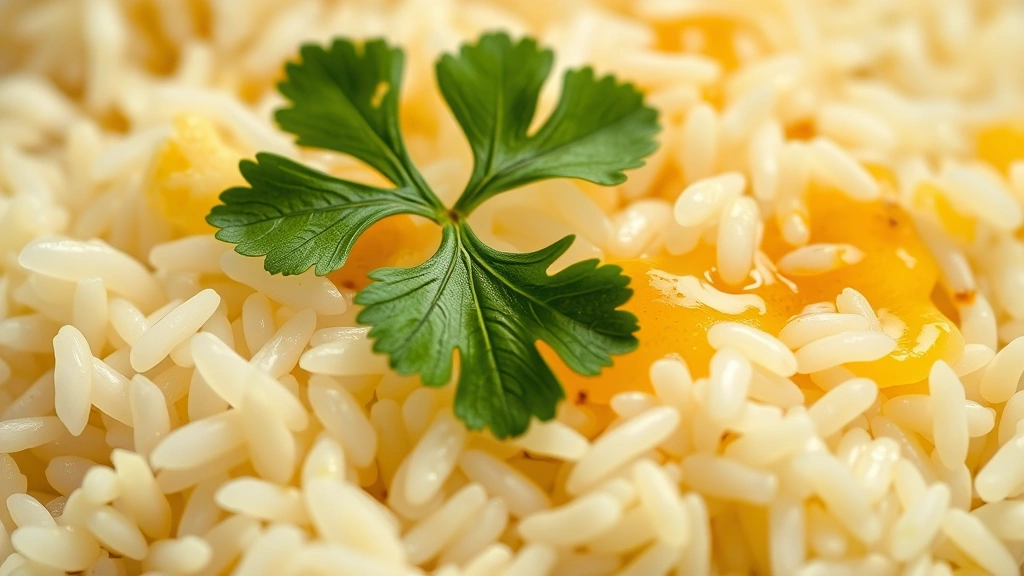
- Once the rice is finished cooking, let it rest for 5 minutes with the lid on. Then gently fluff with a fork, being careful not to break the grains.
- Prepare the final tadka (tempering) by heating the remaining 2 tablespoons of ghee in a small skillet over medium-high heat. Add the mustard seeds and let them pop and crackle for 30-45 seconds.
- Once the mustard seeds finish crackling, carefully pour this hot ghee tadka over the entire pot of dal, stirring to distribute the fat and seasonings throughout.
- If desired, sprinkle a pinch of asafoetida (hing) into the dal for additional depth and digestive benefits, stirring well.
- To serve, place a generous portion of fluffy rice in each bowl, creating a well in the center. Ladle the creamy dal over and around the rice, allowing it to soak into the grains. Garnish with fresh chopped cilantro and serve hot with accompaniments of your choice.
Pro Tips
- Lentil Selection: Yellow split lentils (moong dal) create a lighter, more delicate dal, while red lentils (masoor dal) produce a heartier, earthier flavor. Experiment with both to find your preference, though yellow lentils are traditional in Nepali dal bhaat.
- Water Ratio: The consistency of dal is crucial—it should be creamy enough to coat the rice but not soupy. If your dal seems too thick after cooking, add hot water a tablespoon at a time until reaching the desired consistency. If too thin, let it simmer uncovered for a few minutes to reduce.
- Rice Perfection: Using a rice-to-water ratio of 1:1.3 to 1:1.5 ensures perfectly cooked basmati rice. Don’t skip the rinsing step, as it removes excess starch and prevents clumping. For best results, use a rice cooker if available.
- Spice Customization: This recipe offers a mild heat level suitable for most palates. If you prefer spicier dal, increase the number of dried red chilies or add fresh green chilies. For milder versions, remove the seeds from the dried chilies or omit them entirely.
- Tadka Technique: The final tempering of ghee and mustard seeds is what elevates dal bhaat from ordinary to extraordinary. Never skip this step—the hot fat carries the flavors and creates the signature aroma. Always be careful when pouring hot ghee into the dal to avoid splashing.
- Ghee vs. Oil: While vegetable oil can substitute for ghee in a pinch, ghee provides superior flavor and a richer mouthfeel that’s integral to authentic dal bhaat. Clarified butter is the best substitute if ghee isn’t available.
- Make-Ahead Tips: Dal bhaat tastes even better the next day as flavors meld and deepen. Store the dal and rice separately in airtight containers in the refrigerator for up to 5 days. Reheat gently on the stovetop, adding water if needed to restore creaminess. The dal actually freezes beautifully for up to 3 months.
- Serving Suggestions: Traditional accompaniments include pickled vegetables like pickled red onions, fresh yogurt, papadum (crispy lentil wafers), and fresh seasonal vegetables. For additional protein and richness, serve alongside creamy curry preparations.
- Health Benefits: This dish provides complete protein when rice and lentils are combined, making it an excellent vegetarian and vegan option. The spices used—turmeric, cumin, coriander, and ginger—offer anti-inflammatory benefits and aid digestion.
- Troubleshooting: If your dal is grainy rather than creamy, it may not have cooked long enough; simmer for an additional 5-10 minutes. If the tadka separates from the dal, stir well and continue cooking. If rice seems undercooked, add a tablespoon of water, cover, and steam for 2-3 additional minutes.