
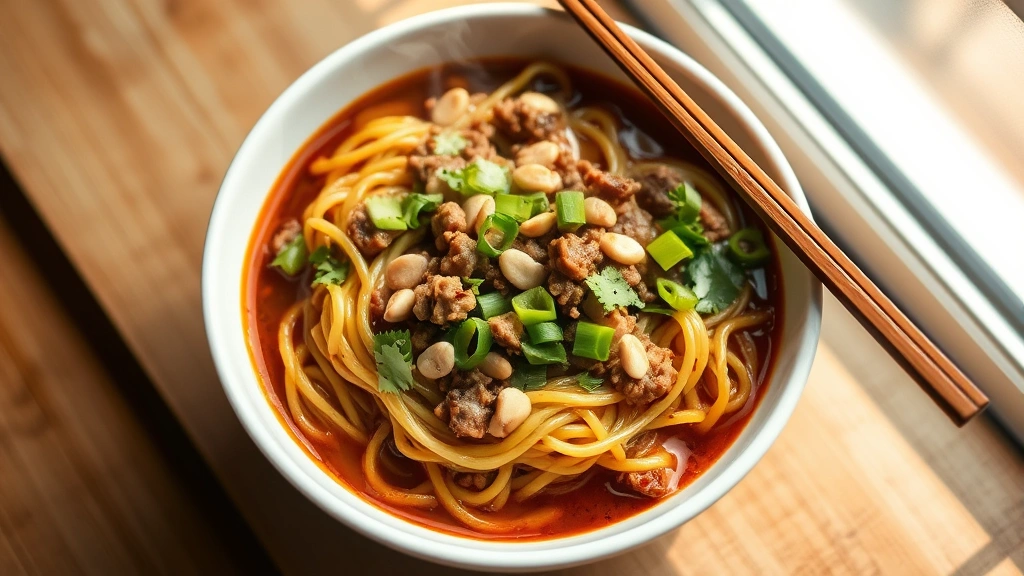
Dan dan noodles are one of my absolute favorite Chinese dishes to make at home, and I’m so excited to share my foolproof method with you! This iconic Sichuan dish features tender noodles coated in a rich, nutty sesame sauce with just the right amount of heat from chili oil. The beauty of dan dan lies in its perfect balance of flavors – creamy, spicy, tangy, and aromatic all at once.
The name “dan dan” actually comes from the bamboo pole (called a “dan dan”) that street vendors used to carry the noodles and sauce through the streets of Chengdu. While you won’t need a bamboo pole to make this at home, you will need a few key ingredients to get that authentic, restaurant-quality flavor. I always make a big batch of the sauce on Sunday so I can enjoy quick weeknight dinners all week long.
What I love most about this recipe is how adaptable it is. You can make it vegetarian by omitting the ground pork, or add extra vegetables like bok choy or mushrooms. The chili oil is truly the star of the show – it brings that signature numbing sensation from Sichuan peppercorns that makes this dish so crave-worthy. If you’re new to dan dan noodles, I promise this recipe will become a regular in your rotation. It’s restaurant-quality but surprisingly simple to execute at home.
I’ve tested this recipe dozens of times to get the proportions just right, and I’m confident you’ll love it. The key is using quality sesame paste (not tahini – they’re different!) and toasted sesame oil for that deep, nutty flavor. You can find both at most grocery stores now, and they’re worth seeking out. Many readers have told me this is their go-to recipe when they’re craving authentic Chinese food, and I think you’ll understand why once you try it.
This dish comes together in about 20 minutes, making it perfect for busy weeknights. The noodles cook while you prepare the sauce, so there’s minimal hands-on time. Serve it immediately while everything is hot and the flavors are at their peak. Don’t skip the garnishes – the fresh cilantro, scallions, and roasted peanuts add so much texture and freshness to each bite. Check out my guide on how to cook perfect noodles for tips on getting them just right, and this article on Sichuan peppercorns will help you understand this special ingredient better.
Ingredients
- 1 pound fresh or dried Chinese egg noodles
- 6 ounces ground pork (or ground chicken for a lighter version)
- ¼ cup sesame paste (not tahini)
- 3 tablespoons soy sauce, divided
- 2 tablespoons black vinegar (or rice vinegar)
- 1 tablespoon toasted sesame oil
- 2 tablespoons chili oil, plus more for serving
- 1 tablespoon sugar
- 4 cloves garlic, minced
- 1 tablespoon fresh ginger, minced
- ½ teaspoon Sichuan peppercorns, ground
- 3 cups chicken or vegetable broth
- 2 tablespoons peanut oil
- 3 scallions, chopped
- ¼ cup fresh cilantro, chopped
- ¼ cup roasted peanuts, crushed
- 2 tablespoons crispy fried shallots (optional but recommended)
- Sesame seeds for garnish
- Red pepper flakes to taste
Instructions
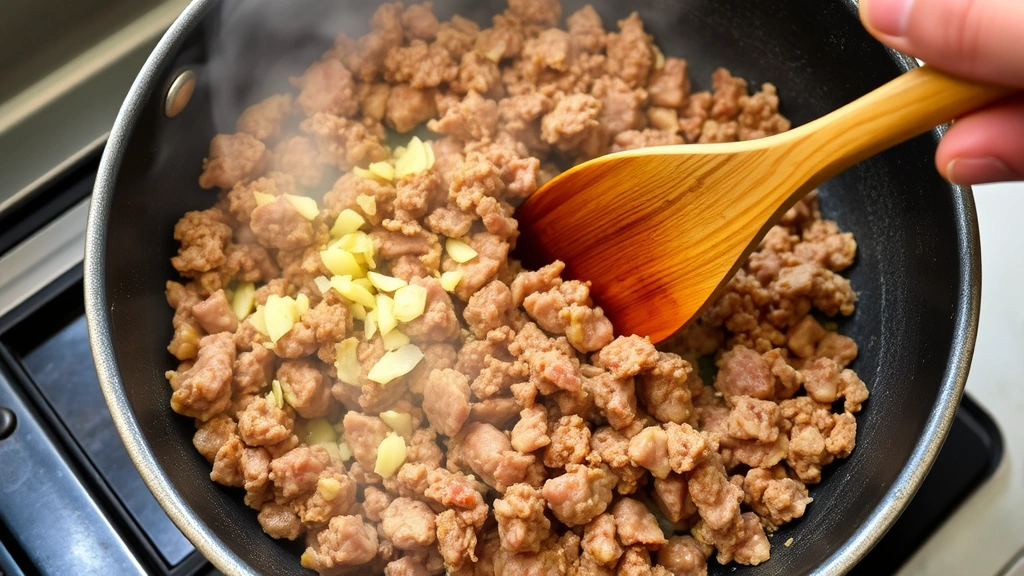
- Heat the peanut oil in a large skillet over medium-high heat. Once shimmering, add the minced garlic and ginger, stirring constantly for about 30 seconds until fragrant – be careful not to let them burn.
- Add the ground pork to the skillet, breaking it up with a wooden spoon as it cooks. Continue cooking for 4-5 minutes until the pork is fully cooked and lightly browned, then remove from heat and set aside.
- In a large bowl, whisk together the sesame paste, 2 tablespoons of soy sauce, black vinegar, toasted sesame oil, chili oil, sugar, and ground Sichuan peppercorns until well combined and smooth (the mixture should be thick but pourable).
- Slowly add the chicken broth to the sesame paste mixture, whisking constantly to create a smooth sauce without any lumps. Taste and adjust seasonings as needed – you want a balance of savory, nutty, tangy, and spicy.
- Stir the cooked pork back into the sauce along with the remaining 1 tablespoon of soy sauce. Keep the sauce warm over low heat while you cook the noodles.
- Bring a large pot of water to a rolling boil. Add the noodles and cook according to package directions until al dente, usually 3-4 minutes for fresh noodles or 6-8 minutes for dried.
- Drain the cooked noodles well in a colander, shaking off any excess water – you don’t want the noodles to be wet when you combine them with the sauce.
- Divide the drained noodles among four serving bowls, then ladle the warm sesame sauce and pork mixture over the top of each portion.
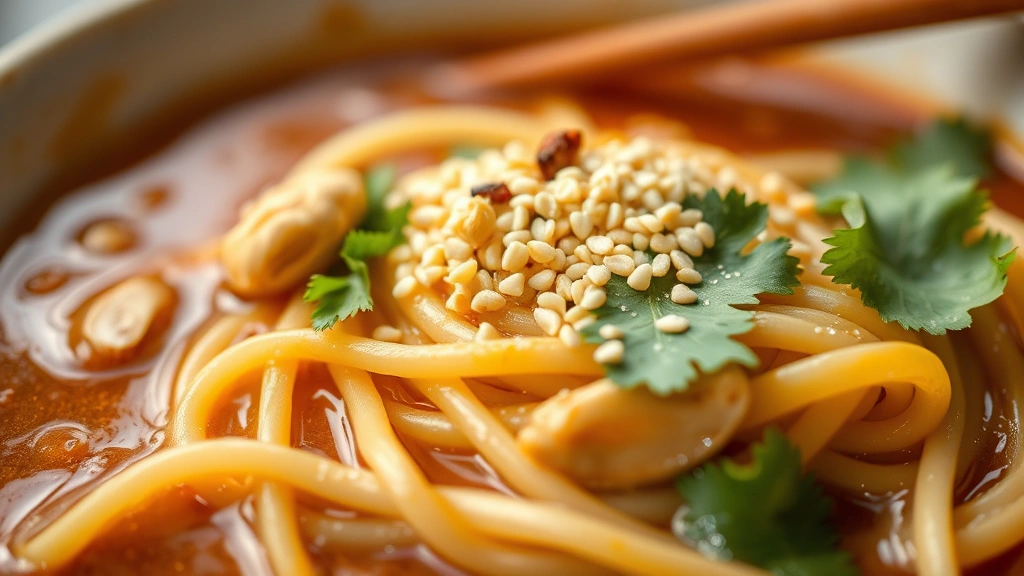
- Garnish each bowl generously with chopped scallions, fresh cilantro, crushed roasted peanuts, crispy fried shallots, and a sprinkle of sesame seeds.
- Drizzle additional chili oil over the top of each bowl to taste, and serve immediately while everything is hot. Pass extra chili oil and condiments at the table for guests to customize their bowls to their preference.
Pro Tips
- Make-Ahead Magic: The sauce can be made up to 3 days in advance and stored in an airtight container in the refrigerator. Simply reheat gently over low heat before serving, adding a splash of broth if it’s too thick.
- Sesame Paste vs. Tahini: These are NOT interchangeable! Sesame paste is made from toasted sesame seeds and has a much deeper, more complex flavor than tahini, which is made from raw sesame seeds. You can find it in the Asian section of most grocery stores or online.
- Sichuan Peppercorns: These create the distinctive “numbing” sensation that’s characteristic of authentic dan dan noodles. The sensation is called “málà” in Chinese – a combination of spicy and numb. If you can’t find them, the dish will still be delicious, but you’ll miss that unique flavor profile.
- Vegetarian Version: Simply omit the ground pork and add extra vegetables like diced shiitake mushrooms, bok choy, or snap peas. The sauce remains the same and is completely vegetarian.
- Noodle Options: Fresh Chinese egg noodles give the best texture, but dried noodles work well too. You can also use ramen noodles, lo mein noodles, or even spaghetti in a pinch.
- Spice Level Control: Start with 2 tablespoons of chili oil and add more to taste. You can also serve extra chili oil on the side so guests can customize their heat level.
- Garnish Importance: Don’t skip the garnishes! The scallions, cilantro, peanuts, and fried shallots add essential texture, freshness, and flavor that make this dish special.
- Broth Consistency: The sauce should be pourable but not watery. If it’s too thin, whisk in more sesame paste. If it’s too thick, add more broth a tablespoon at a time.
- Serving Temperature: Dan dan is best served hot, but some people enjoy it at room temperature. Make sure all components are at least warm when you assemble the bowls.
- Crispy Fried Shallots: These add wonderful texture and are worth seeking out. You can find them in the Asian section of most grocery stores or online.
- Storage: Leftover sauce can be stored separately from the noodles. Store noodles in an airtight container for up to 2 days. The sauce will keep for up to 3 days. Reheat gently before serving over fresh cooked noodles.