
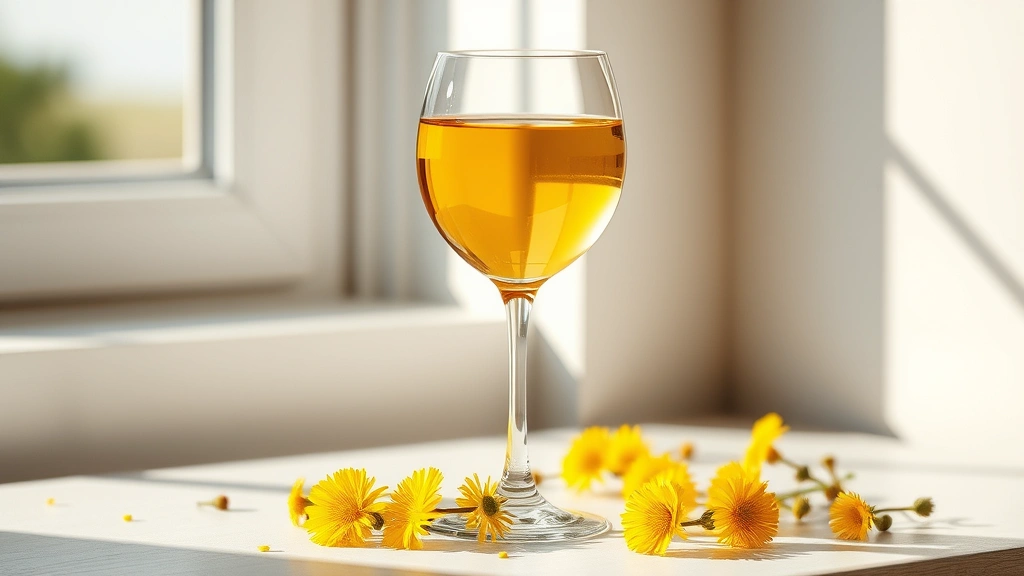
Dandelion wine is a classic homemade beverage that’s been enjoyed for centuries, and making it at home is surprisingly simple and rewarding. This traditional recipe transforms humble dandelion flowers into a beautiful golden wine with delicate floral notes and a subtle sweetness. Whether you’re a seasoned winemaker or trying your hand at fermentation for the first time, this easy dandelion wine recipe will guide you through each step of the process.
The beauty of dandelion wine lies in its accessibility—dandelions grow abundantly in spring, and you likely have them right in your yard. Unlike grape wine, which requires specific growing conditions and equipment, dandelion wine needs just a few basic ingredients and some patience. The fermentation process is forgiving, making it perfect for beginners who want to explore home winemaking without intimidation.
This recipe yields a dry to semi-sweet wine with an alcohol content around 10-12%, depending on your fermentation conditions. The flavor profile is delicate and floral, with hints of citrus and honey undertones. Many people compare it to a light white wine, making it versatile for sipping on its own or pairing with lighter meals. The entire process, from flower picking to bottling, takes about 6-9 months, but most of that time involves passive fermentation while you go about your life.
What makes this dandelion wine recipe truly special is how it connects you to traditional homemaking practices. For generations, families have made this wine to preserve the essence of spring and create something meaningful to share with loved ones. The process becomes a meditation on patience, transformation, and the rewards of working with nature’s bounty. Once you’ve made your first batch, you’ll likely find yourself planning next spring’s harvest before this year’s wine is even finished fermenting.
Before you begin, gather your dandelion flowers on a sunny morning after the dew has dried but before the afternoon heat intensifies the flowers. You’ll need approximately one gallon of loosely packed petals. Avoid picking from areas that have been treated with pesticides or herbicides. This recipe is forgiving, easy to follow, and produces consistently delicious results that will impress your family and friends. Pair this homemade wine with creamy pasta dishes or enjoy it on its own during special occasions.
Ingredients
- 1 gallon of fresh dandelion flower petals (loosely packed), stems and green parts removed
- 1 gallon of water
- 3 pounds of granulated sugar
- 1 tablespoon of acid blend or juice of 3 lemons
- 1 tablespoon of yeast nutrient
- 1 teaspoon of pectic enzyme
- 1 packet of wine yeast (preferably Champagne or Sauvignon Blanc yeast)
- 1/2 teaspoon of potassium metabisulfite (optional, for preservation)
- 1 raisin (optional, for tannins)
- 1 whole clove (optional, for subtle spice)
- 1 inch piece of fresh ginger, sliced (optional, for complexity)
Instructions
- Harvest your dandelion flowers on a dry, sunny morning. Gently pull off only the yellow petals, discarding the green stem parts and any insects. You need approximately one gallon of loosely packed petals. Rinse the petals gently under cool water and pat dry with a clean cloth.
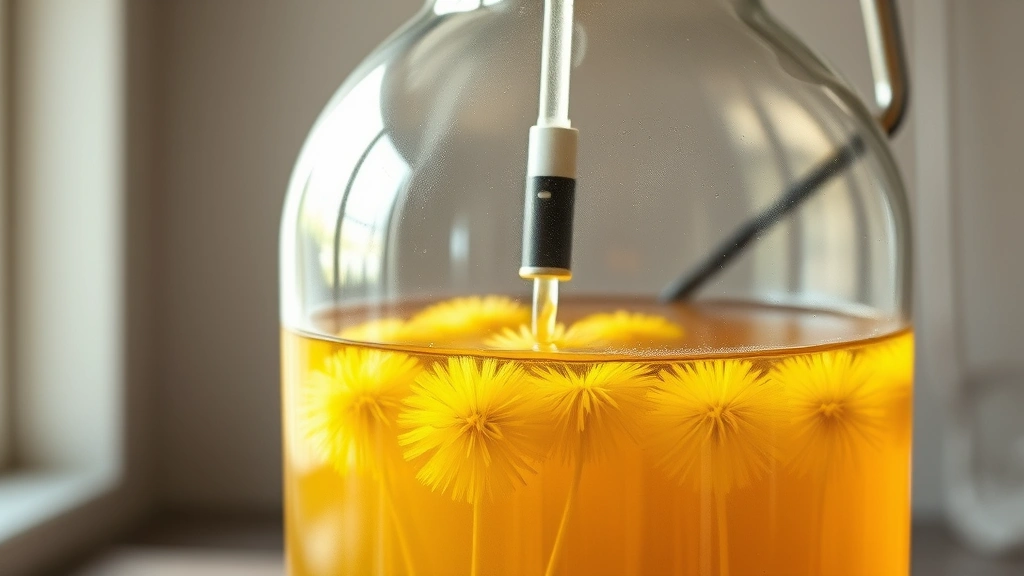
- Bring one gallon of water to a boil in a large stainless steel pot. Once boiling, remove from heat and pour the water into a large, clean glass carboy or food-grade plastic bucket.
- While the water is still hot, add the dandelion flower petals directly to the hot water. Stir gently to ensure all petals are submerged. Cover the container loosely with cheesecloth to allow steam to escape while keeping out dust and insects. Let this steep for 24 hours at room temperature.
- After 24 hours, strain the liquid through fine cheesecloth or a fine mesh strainer into another clean container, pressing gently on the petals to extract all the liquid. Discard the spent petals and measure your liquid—you should have close to one gallon.
- Add the three pounds of sugar to your dandelion water and stir until completely dissolved. This may take 5-10 minutes of stirring. The mixture should taste quite sweet at this point.
- Add the acid blend (or lemon juice), yeast nutrient, and pectic enzyme to the sugar solution. Stir thoroughly to combine all ingredients. If using optional flavor additions like ginger, cloves, or raisins, add them now.
- Cover your container again with cheesecloth and let it sit for 24 hours. This resting period allows the pectic enzyme to begin breaking down pectin in the flowers, which will help clarify your wine.
- After 24 hours, prepare your yeast by rehydrating it according to the packet instructions. Typically, this involves sprinkling the yeast into a small amount of warm (not hot) water and letting it sit for 15 minutes.
- Stir the rehydrated yeast into your dandelion mixture gently but thoroughly. Cover the container with an airlock or a cloth tied securely around the rim. If using a cloth, ensure it’s breathable to allow carbon dioxide to escape.
- Place the container in a cool, dark location (60-75°F is ideal) where it won’t be disturbed. Fermentation should begin within 24-48 hours, indicated by bubbling activity if you’re using an airlock.
- For the first week, stir the mixture daily using a clean spoon or stirring rod, breaking up any fruit particles that float to the surface. This helps distribute nutrients and yeast.
- After the first week, stop stirring and allow the wine to ferment undisturbed. If using an airlock, you may see vigorous bubbling for 2-4 weeks as primary fermentation occurs.
- Monitor the fermentation progress. After 4-6 weeks, the vigorous bubbling should slow significantly or stop. At this point, your wine has completed primary fermentation.
- Once fermentation has slowed dramatically, siphon the clear wine off the sediment (called ‘racking’) into a clean carboy using food-grade tubing. Leave the sediment behind. This is your first racking.
- Attach an airlock to your carboy and allow the wine to undergo secondary fermentation for 2-3 months in a cool, dark place. During this time, the wine will clarify further and develop more complex flavors.
- After 2-3 months of secondary fermentation, perform a second racking, again transferring the clear wine to a fresh carboy while leaving sediment behind.
- Let the wine age for another 2-3 months with an airlock in place. During this extended aging period, the flavors will mellow and harmonize beautifully.
- After a total of 6-9 months from the start, when the wine is clear and fermentation has completely stopped, prepare to bottle. If desired, add 1/2 teaspoon of potassium metabisulfite dissolved in a small amount of wine to help preserve your finished product.
- Siphon the finished wine into clean wine bottles, filling them to about one inch below the rim. Cork the bottles tightly or use screw caps.
- Store your bottles upright in a cool, dark place for at least one month before opening to allow flavors to settle. The wine will continue to improve with age for up to 2 years.
- When ready to enjoy, serve chilled in wine glasses. Your homemade dandelion wine should have a beautiful golden color, delicate floral aroma, and a smooth, slightly sweet taste reminiscent of a fine white wine. Consider pairing it with light cream-based dishes or fresh salads for a delightful experience.
Pro Tips
- Dandelion flowers must be picked at the peak of freshness—choose flowers that are fully open and vibrant yellow. Avoid flowers that are wilting or have been exposed to rain.
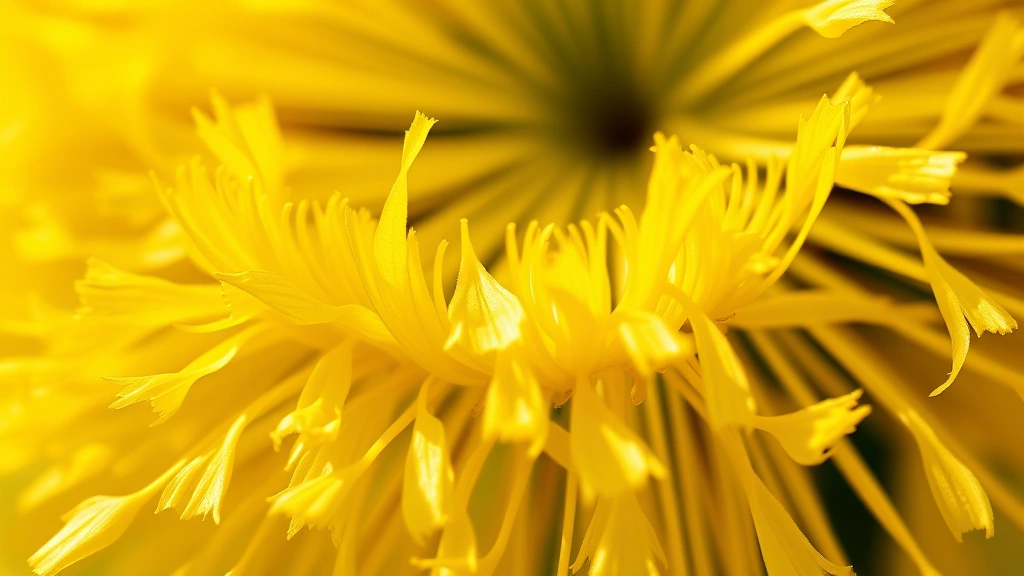
- Only use the yellow petals, as the green parts can impart bitterness to your wine. Take time to separate them carefully; this step is crucial for quality.
- Sanitation is paramount in winemaking. Sterilize all equipment with a solution of potassium metabisulfite or by boiling. Any contamination can ruin your entire batch.
- Temperature control significantly impacts fermentation speed and quality. Aim for a consistent 60-75°F environment. Cooler temperatures result in slower fermentation but often produce better flavor complexity.
- The sediment that accumulates during fermentation (called ‘lees’) contains dead yeast and tannins. Racking separates your clear wine from this sediment, improving clarity and flavor.
- If your wine doesn’t seem to be fermenting after 48 hours, your yeast may be dead or your environment too cold. Consider rehydrating fresh yeast and increasing the room temperature.
- White wine yeast varieties like Champagne or Sauvignon Blanc work best, producing clean, crisp flavors that complement dandelion’s delicate profile.
- Acid blend or lemon juice is essential—it balances sweetness and acts as a preservative. Without sufficient acid, your wine may taste flat or become susceptible to spoilage.
- Yeast nutrient provides nitrogen and other nutrients that yeast needs for healthy fermentation. Don’t skip this ingredient, as it prevents stuck fermentations.
- Patience is your greatest ingredient. Resist the urge to bottle before fermentation is truly complete, as bottling too early can result in bottle bombs from continuing fermentation.
- Your finished wine should be clear or slightly golden, not cloudy. If cloudiness persists after 6 months, try adding pectic enzyme or gelatin fining agents.
- Dandelion wine typically improves with age. While drinkable after 6 months, it reaches peak flavor after 1-2 years of aging.
- Store finished bottles horizontally if using corks, or upright if using screw caps, in a cool, dark location away from direct sunlight.
- This recipe is quite forgiving—variations in fermentation time, temperature, and even petal quantity won’t drastically affect results, making it perfect for beginners.