
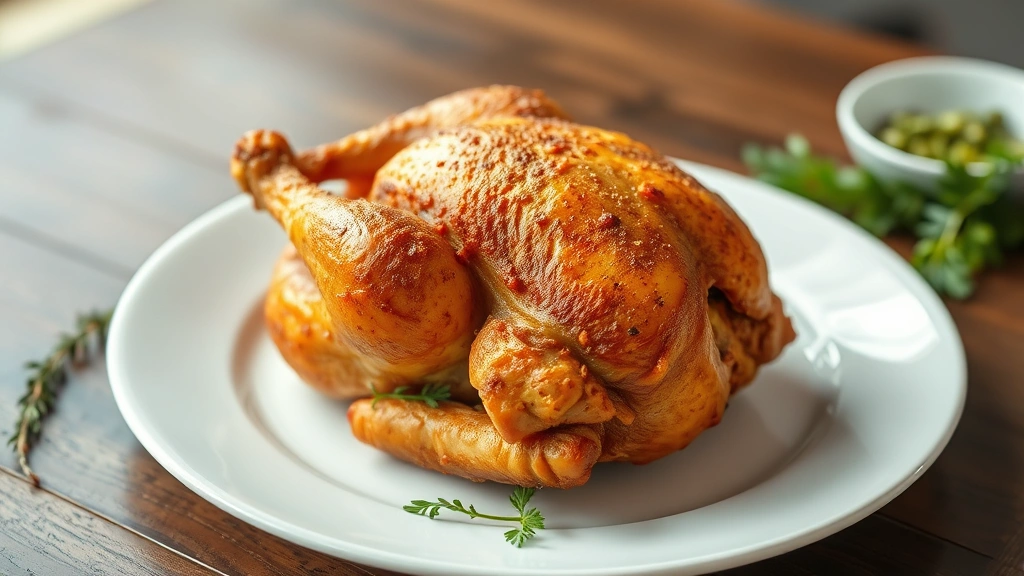
Deep fried turkey is the ultimate show-stopper for your holiday table, and once you master this technique, you’ll never go back to roasting! This crispy, juicy masterpiece takes just over an hour from start to finish, with golden-brown skin that crackles with every bite and meat so tender it practically melts on your tongue. The secret to perfection lies in proper preparation, maintaining the correct oil temperature, and following safety protocols to ensure a delicious result without any mishaps.
I absolutely adore serving deep fried turkey alongside traditional sides like creamy alfredo sauce or lighter options like chickpea salad for a well-rounded feast. The beauty of this cooking method is that it frees up your oven for all those precious side dishes that make the holidays special.
When you deep fry a turkey, you’re essentially steaming the meat from the inside while crisping the exterior to perfection. The oil conducts heat so efficiently that a 12-14 pound turkey cooks in just 45-50 minutes, compared to nearly three hours in the oven. According to Serious Eats, this rapid cooking method helps lock in moisture while developing that coveted mahogany exterior that’s impossible to achieve through traditional roasting.
Before you even think about heating that oil, preparation is absolutely critical. Pat your turkey completely dry—any moisture will cause dangerous splattering. Remove the neck and giblets, and make sure the turkey cavity is empty. Many people don’t realize that even a small amount of water inside the bird can cause a serious oil eruption. I always let my turkey sit uncovered in the refrigerator for at least 24 hours before frying, which helps ensure maximum crispiness.
You’ll also want to set up a proper frying station outdoors, away from your house and any structures. The New York Times emphasizes that deep frying should only be done outside, never indoors, due to fire hazard risks. Use a sturdy turkey fryer with a reliable thermometer, and always keep a fire extinguisher rated for grease fires nearby—just in case.
The oil selection matters tremendously. Choose an oil with a high smoke point, such as peanut oil, which can handle the 350°F temperature required for frying. Peanut oil also imparts a subtle, pleasant flavor that complements poultry beautifully. You’ll typically need 4-5 gallons of oil depending on your fryer size, so budget accordingly. Bon Appétit recommends calculating your oil needs by submerging your turkey in water first to see how much liquid is displaced.
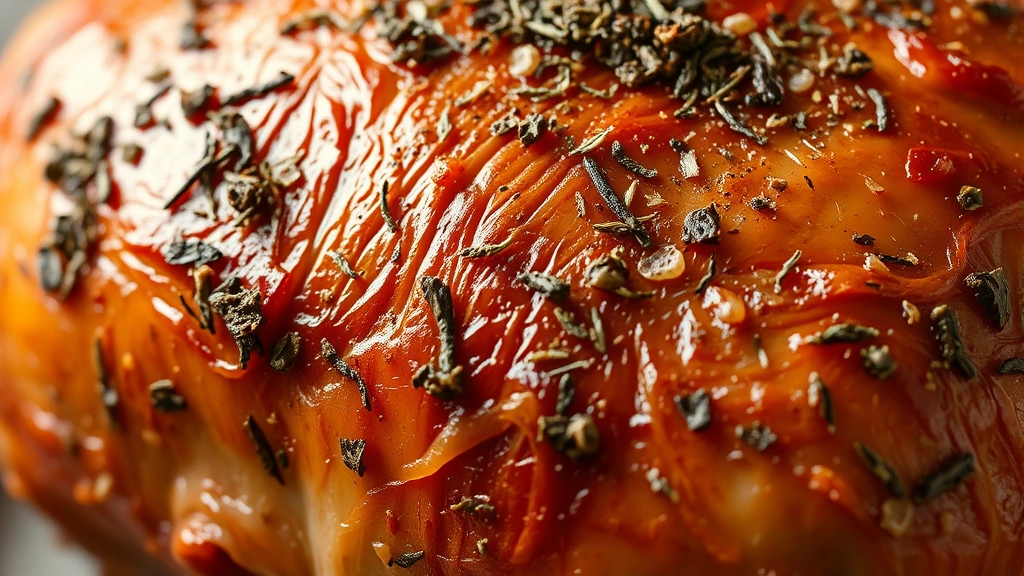
Seasoning your turkey is where creativity truly shines. While a simple salt and pepper approach works wonderfully, I love creating a flavorful dry rub or injecting a marinade for extra depth. Creole seasonings, garlic, paprika, and fresh herbs create a restaurant-quality result. If you’re using an injection marinade, prepare it the night before and inject it evenly throughout the meat—about one ounce per pound of turkey. This step ensures that every bite is seasoned, not just the exterior.
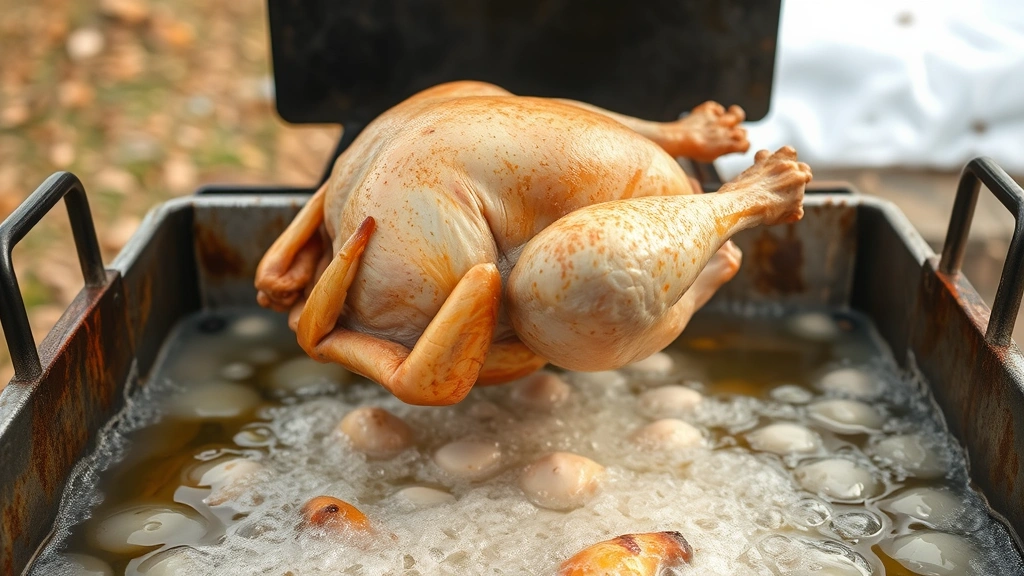
The actual frying process is surprisingly straightforward once you understand the mechanics. Slowly lower your turkey into the hot oil using a basket or specialized turkey holder—never drop it in suddenly, as this can cause splashing and burns. The oil temperature will drop when the cold turkey enters, and it should return to 350°F within a few minutes. Maintain this temperature throughout the cooking time. Calculate approximately 3-4 minutes per pound, so a 12-pound turkey needs roughly 45-48 minutes of frying time.
I always set a timer and check the internal temperature with a meat thermometer inserted into the thickest part of the thigh without touching bone. When it reaches 165°F, your turkey is perfectly cooked. Carefully remove the basket from the oil and place the turkey on a wire rack over a sheet pan to drain. Let it rest for at least 15 minutes before carving—this allows the juices to redistribute throughout the meat.
The results are absolutely spectacular. Your turkey will have crispy, mahogany skin that shatters between your teeth, while the meat inside remains incredibly moist and flavorful. It’s the kind of dish that makes guests ask for your recipe immediately and request you make it again next year.
Ingredients
- 1 whole turkey (12-14 pounds), completely thawed and patted dry
- 4-5 gallons peanut oil, for frying
- 3 tablespoons kosher salt
- 2 tablespoons freshly ground black pepper
- 2 tablespoons smoked paprika
- 1 tablespoon garlic powder
- 1 tablespoon onion powder
- 1 tablespoon dried thyme
- 2 teaspoons cayenne pepper
- 1 cup injection marinade (store-bought or homemade butter-based mixture)
- Fresh rosemary and bay leaves for cavity (optional)
- Meat thermometer
- Fire extinguisher (grease fire rated)
Instructions
- Remove the turkey from the refrigerator 30 minutes before frying. Pat the entire bird, inside and outside, completely dry with paper towels. This step is absolutely critical for safety and crispiness.
- Remove the neck and giblets from the cavity and discard or reserve for stock. Make sure the cavity is completely empty and dry.
- In a small bowl, combine kosher salt, black pepper, smoked paprika, garlic powder, onion powder, dried thyme, and cayenne pepper to create your dry rub seasoning.
- If using an injection marinade, draw it into your injector and insert the needle into various parts of the turkey, injecting about one ounce per pound. Focus on the thighs, drumsticks, and breast meat, spacing injections about 2 inches apart.
- Generously coat the entire turkey, inside and outside, with your dry rub seasoning. Don’t be shy—this is where flavor comes from. Pay special attention to under the wings and around the thighs.
- Set up your turkey fryer in a completely outdoor location, at least 10 feet away from any structures, decks, or trees. Place it on a level, stable surface.
- Fill the fryer with peanut oil according to the manufacturer’s instructions. Use the water displacement method if you’re unsure: submerge your turkey in water first to measure how much oil you’ll need.
- Heat the oil to 350°F, using a reliable thermometer to verify temperature. This should take approximately 20-30 minutes depending on your fryer.
- While oil heats, carefully attach your turkey to the lifting basket or holder, ensuring it’s secure and balanced. Double-check all connections.
- Once oil reaches exactly 350°F, slowly and carefully lower the basket containing the turkey into the hot oil. Descend gradually over about 30 seconds to allow the temperature to adjust without splattering.
- Monitor the oil temperature closely using your thermometer. It should drop initially but return to 350°F within 5-10 minutes. Adjust your burner as needed to maintain this temperature throughout cooking.
- Calculate your cooking time at 3.5 minutes per pound. For a 12-pound turkey, this equals approximately 42 minutes. For a 14-pound turkey, plan for about 49 minutes.
- At three-quarters of the cooking time, insert a meat thermometer into the thickest part of the thigh without touching bone to begin monitoring internal temperature.
- When the internal temperature reaches 165°F in multiple locations (thigh, breast, and thighs), carefully lift the basket out of the oil. This process should take several minutes—go slowly and steadily.
- Place the hot turkey on a wire cooling rack positioned over a sheet pan to catch drippings. Allow it to rest for at least 15 minutes before carving. This resting period is essential for juicy results.
- Carefully drain the used oil through a fine-mesh strainer into a container. Peanut oil can be strained and reused several times if stored properly in a cool, dark place.
- Carve your turkey and serve immediately while the skin is at its crispiest. Enjoy your perfectly fried turkey with your favorite sides!
Pro Tips
Thawing your turkey completely is non-negotiable. A partially frozen turkey will cause dangerous oil splattering. Allow approximately 24 hours thawing time for every 4-5 pounds of turkey in your refrigerator.
Patting the turkey completely dry before frying cannot be overstated. Moisture and hot oil don’t mix well. Use plenty of paper towels and take your time with this step. Some cooks even let the turkey air-dry uncovered in the refrigerator overnight.
Peanut oil is ideal for turkey frying because of its high smoke point (around 450°F) and neutral flavor. However, if you have a peanut allergy concern, refined vegetable oil or canola oil work as acceptable alternatives, though they won’t add quite the same subtle richness.
Injection marinades make a tremendous difference in final flavor and moisture content. You can purchase pre-made injectable marinades, or make your own by combining melted butter, broth, Creole seasoning, and hot sauce. This step transforms a good fried turkey into an exceptional one.
A meat thermometer is absolutely essential for food safety. The only reliable way to know when your turkey is done is by checking the internal temperature. Aim for 165°F in the thigh, which is the last part to cook.
Resting time after frying is crucial. Those 15 minutes allow carryover cooking to finish and allow juices to reabsorb into the meat, resulting in incredibly moist, tender turkey.
Used peanut oil can be strained and stored for reuse. Strain it through cheesecloth or a fine-mesh strainer while still warm, then store in a sealed container in a cool, dark place. Properly stored oil can be used 3-4 times before needing replacement.
For smaller appetites or if you’re cooking for fewer people, you can fry smaller birds like Cornish game hens or smaller turkeys. Just adjust cooking time accordingly—smaller birds may only need 20-30 minutes depending on size.
Weather conditions can affect your frying time. On very cold days, oil takes longer to heat and returns to temperature more slowly between additions. Plan extra time in winter months.