
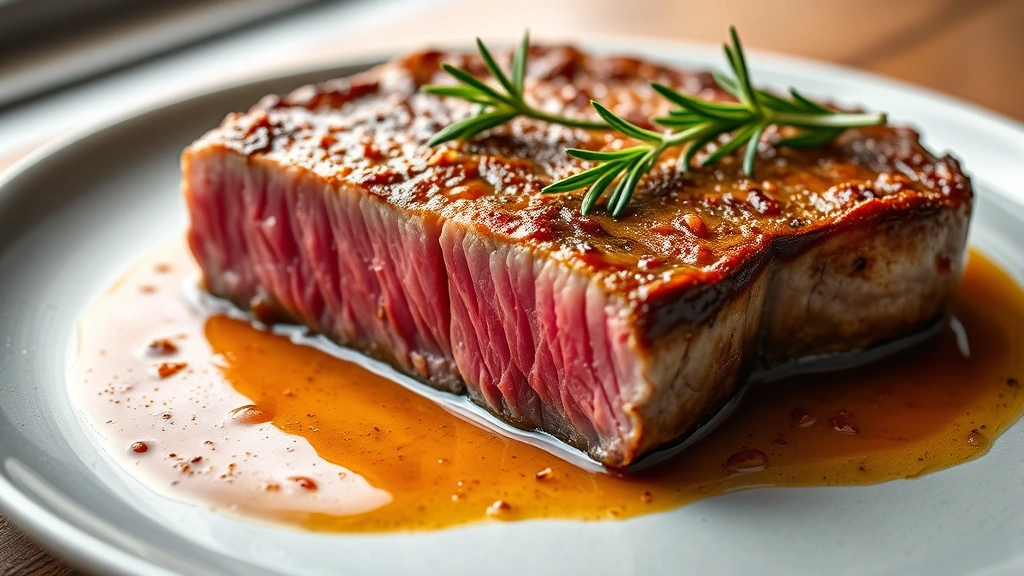
Venison steaks are an absolute delicacy when prepared correctly, and this foolproof method will have you serving restaurant-quality deer steak at home. The secret to perfect venison lies in understanding that this lean, flavorful meat requires a completely different approach than beef. Unlike cattle, deer have virtually no intramuscular fat, which means you need to employ techniques that add moisture and richness while honoring the meat’s naturally gamey, elegant flavor profile.
This recipe transforms tough, chewy venison into impossibly tender, juicy steaks that will impress even the most skeptical diners. We’ll use a combination of proper aging, strategic marinating, and precise cooking temperatures to achieve steaks that rival any high-end steakhouse. The key is embracing the meat’s unique characteristics rather than fighting against them. Whether you’re a seasoned hunter or trying venison for the first time, this method delivers consistent, delicious results every single time.
What makes this approach different is the emphasis on breaking down the muscle fibers through enzymatic marinating, followed by quick, high-heat searing that creates a gorgeous crust while maintaining a perfectly pink, tender interior. We’re also incorporating fat through basting, which is absolutely essential when working with venison’s lean nature. Pair this with classic bacon carbonara or a fresh pickled red onion for a complete dinner that celebrates the season’s finest proteins.
Throughout this guide, you’ll discover professional techniques used by elite chefs to prepare game meats, adapted for home cooking. We’ll walk through everything from selecting the right cuts to executing that perfect sear, ensuring your venison steaks are tender, flavorful, and absolutely memorable. This isn’t just a recipe—it’s a complete masterclass in preparing one of nature’s most elegant proteins.
Ingredients
- 4 venison steaks, 1.5 inches thick (backstrap or hindquarter), about 8 ounces each
- 1/2 cup fresh buttermilk
- 3 tablespoons Worcestershire sauce
- 2 tablespoons balsamic vinegar
- 1 tablespoon Dijon mustard
- 6 cloves garlic, minced
- 2 tablespoons fresh rosemary, finely chopped
- 1 tablespoon fresh thyme, finely chopped
- 1 teaspoon red pepper flakes
- Sea salt and freshly cracked black pepper to taste
- 3 tablespoons unsalted butter
- 2 tablespoons olive oil
- 4 sprigs fresh rosemary for basting
- 4 cloves garlic, crushed for basting
- 1 cup beef or venison stock for finishing
Instructions
- Remove your venison steaks from the freezer and place them in the refrigerator for 24 hours to thaw completely. Pat them dry with paper towels and bring them to room temperature 30 minutes before cooking. This ensures even cooking throughout.
- In a large bowl, whisk together buttermilk, Worcestershire sauce, balsamic vinegar, and Dijon mustard until well combined. The buttermilk’s acidity and enzymes will begin breaking down the venison’s muscle fibers.
- Add minced garlic, chopped rosemary, thyme, and red pepper flakes to the marinade. Stir thoroughly to distribute all seasonings evenly throughout the liquid.
- Place venison steaks in a large zip-top bag or shallow dish and pour the marinade over them, ensuring each steak is completely submerged. If using a bag, remove excess air before sealing.
- Refrigerate the steaks for 6-8 hours, turning them halfway through. This extended marinating time is crucial for venison, as it tenderizes the lean meat while infusing it with complementary flavors.
- Remove the steaks from the refrigerator 45 minutes before cooking to bring them to room temperature. This critical step ensures even cooking from edge to center.
- Remove steaks from the marinade, allowing excess liquid to drip back into the bowl. Reserve the marinade. Pat the steaks dry with paper towels—a dry surface is essential for developing a proper crust.
- Season both sides of each steak generously with sea salt and freshly cracked black pepper. Don’t be shy; venison can handle bold seasoning.
- Heat a cast-iron skillet or heavy-bottomed stainless steel pan over high heat for 3-4 minutes until it’s smoking hot. A properly preheated pan is non-negotiable for achieving that restaurant-quality crust.
- Add 1 tablespoon of olive oil to the pan and swirl to coat evenly. The oil should shimmer and smoke immediately.
- Carefully place the venison steaks in the pan, working in batches if necessary to avoid overcrowding. Do not move them for 3-4 minutes to allow a golden crust to develop.
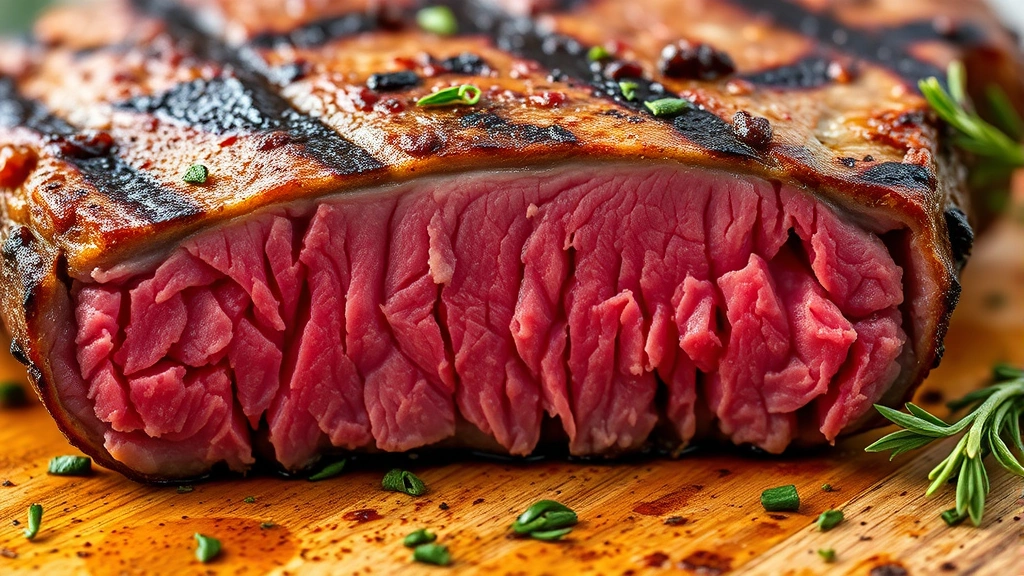
- Flip the steaks and sear for another 3-4 minutes for medium-rare (internal temperature of 130-135°F). Remember, venison is extremely lean and overcooking results in a tough, dry steak.
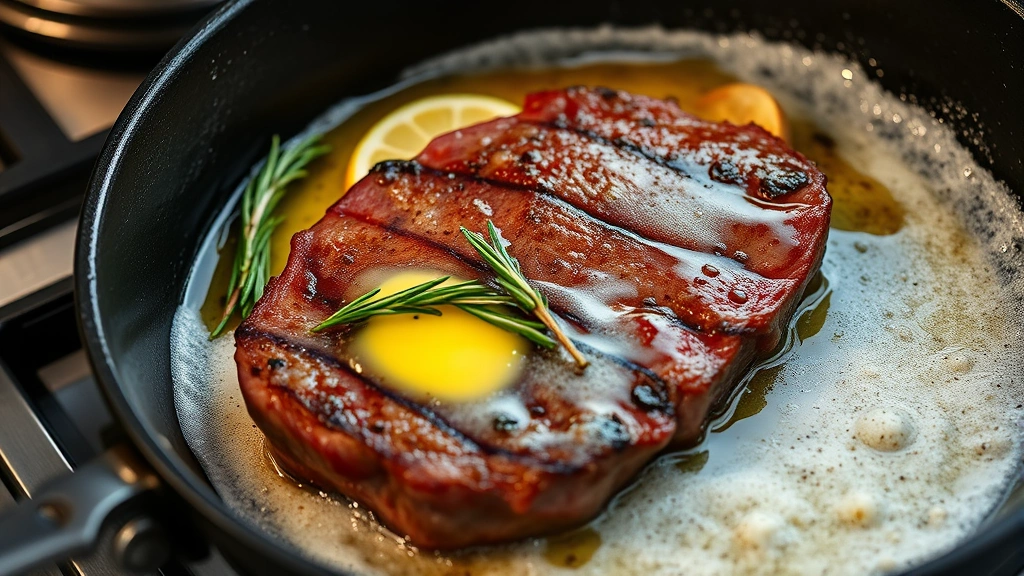
- Reduce heat to medium and add 1.5 tablespoons of butter, the rosemary sprigs, and crushed garlic cloves to the pan, tilting it so the foaming butter pools to one side.
- Use a spoon to continuously baste the steaks with the foaming butter for 2-3 minutes. This adds crucial fat and richness to the lean meat while infusing it with aromatic herbs.
- Transfer the steaks to a warm plate and tent loosely with foil. Allow them to rest for 5-7 minutes—this is when the residual heat continues cooking the interior while the juices redistribute.
- While steaks rest, pour the reserved marinade into the pan over medium heat, scraping up any browned bits from the bottom. Add the beef stock and simmer for 2-3 minutes to reduce slightly.
- Finish the sauce by swirling in the remaining 1.5 tablespoons of butter until silky and emulsified. Taste and adjust seasoning as needed.
- Plate the rested venison steaks and spoon the finished sauce over and around them. Garnish with fresh herbs if desired and serve immediately while the steaks are still warm.
Pro Tips
- Venison sourcing matters tremendously. Purchase from reputable hunters or specialty butchers who understand proper handling and aging. Well-aged venison has significantly less gamey flavor.
- The buttermilk marinade is specifically chosen for its enzymatic properties. Unlike acidic marinades alone, buttermilk’s lactic acid and natural enzymes actually tenderize the meat rather than just flavoring it.
- Never skip the resting period after cooking. This allows carryover cooking to finish the interior while muscle fibers relax and reabsorb juices, resulting in a tender, juicy steak instead of a dry one.
- Venison steaks should reach an internal temperature of 130-135°F for medium-rare. Beyond 140°F, the lean meat becomes tough and unpleasant. Use an instant-read meat thermometer for accuracy.
- Cast-iron or stainless steel pans are essential. Non-stick pans don’t get hot enough or develop proper crusts. The pan must be preheated until it’s smoking before adding oil.
- If your steaks are thinner than 1.5 inches, reduce cooking time accordingly. Thickness is crucial for achieving a properly seared exterior with a rare interior.
- The fat basting step is absolutely critical for venison. Since this meat contains virtually no intramuscular fat, basting with butter and herbs adds the richness and moisture that makes venison steaks delicious.
- Leftover venison steaks can be sliced thin and served cold with chickpea salad for an elegant lunch the next day.
- For a complete meal, serve alongside creamy heavy cream Alfredo sauce over pasta or with roasted root vegetables for an elegant presentation.
- Don’t be tempted to cook multiple batches back-to-back without allowing the pan to reheat. Each steak requires a properly preheated, screaming-hot pan for optimal results.
- The marinade can be prepared the night before and refrigerated, allowing you to marinate the steaks immediately when you arrive home.