
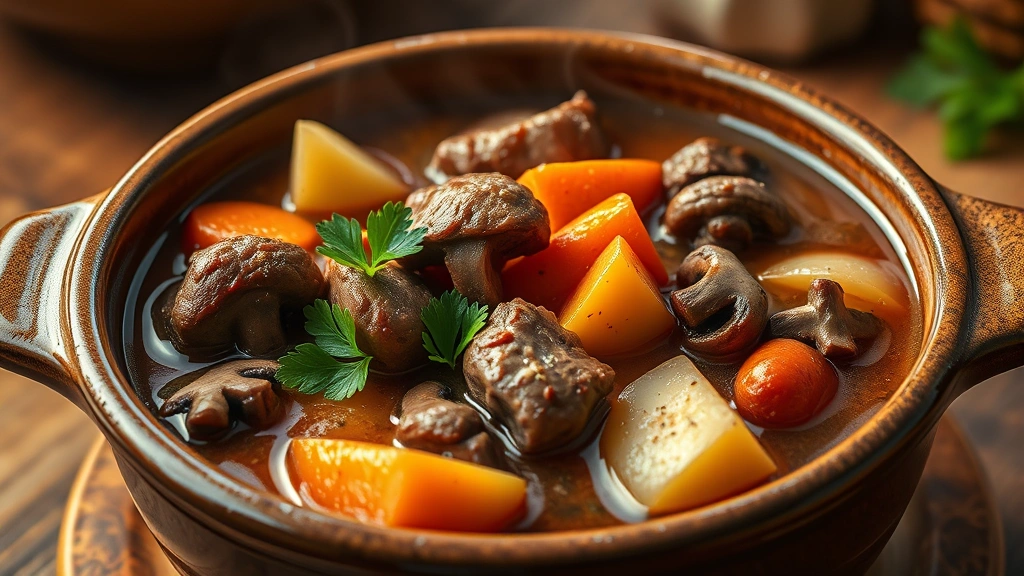
There’s something truly special about a homemade deer stew that fills your kitchen with warmth and comfort. This classic recipe transforms venison into a rich, deeply satisfying dish that’s perfect for cooler evenings and gathering around the table with loved ones. Venison has a beautiful, lean quality that makes it ideal for slow-cooking methods, and when combined with tender vegetables and a savory broth, it becomes absolutely magical.
Deer stew is a timeless dish that brings together rustic elegance and home-cooked goodness. The key to achieving the perfect venison stew lies in properly preparing your meat, building layers of flavor through browning, and allowing everything to simmer low and slow until the venison becomes fall-apart tender. This recipe honors traditional cooking methods while delivering contemporary comfort food at its finest.
What I love most about making deer stew is how forgiving and versatile it truly is. You can easily customize it with different vegetables, adjust the seasoning to your preference, and even prepare it ahead of time—it actually tastes better the next day! Whether you’re a seasoned hunter or simply looking to explore game meats, this recipe approach mirrors classic slow-cooking techniques that work beautifully across many dishes.
The beauty of venison stew is that it’s hearty enough to serve as a complete meal, yet elegant enough to impress dinner guests. Serve it alongside crusty bread or over creamy mashed potatoes for the ultimate comfort food experience. This is the kind of recipe that gets passed down through families and becomes a cherished tradition.
When preparing your venison, it’s important to trim away any silver skin or tough connective tissue, as this will ensure your stew has the perfect tender texture. The browning step is absolutely crucial—don’t skip it! This creates a flavorful fond on the bottom of your pot that adds incredible depth to your final dish. Let me walk you through every step to ensure your deer stew turns out absolutely perfect.
Ingredients
- 3 pounds venison shoulder or chuck, cut into 1.5-inch cubes
- 3 tablespoons olive oil, divided
- 1 teaspoon kosher salt, plus more to taste
- 1/2 teaspoon freshly ground black pepper, plus more to taste
- 1 large yellow onion, cut into 1-inch pieces
- 4 cloves garlic, minced
- 3 medium carrots, cut into 1-inch pieces
- 3 medium potatoes, cut into 1-inch cubes
- 8 ounces mushrooms, halved
- 3 cups beef broth
- 1 cup red wine (optional but recommended)
- 2 tablespoons tomato paste
- 2 bay leaves
- 1 teaspoon fresh thyme (or 1/2 teaspoon dried)
- 1 teaspoon fresh rosemary (or 1/2 teaspoon dried)
- 2 tablespoons all-purpose flour
- 1 tablespoon balsamic vinegar
- 2 tablespoons fresh parsley, chopped for garnish
Instructions
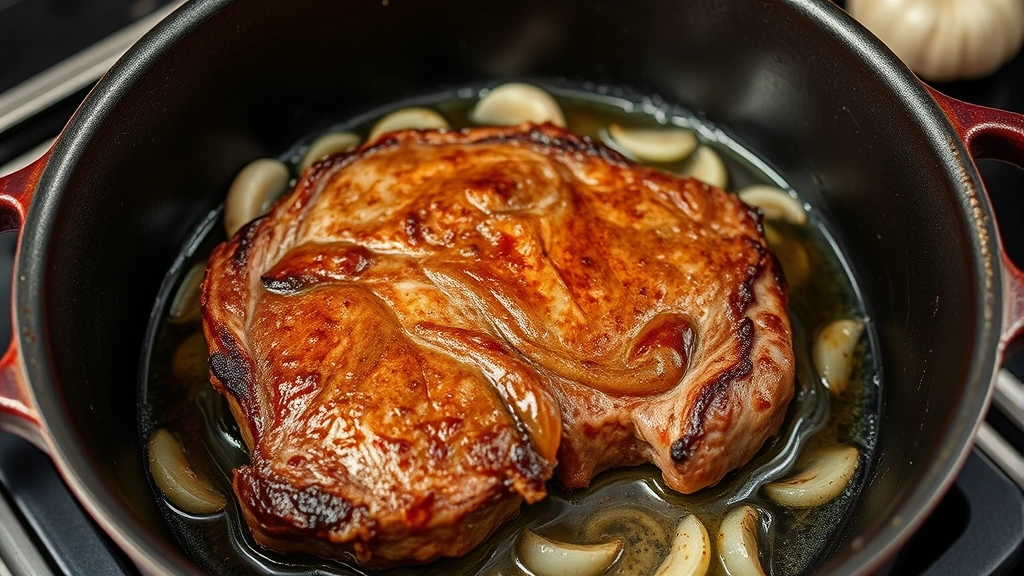
- Pat your venison cubes dry with paper towels—this is essential for achieving a proper golden-brown sear. Moisture prevents browning, so don’t skip this step.
- In a small bowl, combine the kosher salt and black pepper, then season all your venison pieces generously on all sides.
- Heat 1.5 tablespoons of olive oil in a large Dutch oven or heavy-bottomed pot over medium-high heat until it shimmers and is nearly smoking.
- Working in batches to avoid overcrowding the pot, add the venison cubes and sear for 2-3 minutes per side until deeply golden brown. Transfer the browned meat to a plate and set aside. Repeat with remaining venison, adding more oil as needed.
- Once all the venison is browned and set aside, add the remaining oil to the pot and reduce heat to medium.
- Add the diced onion to the pot and cook for 3-4 minutes, stirring occasionally, until it becomes soft and translucent.
- Stir in the minced garlic and cook for another 1-2 minutes until fragrant—be careful not to let it burn.
- Add the tomato paste and stir constantly for about 1 minute to slightly caramelize and deepen its flavor.
- Sprinkle the flour over the vegetables and stir well to coat everything evenly. Let it cook for 1-2 minutes to remove the raw flour taste.
- Pour in the red wine, if using, and scrape the bottom of the pot with a wooden spoon to release all the flavorful browned bits—this is called deglazing and it’s crucial for building deep flavor.
- Add the beef broth, stirring well to combine everything smoothly and break up any flour lumps.
- Return the browned venison to the pot along with any juices that have accumulated on the plate.
- Add the bay leaves, fresh thyme, and fresh rosemary, stirring to distribute the herbs evenly throughout the liquid.
- Bring the stew to a gentle boil, then reduce the heat to low, cover with a lid, and simmer for 1 hour and 15 minutes.
- After 1 hour and 15 minutes, add the carrot pieces, potato cubes, and mushrooms to the pot, stirring gently to incorporate them.
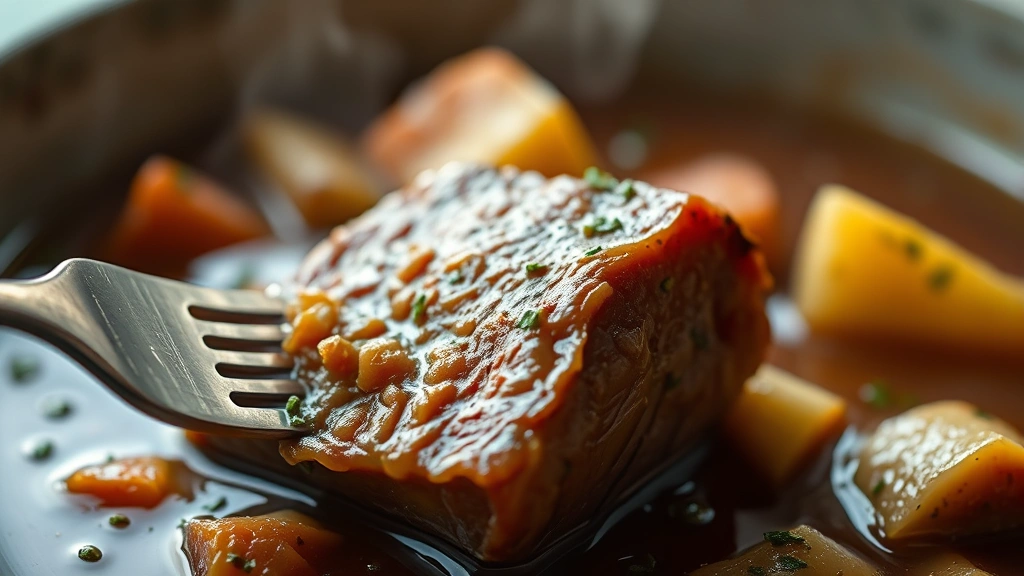
- Cover and continue simmering for another 45 minutes to 1 hour, until the venison is fork-tender and the vegetables are cooked through.
- Taste the stew and adjust seasoning with additional salt and pepper as needed—remember that flavors concentrate as the stew simmers.
- Stir in the balsamic vinegar, which adds a subtle sweetness and complexity that rounds out all the flavors beautifully.
- Remove the bay leaves, then ladle the stew into serving bowls and garnish generously with fresh chopped parsley.
- Serve immediately while hot, with crusty bread or over creamy mashed potatoes for the ultimate comfort meal.
Pro Tips
Freezing your deer stew is absolutely possible and recommended. Cool it completely, portion it into freezer-safe containers, and freeze for up to 3 months. Thaw overnight in the refrigerator before reheating gently on the stovetop.
If you cannot find venison or prefer not to use it, this recipe works beautifully with beef chuck, elk, or even wild boar. The cooking time and method remain the same—what matters is using a cut of meat suitable for braising.
The wine in this recipe is optional but truly makes a difference in depth of flavor. If you prefer not to use alcohol, substitute with additional beef broth and add an extra tablespoon of balsamic vinegar for complexity.
Fresh herbs make a significant difference compared to dried, but if you only have dried herbs, use half the amount since they’re more concentrated. Add dried herbs at the beginning of cooking, but fresh herbs should be added near the end to preserve their delicate flavor.
Don’t rush the browning step—properly seared meat creates incredible flavor through the Maillard reaction. This is what transforms simple ingredients into something truly special.
When cutting your vegetables, aim for consistent sizes so everything cooks evenly. This attention to detail elevates your final dish.
Mushrooms add wonderful umami and earthiness to venison stew. Feel free to experiment with different varieties like cremini, portobello, or even wild mushrooms if available.
The stew thickens as it cools slightly, so don’t be concerned if it seems a bit loose while still hot. This is actually the perfect consistency for serving over mashed potatoes.
For a lighter side dish to complement your stew, consider serving with a fresh salad dressed in vinaigrette.
Leftovers make fantastic next-day lunches. The flavors continue developing overnight, making day-two servings even more delicious than the first.