
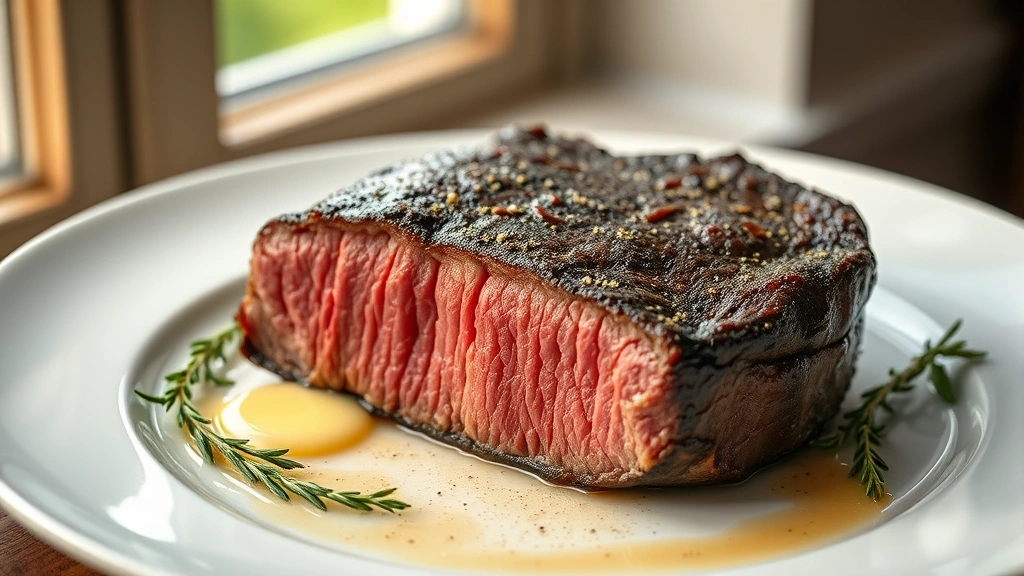
A Delmonico steak is the epitome of elegance and indulgence, and when prepared properly, it’s absolutely show-stopping. This classic cut comes from the rib section and is known for its beautiful marbling, tenderness, and rich flavor that makes every bite feel like a special occasion. Whether you’re cooking for a romantic dinner or impressing guests at your dinner party, mastering the art of the perfect Delmonico steak will become your secret weapon in the kitchen.
The beauty of a Delmonico steak lies in its simplicity. You don’t need fancy techniques or complicated ingredients—just quality beef, proper seasoning, and the right cooking method. I’ve learned over the years that the key to achieving that restaurant-quality crust while maintaining a perfectly pink center is all about temperature control and patience. This recipe will walk you through every step to ensure your Delmonico steak turns out absolutely perfect every single time.
What makes this steak special is the balance between technique and restraint. We’re not drowning it in heavy sauces or complicated preparations. Instead, we’re letting the quality of the beef shine through while building incredible flavor through proper searing and a luxurious butter basting method. You can serve it with classic sides like creamy Alfredo sauce or pair it with fresh greens tossed with pickled red onions for brightness.
I recommend investing in high-quality beef for this recipe—it truly makes a difference. Look for steaks that are at least 1.5 inches thick with good marbling throughout. The fat is what gives you that incredible flavor and helps keep the meat juicy during cooking. For more inspiration on elevated comfort food, check out this quick tasty bacon carbonara recipe that pairs beautifully with steak as a side.
According to Serious Eats, the reverse sear method is scientifically proven to deliver the most consistent results for thick-cut steaks, and I’ve adopted elements of this technique into my method. Additionally, Bon Appétit’s testing shows that butter basting in the final minutes creates an unparalleled crust and flavor profile. The New York Times Cooking section also emphasizes the importance of resting your meat before and after cooking, which I’ve built into this recipe.
Once you master this basic technique, you’ll be able to confidently prepare Delmonico steaks for any occasion. The combination of proper preparation, attention to temperature, and quality ingredients creates a steakhouse experience right in your own kitchen. This is the kind of dish that makes people think you’ve been trained in culinary arts, when really you just know the fundamentals and execute them beautifully.
Ingredients
- 2 Delmonico steaks (12-16 ounces each, 1.5 inches thick)
- Kosher salt (about 1.5 teaspoons per steak)
- Freshly ground black pepper (about 0.5 teaspoons per steak)
- 3 tablespoons high-heat cooking oil (avocado or vegetable oil)
- 4 tablespoons unsalted butter
- 4 cloves garlic, smashed
- 3-4 sprigs fresh thyme
- 2-3 sprigs fresh rosemary
- Optional: fleur de sel for finishing
Instructions
- Remove your Delmonico steaks from the refrigerator 30-40 minutes before cooking. This is crucial because it allows the meat to come to room temperature, which ensures even cooking throughout. Cold meat will cook unevenly, creating a gray band between the crust and the pink center.
- Pat the steaks completely dry using paper towels. Moisture is the enemy of a good crust because it prevents proper browning. Don’t skip this step—it makes a significant difference in your final result.
- Generously season both sides of each steak with kosher salt and freshly ground black pepper. Season them at least 40 minutes before cooking, or immediately before (don’t season them 5-15 minutes ahead, as this draws out moisture). The salt will actually help form a better crust when given enough time to work.
- Heat your cast iron skillet or heavy-bottomed stainless steel pan over medium-high heat for 3-4 minutes. You want the pan extremely hot, but not smoking excessively. A properly heated pan is essential for achieving that gorgeous crust.
- Add your high-heat cooking oil to the pan and let it shimmer for about 30 seconds. The oil should move around the pan easily and look like water, not like thick oil.
- Carefully place the steaks into the hot pan and resist the urge to move them. Let them sit undisturbed for 3-4 minutes. This creates the Maillard reaction, which is the chemical process that creates that beautiful brown crust and incredible savory flavor.
- Flip the steaks using tongs (not a fork, which pierces the meat and releases juices) and sear for another 3-4 minutes on the second side. Again, let them sit without moving.
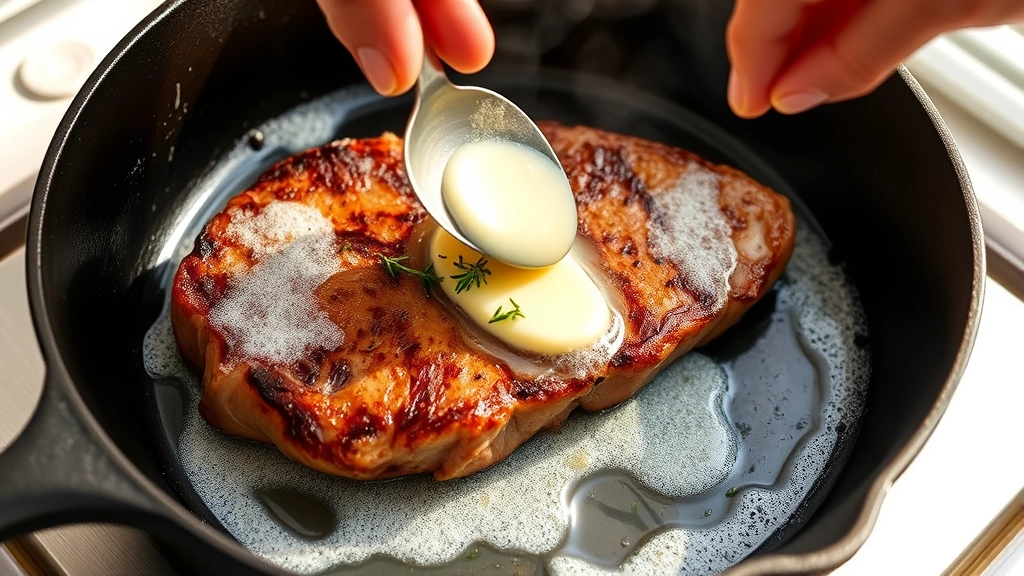
- Reduce the heat to medium and add the butter, garlic, thyme, and rosemary to the pan around the steaks. The pan will be very hot, so be careful during this step.
- Using a large spoon, continuously baste the steaks with the melted, foaming butter for 2-3 minutes. Tilt the pan slightly so the butter pools on one side, making it easier to spoon over the steaks. This butter basting creates incredible flavor and helps finish the crust.
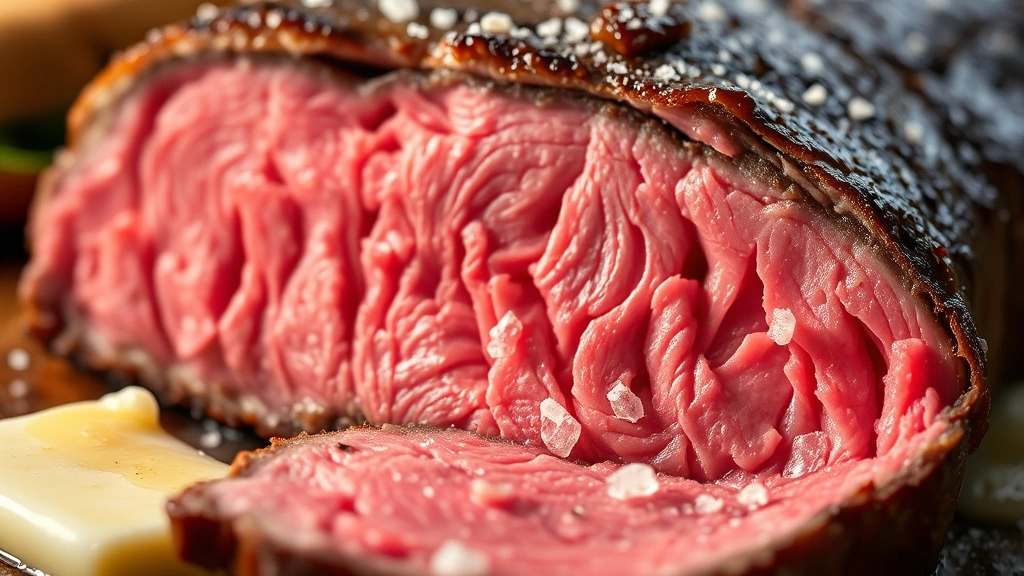
- Check the internal temperature using an instant-read thermometer inserted into the thickest part of the steak, away from any bones. For medium-rare (my recommendation), aim for 130-135 degrees Fahrenheit. Remember that the meat will continue to cook as it rests, so remove it slightly before your target temperature.
- Transfer the steaks to a clean cutting board and immediately season with a tiny pinch of fleur de sel if desired. Let them rest for at least 5-10 minutes. This resting period allows the juices to redistribute throughout the meat, ensuring it stays incredibly juicy when you cut into it.
- Spoon a small amount of the pan butter over each steak just before serving for extra richness and flavor.
Pro Tips
Use a meat thermometer rather than guessing doneness. The touch method is unreliable and often results in overcooked meat. Investing in a good instant-read thermometer is one of the best kitchen purchases you can make.
The thickness of your steak matters significantly. Thin steaks cook too quickly and are difficult to get a proper crust on without overcooking the inside. Aim for at least 1.5 inches thick, preferably closer to 2 inches.
Don’t use lean cuts of beef for this recipe. The marbling (intramuscular fat) is what makes Delmonico steaks special. This fat renders during cooking and creates incredible flavor and moisture.
For best results, use a cast iron skillet or heavy stainless steel pan. Non-stick pans don’t retain heat as well and won’t give you the same quality crust.
If you prefer your steak more well-done, aim for 140-145 degrees Fahrenheit for medium, or 150-155 degrees for medium-well. Keep in mind that well-done steaks will be less juicy due to the loss of moisture at higher temperatures.
The butter basting step is where the magic happens. Don’t skip it. The foaming butter carries heat and flavor directly to the steaks while they finish cooking.
Season generously with salt. Many home cooks under-salt their steaks. You want enough salt to bring out the beef’s natural flavors, not to make it taste salty.
If your steaks are particularly thick (over 2 inches), you might need to finish them in a 400-degree oven for 5-10 minutes after the initial sear to ensure the center reaches the proper temperature without over-browning the exterior.
This recipe pairs beautifully with roasted vegetables, creamed spinach, or a simple heavy cream pasta dish.