

There’s something absolutely timeless and sophisticated about a properly made dirty gin martini. This classic cocktail is the epitome of elegance, perfect for those who appreciate the finer things in life. A dirty martini is simply a gin martini with the addition of olive brine or juice, creating a savory, briny flavor that’s absolutely addictive.
The beauty of a dirty gin martini lies in its simplicity and the quality of its ingredients. Unlike many cocktails that rely on multiple liqueurs and mixers, a dirty martini celebrates the pure, botanical notes of gin combined with the umami richness of olives. When you learn how to make the best sauces, you understand the importance of balance—the same principle applies to cocktails.
What makes the perfect dirty gin martini? It all comes down to three key elements: premium gin, quality vermouth, and authentic olive brine. The ratio is crucial, and the technique matters tremendously. Many people make the mistake of using too much vermouth or, conversely, not enough to properly dilute the spirit. The temperature is equally important—a martini must be ice-cold, which is why proper chilling technique is essential.
I’ve been making martinis for years, and I can tell you that the difference between a mediocre martini and an exceptional one comes down to attention to detail. The type of gin you choose will dramatically impact the final result. Some gins are more juniper-forward, while others highlight botanical complexity. The vermouth should be dry and fresh—vermouth goes bad after opening, so if your bottle has been sitting in the cabinet for months, it’s time for a replacement.
The olive brine is what makes this martini “dirty.” This isn’t just any brine; it’s the salty, savory liquid that olives are packed in. Some people prefer to use olive juice, which is slightly different, but traditional olive brine is the authentic choice. The amount of brine you add determines how “dirty” your martini becomes—some prefer just a whisper, while others go bold.
If you’re interested in pairing your martini with appetizers, you might enjoy exploring how to make the best shishito peppers or quick Greek salad recipes for the perfect accompaniment.
This recipe serves one, but it’s easily multiplied if you’re hosting. The technique remains the same regardless of quantity. The key is maintaining the proper temperature and ensuring each component is precisely measured. Let me walk you through creating the perfect dirty gin martini that will impress even the most discerning cocktail enthusiast.
Ingredients
- 2 ounces premium dry gin
- ½ ounce dry vermouth
- ½ ounce olive brine (from a quality olive jar)
- 3-4 pitted green olives (for garnish)
- Ice (preferably large cubes or a block)
- Lemon twist (optional, for garnish)
Instructions
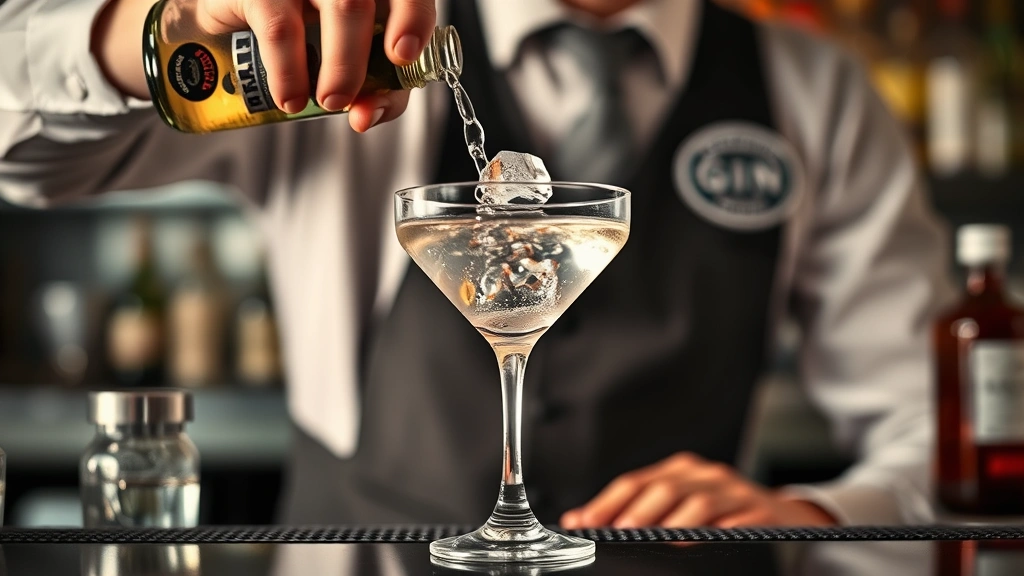
- Fill a mixing glass or cocktail shaker with ice. Use large cubes if possible, as they melt more slowly and dilute the drink less. If you only have crushed ice, that works too, but chill the glass for an extra minute.
- Pour the 2 ounces of premium dry gin into the ice-filled glass. Choose a gin you genuinely enjoy drinking, as its character will shine through in the finished martini.
- Add the ½ ounce of dry vermouth to the glass. Measure carefully—too much vermouth will overpower the gin, while too little will result in an unbalanced drink.
- Add the ½ ounce of olive brine to the mixing glass. This is what makes your martini “dirty.” The brine adds a beautiful briny, salty note that complements the gin’s botanical profile.
- Stir the mixture gently but thoroughly for about 30 seconds. You’re not shaking; you’re stirring. This technique maintains the silky texture and proper dilution without introducing too much air into the drink.
- If you prefer a slightly different experience, you can shake the ingredients instead of stirring, which will chill the drink even more quickly and create a slightly different mouthfeel, though stirring is traditional.
- Strain the martini into a chilled coupe glass or traditional martini glass. The glass should be ice-cold—if it’s not already, run cold water over it or place it in the freezer for a few minutes before serving.
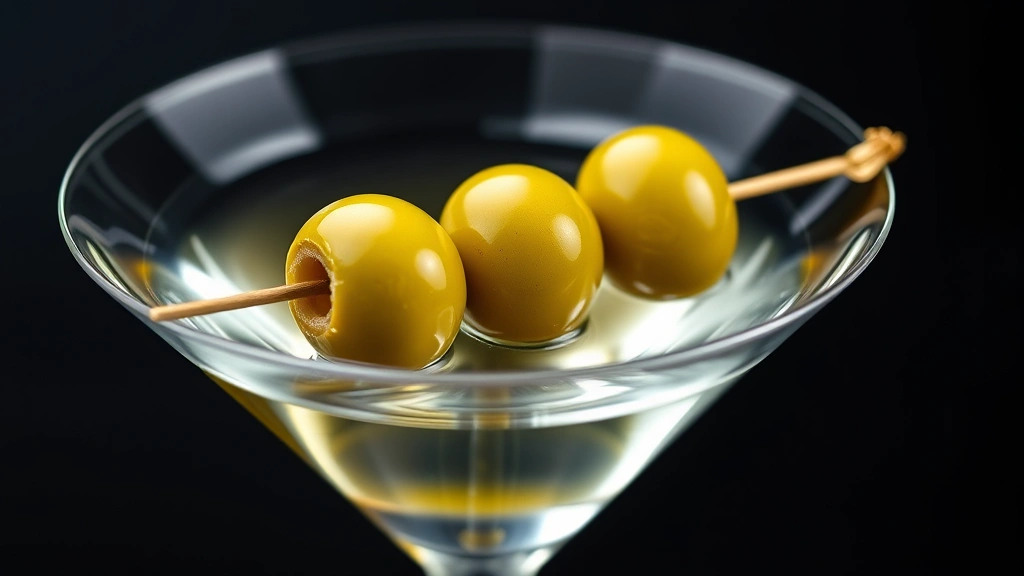
- Thread 3-4 pitted green olives onto a cocktail pick or skewer. Arrange them so they look elegant and appetizing.
- Carefully place the olive skewer across the top of the martini glass so the olives are partially submerged in the drink.
- If desired, express the oils from a lemon twist by twisting it over the drink so the oils spray onto the surface. You can either add the twist to the drink or set it on the rim—this is a matter of personal preference.
- Serve immediately while the martini is at peak coldness. A properly made martini should be consumed immediately after preparation.
Pro Tips
- The temperature of your martini is absolutely critical. Everything should be cold—the glass, the ingredients, the ice. Some bartenders even freeze their gin and vermouth for an extra-cold result.
- The ratio of gin to vermouth is traditionally 6:1, but some prefer 5:1 or even 8:1. Start with the classic ratio and adjust according to your preference. The more vermouth you use, the more balanced and less spirit-forward the drink becomes.
- Olive brine quality matters tremendously. Use olives packed in good-quality brine, not the cheap varieties. The better your olives, the better your martini will taste.
- Some people prefer cocktail onions instead of olives, which technically makes the drink a Gibson martini, not a dirty martini. However, the preparation method remains identical.
- Premium gin selection is crucial. Explore different botanicals and brands to find your favorite. Classic choices include Tanqueray, Beefeater, and Bombay Sapphire, but don’t be afraid to try smaller craft distillers.
- Always use fresh dry vermouth. Vermouth oxidizes after opening and loses its delicate flavors. Store opened vermouth in the refrigerator and replace it every few months.
- The olive garnish isn’t just decorative—it becomes part of the drink as you consume it. The olive oil and brine gradually infuse into the martini, creating a wonderful progression of flavors.
- If you’re making multiple martinis, chill all glasses simultaneously and prepare each drink individually rather than batching them. Martinis are best when made to order.
- The difference between a martini made with gin and one made with vodka is significant. Gin brings botanical complexity, while vodka creates a more neutral canvas. This recipe celebrates gin’s character.
- For a less “dirty” martini, reduce the olive brine to ¼ ounce. For a very dirty martini, increase it to ¾ ounce. Find your perfect balance through experimentation.
- Never use olive brine that’s been in the jar for extended periods. Fresh brine creates a cleaner, crisper martini.
- Consider the type of olives you use. Castelvetrano olives are buttery and mild, while Kalamata olives are more robust. Green olives offer a different flavor profile than black olives.