
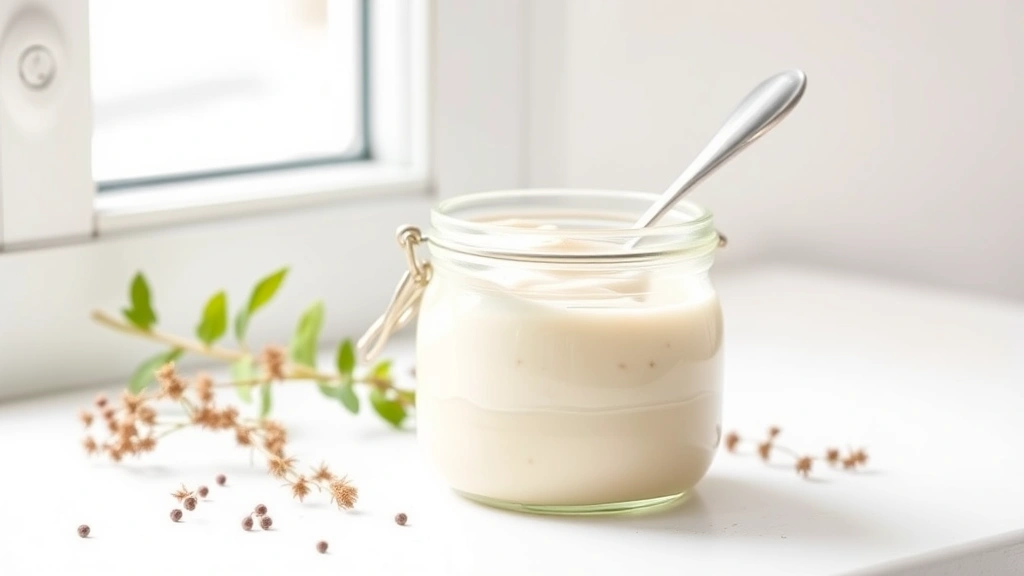
Crème fraîche is the sophisticated French cousin of sour cream that every home cook should master! This silky, tangy cultured cream adds elegance and depth to both sweet and savory dishes. Making it at home is surprisingly simple—you’ll need just two ingredients and a little patience. Unlike store-bought versions, homemade crème fraîche has a fresher, more delicate flavor that transforms creamy pasta dishes and desserts alike. The magic happens through a natural fermentation process where beneficial bacteria thicken the cream while developing that signature tangy notes.
What makes crème fraîche so special is its versatility and richness. Unlike regular sour cream, it won’t curdle when heated, making it perfect for heavy cream pasta recipes and luxurious sauces. The cultured cream adds a sophisticated touch to chicken Alfredo, fruit desserts, and even simple baked potatoes. This recipe requires minimal effort but yields maximum flavor—perfect for elevating weeknight dinners and impressing dinner guests.
The beauty of making crème fraîche at home is the control you have over texture and tanginess. You can adjust the fermentation time to achieve your preferred level of tartness, from subtle and buttery to bold and tangy. Fresh, quality heavy cream makes all the difference here, so source the best cream you can find. Room temperature is your friend during the culturing process, and patience is your secret weapon. Once you’ve mastered this basic technique, you’ll find yourself reaching for homemade crème fraîche in everything from salads to soups to pickled vegetables. Let’s dive into creating this creamy, dreamy kitchen staple!
For more inspiration on cultured dairy products, check out Serious Eats’ guide to cultured dairy and Bon Appétit’s crème fraîche recipe. You can also explore New York Times’ crème fraîche techniques for additional perspectives on this timeless ingredient.
Ingredients
- 2 cups heavy cream (preferably not ultra-pasteurized)
- 2 tablespoons fresh lemon juice or white vinegar (or 1/4 cup buttermilk as alternative)
Instructions
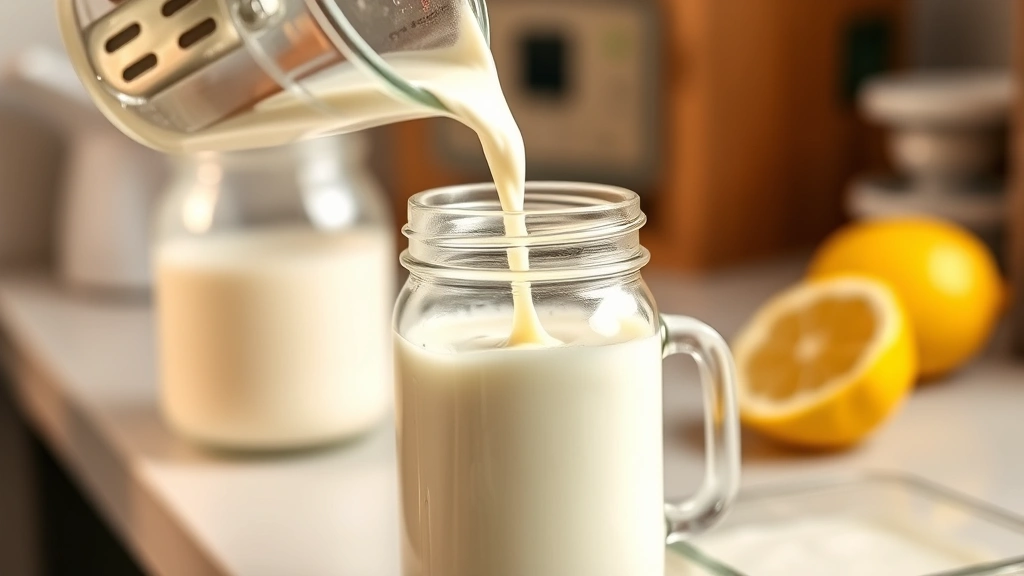
- Pour the heavy cream into a clean glass jar or bowl. Make sure your container is completely clean and dry—any residue can interfere with the culturing process.
- Add the lemon juice, vinegar, or buttermilk to the cream. If using lemon juice or vinegar, stir gently but thoroughly to distribute evenly throughout the cream. The acid will begin the culturing process immediately.
- Cover the jar loosely with a lid or clean cloth. You want to allow air circulation while preventing dust and debris from entering. A loose lid works better than a tight seal for this fermentation.
- Place the jar in a warm spot on your kitchen counter, ideally between 68-75°F (20-24°C). A kitchen counter away from direct sunlight works perfectly. Avoid placing it in the refrigerator or anywhere too cold, as this will slow the culturing process significantly.
- Let the cream sit undisturbed for 8-24 hours, depending on your desired tanginess and room temperature. Start checking around the 8-hour mark—you’ll notice the cream beginning to thicken slightly.
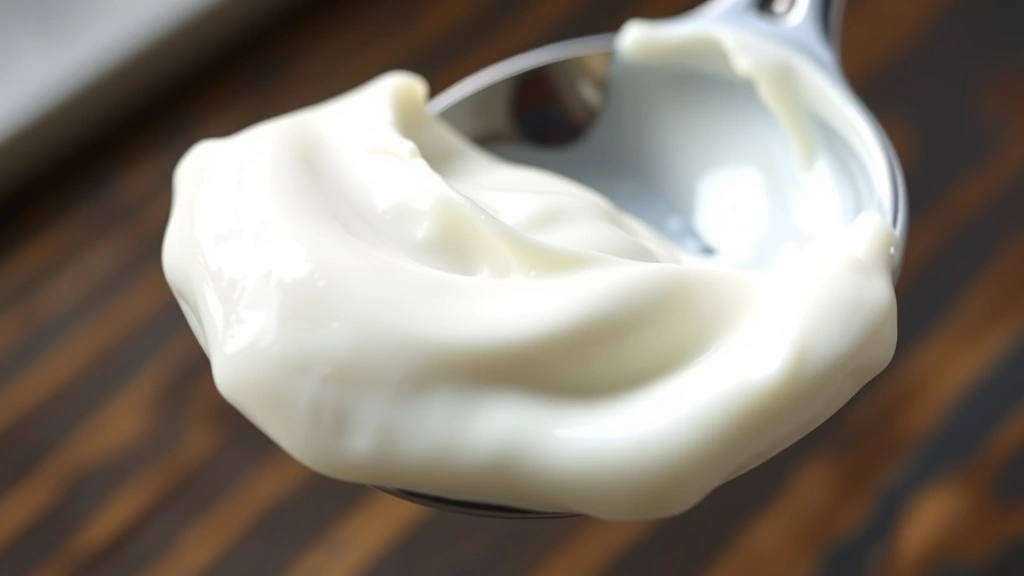
- After about 12 hours (or when the mixture has noticeably thickened), gently stir the crème fraîche to check the consistency. It should coat the back of a spoon and have a slightly tangy aroma.
- Once it reaches your preferred thickness and tang level, cover the jar with a tight lid and refrigerate immediately. This stops the fermentation process.
- Your homemade crème fraîche will keep in the refrigerator for up to 2 weeks. It will continue to thicken slightly as it cools and sits.
- Before using, give it a gentle stir if any liquid has separated on the surface—this is completely normal and can be stirred back in.
- Use your beautiful homemade crème fraîche in all your favorite recipes, from savory sauces to sweet desserts. It’s now ready to elevate your cooking!
Pro Tips
- The key to perfect crème fraîche is using high-quality heavy cream that hasn’t been ultra-pasteurized. Ultra-pasteurized cream has been heated to such high temperatures that the natural bacteria have been destroyed, making it much harder to culture properly.
- Room temperature is absolutely crucial. If your kitchen is too cold, the culturing will be very slow. On the other hand, if it’s too warm (above 80°F), you risk the cream becoming too tangy or even developing off-flavors. Aim for a cozy 70-75°F spot.
- Both lemon juice and buttermilk work as starters, but they produce slightly different results. Lemon juice gives a cleaner, brighter tang, while buttermilk creates a more complex, dairy-forward flavor. Vinegar works too, though it can impart a vinegary note if you’re not careful.
- The fermentation timeline varies based on temperature and your starter choice. In a warm kitchen, crème fraîche can be ready in 8-10 hours. In a cooler environment, it may take 18-24 hours. This is why checking periodically is important.
- You’ll know it’s ready when it coats a spoon and has a noticeably tangy aroma. If you prefer it even thicker, you can let it culture a bit longer, but don’t go past 24 hours with the lemon juice or vinegar method, as it can become overly thick or separate.
- Crème fraîche is remarkably heat-stable compared to sour cream or regular dairy cream. You can fold it into hot soups, stir it into warm sauces, or use it to finish hot pasta dishes without worrying about curdling.
- Store your finished crème fraîche in a sealed glass container in the coldest part of your refrigerator. The cold temperature halts fermentation and keeps it fresh for up to two weeks.
- If you notice any mold or off-odors, discard the batch—this indicates contamination. This is rare with proper technique and clean equipment.
- Homemade crème fraîche can be sweetened with vanilla and sugar for desserts, or used as a base for savory dips and spreads. Its versatility is truly endless once you master this simple recipe.
Pingback: How to make the BEST Pesto Chicken Pasta Recipe Ever! – Simple Recipe Finder