
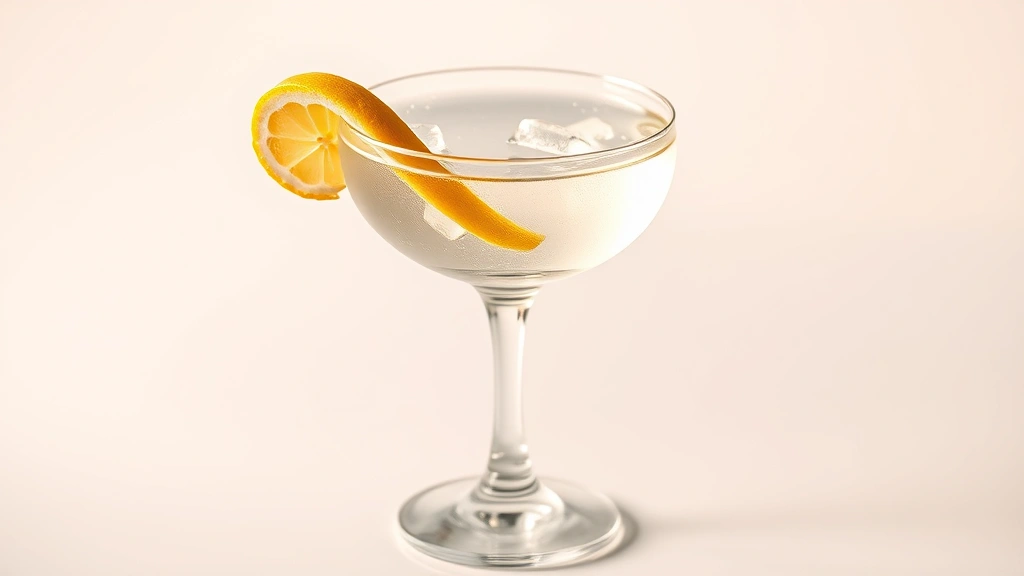
There’s nothing quite like a perfectly crafted gin martini—it’s the epitome of elegance and sophistication. This classic cocktail has been a favorite for generations, and once you master the simple technique, you’ll understand why. The beauty of a martini lies in its simplicity: just gin, vermouth, and a twist of citrus or olives. But don’t let that fool you—making the perfect martini is an art form that requires attention to detail and quality ingredients.
While many cocktails have evolved over the years with complicated flavor profiles and trendy ingredients, the martini has remained beautifully timeless. It’s a drink that demands respect and precision. Whether you’re hosting a dinner party or enjoying a sophisticated evening at home, knowing how to make a perfect gin martini is an essential skill for any home bartender.
The key to a superior martini starts with proper technique and high-quality spirits. Unlike many cocktails that rely on multiple ingredients and complex flavor combinations, a martini’s success depends on the quality of your gin and vermouth, the temperature of your glass, and the proper dilution achieved through stirring. This recipe will guide you through each step to create a martini that rivals any upscale cocktail bar.
One of the most debated aspects of martini-making is whether to shake or stir. The traditional and superior method is stirring, which allows for proper dilution and maintains the silky texture that makes a martini so elegant. Shaking can create unnecessary aeration and dilution, resulting in a less refined final product. For appetizer ideas to pair with your martini, consider our Best Shishito Peppers Recipe or Best Garlic Shrimp Scampi Recipe.
The ratio of gin to vermouth is another crucial element. The classic martini uses a 6:1 ratio, though some prefer it even drier with a 10:1 ratio. Your preference depends on how much you enjoy the herbal notes of the vermouth. A “dry” martini means less vermouth, while a “wet” martini contains more. Finding your perfect ratio is part of the fun of mastering this classic cocktail.
Temperature is absolutely non-negotiable when making a martini. Your glass must be ice-cold, which is why chilling your glassware before you begin is essential. Similarly, all your ingredients should be as cold as possible. This is why we stir the drink with ice—to properly chill and dilute it to perfection.
The garnish you choose—whether it’s a lemon twist, lime twist, or olives—adds the final touch to your martini. A lemon twist provides a bright, citrusy note that complements the botanical flavors of quality gin. Olives add a briny, savory element that some prefer. The choice is entirely yours, but make sure your garnish is fresh and of high quality.
For more sophisticated entertaining ideas, explore our collection of elegant appetizers and cocktail pairings. The martini pairs beautifully with a variety of small bites and sophisticated dishes that enhance its refined character. Whether you’re preparing a complete dinner party menu or simply enjoying an evening with friends, the perfect gin martini is the ultimate way to start the night.
This recipe will teach you the proper technique for creating a martini that’s cold, well-balanced, and absolutely delicious. Once you’ve mastered this classic, you’ll have a skill that impresses everyone and ensures you always have a perfect cocktail ready to enjoy. Let’s dive into the details and create martini magic together.
Ingredients
- 2.5 ounces premium dry gin
- 0.5 ounce dry vermouth
- Ice cubes for stirring and chilling
- 1 lemon twist or 2-3 green olives for garnish
- Cocktail glass or coupe glass

Instructions
- Place your martini glass in the freezer to chill for at least 5-10 minutes before starting. If you don’t have time to freeze it, fill the glass with ice water while you prepare the drink.
- Fill a mixing glass or cocktail pitcher about two-thirds full with fresh ice cubes. Using quality ice that’s been freshly made will keep your martini colder longer.
- Pour the 2.5 ounces of premium gin over the ice in your mixing glass. High-quality gin is essential—the flavors matter since there are so few ingredients.
- Add the 0.5 ounce of dry vermouth to the mixing glass with the gin. This ratio creates a classic martini; adjust to your preference for a drier or wetter version.
- Using a bar spoon or long cocktail spoon, stir the mixture gently but deliberately for about 30 seconds. This is the crucial step—stirring properly chills the drink and adds just the right amount of dilution from the melting ice.
- Remove the chilled glass from the freezer and discard any water that may have accumulated inside.
- Strain the martini mixture from your mixing glass into the chilled cocktail glass using a Hawthorne strainer, ensuring no ice shards fall into the drink.
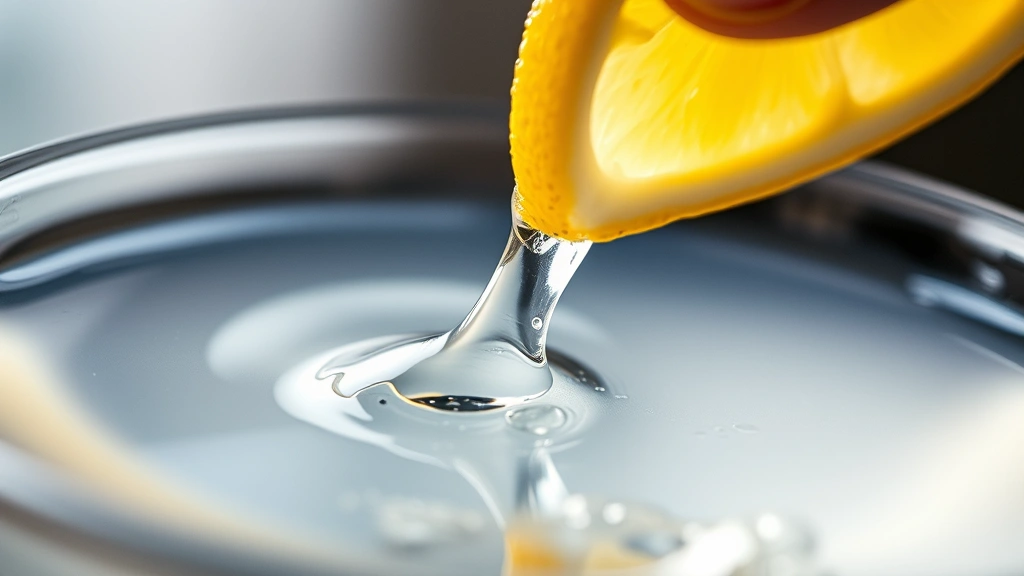
- If using a lemon twist for garnish, hold the lemon peel over the surface of the drink and express the oils by twisting it sharply. This releases the essential oils and adds aroma to your drink.
- Drop the expressed lemon twist into the martini as garnish, or if using olives, spear 2-3 on a cocktail pick and place it across the top of the glass.
- Serve immediately and enjoy your perfectly crafted gin martini at its optimal temperature and flavor profile.
Pro Tips
- Quality gin is absolutely paramount—invest in a premium brand you enjoy, as the gin is the star ingredient in this minimalist cocktail. Brands like Tanqueray, Bombay Sapphire, or Hendrick’s are excellent choices.
- Vermouth must be fresh and stored properly. Once opened, vermouth oxidizes quickly, so store it in a cool place or refrigerator and replace it every few months for the best flavor.
- The ratio of 6:1 (gin to vermouth) is the classic standard, but you can adjust based on preference. A 10:1 ratio creates an extra-dry martini, while 4:1 creates a wetter, more herbal version.
- Always stir, never shake, for an authentic martini. Shaking creates unnecessary aeration and can make the drink cloudy rather than crystal clear.
- Your glassware must be impeccably clean and properly chilled. Any residue or warmth will compromise your martini’s perfection.
- Use fresh, quality ice. Ice made from filtered water will keep your drink colder and clearer than regular ice.
- The lemon twist releases essential oils when expressed—this is where much of the aromatic experience comes from. Express it right over the drink so the oils float on the surface.
- If you prefer olives, choose large, quality green olives (not black) and skewer them on a cocktail pick. Some bartenders prefer three olives for visual balance.
- Timing is important—serve your martini immediately after straining while it’s at peak temperature and dilution.
- Some people prefer a ‘dirty’ martini with a splash of olive brine, but this is a variation of the classic and not considered a traditional gin martini.
- Experiment with different gins to find your favorite. Gin flavor profiles vary significantly depending on the botanicals used, so trying different brands will help you discover your preference.
- Never use ice from your freezer to stir if it’s been there for weeks—it can absorb freezer flavors. Use freshly made ice for the best result.