
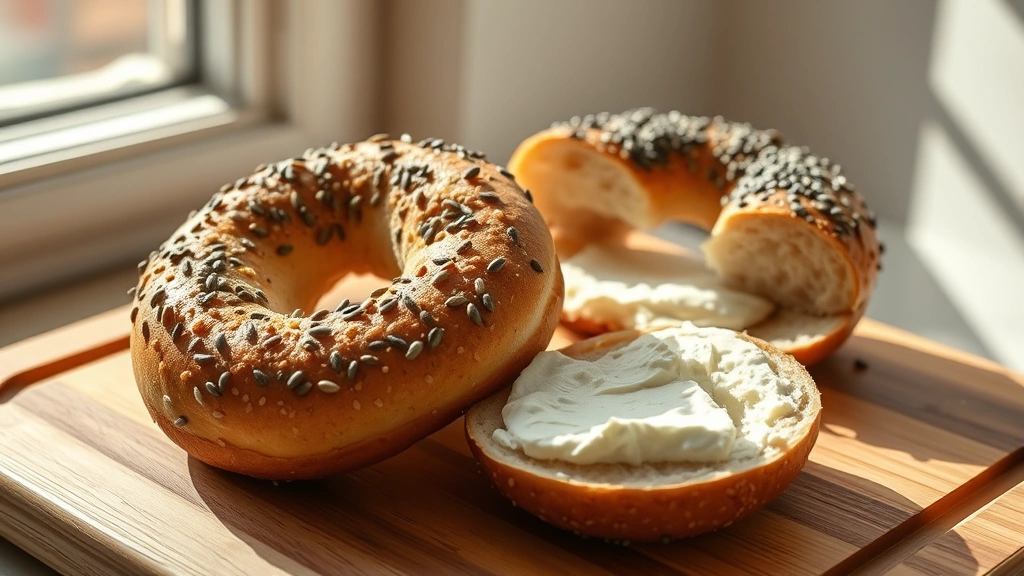
Making the perfect gluten-free bagel at home is easier than you might think, and the results are absolutely worth the effort! These bagels have that coveted chewy interior and slightly crispy exterior that makes traditional bagels so irresistible. The secret lies in using the right blend of gluten-free flours, proper hydration, and the boiling technique that gives bagels their signature texture.
This recipe combines brown rice flour, tapioca starch, and potato starch to mimic the structure that gluten typically provides. The result is a bagel that’s tender, chewy, and genuinely delicious—not a dense, crumbly imposter. Whether you’re avoiding gluten due to celiac disease, sensitivity, or simply preference, these bagels prove that you don’t have to sacrifice quality or taste.
The dough comes together quickly and benefits from a cold overnight rise, which develops flavor and makes shaping easier. The boiling step is crucial—it’s what creates that distinctive bagel crust and chewy crumb. You can top these with everything seasoning, sesame seeds, poppy seeds, or keep them plain for spreading with cream cheese and toppings.
These bagels freeze beautifully, so you can make a batch and enjoy fresh bagels throughout the week. Simply thaw and toast before serving. Pair them with your favorite salad for a complete breakfast, or toast and top with creamy spreads. For more detailed information on gluten-free baking techniques, check out Serious Eats and Bon Appétit‘s comprehensive guides. You can also find helpful tips at New York Times Cooking for perfecting your bagel-making skills.
Ingredients
- 2 cups brown rice flour
- 1 cup tapioca starch
- 3/4 cup potato starch
- 2 tablespoons sugar
- 1 1/2 teaspoons salt
- 2 1/4 teaspoons instant yeast
- 2 tablespoons vegetable oil
- 1 1/4 cups warm water
- 1 tablespoon honey or sugar for boiling water
- Toppings: everything seasoning, sesame seeds, or poppy seeds (optional)
Instructions
- In a large mixing bowl, whisk together brown rice flour, tapioca starch, potato starch, sugar, salt, and instant yeast. Make sure all ingredients are evenly distributed, breaking up any lumps in the starches.
- Create a well in the center of the dry ingredients and add the warm water and vegetable oil.
- Using a wooden spoon or the dough hook attachment of a stand mixer, mix until a shaggy dough forms. The dough will be slightly sticky and wet, which is exactly what you want for gluten-free bagels.
- Continue mixing on medium speed for 3-4 minutes until the dough comes together into a cohesive mass. The dough should be smooth and slightly tacky to the touch.
- Cover the bowl with a damp kitchen towel and let the dough rest at room temperature for 30 minutes. This rest period helps the starches absorb moisture and makes the dough easier to work with.
- After the rest, divide the dough into 8 equal portions using a kitchen scale or by eye. Each portion should weigh about 110-115 grams.
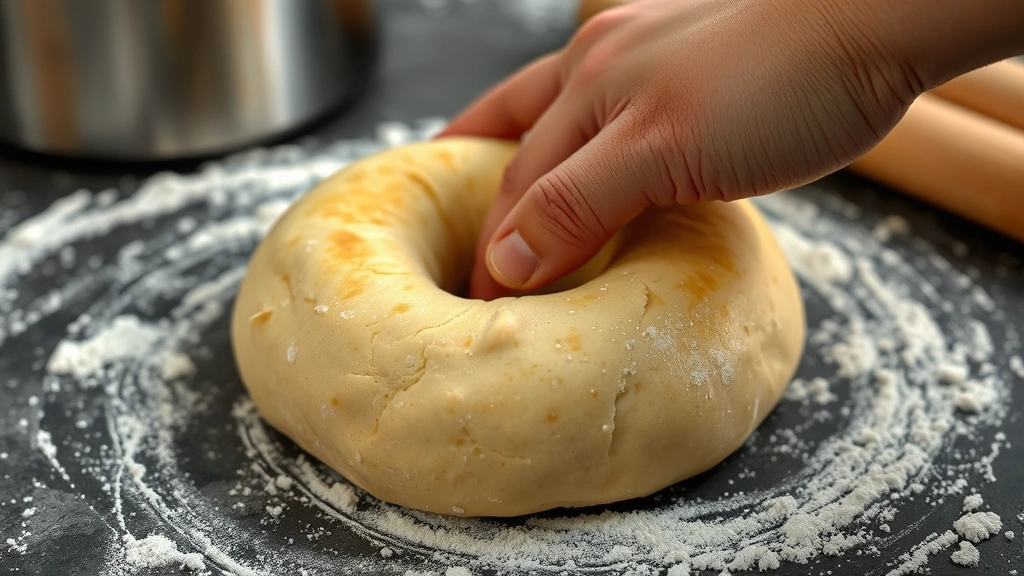
- Working with one portion at a time, shape it into a smooth ball by gently rolling it on the counter with cupped hands. Keep the other portions covered to prevent them from drying out.
- Using your thumb or a wooden spoon handle, poke a hole through the center of each ball, creating a bagel shape. Gently stretch the hole until it’s about 2 inches in diameter.
- Place each shaped bagel on a piece of parchment paper and cover them all with a damp towel. Let them rise at room temperature for 1 hour until they’re puffy but still hold their shape when gently pressed.
- Transfer the shaped bagels on their parchment squares to a baking sheet. Cover them tightly with plastic wrap and refrigerate overnight, or for at least 8 hours. This cold fermentation develops flavor and makes the bagels easier to boil.
- The next day, remove the bagels from the refrigerator 30 minutes before boiling to bring them closer to room temperature. Preheat your oven to 425°F (220°C).
- Fill a large pot with water and bring it to a boil. Add 1 tablespoon of honey or sugar to the boiling water. This sweetens the bagels and helps them brown nicely.
- Working in batches, carefully place 2-3 bagels into the boiling water. They should sink briefly and then float to the surface within 30 seconds.
- Boil each bagel for 1 minute on the first side, then flip gently with a slotted spoon and boil for another 1 minute on the second side. The bagels should be slightly puffed and have a light coating of the boiling liquid.
- Remove the bagels from the boiling water using a slotted spoon and place them on a wire rack or parchment-lined baking sheet. Pat them dry gently with a clean towel.
- If using toppings, brush the top of each bagel with a little water and immediately sprinkle with your desired toppings: everything seasoning, sesame seeds, or poppy seeds.
- Transfer the bagels to a baking sheet lined with parchment paper, leaving space between each one.
- Bake for 20-25 minutes until the bagels are golden brown and sound hollow when tapped on the bottom. The tops should be a deep golden color while the sides maintain a slightly lighter tone.
- Remove from the oven and transfer to a wire cooling rack. Let them cool for at least 10 minutes before slicing. Bagels will firm up slightly as they cool.
- Slice bagels in half using a serrated knife or bagel knife with a gentle sawing motion. Serve warm or at room temperature with your favorite spreads and toppings.
Pro Tips
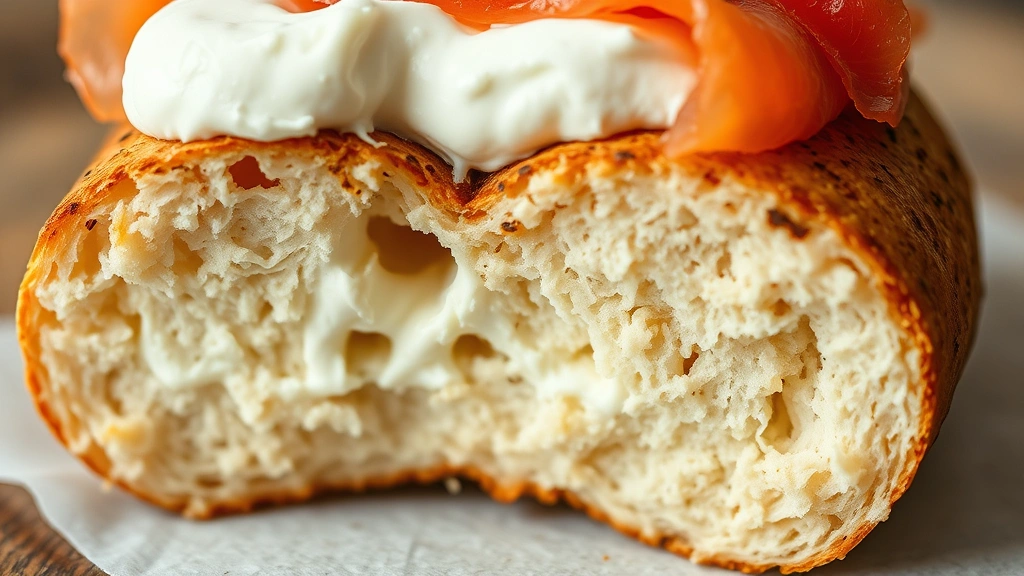
- Flour blends are crucial for gluten-free bagels. The combination of brown rice flour, tapioca starch, and potato starch creates the right texture and chewiness. Do not substitute with all-purpose gluten-free flour blends, as they often contain xanthan gum which can make bagels gummy.
- Water temperature matters. Use water that’s about 110°F (43°C)—warm to the touch but not hot. Water that’s too hot will kill the yeast; water that’s too cold won’t activate it properly.
- The overnight cold fermentation is not optional. This step develops flavor, makes the dough easier to handle, and improves the final texture of your bagels. It also gives you flexibility in your schedule.
- When shaping, work gently and avoid overhandling the dough. Gluten-free dough is more delicate than wheat dough and can become sticky if worked too much.
- The boiling step is what makes bagels unique. Don’t skip it or rush it. The brief boil creates the signature chewy exterior and helps set the crust before baking.
- Add honey or sugar to the boiling water for better browning. This also adds subtle sweetness to the bagels’ exterior.
- These bagels freeze beautifully for up to 3 months. Wrap cooled bagels individually in plastic wrap and place in a freezer-safe bag. Thaw at room temperature or toast directly from frozen.
- Store fresh bagels in an airtight container at room temperature for up to 2 days. After that, they’re best toasted.
- For a richer bagel, add an egg to the dough for extra structure and flavor.
- Experiment with different toppings: everything seasoning, sesame, poppy, caraway, or dried onion and garlic for variety.
- If bagels spread too much during boiling, they likely over-proofed. Next time, reduce the room temperature rise time or use a cooler environment.
- A bagel knife with serrated edges makes slicing much easier, but a sharp serrated bread knife works well too.