
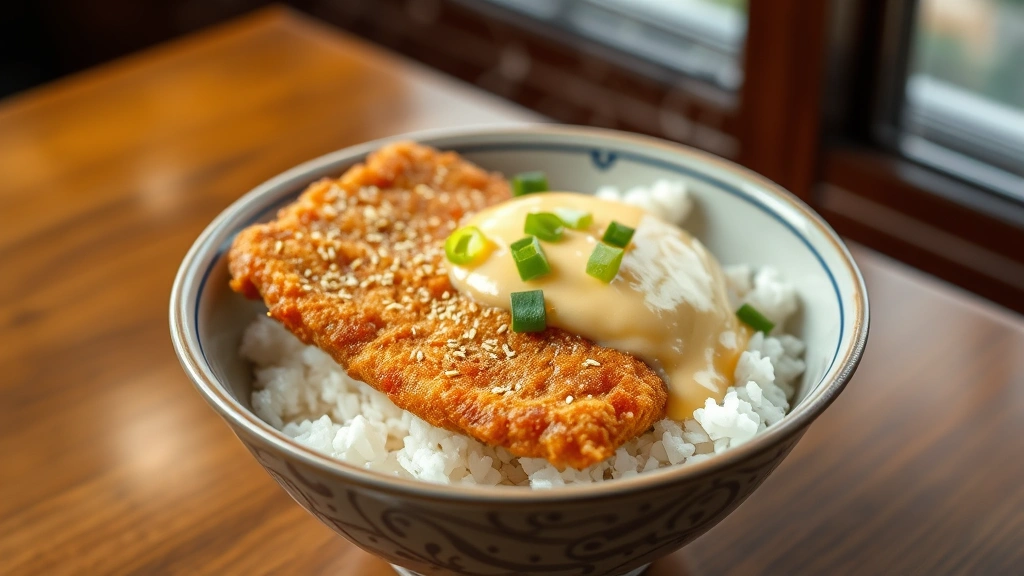
Katsudon is one of Japan’s most beloved comfort foods—a stunning bowl of fluffy rice topped with a perfectly breaded and fried pork cutlet, all nestled in a silky egg sauce that’s both savory and slightly sweet. This dish might look intimidating, but I promise it’s easier than you think! The key to mastering katsudon is understanding the three essential components: the crispy tonkatsu (breaded pork cutlet), the flavorful dashi-based sauce, and the perfectly cooked egg. Once you nail these elements, you’ll be making restaurant-quality katsudon at home.
What I absolutely love about katsudon is how it brings together texture, flavor, and visual appeal in one gorgeous bowl. The contrast between the crunchy exterior of the pork cutlet and the tender, juicy meat inside is simply divine. Then there’s that moment when the beaten egg hits the hot sauce and becomes this creamy, dreamy coating—it’s pure magic. This is the kind of dish that makes you understand why Japanese cuisine is celebrated worldwide.
I’ve been making katsudon for years, and I’ve picked up quite a few tricks along the way. The biggest game-changer for me was learning to properly pound the pork cutlet to an even thickness—this ensures even cooking and that perfect tender bite. I also discovered that using a combination of panko and regular breadcrumbs creates an extra-crispy coating that stays crunchy even after the egg sauce is added. Another secret? A quick dip in ice water before breading helps the coating adhere beautifully.
This recipe serves 2 people and comes together in about 30 minutes from start to finish. It’s perfect for a weeknight dinner when you want something special without spending hours in the kitchen. You can also easily double or triple the recipe if you’re feeding a crowd. Let me walk you through each step, and I’ll share all my insider tips to help you create the most delicious katsudon you’ve ever tasted.
Before we dive in, I want to mention that if you’re interested in other Japanese-inspired dishes, you might enjoy exploring Best Branzino Fillet Recipe for elegant fish preparations, or even Perfect Bisquick Chicken Pot Pie Recipe for other comforting bowl-style meals. The techniques you’ll learn here translate beautifully to other protein-based dishes as well.
For more detailed information on Japanese cooking techniques and authentic recipes, I highly recommend checking out Serious Eats, which has wonderful resources on Asian cuisine. Bon Appétit also features some fantastic variations on classic comfort food recipes, and New York Times Cooking has excellent step-by-step guides for perfecting your technique.
The beauty of katsudon is that it teaches you fundamental cooking skills—proper breading technique, temperature control for deep frying, and sauce balance—that you’ll use again and again. Whether you’re a beginner cook looking to expand your repertoire or an experienced home chef wanting to master Japanese cuisine, this recipe is absolutely achievable. So let’s get started on creating a bowl of katsudon that’ll rival your favorite Japanese restaurant!
Ingredients
- 2 boneless, skinless pork chops (about 6-8 ounces each, 3/4 inch thick)
- 1 cup all-purpose flour
- 2 large eggs, beaten
- 1 cup panko breadcrumbs
- 1/2 cup regular breadcrumbs
- 1 teaspoon salt
- 1/2 teaspoon white pepper
- Vegetable oil for deep frying (about 2 cups)
- 2 cups Japanese short-grain rice, cooked
- 1 cup dashi broth (or chicken broth as substitute)
- 3 tablespoons soy sauce
- 2 tablespoons mirin (sweet rice wine)
- 1 tablespoon sugar
- 1/2 medium yellow onion, sliced thinly
- 3 large eggs, beaten (separate from breading eggs)
- 2 green onions, chopped
- 1 teaspoon white sesame seeds (optional)
- Shichimi togarashi (Japanese seven-spice blend) for garnish (optional)
Instructions
- Prepare your pork cutlets by placing them between two sheets of plastic wrap. Using a meat mallet, pound gently but firmly until they’re about 1/4 inch thick and uniform in thickness throughout. This step is crucial for even cooking and tender meat.
- Pat the pounded pork cutlets dry with paper towels, then season both sides generously with salt and white pepper.
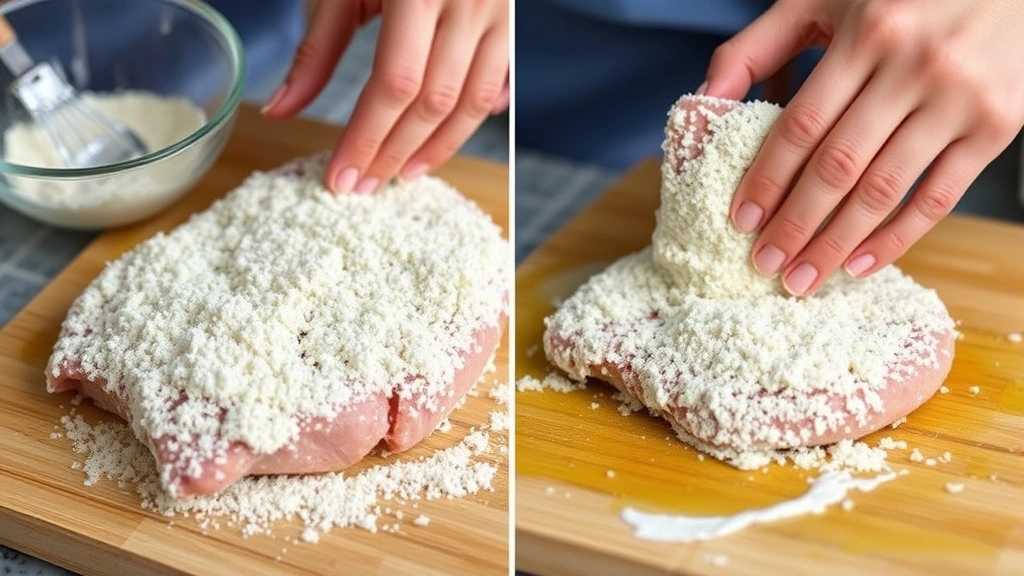
- Set up your breading station with three shallow dishes: one with flour, one with the beaten eggs, and one with a mixture of panko and regular breadcrumbs combined together.
- Quickly dip each pork cutlet into ice water for about 5 seconds—this helps the breading adhere better. Pat dry immediately.
- Coat each cutlet thoroughly in flour, shaking off any excess. Then dip into the beaten egg, making sure both sides are well coated.
- Press each cutlet firmly into the breadcrumb mixture, coating both sides evenly. Press gently so the breadcrumbs adhere well. Place on a plate and let rest for 5 minutes—this helps set the coating.
- Heat the vegetable oil in a heavy-bottomed pot or deep skillet to 350°F (175°C). Use a thermometer to ensure accurate temperature.
- Carefully slide one breaded pork cutlet into the hot oil. Fry for 3-4 minutes until golden brown, then flip carefully and fry the other side for another 3 minutes until deep golden brown and crispy.
- Remove the cooked katsu with tongs and place on a paper towel-lined plate to drain excess oil. Repeat with the second cutlet.
- While the katsu is frying, prepare the sauce by combining dashi broth, soy sauce, mirin, and sugar in a small saucepan. Heat over medium heat until it simmers gently, about 2 minutes.
- Divide the cooked rice between two bowls, mounding it slightly in the center of each bowl.
- Place the sliced onion in the simmering sauce and cook for about 2 minutes until the onion softens slightly but still has some texture.
- Cut each katsu into bite-sized strips about 1 inch wide.
Arrange the katsu strips on top of the rice in each bowl, overlapping them slightly.
- Pour half of the sauce (with the cooked onions) evenly over the katsu and rice in the first bowl. Keep the heat under the remaining sauce.
- Pour the beaten eggs into the hot sauce in the pan, stirring gently but not too vigorously—you want some larger pieces of egg to form. As soon as the eggs are just set but still slightly creamy (about 30-45 seconds), immediately pour this mixture over the first bowl.
- Quickly repeat the process with the remaining sauce, eggs, and second bowl.
- Garnish each bowl with chopped green onions and sesame seeds if desired. A light sprinkle of shichimi togarashi adds an extra kick if you like a bit of heat.
- Serve immediately while the katsudon is still hot, and enjoy!
Pro Tips
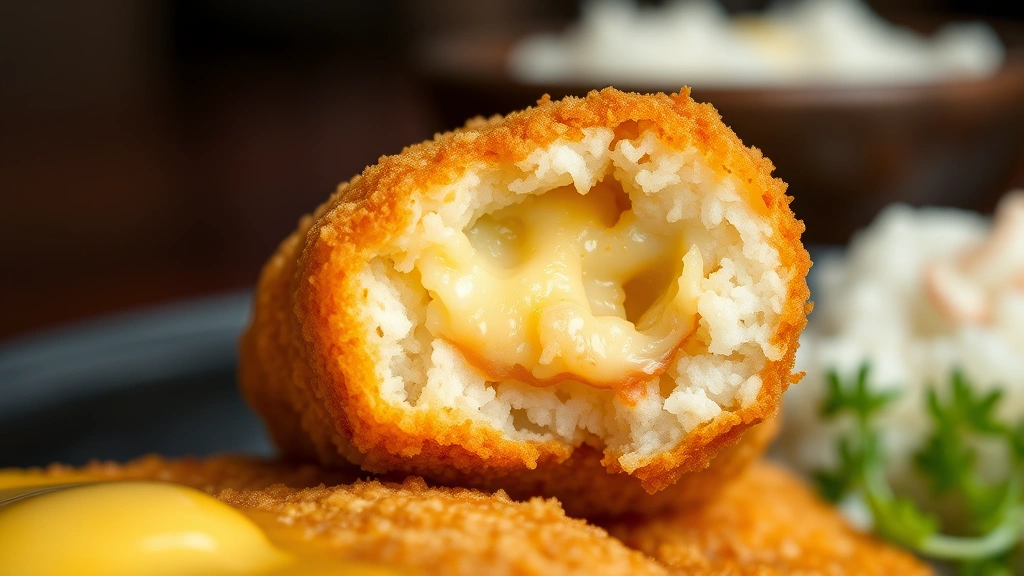
- The key to crispy katsu is maintaining the oil temperature at exactly 350°F. If it’s too cool, the coating will absorb oil and become greasy. If it’s too hot, the outside will burn before the inside cooks through. Invest in a good instant-read thermometer.
- Don’t skip the ice water dip before breading! This creates a thin moisture barrier that helps the breadcrumb coating adhere and creates an extra-crispy exterior.
- Pound your pork cutlets to uniform thickness so they cook evenly. Thicker sections will remain tough while thinner sections dry out if you skip this step.
- For authentic flavor, use real dashi broth made from kombu and bonito flakes, available at Asian markets or online. However, chicken broth works fine for a weeknight dinner.
- The egg sauce must be added right after the katsu is plated. If you let it sit, the breading will absorb moisture and lose its crispiness.
- Don’t overcook the eggs in the sauce—they should be just set with a slightly creamy consistency, not completely firm. This typically takes 30-45 seconds of gentle stirring.
- You can prep everything except frying ahead of time. Keep breaded cutlets in the refrigerator for up to 4 hours before cooking.
- Leftover katsu can be reheated in a 350°F oven for about 10 minutes to restore crispiness, though it’s best enjoyed fresh.
- The combination of panko and regular breadcrumbs is important—panko creates the crunch while regular breadcrumbs help it adhere and create a finer texture.
- Make sure your rice is freshly cooked and still warm when you assemble the bowls. The heat from the rice and sauce helps cook the eggs perfectly.
- If you’re nervous about deep frying, you can shallow-fry the katsu using about 1/4 inch of oil in a large skillet, though it requires more careful attention to achieve even browning.