
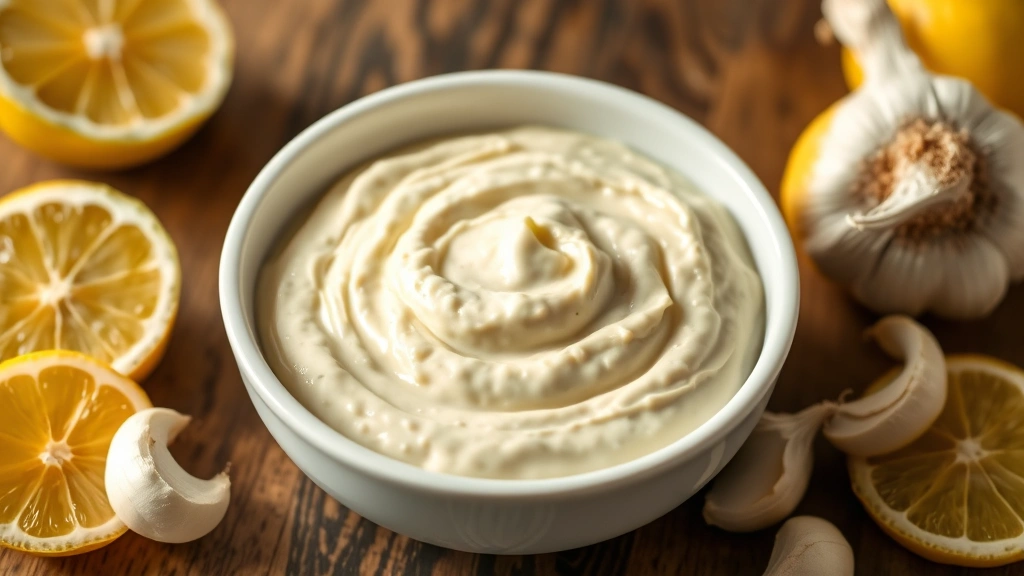
There’s nothing quite like homemade lemon aioli to elevate your favorite dishes from ordinary to absolutely extraordinary. This creamy, tangy condiment is a game-changer in the kitchen, and I’m thrilled to share my foolproof method for making it perfectly every single time.
Lemon aioli is essentially a Mediterranean-inspired mayo that combines the richness of eggs and oil with the bright, zesty punch of fresh lemon juice. It’s the kind of sauce that makes you wonder why you haven’t been making it at home all along. Whether you’re serving it alongside crispy fried foods, dolloping it on grilled fish, or using it as a spread for sandwiches, this lemon aioli recipe delivers restaurant-quality results with minimal effort.
What I absolutely love about this recipe is how versatile it truly is. You can serve it with shishito peppers for a stunning appetizer, pair it with chicken alfredo for added brightness, or use it as a dipping sauce for fresh vegetables. The possibilities are truly endless, and once you master this technique, you’ll find yourself making it constantly.
The secret to perfect lemon aioli lies in understanding the emulsion process. All the ingredients need to be at room temperature, and you must add the oil slowly—and I mean slowly—while whisking continuously. This patience pays off in a silky, luxurious sauce that’s leagues ahead of store-bought versions. I’ve tested this recipe dozens of times, and I’m confident that with these clear instructions, you’ll achieve aioli perfection on your first attempt.
If you’re new to making homemade sauces, don’t be intimidated. This recipe is incredibly forgiving and surprisingly simple. The combination of fresh lemon juice, quality garlic, and premium olive oil creates a flavor profile that’s bright, garlicky, and utterly addictive. You’ll wonder how you ever lived without this sauce in your cooking repertoire.
For even more inspiration on complementary sauces and dishes, check out my heavy cream alfredo sauce recipe and heavy cream pasta recipe. These pair beautifully with lemon aioli for a complete meal experience. You might also enjoy adding a pinch of my seasoning salt recipe to your aioli for extra depth.
For detailed guidance on emulsions, I recommend checking out Serious Eats’ comprehensive guide to making mayonnaise. Additionally, Bon Appétit’s lemon garlic aioli recipe offers excellent variations. For a professional perspective, The New York Times has an excellent aioli recipe worth exploring. You might also find Serious Eats’ guide to emulsified sauces incredibly helpful for understanding the science behind perfect aioli.
Ingredients
- 1 large egg yolk, room temperature
- 2 cloves fresh garlic, minced very finely
- 2 tablespoons fresh lemon juice, room temperature
- 1 teaspoon Dijon mustard
- 3/4 cup neutral oil (light olive oil or vegetable oil), room temperature
- 2 tablespoons extra virgin olive oil
- 1/4 teaspoon sea salt
- 1/8 teaspoon white pepper
- Pinch of cayenne pepper (optional)
- 1 teaspoon lemon zest (optional, for garnish)
Instructions
- Begin by ensuring all ingredients are at room temperature—this is absolutely crucial for emulsion success. Cold ingredients will cause your aioli to break. If your egg yolk feels cold, place it in a small bowl of warm water for one minute, then pat dry.
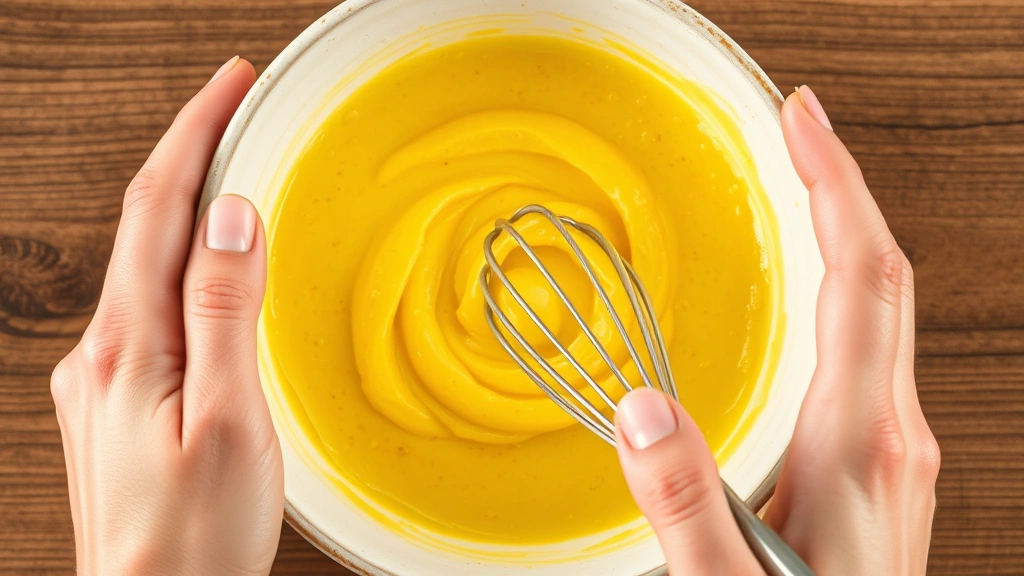
- In a medium mixing bowl, combine the minced garlic, egg yolk, lemon juice, and Dijon mustard. Whisk these ingredients together vigorously for about 30 seconds until well combined and slightly pale.
- Add the sea salt and white pepper to the mixture, whisking to incorporate evenly throughout.
- Begin adding the neutral oil one drop at a time while whisking constantly. This is the most important step—do not rush this process. Continue whisking and adding oil drop by drop for the first 1/4 cup of oil.
- Once the mixture begins to thicken and emulsify (you’ll see it getting noticeably thicker), you can increase the rate of oil addition to a thin, steady stream while continuing to whisk vigorously.
- Continue whisking and adding oil in a slow stream until approximately 1/2 cup of neutral oil has been incorporated and the mixture resembles thick, creamy mayonnaise.
- Add the extra virgin olive oil in a thin stream while whisking constantly, incorporating it fully into the aioli.
- Continue adding the remaining neutral oil in a thin stream, whisking constantly, until all oil is incorporated and the aioli reaches a thick, glossy consistency.
- Taste the aioli and adjust seasonings as needed. Add more lemon juice for extra brightness, salt for depth, or cayenne pepper for subtle heat.
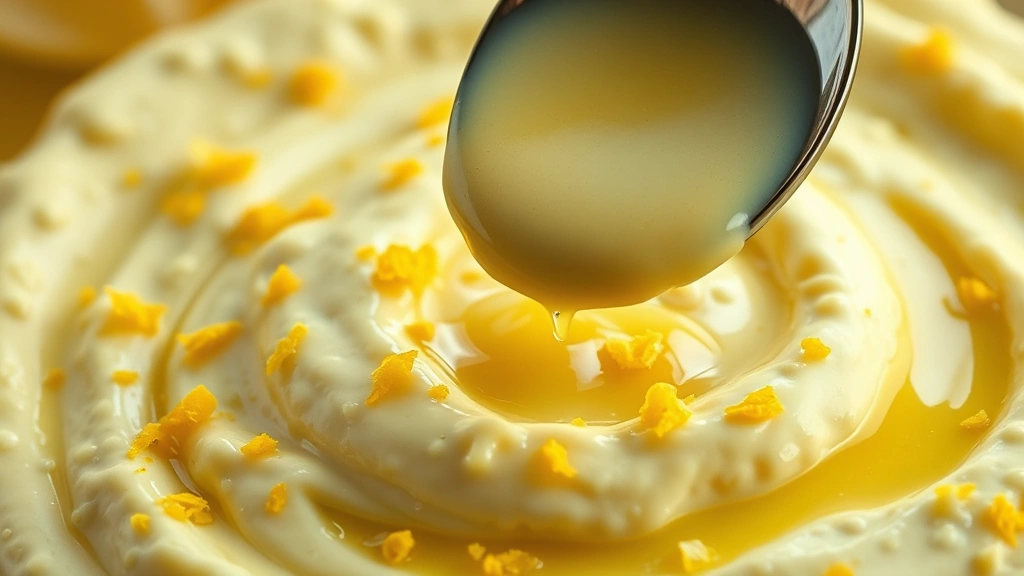
- If using, sprinkle the lemon zest over the top of the finished aioli and stir gently to incorporate.
- Transfer the lemon aioli to a clean jar or container and refrigerate until ready to serve. It will keep for up to five days in the refrigerator.
- If your aioli breaks (becomes separated or grainy), don’t panic—start with a fresh egg yolk in a clean bowl, slowly whisk in the broken aioli, and it will come together again.
Pro Tips
- Room temperature ingredients are non-negotiable for successful aioli. Take the time to let everything sit out for 15-20 minutes before starting.
- The key to perfect aioli is patience and a steady hand. Adding oil too quickly is the most common reason for broken aioli, so resist the urge to rush.
- If your aioli feels too thick, whisk in 1 teaspoon of warm water at a time until you reach your desired consistency.
- For a lighter version, substitute half the oil with Greek yogurt after the emulsion is complete, though this changes the traditional texture slightly.
- Fresh lemon juice is essential—bottled lemon juice won’t provide the same bright flavor and can affect the emulsion process.
- You can customize this aioli by adding fresh herbs like basil, tarragon, or parsley after the emulsion is complete.
- Roasted garlic creates a milder, sweeter aioli if you prefer a less pungent version.
- This aioli pairs beautifully with grilled fish, roasted vegetables, French fries, fried calamari, and even as a sandwich spread.
- If you’re nervous about raw egg, you can substitute 1 tablespoon of pasteurized liquid egg or use pasteurized eggs from your grocery store.
- Store your finished aioli in a glass jar in the refrigerator for up to five days. Always use clean utensils when removing aioli from the jar to prevent contamination.
- A hand mixer or immersion blender can be used instead of whisking by hand—just be careful not to over-blend, as this can create an overly thin consistency.
- The emulsion works because the lecithin in the egg yolk acts as an emulsifier, allowing oil and water-based ingredients to combine smoothly.
- You can make this aioli ahead of time and store it, making it perfect for entertaining or meal prep.