
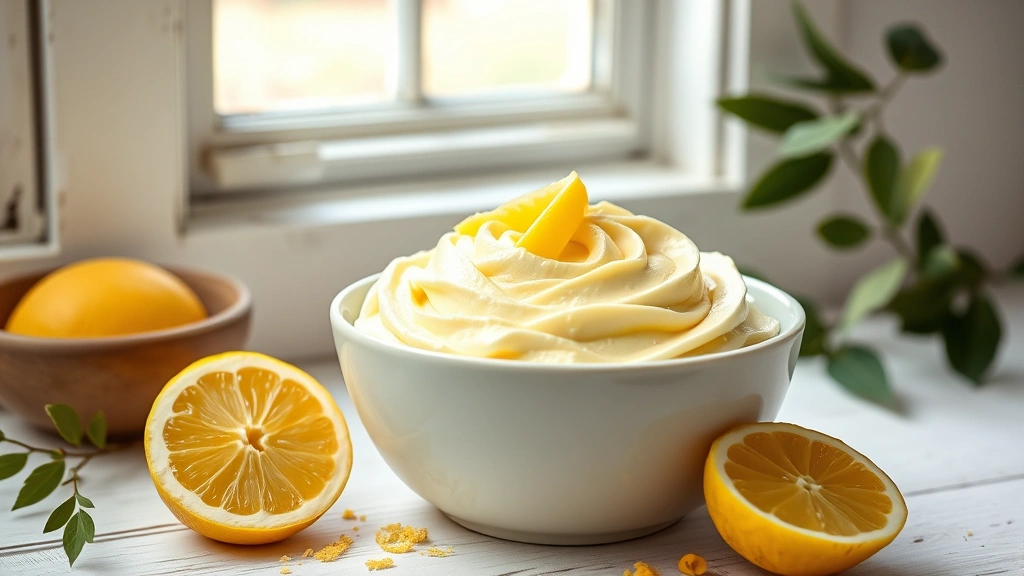
There’s something absolutely magical about a homemade lemon frosting that transforms an ordinary cake into something extraordinary. This classic recipe has been a staple in my kitchen for years, and I’m thrilled to finally share my foolproof method with you today.
Lemon frosting is the perfect way to brighten up any dessert. Whether you’re frosting a delicate vanilla cake, a rich chocolate layer cake, or even cupcakes for a summer gathering, this tangy-sweet frosting delivers sophisticated flavor that feels both elegant and approachable. The beauty of this recipe lies in its simplicity – with just a handful of quality ingredients and proper technique, you’ll create a frosting that’s perfectly smooth, spreadable, and absolutely delicious.
I love how versatile this frosting is. You can adjust the lemon intensity to your preference, make it as thick or spreadable as you like, and even tint it with a pale yellow for a gorgeous presentation. Plus, it pairs beautifully with so many cake flavors. If you’re looking for other frosting inspiration, you might enjoy exploring creamy sauce techniques that teach similar emulsification principles.
What makes this lemon frosting truly special is the balance. Too much lemon juice and your frosting becomes thin and weepy; too little and you lose that wonderful bright flavor. The key is using both fresh lemon juice and zest – the zest gives you that intense lemon flavor without adding too much liquid, while the juice provides that perfect tartness. I always use fresh lemons, never bottled juice, because the flavor difference is genuinely noticeable.
The technique is equally important as the ingredients. You’ll start by creaming your butter until it’s light and fluffy – this usually takes about 3-5 minutes with an electric mixer. Don’t skip this step, as it incorporates air into the butter, which creates a lighter, fluffier frosting texture. Once your butter is perfect, you’ll gradually add powdered sugar while mixing, then incorporate your lemon juice and zest at the end. This method ensures everything combines smoothly without lumps or separation.
Many people ask me about the consistency, and here’s what I’ve learned: the amount of lemon juice you add will depend on your preference and how much moisture your butter naturally contains. If your frosting seems too thick, add more juice one tablespoon at a time. If it’s too thin, add more powdered sugar. The goal is a frosting that’s thick enough to hold its shape when piped or spread, but not so stiff that it’s difficult to work with.
One pro tip: if you’re planning to make this frosting ahead of time, it actually improves when stored for a day or two. The flavors meld together beautifully, and the texture becomes even creamier. Just store it in an airtight container at room temperature for up to three days, or refrigerate for up to a week. Before using, bring it back to room temperature and give it a quick stir or brief beating to restore the creamy texture.
For more inspiration on complementary flavors and techniques, check out this guide to working with rich ingredients that demonstrates similar mixing principles. You might also enjoy learning about building layered flavors in your cooking.
If you want to get fancy with this frosting, consider these variations: add a touch of vanilla extract for extra depth, incorporate a bit of white chocolate for richness, or even add a splash of limoncello for an adult twist. You could also make this frosting with other citrus – lime, orange, or grapefruit all work beautifully with the same basic technique.
According to Bon Appétit’s frosting guides, the key to professional-looking results is proper temperature control and technique. I always recommend having your ingredients at room temperature before you begin – cold butter won’t cream properly, and cold eggs can cause the frosting to break.
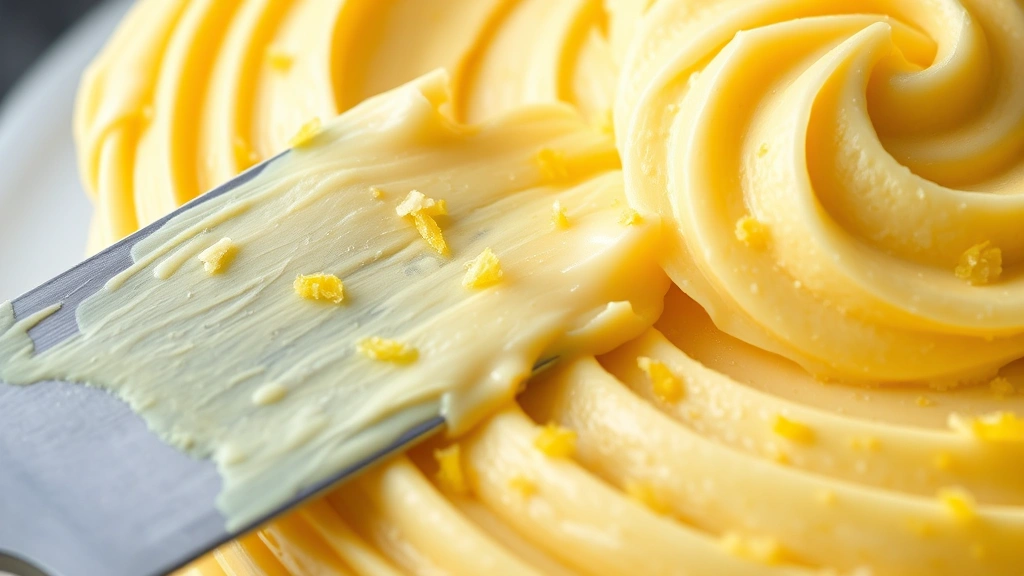
When it comes to application, a lemon frosting this smooth and creamy deserves to be shown off. Use an offset spatula for a rustic, homemade look, or invest in a piping bag and tips for more decorative effects. This frosting works with both smooth crumb coats and decorative piped borders.
For additional baking inspiration, The New York Times Cooking section has excellent resources on frosting techniques and cake decorating. You can also find wonderful tips on Serious Eats’ baking pages about ingredient selection and precision in baking.
The wonderful thing about mastering this lemon frosting recipe is that it opens up so many possibilities. Serve it on a simple sheet cake for a weeknight dinner, use it to frost an elegant layer cake for a special occasion, or pipe it onto cupcakes for a charming dessert. Your guests will be impressed by how professional and delicious your baking looks – and they’ll never guess how easy it was to make.
I truly believe that learning to make a perfect frosting from scratch is one of the most valuable skills any home baker can develop. It’s the foundation for countless desserts, and once you master this technique, you’ll find yourself making it again and again. So gather your ingredients, set aside a little time, and let’s create some frosting magic together!
Ingredients
- 1 pound (4 sticks or 454g) unsalted butter, softened to room temperature
- 4 cups (480g) powdered sugar, sifted
- 3-4 tablespoons fresh lemon juice, from about 2 lemons
- 2 tablespoons fresh lemon zest, finely grated
- 1/4 teaspoon salt
- 1 teaspoon vanilla extract, optional but recommended
- 1-2 tablespoons heavy cream or whole milk, if needed for consistency
Instructions
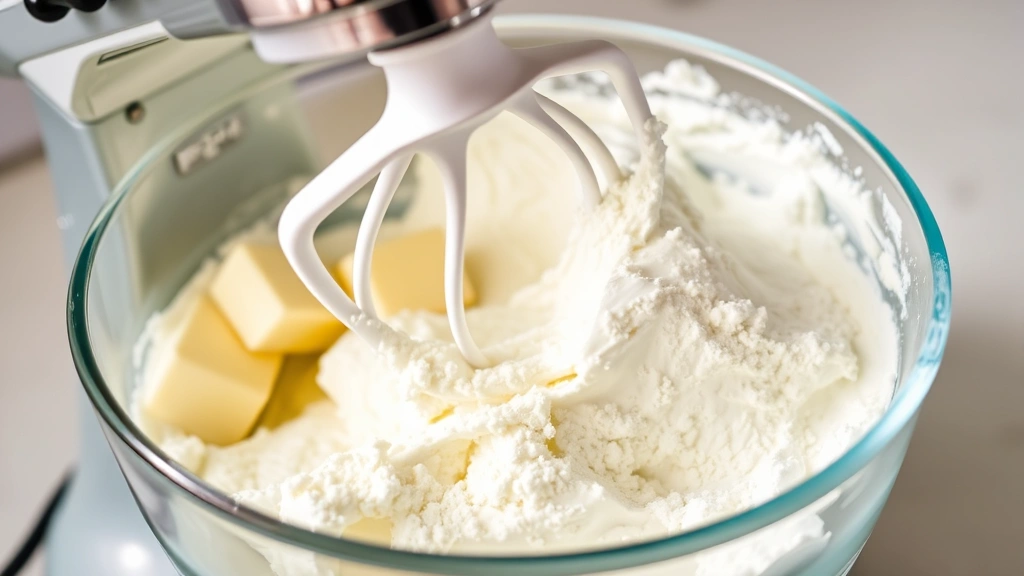
- In the bowl of a stand mixer fitted with the paddle attachment, or in a large bowl using a handheld electric mixer, add the softened butter.
- Beat the butter on medium-high speed for 3-5 minutes, scraping down the sides of the bowl as needed, until the butter is light, fluffy, and pale in color. This step is crucial for creating an airy frosting texture.
- With the mixer running on low speed, gradually add the sifted powdered sugar, about 1 cup at a time, allowing each addition to fully incorporate before adding the next. This prevents lumps and ensures a smooth frosting.
- Once all the powdered sugar is incorporated, increase the mixer speed to medium and beat for another 2-3 minutes until the frosting is light and fluffy.
- Add the salt and vanilla extract, if using, and mix until combined.
- Slowly add the fresh lemon juice, starting with 3 tablespoons, while mixing on low speed. Add it gradually, a tablespoon at a time, until you reach your desired consistency and tartness.
- Gently fold in the lemon zest using a spatula or on low mixer speed, being careful not to overmix once the zest is incorporated.
- If the frosting is too thin, add more powdered sugar, one tablespoon at a time, mixing well after each addition. If it’s too thick, add heavy cream or milk, one tablespoon at a time, until you reach the perfect consistency.
- Taste the frosting and adjust the lemon flavor if desired by adding a bit more zest or juice. Remember that the frosting flavor will be slightly less intense once it’s on the cake.
- Use the frosting immediately on your cooled cake or cupcakes, or store in an airtight container at room temperature for up to 3 days or refrigerated for up to 1 week.
If your frosting has been refrigerated, bring it to room temperature and beat it briefly with a mixer to restore its creamy texture before using.
Pro Tips
Fresh Lemon Only: Never use bottled lemon juice for this frosting. The flavor is noticeably different and often contains preservatives that affect taste. Fresh lemons are worth the minimal extra effort.
Sifting Powdered Sugar: While it takes an extra minute, sifting your powdered sugar before adding it to the frosting prevents lumps and creates a smoother final product. If you don’t have a sifter, you can press the sugar through a fine-mesh strainer.
Zest First: Zest your lemons before juicing them, as it’s much easier to zest a whole lemon than a cut one. Use a microplane grater for the finest, most uniform zest.
Consistency Adjustments: The amount of lemon juice needed varies depending on your butter’s moisture content and humidity in your kitchen. Add juice gradually and adjust as needed rather than adding it all at once.
Make-Ahead Benefits: This frosting actually improves when made a day ahead. The flavors meld together beautifully, and the texture becomes even creamier and more spreadable.
Storage Tips: Store in an airtight container at room temperature for up to 3 days, or refrigerate for up to 1 week. Freeze for up to 3 months if needed. Always bring to room temperature before using.
Cake Pairing Ideas: This frosting pairs wonderfully with vanilla, almond, white cake, pound cake, or even light chocolate cakes. It’s also spectacular on cupcakes, layer cakes, or as a filling between cake layers.
Decorating Options: This smooth frosting works beautifully for both rustic spatula application and professional piping. Use an offset spatula for a casual look or invest in piping bags and decorative tips for special occasions.
Flavor Adjustments: For a less tart frosting, reduce the lemon juice to 2-3 tablespoons. For a more intense lemon flavor, increase the zest rather than the juice to avoid thinning the frosting too much.