
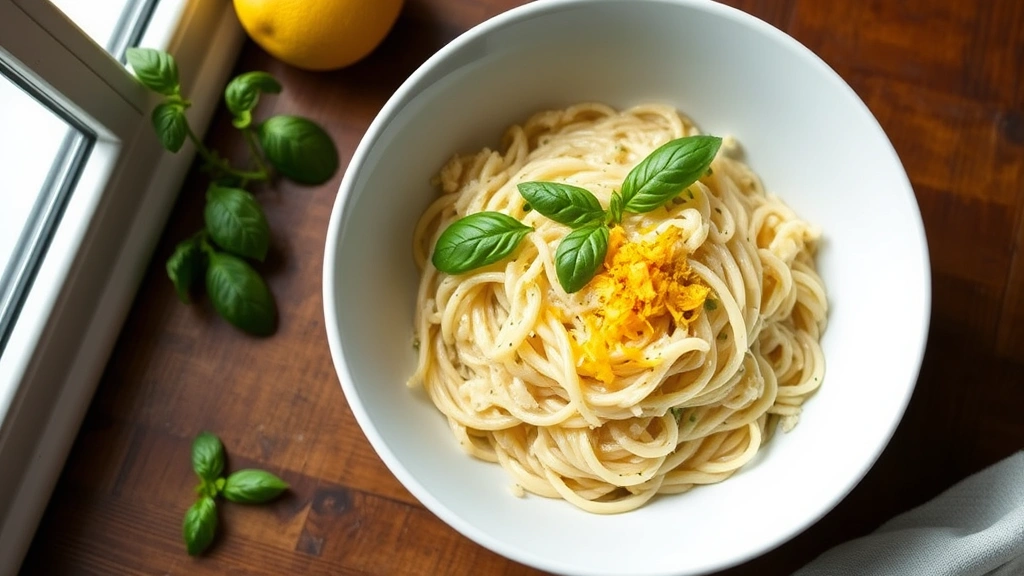
Lemon orzo is one of those magical dishes that tastes fancy enough for dinner guests but comes together in under 30 minutes on a regular weeknight. There’s something about the bright, citrusy flavor combined with tender pasta and aromatic herbs that just makes everything feel special. This recipe is my go-to when I want something that feels restaurant-quality but doesn’t require a culinary degree to execute.
I first fell in love with lemon orzo during a trip to the Amalfi Coast, where the locals serve it as a light side dish alongside fresh seafood and grilled vegetables. The beauty of this recipe is its versatility—you can serve it warm as a side dish, at room temperature as a salad, or even chilled on a hot summer day. The key to perfect orzo is using quality ingredients and not overcooking the pasta, which happens more often than you’d think with this smaller pasta shape.
What I love most about making lemon orzo at home is that it requires minimal ingredients but delivers maximum flavor. You’ll need fresh lemon juice (never use bottled—trust me on this), good olive oil, fresh herbs, and quality Parmesan cheese. The magic happens when these simple ingredients combine with perfectly cooked pasta and create something that tastes like you spent hours in the kitchen. The quality of your olive oil really matters here, so don’t skip out on using a good extra virgin option.
One of my favorite things about this dish is how it can be customized based on what you have on hand or what you’re serving it with. Sometimes I add fresh peas and roasted cherry tomatoes, other times I keep it simple with just the basics. You can experiment with different fresh herbs like mint or tarragon if you want to change things up. I’ve even added roasted garlic and crispy pancetta when I’m feeling fancy.
The technique here is straightforward but important: you’ll cook the orzo until it’s al dente, then finish it with a luxurious lemon-infused olive oil and fresh herbs. The starchy pasta water is essential for creating a silky sauce that coats every tiny piece of orzo perfectly. This is where home cooks often go wrong—they drain the pasta completely and wonder why their dish feels dry and one-dimensional.
For a more substantial meal, this lemon orzo pairs beautifully with grilled chicken, roasted fish, or shrimp. It also works wonderfully as a vegetarian main course when topped with roasted vegetables and crispy chickpeas. The fresh, light nature of the dish means it works year-round, though it’s particularly refreshing during spring and summer months.
I’ve included detailed instructions below, but the real secret to success is tasting as you go. Lemon intensity varies depending on the fruit, so you might need to adjust the amount of juice based on your preference and the acidity of your lemons. Fresh basil is my herb of choice, but fresh parsley works beautifully too. The Parmesan adds a salty, umami note that brings everything together, so don’t skip it.
This recipe serves 4-6 people as a side dish or 3-4 as a light main course. It reheats beautifully and actually tastes even better the next day as the flavors meld together. You can also make it ahead and serve it at room temperature for entertaining, which makes it perfect for weeknight dinners or casual dinner parties.
Ingredients
- 1 pound orzo pasta
- 4 tablespoons extra virgin olive oil, plus more for drizzling
- Zest of 2 large lemons
- ¼ cup fresh lemon juice (about 2-3 lemons)
- 3 cloves garlic, minced
- ½ cup reserved pasta water
- ½ cup freshly grated Parmesan cheese
- ½ cup fresh basil, chopped
- 2 tablespoons fresh parsley, chopped
- Kosher salt and freshly ground black pepper to taste
- Red pepper flakes for garnish (optional)
- Pine nuts or toasted breadcrumbs for topping (optional)
Instructions
- Bring a large pot of salted water to a rolling boil. The water should taste like the sea—this is your only opportunity to season the pasta itself.
- Add the orzo pasta to the boiling water and cook according to package directions, stirring occasionally to prevent sticking. You want the pasta to be al dente, with just a slight firmness in the center when you bite into it.
- Before draining the pasta, reserve ½ cup of the starchy pasta water in a small bowl or measuring cup. This liquid gold will help create the silky sauce.
- Drain the pasta in a colander but don’t rinse it—the starch on the pasta is your friend here.
- While the pasta cooks, heat the 4 tablespoons of extra virgin olive oil in a large skillet or deep saucepan over medium heat.
- Add the minced garlic to the warm olive oil and sauté for about 1-2 minutes, stirring constantly, until fragrant. Don’t let it brown or it will become bitter.
- Pour in the fresh lemon juice and lemon zest, stirring to combine. Let this mixture warm through for about 1 minute, allowing the flavors to infuse into the oil.
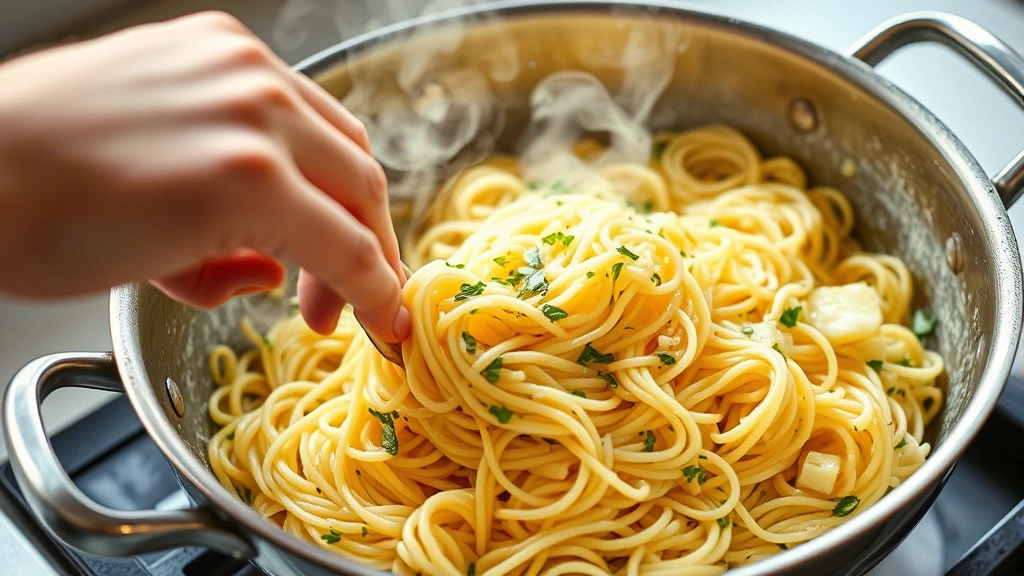
- Add the warm drained orzo to the skillet with the lemon-oil mixture, tossing gently to coat every piece of pasta.
- Slowly add the reserved pasta water, a little bit at a time, tossing the pasta continuously. Add just enough to create a light, silky sauce that coats the pasta without making it soupy—you might not use all of it.
- Remove the skillet from heat and stir in the freshly grated Parmesan cheese, reserving 2 tablespoons for garnish.
- Fold in the fresh basil and parsley, tossing gently to distribute the herbs throughout the pasta.
- Taste the orzo and adjust the seasoning with additional salt, pepper, and lemon juice if needed. Remember that the Parmesan adds saltiness, so be cautious when adding more salt.
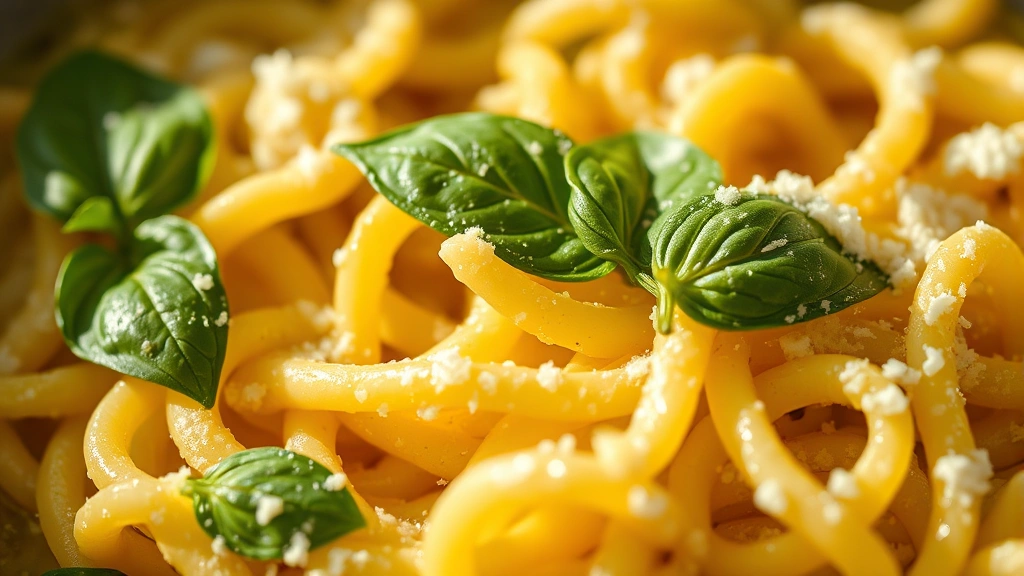
- Transfer the lemon orzo to a serving bowl or platter, drizzle with a little extra virgin olive oil, and garnish with the reserved Parmesan, fresh herbs, and red pepper flakes if desired.
- Serve immediately while warm, or allow it to cool to room temperature for a lovely pasta salad. This dish is delicious either way.
Pro Tips
- **Pasta Water is Essential**: The starchy water from cooking pasta is incredibly important in Italian cooking. It acts as a natural emulsifier, helping the oil and lemon juice create a cohesive sauce rather than separating. Start with ¼ cup and add more as needed until you reach your desired consistency.
- **Lemon Selection Matters**: Choose lemons that feel heavy for their size, which indicates they’re juicier. Room temperature lemons yield more juice than cold ones, so leave them out of the refrigerator for a bit before using. Meyer lemons are slightly sweeter than regular lemons if you prefer less tartness.
- **Herb Variations**: While fresh basil is traditional, you can also use fresh mint for a more Mediterranean twist, tarragon for a delicate anise note, or a combination of parsley and chives for a lighter flavor. Avoid dried herbs in this recipe—fresh herbs are really what make it shine.
- **Garlic Technique**: Mincing the garlic finely ensures it distributes evenly throughout the dish. If you prefer a milder garlic flavor, you can slice it thin and remove it before serving, or use roasted garlic cloves for a sweeter, mellower taste.
- **Cheese Quality**: Invest in a block of real Parmigiano-Reggiano and grate it yourself rather than using pre-grated varieties, which contain anti-caking agents. The difference in flavor and texture is noticeable and worth the extra effort.
- **Make-Ahead Instructions**: You can prepare this dish up to 2 hours ahead and serve it at room temperature. If you’re serving it later, store it in an airtight container in the refrigerator for up to 3 days. Refresh it with a squeeze of lemon juice and a drizzle of olive oil before serving cold.
- **Serving Suggestions**: Top with roasted cherry tomatoes, grilled shrimp, pan-seared scallops, or roasted vegetables. You can also add crispy pancetta, toasted pine nuts, or crispy breadcrumbs for texture contrast.
- **Dietary Adjustments**: For a dairy-free version, substitute the Parmesan with nutritional yeast or a dairy-free Parmesan alternative. The dish works beautifully vegan with these simple swaps.
- **Oil Quality**: Extra virgin olive oil has a lower smoke point, so don’t heat it too aggressively. Add it to the warm (not hot) garlic and lemon mixture to preserve its delicate flavor and nutritional properties.
- **Storage Tips**: Leftovers keep well in the refrigerator for 3-4 days. The pasta will absorb more liquid as it sits, so add a splash of lemon juice or olive oil when reheating to restore the silky texture.
Pingback: How to make the Best Asian Broccoli Recipe (So Easy!) – Simple Recipe Finder
Pingback: Quick Napa Cabbage Stir-Fry Recipe – So Tasty! – Simple Recipe Finder
Pingback: Easy Publix Chicken Tender Recipe (So Tasty!) – Simple Recipe Finder
Pingback: How to make the BEST Porcupine Meatballs Recipe! – Simple Recipe Finder
Pingback: How to Make the Most Delicious Salmon Spread Recipe! – Simple Recipe Finder
Pingback: How to Make the Best Blueberry Bagel Recipe (So Easy!) – Simple Recipe Finder
Pingback: How to make the BEST Brioche French Toast Recipe! – Simple Recipe Finder
Pingback: How to Make the Perfect Steak and Eggs Recipe! – Simple Recipe Finder
Pingback: How to Make the Most Delicious Vegetable Egg Roll Recipe! – Simple Recipe Finder
Pingback: How to make the BEST Bundt Cake Recipe Ever! – Simple Recipe Finder
Pingback: How to make the BEST Mexican Corn Salad Recipe! – Simple Recipe Finder