
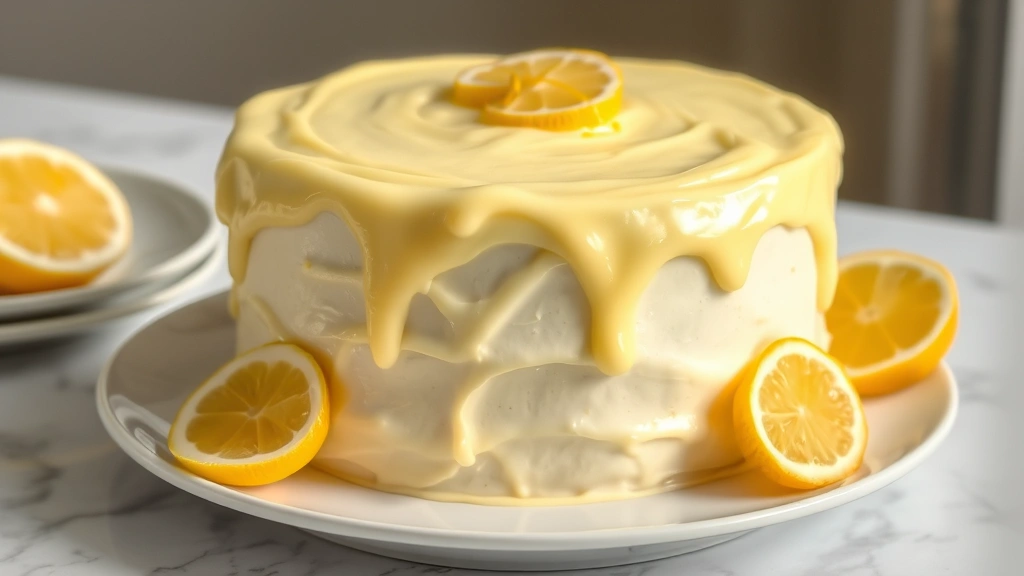
There’s something absolutely magical about lemonade icing that transforms even the simplest desserts into something special and refreshing. This beautiful pale yellow frosting combines the bright, zesty flavor of fresh lemon juice with the sweetness of powdered sugar and a touch of butter, creating a frosting that’s both tangy and indulgent. Whether you’re frosting a layer cake, cupcakes, or cookies, this lemonade icing brings a summery sophistication to your baking.
I’ve been making this icing for years, and it’s become my go-to frosting for spring and summer celebrations. The key to achieving that perfect balance of lemon flavor without making the icing too thin is using fresh lemon juice and zest, along with the right ratio of butter to powdered sugar. Unlike some buttercream frostings that can feel heavy, this lemonade icing feels light and bright on your palate, making it perfect for warm weather gatherings and outdoor celebrations.
What I love most about this recipe is its versatility. You can adjust the lemon intensity to suit your preferences, whether you want a subtle hint of citrus or a bold, pucker-worthy tartness. The icing also pipes beautifully, so you can create stunning decorative swirls and rosettes. For a more casual look, you can simply spread it on with an offset spatula for that charming, homemade aesthetic that’s so on-trend right now.
This recipe makes enough to frost one 8-inch layer cake or approximately 24 cupcakes, though you may want to make a double batch if you’re planning to pipe decorative elements. The icing can be made ahead and stored in an airtight container in the refrigerator for up to 3 days, making it perfect for advance party planning. I’ve also discovered that this frosting pairs beautifully with light, delicate desserts and works wonderfully as a filling for sandwich cookies.
When selecting your lemons, choose ones that feel heavy for their size, as they typically contain more juice. Room temperature butter is absolutely essential for creating a smooth, creamy frosting that spreads easily. Cold butter will result in a lumpy, difficult-to-work-with consistency, while overly soft butter can make the frosting greasy and prone to melting. If you’re working in a warm kitchen, consider keeping your mixing bowl and beaters in the freezer for a few minutes before starting.
For those looking to explore more sophisticated frosting options, consider checking out cream-based recipes that might inspire variations on this classic. You might also enjoy exploring complementary flavor profiles that work beautifully with citrus elements.
For the ultimate lemonade icing experience, I recommend using a combination of Meyer lemons and regular lemons, as Meyer lemons add a subtle floral sweetness that regular lemons lack. However, this recipe works beautifully with whatever lemon variety you can find at your local market. The important thing is to use fresh lemon juice rather than bottled, as the bottled version can have a slightly chemical aftertaste that will affect your final result.
One pro tip I’ve learned through experimentation is to strain your lemon juice through a fine mesh sieve before adding it to the frosting. This removes any pulp and ensures a silky-smooth texture. Additionally, I always add a tiny pinch of salt to enhance the lemon flavor without making the icing taste salty—it’s a baker’s secret that really makes the citrus sing.
This frosting is also excellent for creating ombré effects on layer cakes. Simply divide the batch into portions and add varying amounts of lemon juice to each, creating a gradient from pale yellow to bright lemon. The visual impact is absolutely stunning and will impress your guests. For detailed guidance on building beautiful layered cakes, you might want to reference layering techniques from trusted baking sources.
If you’re planning to use this frosting for piping, I recommend making it slightly stiffer than if you were going to spread it. Simply reduce the lemon juice by a tablespoon or two, and you’ll have a frosting with better structure that holds its shape beautifully. Conversely, if you prefer a thinner, more spreadable consistency, add a touch more lemon juice or even a tablespoon of heavy cream for extra smoothness.
The beauty of this lemonade icing is that it works with virtually any vanilla or almond-based cake, but it’s particularly stunning on white cake, angel food cake, or sponge cake. The bright flavor cuts through the richness of these traditional pairings perfectly. I’ve even used it to frost brownies for a delightful sweet-tart combination that guests absolutely love.
For those interested in exploring more creative frosting applications, check out Bon Appétit’s frosting guide for additional inspiration. You can also find detailed frosting techniques at Serious Eats’ baking section.
To ensure your frosting sets properly, make sure your cake layers are completely cooled before frosting. Warm cake will melt the frosting and create a mess. If you’re stacking layers, I recommend using a crumb coat first—a thin layer of frosting that traps the crumbs—followed by a final, thicker coat once the crumb coat has set for about 15 minutes.
This lemonade icing recipe truly captures the essence of summer in a way that feels both nostalgic and refreshingly modern. Whether you’re baking for a special occasion or simply want to bring a burst of sunshine to your dessert table, this frosting will not disappoint. The combination of fresh lemon and creamy butter creates an elegant frosting that’s sure to become a favorite in your baking rotation.
For additional baking inspiration and techniques, visit The New York Times Cooking section, where you’ll find countless frosting variations and pairing suggestions. You might also explore other fresh, bright recipes that complement citrus-forward desserts beautifully.
Ingredients
- 1/2 cup (115g) unsalted butter, room temperature
- 3 cups (360g) powdered sugar, sifted
- 3-4 tablespoons fresh lemon juice, strained
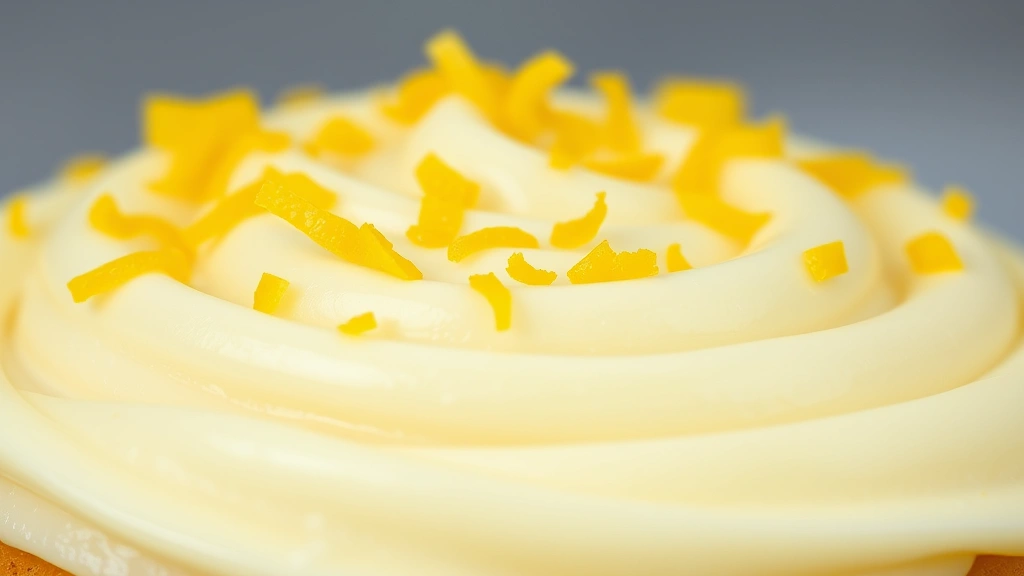
- 1 tablespoon fresh lemon zest
- 1/4 teaspoon vanilla extract
- Pinch of salt
Instructions
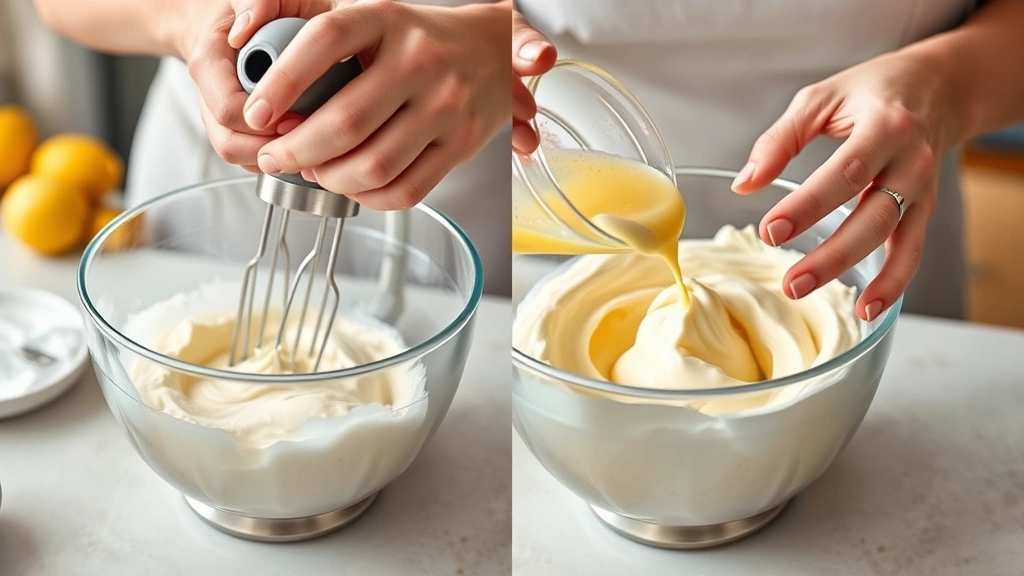
- Place room temperature butter in the bowl of an electric mixer fitted with the paddle attachment.
- Beat the butter on medium speed for 2-3 minutes until it becomes light and fluffy in appearance.
- Reduce mixer speed to low and gradually add the sifted powdered sugar, one cup at a time, beating well after each addition.
- Continue beating on low speed for 1-2 minutes until the mixture is combined and resembles coarse sand.
- Add the strained fresh lemon juice one tablespoon at a time, beating well after each addition.
- Increase mixer speed to medium-high and beat for 2-3 minutes until the frosting becomes light, fluffy, and pale yellow in color.
- Add the fresh lemon zest, vanilla extract, and salt, beating on medium speed for an additional 1-2 minutes.
- Stop the mixer and scrape down the bowl with a rubber spatula, ensuring all ingredients are well incorporated.
- Beat on medium-high speed for one final minute until the frosting reaches a smooth, spreadable consistency.
- If the frosting is too thin, add more sifted powdered sugar one tablespoon at a time until you reach the desired consistency.
- If the frosting is too thick for your application, add lemon juice or heavy cream one teaspoon at a time to reach the desired consistency.
- Use immediately for frosting cakes and cupcakes, or transfer to an airtight container and refrigerate for up to 3 days.
- If using refrigerated frosting, allow it to come to room temperature and re-beat briefly before applying to ensure the best consistency.
Pro Tips
Fresh Lemon Juice is Essential: Never substitute bottled lemon juice for fresh squeezed. Bottled juice contains preservatives that can give the frosting an off-taste and affects the overall flavor profile. Meyer lemons provide a subtle sweetness that complements the frosting beautifully, but regular lemons work perfectly fine.
Straining Your Lemon Juice: Pass your fresh lemon juice through a fine mesh sieve to remove any pulp or seeds. This extra step takes just 30 seconds but ensures a silky-smooth frosting texture without any grittiness.
Powdered Sugar Must Be Sifted: Lumpy powdered sugar will create lumpy frosting. Take the time to sift your powdered sugar before adding it to the butter. This is non-negotiable for professional-looking results.
Mixing Speed is Important: Don’t rush the mixing process. Beating the butter and sugar together for a full 2-3 minutes after all ingredients are combined ensures maximum air incorporation, resulting in a light, fluffy frosting rather than a dense, heavy one.
Consistency Adjustments: If your frosting is too thin and won’t hold its shape for piping, add more powdered sugar one tablespoon at a time. If it’s too thick and difficult to spread, add lemon juice one teaspoon at a time. Finding the right consistency takes practice but is worth the effort.
Color Variations: For a deeper lemon color, add a tiny drop of yellow food coloring. This is optional but creates a more visually appealing frosting for special occasions.
Storage Instructions: This frosting keeps beautifully in an airtight container in the refrigerator for up to 3 days. Before using refrigerated frosting, allow it to come to room temperature and re-beat for 1-2 minutes to restore its fluffy texture.
Piping versus Spreading: For piping decorative elements, make your frosting slightly stiffer by reducing the lemon juice by 1/2 tablespoon. For a more casual spread, keep the consistency slightly looser with an additional tablespoon of lemon juice.
Crumb Coat Technique: When frosting layer cakes, apply a thin crumb coat first, refrigerate for 15 minutes to set, then apply the final coat. This prevents crumbs from getting mixed into your beautiful frosting.
Perfect Pairings: This frosting pairs beautifully with white cake, vanilla cake, almond cake, or even pound cake. It’s also divine on chocolate cake for a bright contrast.
Pingback: Easy Smoked Pork Sirloin Recipe – Simply Delicious! – Simple Recipe Finder