
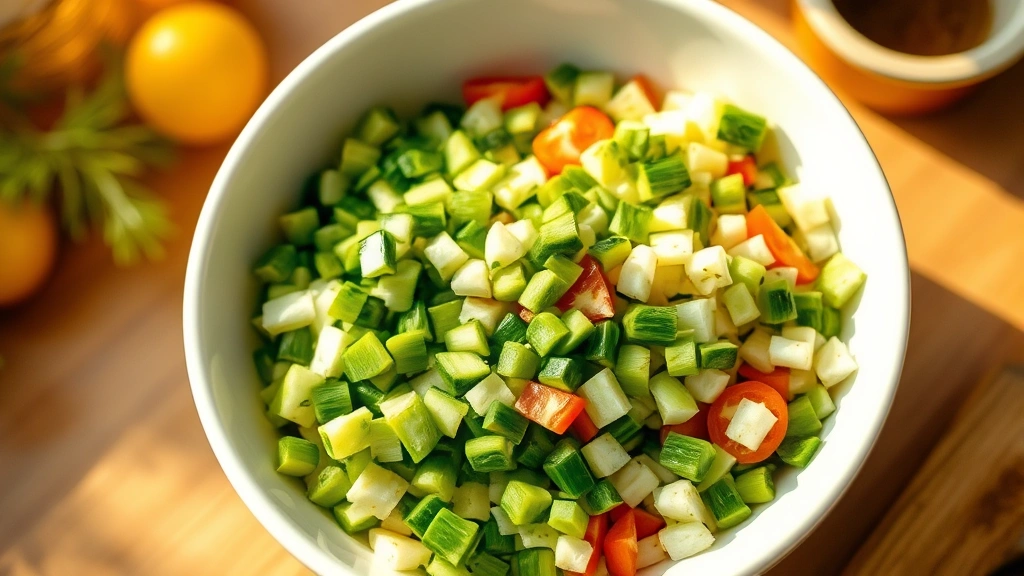
Mirepoix is the holy trinity of French cooking—a simple combination of onions, celery, and carrots that forms the aromatic foundation for countless soups, stews, sauces, and braises. This classic vegetable mixture is so fundamental to cooking that it’s impossible to overstate its importance in the kitchen. Whether you’re making a rich beef stock, a comforting chicken soup, or a deeply flavored Bolognese sauce, mirepoix is your secret weapon. The beauty of mirepoix lies in its simplicity and versatility. There are no fancy techniques required, no special equipment needed, and no complicated instructions to follow. All you need is three humble vegetables, a sharp knife, and about five minutes of your time. The magic happens when these vegetables are combined and cooked together, releasing their natural flavors and creating an aromatic base that elevates any dish it touches.
The term “mirepoix” comes from French culinary tradition and refers to a specific ratio and cut of vegetables. Traditionally, it consists of two parts onion, one part celery, and one part carrot, all cut into roughly equal-sized pieces. This ratio ensures that each vegetable contributes its unique flavor profile while maintaining perfect balance. Onions provide sweetness and depth, celery adds a subtle herbaceous note and structure, and carrots bring natural sweetness and a slight earthiness. Together, they create a flavor foundation that’s greater than the sum of its parts.
What makes mirepoix so essential is its ability to build flavor without overwhelming a dish. Unlike garlic or spices that can easily dominate, the vegetables in mirepoix work together harmoniously, creating a subtle backdrop that allows other ingredients to shine. This is why professional chefs and home cooks alike rely on mirepoix as the starting point for their most important dishes. Once you master this simple technique, you’ll find yourself using it constantly in your own cooking.
The process of making mirepoix is straightforward, but there are a few tips and tricks that can help you achieve perfect results every single time. First, it’s crucial to cut your vegetables evenly. This ensures they cook at the same rate and release their flavors uniformly. You don’t need to be perfectly precise—rustic cuts are perfectly acceptable—but aim for pieces that are roughly the same size. Second, always start with fresh, quality vegetables. The better your vegetables, the better your mirepoix will be. Look for onions that are firm and papery, celery that’s crisp and bright green, and carrots that feel solid and unblemished.
One of the most common questions about mirepoix is whether you should peel and wash your vegetables. The answer depends on how you plan to use your mirepoix. If you’re making a clear consommé or a delicate fish stock, you’ll want to peel your vegetables and use them with minimal browning. For heartier applications like beef stock or vegetable soup, you can leave the skin on the onions and carrots for added flavor and color. Just make sure to wash everything thoroughly under cold running water.
There are also several variations of mirepoix that are worth knowing about. The classic French mirepoix uses onion, celery, and carrot in a 2:1:1 ratio. However, some chefs prefer a 1:1:1 ratio for a more balanced flavor. There’s also a variation called “mirepoix blanc” (white mirepoix) that uses white onion, parsnip, and celery for a lighter, more delicate flavor profile. This is often used in light soups and cream sauces. Additionally, some recipes call for the addition of a small amount of mushroom, which adds earthiness and umami depth.
When it comes to cooking your mirepoix, the method depends on your final dish. For stocks and soups, you typically start by sautéing the mirepoix in a bit of butter or oil over medium heat. This process, called sweating, gently softens the vegetables and allows them to release their flavors without browning significantly. This usually takes about 5-10 minutes, depending on your heat level. You’ll know your mirepoix is ready when the vegetables are soft and fragrant. Some recipes call for browning the mirepoix more heavily, which creates a deeper, more caramelized flavor—perfect for darker stocks and richer sauces.
Understanding how to properly prepare mirepoix will transform your cooking and help you create restaurant-quality dishes at home. For more detailed information about building flavors in cooking, check out our guide to layering flavors. You might also enjoy learning about French cooking basics and the art of making stocks. For inspiration on dishes that use mirepoix, explore our collection of classic soup recipes and braised meat recipes.
For additional expert guidance, check out these resources: Serious Eats’ guide to mirepoix, Bon Appétit’s French onion soup, New York Times’ stock-making guide, Serious Eats on perfecting your stock, and Bon Appétit’s beef stew recipe.
Ingredients
- 2 large yellow onions, cut into roughly 1-inch pieces (about 4 cups)
- 4 celery stalks, cut into roughly 1-inch pieces (about 2 cups)
- 4 large carrots, cut into roughly 1-inch pieces (about 2 cups)
- 2 tablespoons unsalted butter or olive oil (optional, for sweating)
- Salt and freshly ground black pepper to taste
Instructions
- Prepare your vegetables by rinsing them thoroughly under cold running water. Pat the carrots and celery dry with paper towels. For the onions, you can leave the papery skin on if desired, as it will add color and flavor to stocks.
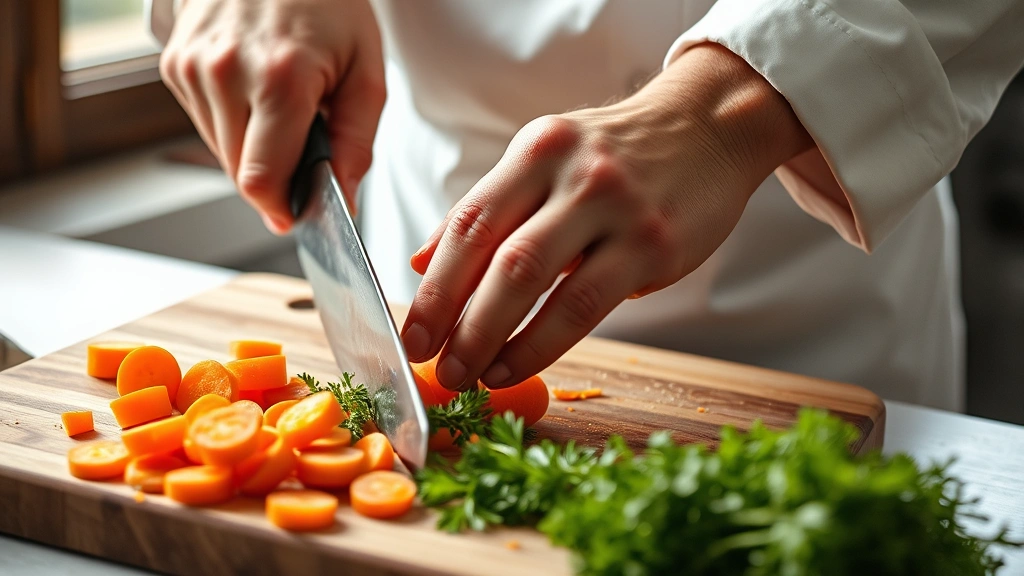
- Using a sharp chef’s knife, cut the onions in half lengthwise, then place the flat side down on your cutting board. Cut them into roughly 1-inch pieces, working from the root end toward the tip.
- Trim the celery stalks by removing the leafy tops and setting them aside for stock if desired. Cut the celery stalks into 1-inch pieces, working from one end to the other.
- Peel the carrots if desired (or leave the skin on for darker stocks and braises). Cut the carrots into 1-inch pieces using the same method as the celery.
- Combine all three vegetables in a large bowl and gently toss together to distribute them evenly. At this point, your mirepoix is ready to use in your favorite recipes.
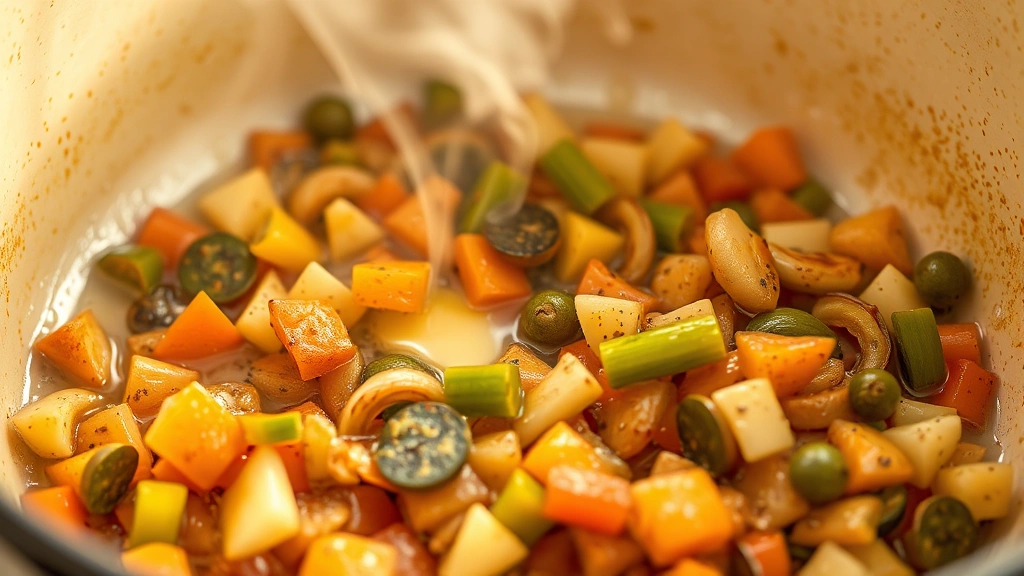
- If your recipe calls for sweating the mirepoix, heat butter or oil in a large pot or Dutch oven over medium heat until it’s shimmering. Add the mirepoix mixture and stir occasionally.
- Cook the vegetables for 5-10 minutes, stirring occasionally, until they’re soft and fragrant. The vegetables should release their moisture and soften without browning significantly.
- If you’re making a darker stock or sauce, increase the heat to medium-high and allow the vegetables to develop a light golden-brown color, about 10-12 minutes, stirring frequently to prevent burning.
- Season lightly with salt and pepper if your recipe calls for it, or proceed directly to adding your liquid (stock, water, wine, etc.) as directed in your recipe.
- Your perfectly prepared mirepoix is now ready to serve as the aromatic foundation for soups, stocks, stews, braises, or any other dish that calls for this classic flavor base.
Pro Tips
- **Storage:** Store prepared mirepoix in an airtight container in the refrigerator for up to 3 days. You can also freeze mirepoix for up to 3 months for future use.
- **Vegetable ratios:** The traditional ratio is 2 parts onion to 1 part celery to 1 part carrot, but you can adjust based on your preferences. Some cooks prefer equal parts of each vegetable.
- **Cut size matters:** Aim for uniformity in your cuts so all vegetables cook at the same rate. Roughly 1-inch pieces are standard, but you can adjust based on how long your mirepoix will cook.
- **Onion varieties:** Yellow onions are traditional, but white onions work well too. Avoid sweet onions like Vidalia, as they’ll make your mirepoix too sweet.
- **Celery alternatives:** If you don’t have celery, you can substitute with celeriac (celery root) or fennel for a slightly different flavor profile.
- **Sweating vs. browning:** Sweating (cooking gently without browning) creates a lighter flavor, while browning develops deeper, more caramelized notes. Choose based on your final dish.
- **Mirepoix blanc:** For a lighter version, substitute parsnip for carrot and use white onion instead of yellow for a more delicate flavor.
- **Make-ahead tip:** Prepare your vegetables the night before and store them in separate containers in the refrigerator. This saves time on cooking day.
- **Kitchen equipment:** A sharp chef’s knife and a sturdy cutting board are all you need. A food processor can speed up the process, but hand-cutting gives you more control over consistency.
- **Umami boost:** Add a small handful of mushrooms (cremini or shiitake) to your mirepoix for extra depth and savory flavor.
- **Aromatic additions:** Some recipes include a bay leaf, thyme, or parsley stems cooked with the mirepoix for added complexity.
- **Professional tip:** Always taste the finished dish and adjust seasonings accordingly, as mirepoix is just the foundation, not the final flavor profile.
Pingback: How to Make the Best Turkey Injection Recipe (So Tasty!) – Simple Recipe Finder
Pingback: How to Make the Best Beef and Pasta Recipe (So Tasty!) – Simple Recipe Finder
Pingback: How to Make the BEST Onion Soup Mix Recipe! – Simple Recipe Finder