
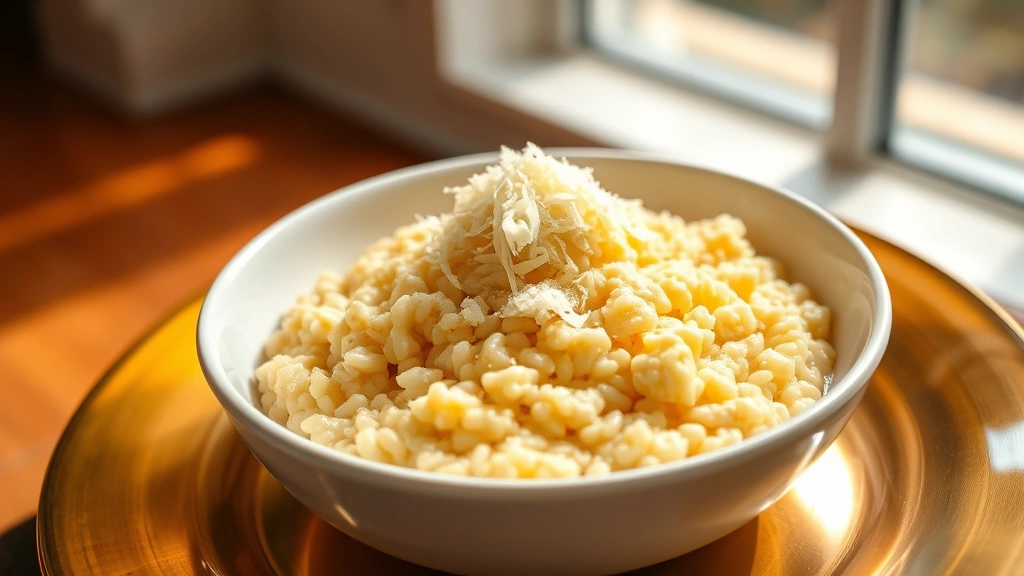
There’s nothing quite like a perfect bowl of creamy Parmesan risotto—it’s the epitome of elegant comfort food that looks far more complicated than it actually is. This classic Italian dish has been gracing tables for centuries, and once you understand the technique, you’ll find yourself making it again and again. The secret to achieving that signature silky, luxurious texture isn’t magic; it’s all about patience, quality ingredients, and constant attention to your rice.
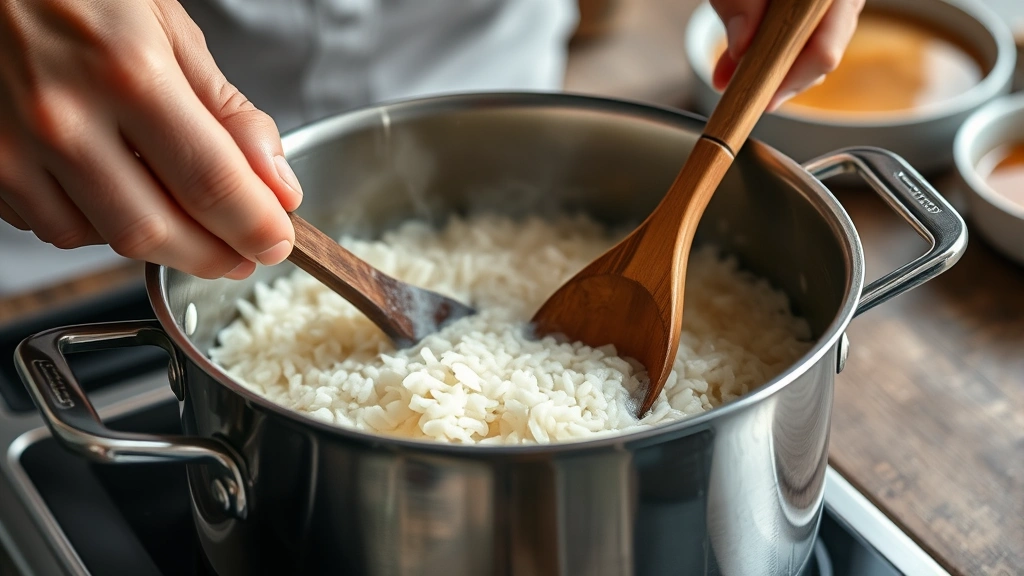
Risotto is one of those dishes that rewards your dedication. As you stand at the stove, gradually adding warm broth and stirring constantly, you’re coaxing the starches from the Arborio rice, which creates that creamy consistency without any cream at all. It’s a meditation in motion, and I find it absolutely therapeutic. The beauty of Parmesan risotto is its versatility—while this classic version is perfection on its own, you can easily customize it to your liking.
What makes this recipe truly special is understanding that risotto is a technique, not just a set of instructions. The constant stirring isn’t busywork; it’s essential to releasing the rice’s natural starches and creating that velvety sauce. I always use quality Parmigiano-Reggiano for the best flavor, and I encourage you to do the same. The difference between aged Parm and pre-grated stuff is absolutely worth it.
This dish pairs beautifully with a simple fresh salad for a light yet satisfying meal, or you can serve it alongside your favorite protein. For more creamy pasta inspiration, check out my heavy cream pasta recipe, and if you’re looking for an elegant main course, my chicken Alfredo recipe is another showstopper. The techniques translate beautifully across Italian cuisine.
Before you start, make sure your broth is hot—this is non-negotiable. Cold broth will shock the rice and interrupt the cooking process. I keep my broth simmering in a separate pot throughout the entire cooking time, which ensures each addition is warm and ready to be absorbed. This attention to detail is what separates good risotto from extraordinary risotto.
The rice you choose matters tremendously. Arborio rice is the traditional choice for risotto, and for good reason. Its high starch content and ability to maintain its shape while becoming creamy is exactly what we need. Carnaroli rice is another excellent option if you can find it—it’s slightly firmer and holds its shape beautifully. Whatever you do, don’t use regular long-grain rice; it simply won’t give you the results you’re looking for.
Timing is everything with risotto. From the moment you add the first ladle of broth to when you serve it, the process takes about eighteen to twenty minutes. You can’t rush it, and honestly, why would you want to? This is quality time at the stove, and the aroma alone is worth every minute. For more inspiration on complementary sides, consider my pickled red onions recipe for a pop of color and acidity.
The final step—the mantecatura—is where the magic really happens. This is the Italian term for the vigorous beating of the risotto with butter and cheese off the heat. This technique incorporates air and creates that signature creamy texture that makes people think you’ve added cream when you absolutely haven’t. It’s pure starch emulsion, and it’s pure genius.
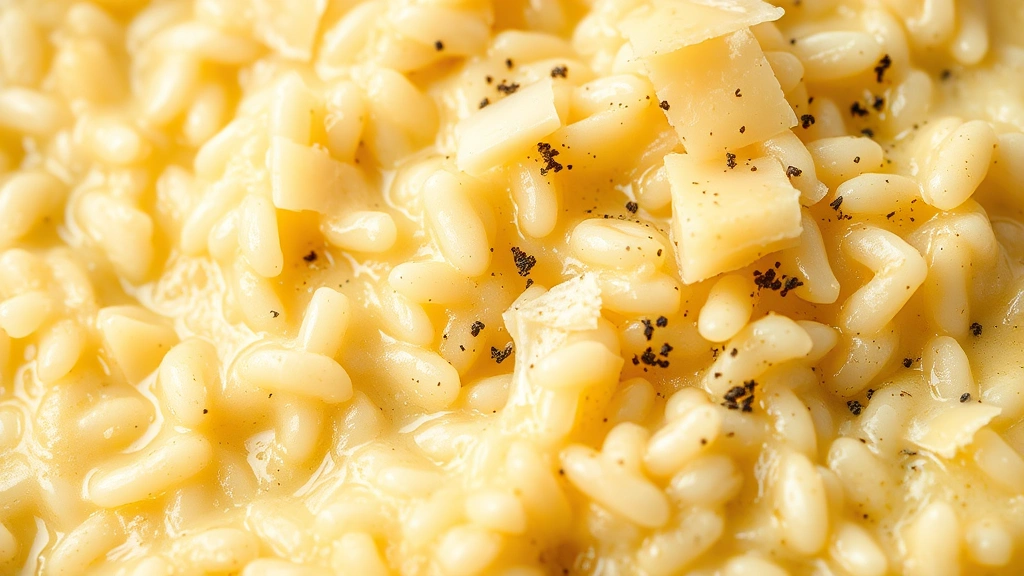
I love serving risotto immediately in warm bowls. The presentation is important because risotto is as much about the visual appeal as it is about the taste. A shower of fresh Parmesan, a crack of black pepper, perhaps a drizzle of excellent olive oil, and maybe a small portion of sautéed shishito peppers for garnish—these finishing touches elevate your dish from good to restaurant-quality.
For more detailed techniques on risotto, I recommend checking out Serious Eats’ risotto guide or Bon Appétit’s collection for variations. The New York Times cooking section also has wonderful risotto recipes worth exploring.
Once you master this basic technique, you’ll feel confident experimenting with different additions. Mushrooms, peas, seafood, truffle oil—the foundation remains the same. But I always encourage cooks to perfect the classic version first. There’s a reason Parmesan risotto has endured for centuries: it’s simply perfection in a bowl, requiring nothing more than rice, broth, butter, cheese, and your undivided attention.
Ingredients
- 4 cups vegetable or chicken broth, kept warm
- 1 tablespoon olive oil
- 2 tablespoons butter, divided
- 1 medium yellow onion, finely diced
- 3 cloves garlic, minced
- 1½ cups Arborio rice
- ½ cup dry white wine
- 1 cup freshly grated Parmigiano-Reggiano cheese, plus more for serving
- Salt and freshly ground black pepper to taste
- Fresh parsley for garnish (optional)
Instructions
- Heat the broth in a separate pot over low heat and keep it warm throughout the cooking process. This ensures each addition to the rice will be the right temperature.
- Heat olive oil and 1 tablespoon of butter in a large, heavy-bottomed pot or risotto pan over medium heat until the butter is foaming.
- Add the diced onion to the pot and sauté for 3-4 minutes, stirring frequently, until the onion becomes translucent and fragrant but not browned.
- Stir in the minced garlic and cook for approximately 1 minute, just until you can smell its aroma—be careful not to burn it.
- Add the Arborio rice to the pot and stir constantly for 1-2 minutes, coating each grain with the oil and butter. You should hear a gentle clicking sound as you stir—this is the rice toasting.
- Pour in the white wine and stir continuously until the rice has almost completely absorbed the liquid, about 2-3 minutes. The wine adds acidity and flavor that’s essential to the final dish.
- Begin adding the warm broth, one ladle at a time (approximately ¾ cup), stirring frequently. Don’t add the next ladle until the previous one has been mostly absorbed by the rice.
- Continue this process for 16-18 minutes, tasting the rice occasionally after the 15-minute mark. The rice should be creamy and tender but still have a slight firmness when you bite into it (al dente).
- When the rice is nearly done and most of the broth has been absorbed, remove the pot from the heat and stir in the remaining 1 tablespoon of butter and the freshly grated Parmigiano-Reggiano cheese.
- Using vigorous stirring motions for about 1 minute, beat the risotto off the heat—this is the mantecatura, and it’s what creates that signature silky, creamy texture.
- Taste and adjust the seasoning with salt and freshly ground black pepper as needed. Remember that the Parmesan is salty, so taste before adding too much salt.
- Divide the risotto immediately into warm serving bowls, top with additional grated Parmigiano-Reggiano and a light drizzle of olive oil if desired, and serve immediately while it’s at its creamiest.
Pro Tips
- The temperature of your broth is absolutely critical—it must remain warm throughout the cooking process. Cold broth will stop the cooking and prevent proper starch release from the rice.
- Arborio rice is essential for authentic risotto. Its high starch content and ability to maintain its shape while becoming creamy is what makes risotto different from other rice dishes. Do not substitute with regular long-grain rice.
- Constant stirring isn’t optional—it’s what releases the starches from the rice and creates that signature creamy sauce without any cream. This is the technique that makes risotto special.
- Quality Parmigiano-Reggiano makes an enormous difference. Pre-grated cheese contains anti-caking agents that prevent smooth melting. Buy a wedge and grate it yourself for superior results.
- The mantecatura (the vigorous off-heat beating with butter and cheese) is where the magic happens. This step incorporates air and creates the emulsion that makes risotto taste luxurious and creamy.
- Risotto must be served immediately. It will continue to absorb liquid as it sits and will become thick and gummy rather than creamy if allowed to rest.
- If you find your risotto is too thick, you can loosen it with additional warm broth or warm water, stirring gently until you reach the desired consistency.
- White wine adds important acidity and complexity to the dish. Dry white wines like Pinot Grigio or Sauvignon Blanc work beautifully.
- You can customize this basic recipe by adding mushrooms (sauté them separately first), peas, asparagus, or seafood. Add tender vegetables in the last few minutes of cooking.
- Make sure your pot and bowls are warm before starting. This helps maintain the risotto’s temperature and creaminess.
- The rice should be al dente—tender with a slight firmness in the center of each grain. Overcooked risotto becomes mushy and loses its appeal.
- Risotto is best made fresh and served immediately, but leftovers can be refrigerated for up to 3 days. Reheat gently with additional warm broth, stirring constantly.