
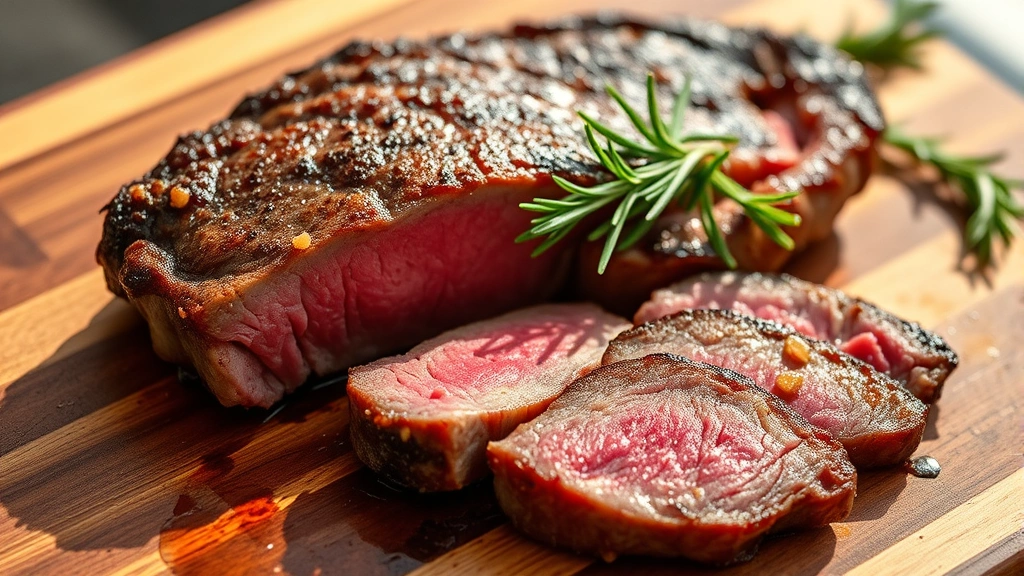
Picanha steak is the crown jewel of Brazilian churrasco, a show-stopping cut that deserves a place at your dinner table. This magnificent beef cut, also known as sirloin cap, features a gorgeous fat cap that crisps up beautifully when cooked properly, creating an irresistible contrast between the caramelized exterior and the tender, juicy meat within. Whether you’re planning an elegant dinner party or a casual backyard gathering, mastering the art of cooking picanha will elevate your grilling game to restaurant-quality status.
The beauty of picanha lies in its marbling and that distinctive top layer of fat, which is the secret to achieving that perfect crust while keeping the interior succulent. Unlike many premium cuts that require complicated cooking techniques, picanha is remarkably forgiving and actually prefers a straightforward approach. With just a few key principles and proper technique, you’ll be able to create a steakhouse-quality meal right in your own kitchen or on your grill.
What makes picanha particularly special is its versatility. You can grill it over high heat, sear it in a cast-iron skillet, or even cook it low and slow for an extended churrasco experience. The cut comes from the top sirloin cap and is prized in Brazilian cuisine, where it’s considered the best cut for grilling. If you’re new to this cut, don’t worry—this comprehensive guide will walk you through every step of the process, from selecting the right piece of meat to achieving that perfect medium-rare doneness.
Before we dive into the cooking process, it’s worth understanding what makes picanha different from other steaks. The defining characteristic is that substantial fat cap running along one side. This isn’t something to trim away; it’s actually your greatest asset. When properly scored and exposed to high heat, this fat renders and bastes the meat continuously, creating an incredibly flavorful and moist steak. This is why picanha is often considered superior to other premium cuts when it comes to flavor and juiciness.
For the best results, you’ll want to start with a high-quality piece of meat from a trusted butcher. Look for a picanha that weighs between two to four pounds, has good marbling throughout the meat itself, and features a thick, creamy-colored fat cap. The meat should be bright red, not dark, and should smell fresh and pleasant. If your regular grocery store doesn’t carry picanha, don’t hesitate to ask your butcher to order one for you—it’s becoming increasingly available as more people discover this incredible cut.
The beauty of this perfect steak recipe is that it requires minimal ingredients and maximum flavor. You truly don’t need much more than quality salt, fresh pepper, and perhaps a touch of garlic. Some cooks like to add a bit of smoked paprika or fresh herbs, but honestly, with meat this good, less is more. The star of the show should always be the meat itself, not an overwhelming sauce or marinade. This philosophy aligns perfectly with the best preparation techniques that emphasize the natural quality of ingredients.
One crucial tip that separates good picanha from great picanha is bringing your meat to room temperature before cooking. Remove it from the refrigerator at least 45 minutes to an hour before you plan to cook it. This ensures even cooking throughout the entire steak, preventing that unfortunate scenario where the outside is perfectly cooked but the inside remains cold. Room temperature meat also accepts seasoning more effectively and cooks more predictably overall.
When it comes to seasoning, generosity is your friend. Don’t sprinkle your salt and pepper timidly—apply it with confidence, coating the entire surface of the meat, including the sides. If you’re using garlic, finely mince it and create a paste with a bit of oil before rubbing it onto the meat. The seasoning won’t just stay on the surface; it will create a beautiful crust during cooking that locks in all those incredible flavors. This approach mirrors the techniques used in preparing other premium proteins, similar to what you’d find in restaurant-quality cooking.
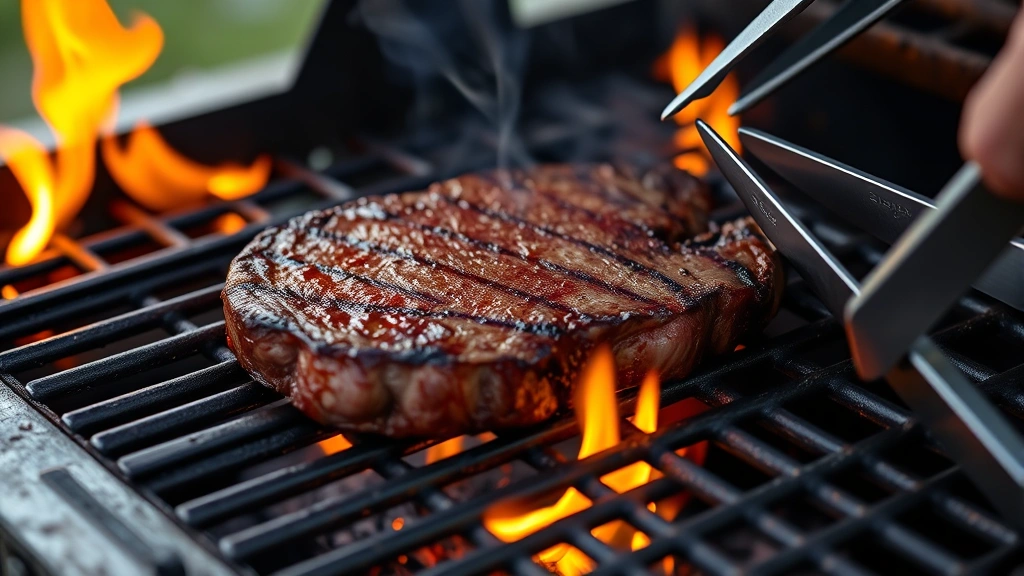
The actual cooking process is surprisingly straightforward. Whether you’re using a grill or a cast-iron skillet, the key is achieving high heat. For grilling, you want your grill reaching at least 450-500°F. For skillet cooking, heat your pan until it’s smoking slightly before adding the steak. The initial sear is critical—this is where the Maillard reaction creates that gorgeous brown crust that makes your mouth water. Don’t move the steak around constantly; let it sit and develop that crust for several minutes on each side.
For a typical three to four-pound picanha, plan on approximately 12-15 minutes of cooking time for a beautiful medium-rare finish. The exact time will depend on your heat source, the thickness of your meat, and your desired doneness level. Using a meat thermometer is highly recommended; aim for an internal temperature of 130-135°F for medium-rare, which will continue to rise slightly as the meat rests.
Resting your steak after cooking is absolutely non-negotiable. This isn’t just a suggestion—it’s essential for achieving that perfect juicy result. Let your picanha rest for at least 10 minutes, preferably 15, under a loose tent of foil. During this time, the muscle fibers relax and reabsorb the juices that were driven to the surface during cooking. If you skip this step, you’ll cut into the steak and watch all those delicious juices run out onto the plate instead of staying inside the meat where they belong. For more detailed guidance on premium cuts, check out expert cooking techniques.
Ingredients
- One 3-4 pound picanha steak (sirloin cap)
- 3 tablespoons kosher salt
- 2 tablespoons freshly ground black pepper
- 4 cloves garlic, minced
- 2 tablespoons extra virgin olive oil
- 1 teaspoon smoked paprika (optional)
- Fresh rosemary sprigs (optional)
- Fleur de sel for finishing (optional)
Instructions
- Remove the picanha steak from the refrigerator 45 minutes to 1 hour before cooking to bring it to room temperature. This ensures even cooking throughout the entire steak.
- Pat the steak completely dry with paper towels. Moisture on the surface will interfere with browning and crust development, so don’t skip this crucial step.
- Using a sharp knife, score the fat cap in a crosshatch pattern, making shallow cuts about 1/4-inch deep without cutting into the meat itself. This helps the fat render and creates a more interesting texture.
- In a small bowl, combine the minced garlic with 2 tablespoons of olive oil to create a paste. Add 1 teaspoon of smoked paprika if using.
- Generously rub the entire surface of the steak with the garlic-oil mixture, making sure to coat all sides, the edges, and especially that beautiful fat cap.
- Season the steak very generously with kosher salt on all surfaces, using about 3 tablespoons total. The salt should create a visible coating across the meat.
- Grind fresh black pepper over the entire steak, using approximately 2 tablespoons. Don’t be shy—this is what will create your flavorful crust.
- If using fresh rosemary, press the sprigs onto the meat so they make contact and will impart their flavor during cooking.
- Preheat your grill to 450-500°F if grilling, or heat a large cast-iron skillet over medium-high heat until it’s very hot and just beginning to smoke if cooking indoors.
- For grilling: Place the steak on the grill with the fat cap side down first. Let it cook undisturbed for 4-5 minutes to develop a beautiful crust.
- Flip the steak to the opposite side and grill for another 4-5 minutes, again without moving it around. The meat should have a deep brown crust.
- Check the temperature with a meat thermometer inserted into the thickest part of the meat, being careful not to touch bone if present.
- For medium-rare, you’re looking for an internal temperature of 130-135°F. The steak will continue to cook slightly as it rests.
- If your steak needs more cooking time, continue grilling for another 2-3 minutes per side, checking the temperature frequently to avoid overcooking.
- Remove the steak from the grill and immediately place it on a clean cutting board or serving platter.
- Tent the steak loosely with aluminum foil and let it rest for at least 10-15 minutes. This is absolutely essential for retaining the juices.
- While the steak rests, you can prepare any side dishes you’re serving alongside it.
- After resting, remove the foil tent and use a sharp carving knife to slice the steak against the grain into 1/2-inch thick slices.
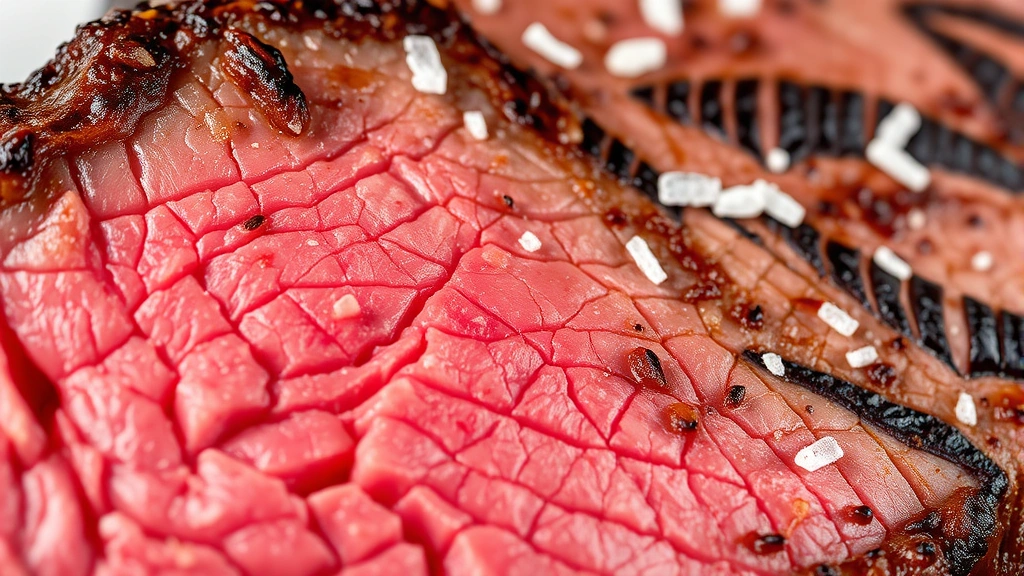
- Arrange the slices on a serving platter, drizzle with any accumulated juices from the cutting board, and finish with a sprinkle of fleur de sel if desired.
- Serve immediately while the steak is still warm, with your favorite sides and any preferred sauces or condiments on the side.
Pro Tips
If your local butcher doesn’t carry picanha, ask them to order it for you or request they cut a top sirloin cap steak for you.
For best results, use a meat thermometer to monitor internal temperature. This takes the guesswork out of cooking and ensures perfect doneness every time.
The crosshatch scoring of the fat cap is optional but highly recommended as it helps the fat render more evenly and creates a more interesting presentation.
If you don’t have access to a grill, this steak cooks beautifully in a cast-iron skillet on the stovetop using the same technique—high heat, minimal movement, and proper resting.
Leftover picanha makes incredible sandwiches the next day. Slice it thin and serve on crusty bread with chimichurri sauce or peppercorn aioli.
Picanha pairs wonderfully with chimichurri sauce, but honestly, it’s so flavorful that it needs little more than a sprinkle of sea salt.
Don’t skip the resting period. Those 10-15 minutes are when the magic happens and the meat reabsorbs its juices, resulting in a tender, juicy steak.
For a more authentic Brazilian experience, serve your picanha with grilled vegetables, rice, and black beans.
If your steak has a particularly thick fat cap, you might want to trim it down slightly before cooking so it doesn’t overwhelm the meat, though most people prefer to keep it generous.
Store raw picanha in the coldest part of your refrigerator and use within 3-4 days of purchase for best quality and food safety.