
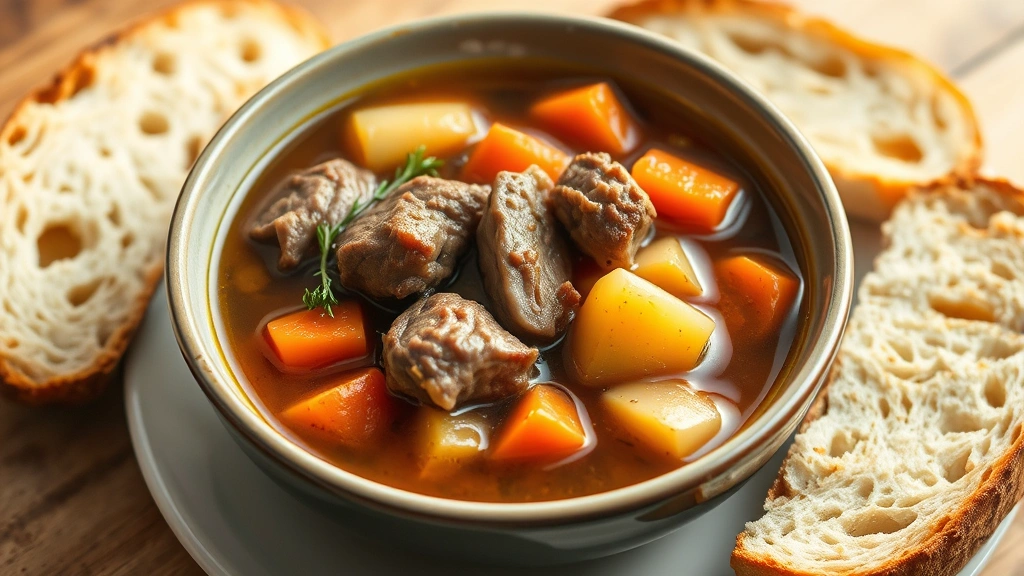
There’s something absolutely magical about a steaming bowl of homemade pork stew on a chilly evening. This classic comfort food has been warming hearts and filling bellies for generations, and once you master the technique, you’ll find yourself making it again and again. What makes a truly perfect pork stew is the careful balance of tender, fall-apart pork, rich savory broth, and vegetables that are cooked just right—not mushy, but perfectly tender.
The secret to achieving that restaurant-quality pork stew at home lies in a few key techniques that I’m thrilled to share with you today. First, we’ll sear the pork to develop a beautiful golden crust that locks in all those delicious flavors. Then we’ll build our flavor base with aromatics, add a touch of tomato paste for depth, and let everything simmer low and slow until the pork is so tender it practically melts in your mouth. This isn’t a rushed recipe—it’s a labor of love that rewards patience with incredible results.
Whether you’re cooking for your family on a busy weeknight or preparing a special dinner for guests, this pork stew recipe is incredibly versatile and forgiving. You can make it on the stovetop, in your Dutch oven, or even in a slow cooker. The beauty of stew is that it actually tastes better the next day after the flavors have had time to meld together, making it perfect for meal prep. I always love serving this with crusty bread for soaking up every last drop of that incredible broth.
If you’re looking for more comfort food classics, you might enjoy my Best Peanut Butter Chicken Recipe or explore Serious Eats’ extensive collection of stew recipes. For those interested in mastering other protein-based dishes, my Best Boneless Wings Recipe is always a crowd favorite. You might also appreciate learning about Bon Appétit’s approach to braising, which is similar to stew-making. For complete meal inspiration, check out my Best Taco Dip Recipe for appetizers.
Let me walk you through this foolproof method that will have you creating restaurant-quality pork stew in your own kitchen. The technique is straightforward, but the results are absolutely spectacular. Once you understand the fundamentals, you can easily customize this recipe with your favorite vegetables and seasonings. This is the kind of recipe that becomes a staple in your cooking repertoire, something you return to again and again because it never disappoints.
Ingredients
- 3 pounds pork shoulder, cut into 1.5-inch cubes
- 3 tablespoons olive oil, divided
- 1 teaspoon kosher salt, plus more to taste
- 1/2 teaspoon freshly ground black pepper, plus more to taste
- 1 large yellow onion, diced
- 4 cloves garlic, minced
- 3 tablespoons tomato paste
- 2 tablespoons all-purpose flour
- 4 cups beef broth
- 1 cup dry red wine (or additional broth)
- 2 bay leaves
- 2 teaspoons dried thyme
- 1 teaspoon dried rosemary
- 4 medium carrots, cut into 1-inch pieces
- 4 medium potatoes, cut into 1-inch cubes
- 2 celery stalks, cut into 1-inch pieces
- 1 cup frozen peas
- 2 tablespoons fresh parsley, chopped (for garnish)
- 1 tablespoon butter
- 2 teaspoons Dijon mustard
- 1 tablespoon balsamic vinegar

Instructions
- Pat the pork cubes completely dry with paper towels—this is crucial for achieving a proper sear. Season all the pork generously with salt and pepper, making sure every piece is evenly coated.
- Heat 1.5 tablespoons of olive oil in a large Dutch oven or heavy-bottomed pot over medium-high heat until it’s shimmering and almost smoking.
- Working in batches to avoid crowding the pan, add the pork cubes and sear for 4-5 minutes on each side until they develop a deep golden-brown crust. Don’t stir too frequently—let them sit so the crust can form properly. Transfer seared pork to a clean plate.
- Add the remaining 1.5 tablespoons of olive oil to the pot, then add the diced onion. Sauté for 5-6 minutes, stirring occasionally, until the onion is softened and translucent.
- Add the minced garlic and cook for about 1 minute until fragrant, stirring constantly to prevent burning.
- Stir in the tomato paste and cook for 2-3 minutes, stirring frequently. This step develops the deep, rich flavors of the stew.
- Sprinkle the flour over the mixture and stir well, coating all the vegetables. Cook for 1-2 minutes to create a light roux, stirring constantly.
- Pour in the red wine, scraping the bottom of the pot with a wooden spoon to deglaze and release all those flavorful browned bits.
- Return the seared pork to the pot along with any accumulated juices. Add the beef broth, bay leaves, thyme, and rosemary.
- Bring the stew to a gentle simmer, then reduce the heat to low. Cover and let it simmer for 1 hour and 15 minutes.
- After 1 hour and 15 minutes, add the carrots, potatoes, and celery. Stir well to combine.
- Continue simmering, covered, for another 45 minutes to 1 hour until the pork is fork-tender and the vegetables are cooked through but still hold their shape.
- Stir in the frozen peas and cook for 5 more minutes until they’re heated through.
- Taste and adjust seasonings with additional salt and pepper as needed. Stir in the butter, Dijon mustard, and balsamic vinegar for added depth and richness.
- Remove from heat and let rest for 5 minutes before serving. Garnish with fresh parsley and serve hot with crusty bread.

Pro Tips
Don’t skip the searing step, even though it takes extra time. This Maillard reaction creates complex, savory flavors that are absolutely crucial to the depth of your finished stew. The golden crust on the pork adds incredible richness to the broth.
Red wine adds wonderful depth and complexity to pork stew, but if you prefer not to use alcohol, simply substitute with additional beef broth. The cooking process will cook off most of the alcohol anyway.
This stew actually improves with time as the flavors meld together. Make it a day ahead and reheat gently on the stovetop for an even better dish. Store in an airtight container in the refrigerator for up to 4 days, or freeze for up to 3 months.
Feel free to customize the vegetables based on what you have on hand. Parsnips, turnips, mushrooms, and pearl onions all work beautifully in this stew. Add delicate vegetables like peas near the end to prevent them from becoming mushy.
For a thicker stew, mix together 2 tablespoons of cornstarch with 3 tablespoons of cold water to create a slurry, then stir it in during the last few minutes of cooking. For a brothier stew, simply add more broth.
If making this in a slow cooker, sear the pork and sauté the aromatics as directed, then transfer everything to your slow cooker with all ingredients except the potatoes, carrots, and celery. Cook on low for 6-7 hours, then add the vegetables and cook for another 2 hours.
The butter and mustard stirred in at the end might seem like small additions, but they add incredible richness and complexity that elevates this from a simple stew to something truly special.