
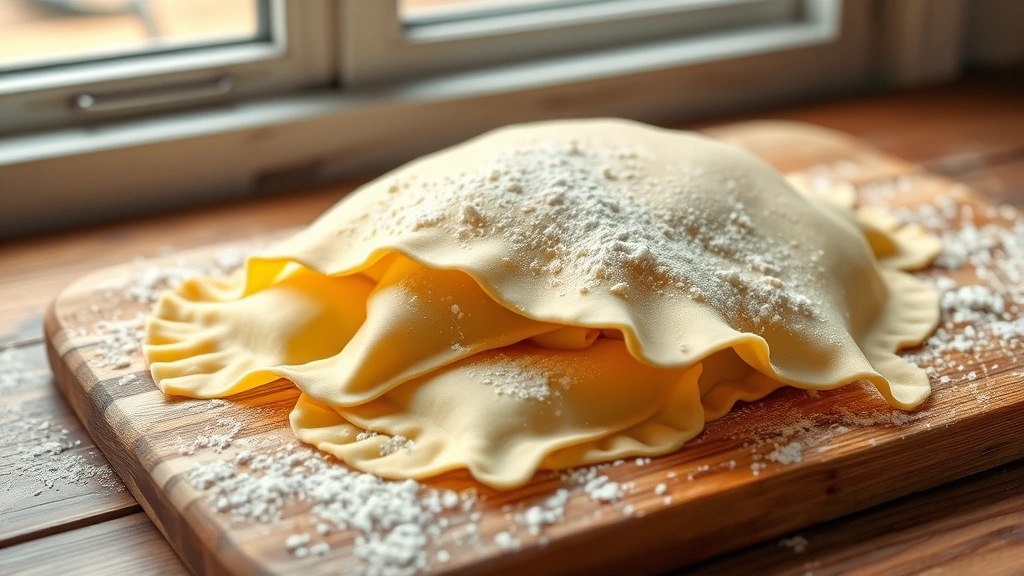
Making homemade ravioli pasta dough from scratch is easier than you might think, and the results are absolutely divine! There’s something truly special about creating fresh pasta in your own kitchen—the silky texture, the delicate flavor, and the satisfaction of knowing you made it yourself. This classic Italian dough recipe has been perfected over generations and uses just a handful of simple ingredients: flour, eggs, olive oil, and a pinch of salt.
The beauty of mastering this ravioli pasta dough recipe lies in understanding the technique rather than precise measurements. Professional pasta makers often work by feel and experience, adjusting as they go based on humidity and egg size. Once you understand the basic method, you’ll develop an intuition for when the dough is perfectly hydrated—not too sticky, not too dry, but silky and elastic.
This dough is wonderfully versatile. While it’s perfect for ravioli, you can use it for fettuccine, pappardelle, lasagna, or any filled pasta shape. The dough keeps beautifully in the refrigerator for up to two days or can be frozen for up to three months, making it an excellent make-ahead option for entertaining. Pair your finished ravioli with classic fillings like ricotta and spinach, or try more adventurous combinations with roasted butternut squash, wild mushrooms, or lobster.
Learn the fundamentals with our Prime Rib Rub Recipe for understanding flavor building, and check out Southern Collard Greens Recipe for perfect side dish pairings. For more pasta inspiration, explore Red Snapper Fillet Recipe for elegant protein accompaniments. External resources like Serious Eats’ Fresh Pasta Guide and New York Times Cooking’s Pasta Dough offer additional technical insights.
Ingredients
- 3 cups all-purpose flour, plus more for dusting
- 5 large eggs, room temperature
- 1 tablespoon extra virgin olive oil
- 1 teaspoon fine sea salt
- Water, as needed (1-2 tablespoons)
Instructions
- Measure your flour directly onto a clean, dry work surface or into a large mixing bowl. If using a surface, create a mound and use your fingers to make a well in the center, similar to a volcano shape. This well should be large enough to comfortably hold all five eggs without the yolks breaking through the flour walls.
- Crack your room-temperature eggs directly into the center well. Add the olive oil and salt to the eggs. Using a fork, gently beat the eggs together, just as if you were making scrambled eggs, breaking the yolks and mixing them with the whites.
- Begin drawing flour from the inner walls of your well with the fork, incorporating it gradually into the egg mixture. Work slowly and deliberately—this prevents the eggs from escaping and allows you to control the hydration of your dough. Continue until the mixture becomes too thick to work with a fork.
- Once the mixture resembles wet sand and becomes difficult to work with a fork, use your hands to bring all the flour together into a shaggy mass. Don’t worry if it looks rough and uneven at this stage; this is completely normal.
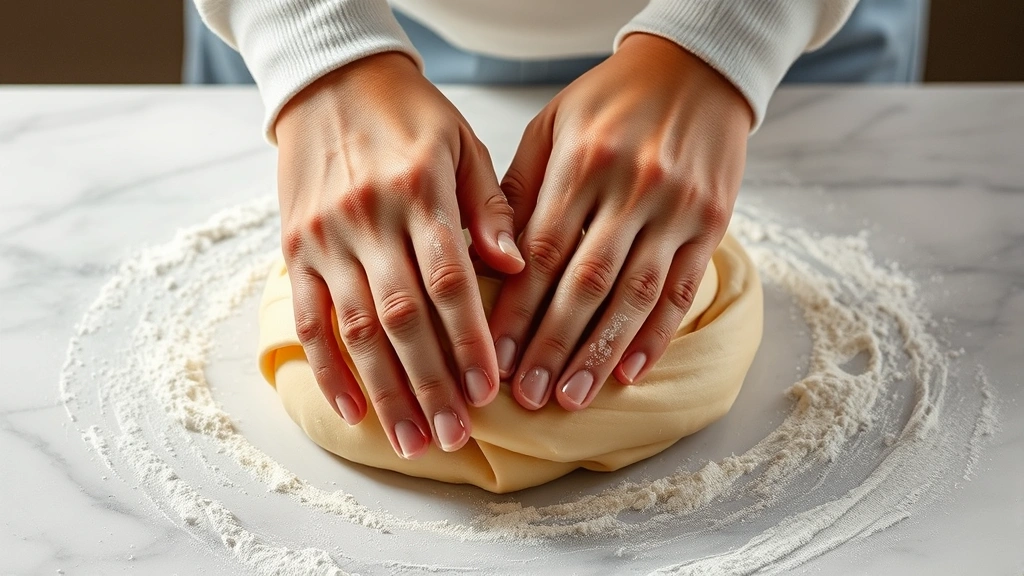
- Knead the dough on your work surface for about 8-10 minutes, pushing it away from you with the heel of your hand, folding it back over itself, and turning it slightly. The dough should gradually become smoother, more elastic, and less sticky. If it’s extremely sticky, dust with a bit more flour; if it’s too dry and won’t come together, wet your fingers and continue kneading.
- Test the dough’s readiness by poking it with your finger—it should spring back slowly but not completely. The dough should feel smooth, slightly elastic, and have a silky sheen. It should not be sticky or leave residue on your hands.
- Shape your kneaded dough into a ball and wrap it tightly in plastic wrap. Place it on the counter at room temperature and let it rest for at least 30 minutes, but ideally 1 hour. This resting period allows the gluten to relax and the flour to fully hydrate, making the dough much easier to roll out.
- After resting, your dough is ready to roll. If using a pasta machine, divide the dough into four equal portions and work with one at a time, keeping the others wrapped. If rolling by hand, you’ll work with the entire ball, rolling it out on a floured surface to your desired thickness.
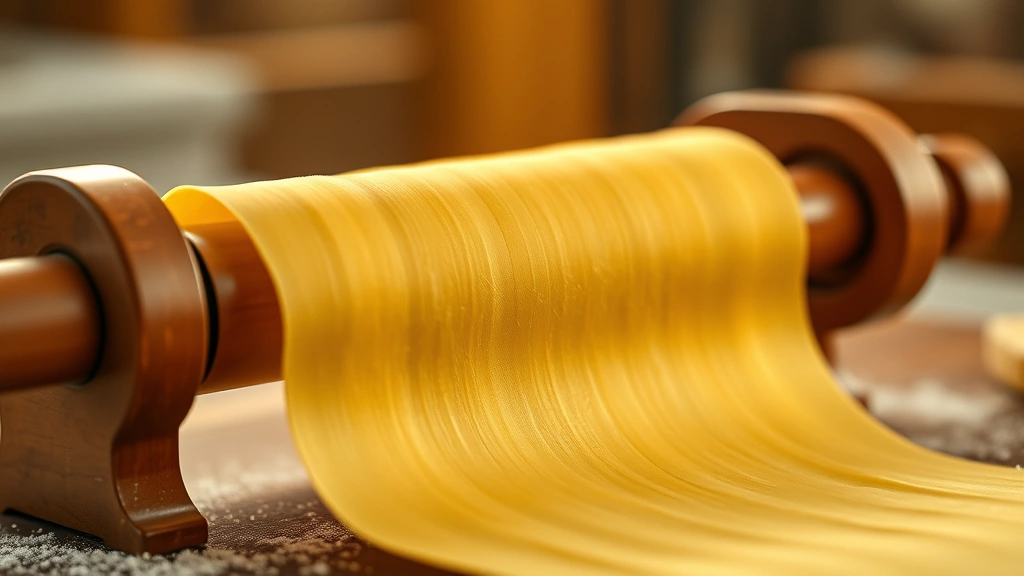
- When rolling with a pasta machine, start at the widest setting and run each portion through 2-3 times, folding it in half each time, before gradually moving to thinner settings. This helps develop the gluten structure further and creates an even thickness.
- Continue rolling progressively thinner until you can almost see your hand through the pasta sheet. The dough should be thin enough to work with ravioli forms or to cut and fill by hand, but not so thin that it tears easily.
- Once rolled, use your dough immediately to fill and shape ravioli, or lay the sheets on a lightly floured surface and cover with a kitchen towel if you’re filling them shortly. Fresh pasta dough is best used the same day but can be refrigerated for up to two days if necessary.
Pro Tips
Humidity matters significantly when making pasta dough. On humid days, you may need slightly less water or additional flour. Conversely, in very dry climates, you might need an extra teaspoon or two of water. This is why experienced pasta makers work by feel rather than strict measurements.
The flour-to-egg ratio can vary slightly depending on the brand of flour and size of your eggs. This recipe uses approximately 100 grams of flour per large egg, which is the standard Italian ratio. If your dough seems too wet after mixing, dust in additional flour gradually. If too dry, wet your fingers and continue kneading rather than adding liquid directly.
For best results, use unbleached, all-purpose flour or Italian tipo 00 flour. Tipo 00 creates an even silkier dough but isn’t necessary for excellent results. Avoid bread flour, which has too much protein and will create a tough dough.
You can prepare this dough up to two days in advance and store it wrapped tightly in plastic wrap in the refrigerator. Before rolling, let it come to room temperature for about 30 minutes. For longer storage, freeze the wrapped dough for up to three months. Thaw in the refrigerator overnight before using.
If your dough develops a slightly dry surface while rolling, don’t worry. Lightly mist your hands with water or brush the surface gently with a damp cloth. This restores moisture without making the dough sticky.
When filling ravioli, work quickly and keep unused pasta sheets covered with a damp towel to prevent them from drying out. Filled ravioli can be frozen on a baking sheet before transferring to freezer bags for up to three months.
For foolproof results every time, invest in a pasta machine—they cost around thirty dollars and dramatically improve consistency. However, patient hand-rolling with a rolling pin produces equally delicious results.