
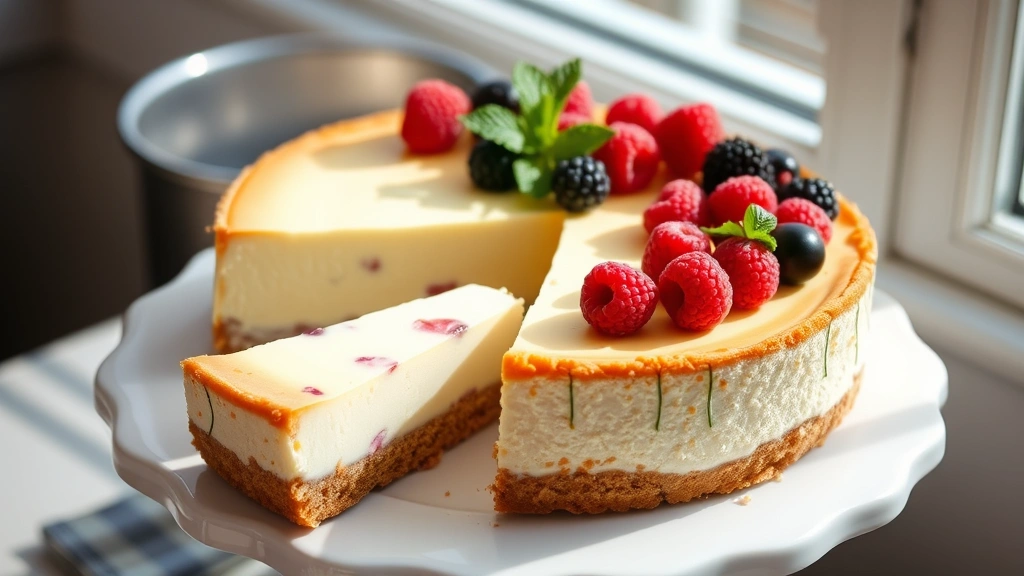
There’s something absolutely magical about a slice of creamy, dreamy ricotta cheesecake – it’s lighter and more delicate than its New York counterpart, with a subtle sweetness that feels both indulgent and refined. This Italian-inspired dessert has completely stolen my heart, and once you master this recipe, you’ll understand why it’s been a beloved classic for generations.
Ricotta cheesecake is the perfect dessert for any occasion, whether you’re hosting an elegant dinner party or simply craving something special on a Tuesday evening. The beauty of this recipe lies in its simplicity – with just a handful of quality ingredients, you can create a show-stopping dessert that tastes like you spent all day in the kitchen. Unlike dense New York-style cheesecake, this version boasts a lighter, airier texture that practically melts on your tongue, thanks to the whipped egg whites folded gently into the filling.
I’ve been making cheesecake for years, and I’ve learned a few tricks along the way that make all the difference. The key to perfection is using whole milk ricotta rather than low-fat varieties, ensuring your cream cheese is at room temperature, and taking your time with the water bath – this gentle, moist heat prevents cracks and ensures even baking. You’ll also want to resist the urge to open that oven door; I know it’s tempting, but patience truly is a virtue when it comes to cheesecake!
What I absolutely love about this ricotta cheesecake is how versatile it is. The classic version is divine on its own, but you can easily customize it with bright citrus zests, a swirl of homemade jam, candied fruit, or even a drizzle of honey. Some versions include a subtle nod to Italian flavors with the addition of almond extract or a touch of rum.
If you’re new to cheesecake baking, don’t be intimidated. This recipe is actually more forgiving than you might think, and the creamy, custard-like texture is incredibly rewarding. For more baking inspiration and technique guides, check out Serious Eats’ comprehensive baking section. Once you nail this recipe, you’ll be making it for every celebration and bringing it to every potluck. Your friends and family will be begging you for the secret!
Let’s dive into creating this stunning dessert. Whether you prefer it chilled straight from the refrigerator or at room temperature, this ricotta cheesecake will become your go-to show-stopper. The combination of textures – the buttery, crumbly crust, the silky filling, and optional fruit topping – creates an unforgettable experience. For more classic dessert recipes and techniques, Bon Appétit offers excellent guidance on perfecting your cheesecake game.
Ingredients
- 2 cups graham cracker crumbs (about 14-16 crackers)
- 6 tablespoons unsalted butter, melted
- 3 tablespoons granulated sugar
- 1 pound whole milk ricotta cheese, room temperature
- 8 ounces cream cheese, room temperature
- 3/4 cup granulated sugar
- 2 tablespoons all-purpose flour
- 1 tablespoon cornstarch
- 1 teaspoon vanilla extract
- 1/2 teaspoon almond extract (optional)
- Zest of 1 lemon (about 1 tablespoon)
- 3 large eggs, separated, room temperature
- 1/4 cup heavy cream, room temperature
- Pinch of salt
- Water for water bath
Instructions
- Preheat your oven to 325°F. Wrap the outside of a 9-inch springform pan with heavy-duty aluminum foil, ensuring it covers the sides and bottom completely to prevent water from seeping in during the water bath.
- In a medium bowl, combine graham cracker crumbs, melted butter, and 3 tablespoons sugar, stirring until the mixture resembles wet sand. Press this mixture firmly into the bottom of your prepared springform pan, using the bottom of a measuring cup to create an even layer. Bake for 8-10 minutes until lightly golden, then remove and set aside to cool slightly.
- While the crust bakes, begin preparing the filling. In a large mixing bowl, combine the room temperature ricotta cheese and cream cheese, beating with an electric mixer on medium-low speed for about 2-3 minutes until smooth and creamy. Be careful not to overmix, as this can incorporate too much air and cause cracking.
- In a small bowl, whisk together the flour, cornstarch, 3/4 cup sugar, salt, and lemon zest. Gradually add this dry mixture to the cheese mixture, beating on low speed until just combined. Scrape down the sides of the bowl with a rubber spatula to ensure even distribution.
- Add the vanilla extract and almond extract (if using) to the cheese mixture, beating gently until incorporated. Stir in the heavy cream with a spatula until the filling is smooth and homogeneous.
- Add the egg yolks one at a time to the cheese mixture, gently folding with a rubber spatula after each addition rather than beating. This preserves the delicate texture and prevents incorporating excess air that could cause cracks.
- In a separate, impeccably clean bowl, beat the egg whites with an electric mixer on high speed until stiff peaks form, about 3-4 minutes. This step is crucial for creating the light, airy texture that distinguishes ricotta cheesecake from other varieties.
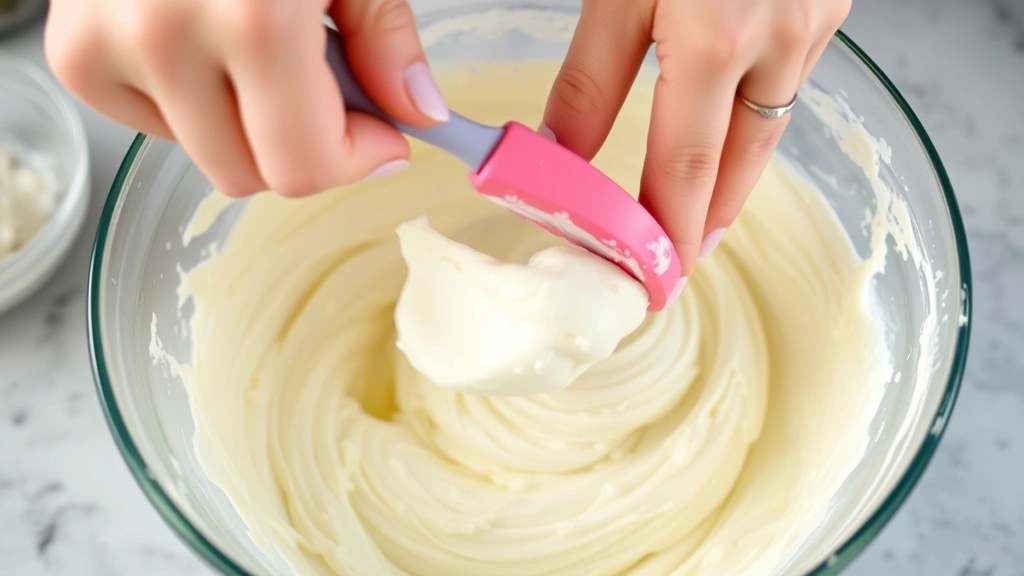
- Carefully fold one-third of the beaten egg whites into the cheese mixture using a rubber spatula, using broad, sweeping motions from the bottom of the bowl upward. This tempers the egg whites and lightens the mixture.
- Gently fold in the remaining egg whites in two additions, being very careful to maintain the airiness. The batter should look light and fluffy, with no visible streaks of egg white remaining.
- Pour the filling onto the cooled crust, smoothing the top with a spatula. Give the pan a gentle tap on the counter two or three times to release any large air bubbles trapped in the filling.
- Place the filled springform pan inside a larger roasting pan. Pour hot water into the roasting pan until it reaches halfway up the sides of the springform pan. This water bath ensures gentle, even baking and prevents cracks.
- Carefully place the entire setup in your preheated 325°F oven. Bake for 55-65 minutes. The cheesecake is done when the edges are set but the center still jiggles slightly when you gently shake the pan – it should have about a 2-inch diameter of gentle jiggle in the very center.
- Turn off the oven and crack the door open about 4 inches. Leave the cheesecake in the oven for another 30 minutes. This gradual temperature change prevents the dreaded cracks from rapid cooling.
- Remove the cheesecake from the oven and water bath, and place it on a wire cooling rack. Allow it to cool completely at room temperature for at least 1 hour, then refrigerate for at least 3 hours, preferably overnight.
- To serve, run a thin knife around the edges of the cheesecake while it’s still in the pan to loosen it from the sides. This prevents cracking when you remove the springform ring. Carefully unclip and remove the springform, then slice with a sharp knife dipped in hot water between each cut, wiping the blade clean each time for neat, beautiful slices.

Pro Tips
Water Bath Essential: The water bath is absolutely crucial for this recipe. It creates a moist baking environment that prevents the top from drying out and helps the cheesecake bake evenly. Never skip this step.
Do Not Overmix: Once you’ve added the flour mixture and eggs, switch to gentle folding motions rather than aggressive beating. Overmixing incorporates too much air and can cause the cheesecake to crack as it cools.
Crack Prevention: Cracks happen for several reasons – temperature shock, overmixing, or overbaking. The gradual cooling in the turned-off oven is your secret weapon against this common problem. Patience is truly rewarded here.
Flavoring Options: This recipe is beautifully versatile. Try adding the zest of an orange or lime instead of lemon, incorporate 1/2 teaspoon of cinnamon and 1/4 teaspoon of nutmeg for a spiced version, or swirl in 1/4 cup of honey for richness.
Make-Ahead Instructions: This cheesecake actually improves after a day or two in the refrigerator as the flavors meld. You can bake it up to 3 days ahead and store it covered in the refrigerator. It also freezes beautifully for up to 3 months – thaw in the refrigerator overnight before serving.
Serving Suggestions: Serve plain, with fresh berries, candied citrus peel, a drizzle of honey, or alongside a homemade fruit compote. A simple dusting of powdered sugar adds elegant presentation. Some people love serving it with a dollop of whipped cream or mascarpone.
Troubleshooting: If your cheesecake develops cracks, you can mask them with fresh fruit, jam, or a layer of sour cream topping. Cracks don’t affect flavor, only appearance. If your cheesecake is too dense, you may have overmixed the batter or overbaked it – next time, use the gentle folding method and watch for the jiggle test carefully.