
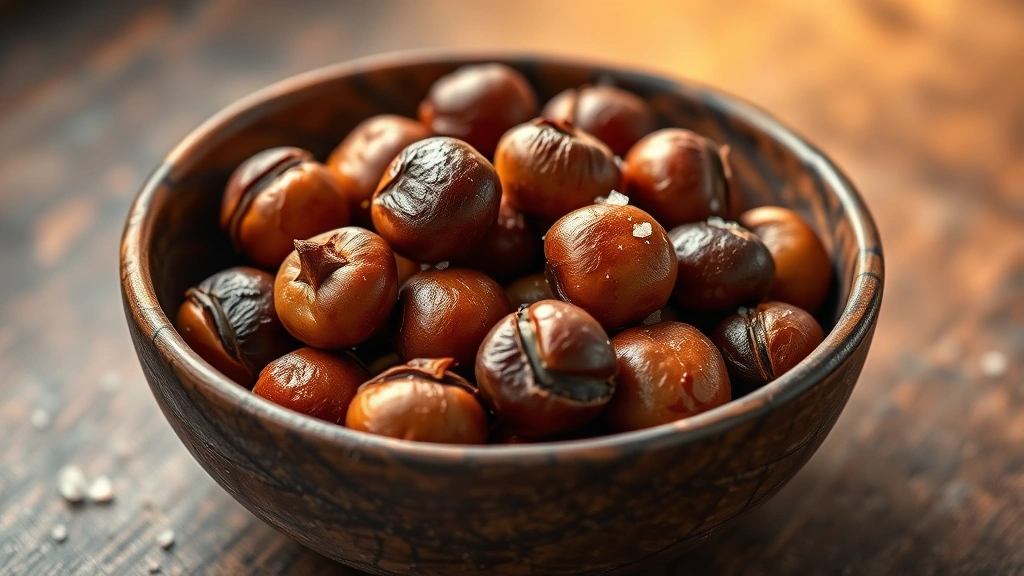
There’s something absolutely magical about roasted chestnuts, especially during the holiday season. This classic recipe brings back nostalgic memories of winter markets and cozy gatherings around the fireplace. Unlike other nuts, chestnuts have a naturally sweet, starchy flavor that becomes even more delightful when roasted to perfection. They’re lower in fat than most nuts and packed with vitamin C, making them both delicious and nutritious.
The key to achieving the perfect roasted chestnuts lies in proper preparation and attention to detail. You’ll want to score the shells correctly to prevent them from exploding in your oven, roast them at the right temperature, and time them just right so they’re tender and easy to peel. Whether you’re enjoying them as a snack, adding them to your holiday charcuterie board, or incorporating them into your favorite desserts like chocolate brownie frosting, this recipe will become your go-to method.
I’ve been perfecting this recipe for years, and I’m thrilled to share my foolproof technique with you. What makes this method special is the combination of steam and dry heat that creates chestnuts with perfectly roasted, tender meat inside while keeping the shells manageable for easy peeling. The aroma alone will have everyone in your home wondering what delicious treat you’re preparing.
This recipe works beautifully whether you’re roasting a small batch for yourself or preparing a larger quantity for entertaining. The beauty of roasted chestnuts is their versatility – enjoy them warm with a sprinkle of sea salt, incorporate them into your favorite holiday recipes, or store them for later use. For more holiday baking inspiration, check out our Perfect Royal Icing Recipe for decorating your seasonal treats.
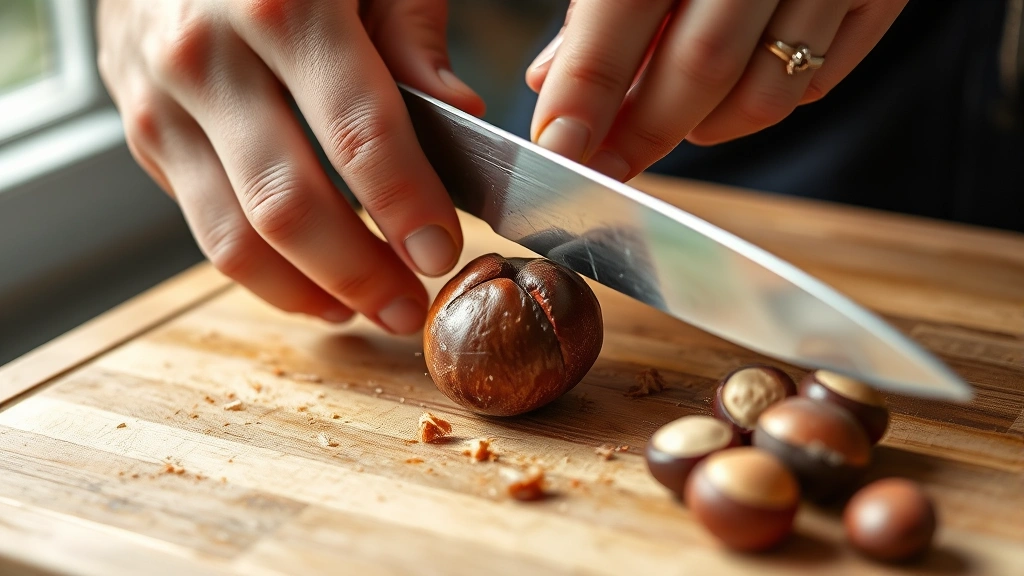
According to culinary experts at Serious Eats, the key to preventing chestnut explosions during roasting is creating steam vents through scoring. This allows moisture to escape gradually rather than building up pressure inside the shell. I recommend scoring an X on the flat side of each chestnut with a sharp knife, making sure you cut through the outer shell and the inner skin.
For best results, Bon Appétit suggests soaking your chestnuts briefly before roasting to ensure they have adequate moisture content. This simple step makes a tremendous difference in the final texture and ease of peeling. You’ll also want to use a baking sheet with raised edges to catch any liquid that might escape during roasting.
The roasting process typically takes about 25-30 minutes, depending on the size of your chestnuts and your oven’s specific characteristics. Halfway through roasting, give the pan a gentle shake to ensure even cooking. You’ll know they’re done when the shells begin to peel back slightly at the scored X and the meat inside is tender.
While your chestnuts are roasting, consider what you might do with them. They pair beautifully with holiday pound cakes or can be enjoyed simply with a touch of peanut butter icing for a unique treat. For more detailed roasting techniques, New York Times Cooking offers additional insights into seasonal nut preparation.
Ingredients
- 2 pounds fresh chestnuts, preferably large and uniform in size
- 2 tablespoons water
- 2 tablespoons olive oil or melted butter
- 1 teaspoon sea salt, or more to taste
- ½ teaspoon freshly ground black pepper
- Optional: 1 teaspoon honey or maple syrup for added sweetness
- Optional: fresh rosemary sprigs or thyme for aromatic flavoring
Instructions
- Begin by inspecting your chestnuts carefully, discarding any with visible mold, cracks, or soft spots. These indicators mean the nut inside has deteriorated and won’t roast properly. Select chestnuts that feel heavy for their size and have firm shells.
- Fill a large bowl with cold water and submerge all your chestnuts. Let them soak for 10-15 minutes. This hydration step is crucial as it helps the inner meat steam properly during roasting and makes peeling significantly easier after they cool. After soaking, drain them completely and pat dry with a clean kitchen towel.
- Preheat your oven to 400°F (200°C). Position the oven rack in the middle of the oven to ensure even heat distribution. A preheated oven is essential for consistent, even roasting of all your chestnuts.
- Working with one chestnut at a time, place it on a cutting board with the flatter side facing up. Using a sharp knife or an X-shaped scoring tool, carefully cut an X about ½-inch deep through the outer shell. Make sure you cut through both the hard outer shell and the bitter inner skin, but don’t cut into the edible meat itself.
- Continue scoring all remaining chestnuts, working methodically to ensure each one has a clear X mark. Proper scoring is absolutely critical – this is what prevents your chestnuts from exploding in the oven and allows steam to escape gradually.
- Arrange all scored chestnuts in a single layer on a large baking sheet, preferably one with slightly raised edges to contain any juices. Position them with the scored X facing upward.
- In a small bowl, combine the water and olive oil. Drizzle this mixture evenly over all the chestnuts, ensuring each one receives some moisture. This combination creates both steam and a light coating that helps with even roasting.
- Sprinkle the sea salt and black pepper over the chestnuts. If you’re using optional honey or maple syrup, drizzle a tiny amount over each one. If using fresh herbs, scatter the rosemary or thyme sprigs among the chestnuts.
- Place the baking sheet in your preheated 400°F oven. Set a timer for 15 minutes. After the first 15 minutes, remove the baking sheet and give it a gentle shake from front to back. This helps ensure even heat exposure and prevents any chestnuts from sitting in accumulated moisture.
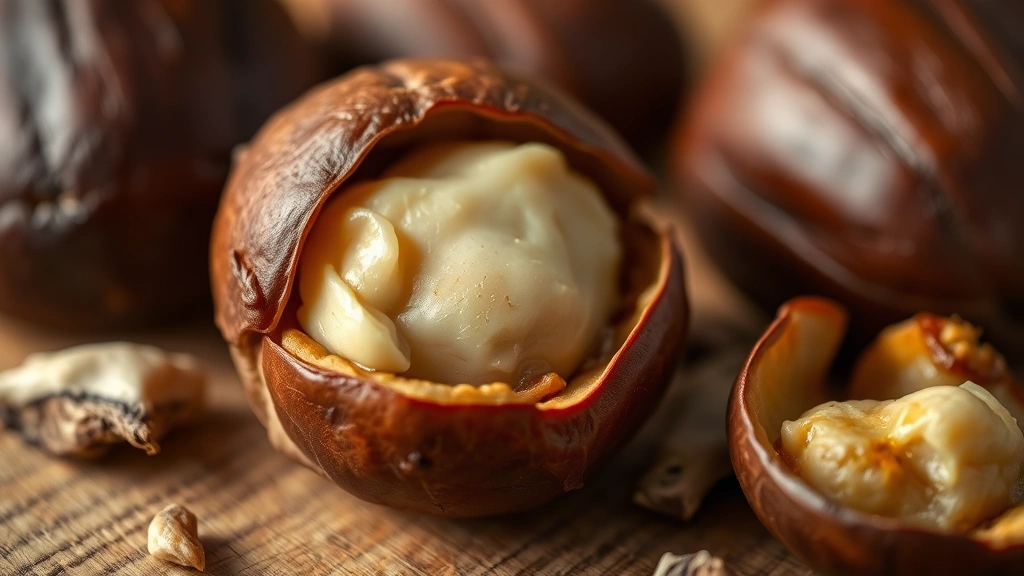
- Return the baking sheet to the oven and continue roasting for another 12-15 minutes, until the shells begin to curl back at the X scoring and you can see the light-colored meat peeking through. The entire roasting process should take approximately 25-30 minutes total.
- Your chestnuts are done roasting when the shells have darkened slightly and the inner meat is tender enough to pierce easily with a fork. Remove the baking sheet from the oven and let it rest for 2-3 minutes to allow the chestnuts to cool slightly.
- While the chestnuts are still warm but cool enough to handle comfortably, begin peeling them. The warmth makes the peeling process much easier. Start at the X and gently peel away the outer shell, then remove the thin inner skin that clings to the nut meat.
- If the chestnuts cool too much and become difficult to peel, return them to the warm oven for 2-3 minutes to soften them again. This patience will reward you with better-peeled nuts and less wasted meat.
- Once peeled, place your roasted chestnuts in a serving bowl and taste one to check the seasoning. Add additional sea salt if desired. Serve them warm for the best flavor and texture.
- If not serving immediately, store cooled roasted chestnuts in an airtight container in the refrigerator for up to 5 days, or freeze them for up to 3 months for later use.
Pro Tips
The scoring step cannot be overstated in importance. Improperly scored chestnuts may explode in your oven, creating a mess and potentially damaging your oven. Take your time with this step and ensure you’ve cut deep enough through both shells.
Soaking your chestnuts before roasting truly does make a difference. This step rehydrates the nuts and ensures better steam circulation during roasting, resulting in more tender meat and easier peeling.
Don’t skip the rest period after roasting. Those few minutes allow the internal heat to finish cooking the nut meat while the shells cool just enough to handle safely.
Peeling warm chestnuts is significantly easier than peeling cold ones. If you must take a break during peeling, keep the remaining chestnuts warm in a low oven or covered bowl to maintain their temperature.
For a savory variation, try adding smoked paprika, garlic powder, or a pinch of cayenne pepper along with the salt and pepper.
These roasted chestnuts pair beautifully with a charcuterie board, holiday appetizers, or can be enjoyed as a simple snack with sea salt.
Leftover roasted chestnuts can be chopped and added to salads, stuffing, grain bowls, or even chocolate desserts for added sophistication and nutty flavor.