
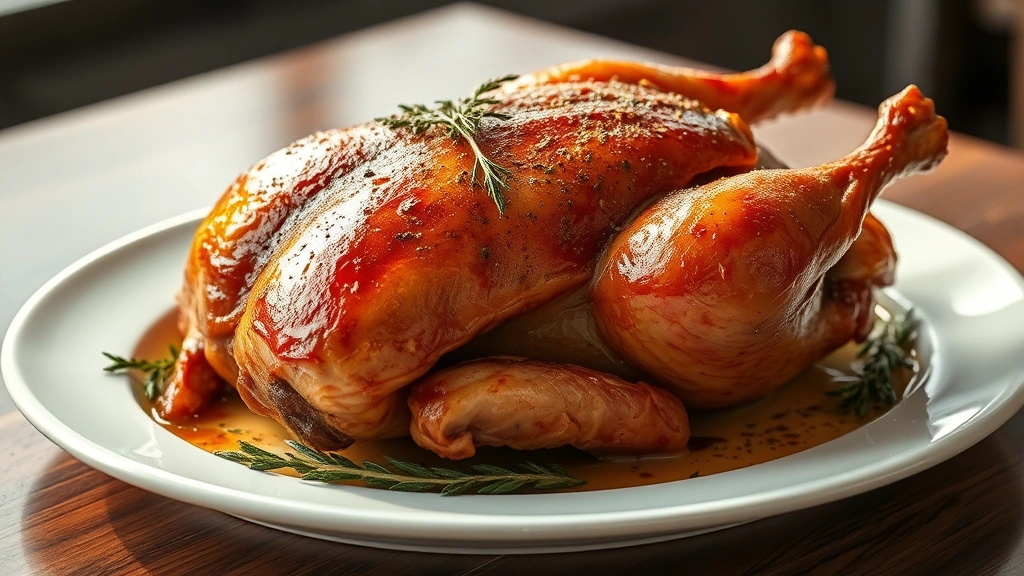
There’s something absolutely magical about a perfectly roasted duck—the skin crackling with golden-brown perfection, the meat impossibly tender and juicy inside. This is the kind of show-stopping dish that makes you feel like a professional chef, but I promise it’s easier than you think! I’ve been making roasted duck for years, and I’m so excited to share my foolproof method with you today.
Roasted duck is one of those elegant proteins that instantly elevates any dinner table. Whether you’re hosting a special occasion or just want to treat yourself to something restaurant-quality at home, this recipe delivers every single time. The secret isn’t complicated—it’s all about proper preparation, the right technique, and a little patience. I’m talking about scoring that skin just right, seasoning generously, and letting the oven do most of the work while you relax.
What I absolutely love about this roasted duck recipe is how versatile it is. You can serve it with classic French sides like seasonal roasted vegetables, or go for something lighter and fresher. The rendered duck fat is liquid gold in the kitchen—save every precious drop! I use it for making the most incredible roasted potatoes, or for adding incredible flavor to practically anything.
Now, let me walk you through exactly how to achieve that restaurant-quality result at home. This isn’t a rushed recipe, but the hands-on time is minimal. The beauty of roasting duck is that once it’s in the oven, you can pour yourself a glass of wine and let the magic happen. I’ll guide you through every single step, from selecting your duck to that gorgeous final presentation.
The technique I’m sharing has been refined over countless Sunday dinners and special celebrations. It combines traditional French methods with practical tips I’ve learned along the way. The result? A duck with skin so crispy it shatters when you bite into it, and meat so tender it practically melts on your tongue. This is the roasted duck recipe that will have your guests asking for the secret—and now you’ll know exactly what to tell them!
For more inspiration on elegant entertaining, check out our Best Coconut Cake Recipe for a stunning dessert. And if you’re planning a complete menu, our Best Almond Joy Cookie Recipe makes for perfect after-dinner treats. For additional sauce inspiration, this pairs beautifully with techniques from Best Marshmallow Frosting Recipe when thinking about glaze options, or you could explore Best Peanut Butter Balls Recipe for creative flavor pairing ideas. Check out Serious Eats’ roast duck technique for additional preparation methods, and Bon Appétit’s roasted duck for elegant serving suggestions. For sauce pairing ideas, New York Times’ roast duck offers wonderful inspiration.
Ingredients
- 1 whole duck (5-6 pounds), patted completely dry with paper towels
- 2 tablespoons kosher salt, divided
- 1 tablespoon freshly ground black pepper
- 4 cloves garlic, smashed
- 3 sprigs fresh thyme
- 2 sprigs fresh rosemary
- 1 small orange, halved
- 1 tablespoon honey
- 1 teaspoon Dijon mustard
- 2 tablespoons soy sauce
- 1 tablespoon rice vinegar
- 1 teaspoon ginger, minced
- 2 tablespoons water
- Fresh herbs for garnish (thyme, rosemary, or chives)
Instructions
- Remove your duck from the refrigerator 30 minutes before cooking to bring it to room temperature. This ensures even cooking throughout.
- Preheat your oven to 425°F (220°C). Position the rack in the lower third of the oven.
- Pat the duck completely dry, inside and out, using paper towels. This is absolutely crucial for achieving crispy skin. Don’t skip this step!
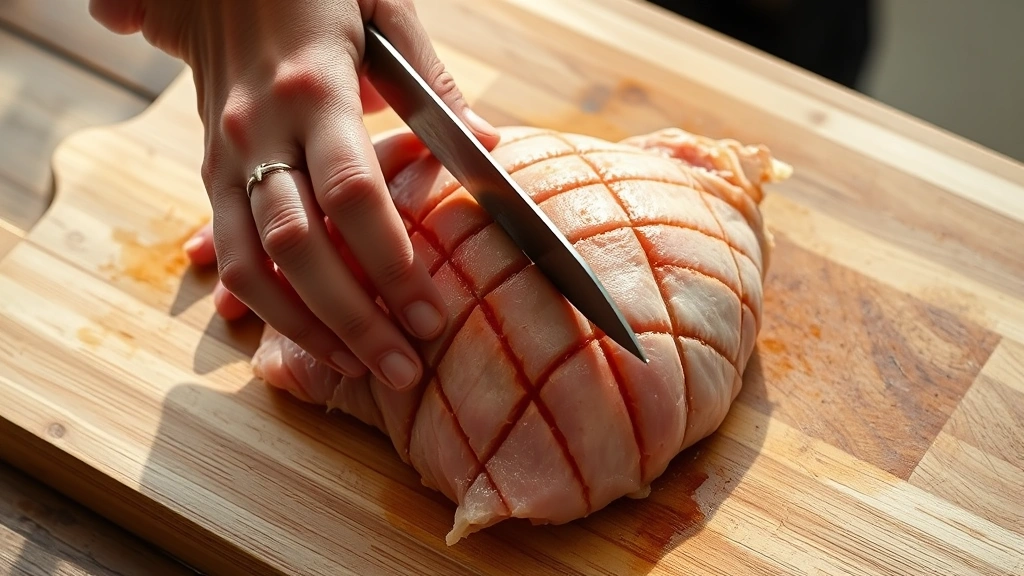
- Using a sharp knife, score the duck skin in a crosshatch pattern, being careful not to cut into the meat. Make shallow cuts about ¼ inch deep.
- Season the cavity generously with 1 tablespoon of kosher salt and black pepper. Stuff with the smashed garlic, thyme sprigs, rosemary sprigs, and orange halves.
- Place the duck, breast-side up, on a rack in a roasting pan. Rub the outside generously with the remaining 1 tablespoon of kosher salt and black pepper.
- In a small bowl, whisk together the honey, Dijon mustard, soy sauce, rice vinegar, ginger, and water to create a glaze.
- Roast the duck at 425°F for 15 minutes to render some of the fat and start crisping the skin.
- Reduce the oven temperature to 375°F (190°C) and continue roasting for 1 hour and 30 minutes, basting with the glaze every 20 minutes.
- Check the internal temperature by inserting a meat thermometer into the thickest part of the thigh without touching bone. It should read 165°F for fully cooked duck.
- For the last 15 minutes of cooking, brush the remaining glaze over the duck and increase the oven temperature to 425°F to re-crisp the skin.
- Remove the duck from the oven and let it rest on a cutting board for 10 minutes before carving. This allows the juices to redistribute throughout the meat.
- Pour off the pan drippings into a fat separator or container, reserving the flavorful jus for serving.
- Carve the duck by first removing the legs, then the wings, and finally slicing the breast meat against the grain.
- Arrange the carved duck on a serving platter, drizzle with the reserved jus, and garnish with fresh herbs.
Pro Tips
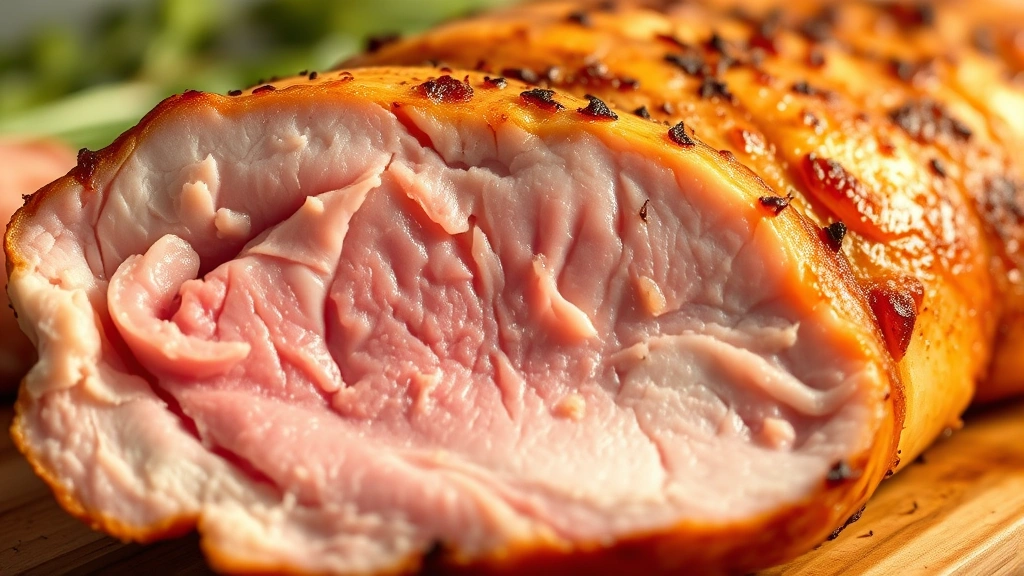
- Duck breasts and thighs have different optimal cooking temperatures. Thighs should reach 165°F for food safety, while breast meat is best served slightly pink at 160°F for maximum tenderness
- The rendered duck fat is incredibly valuable. Strain it, store it in an airtight container in the refrigerator, and use it for roasting vegetables or making the most incredible fried potatoes
- If you can’t find fresh duck, frozen duck works beautifully. Simply thaw it completely in the refrigerator for 24 hours before beginning this recipe
- The scoring technique is what creates that shatteringly crisp skin. Practice your crosshatch pattern—shallow cuts ensure the fat renders while the skin crisps up beautifully
- You can prepare the duck through step 6 up to 24 hours in advance. Cover loosely with plastic wrap and refrigerate, then bring to room temperature before roasting
- The glaze can be customized to your preferences. Try orange juice, balsamic vinegar, or even a honey-soy combination without the ginger
- Basting every 20 minutes might seem like a lot of effort, but it’s what transforms good roasted duck into exceptional roasted duck with glossy, caramelized skin
- If your duck skin isn’t as crispy as you’d like, increase the final temperature boost to 450°F for the last 10 minutes, watching carefully to prevent burning
- Leftover roasted duck is absolutely delicious. Shred the meat and use it in Asian noodle dishes, salads, or sandwiches. The bones make exceptional stock
- For a classic French presentation, serve with a cherry gastrique or orange sauce on the side for dipping
- Duck pairs beautifully with bold, acidic wines like Burgundy or full-bodied reds. Consider your wine selection when planning your menu
- The resting period is non-negotiable. It allows carryover cooking to complete while the juices redistribute, ensuring moist, tender meat throughout
- Room temperature duck cooks more evenly than cold duck straight from the refrigerator, resulting in perfectly cooked meat from thigh to breast