
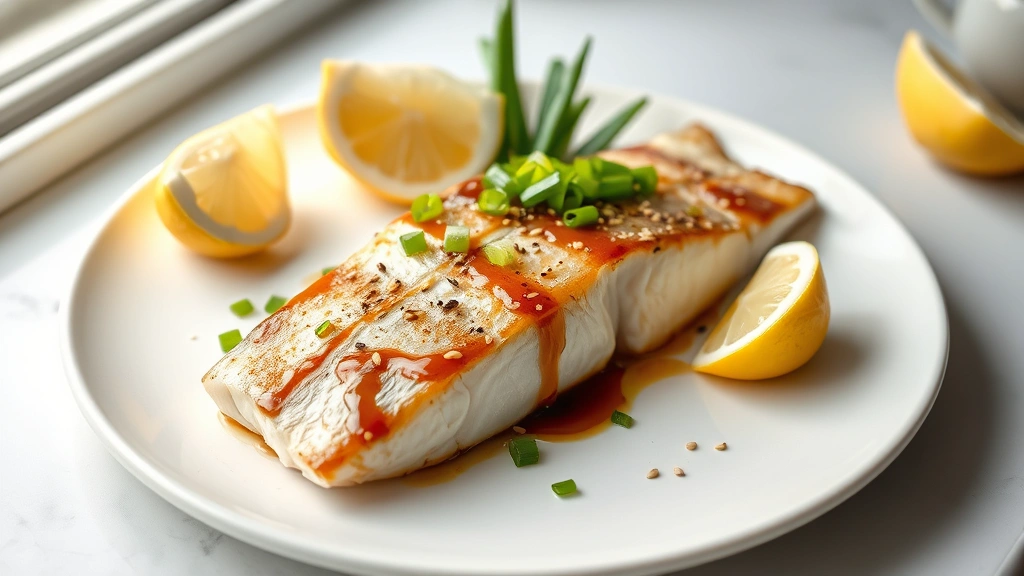
Sablefish, also known as black cod, is one of the most luxurious and buttery fish you can cook at home. With its high oil content and delicate flavor, this fish practically melts in your mouth when prepared correctly. This recipe transforms this elegant protein into a restaurant-quality dish that will impress even the most discerning dinner guests.
What makes sablefish so special is its naturally rich, buttery texture that requires minimal intervention. Unlike leaner white fish that can easily dry out, sablefish’s natural oils keep it moist and succulent throughout the cooking process. Whether you’re a seasoned home cook or just beginning your culinary journey, this sablefish recipe proves that the best dishes often come from letting quality ingredients shine.
The beauty of this preparation lies in its simplicity. We’re using a classic miso-butter glaze that complements the fish’s natural richness without overwhelming it. The miso adds depth and umami, while a touch of honey provides subtle sweetness and helps create a gorgeous caramelized exterior. Paired with fresh seasonal vegetables or served alongside steamed bok choy, this dish transforms an ordinary weeknight dinner into something truly special.
According to Serious Eats, sablefish’s high fat content makes it one of the most forgiving fish to cook at home. The key is not to overcomplicate things. This recipe respects that philosophy while adding just enough flavor to elevate the dish beyond simple. Even if you’ve never cooked sablefish before, you’ll find this method foolproof and absolutely delicious.
For best results, source your sablefish from a reputable fishmonger who can tell you exactly when it was caught. Fresh sablefish should smell clean and oceanic, with firm flesh and bright eyes if you’re purchasing whole fish. The investment in quality fish is absolutely worth it—it’s the foundation of this entire recipe.
Serve this beautiful sablefish hot from the oven with a squeeze of fresh lemon juice and perhaps a glass of crisp white wine. Your family will think you’ve been secretly attending cooking school. Pair it with your favorite side dishes for a complete meal that feels both elegant and comforting.
Ingredients
- 4 sablefish fillets, 6 ounces each
- 3 tablespoons white miso paste
- 2 tablespoons unsalted butter, softened
- 1 tablespoon honey
- 1 tablespoon rice vinegar
- 2 cloves garlic, minced
- 1 teaspoon fresh ginger, grated
- 1 tablespoon soy sauce
- 2 teaspoons sesame oil
- 1 tablespoon vegetable oil
- Salt and freshly ground black pepper to taste
- 2 green onions, sliced for garnish
- 1 teaspoon sesame seeds for garnish
- Fresh lemon wedges for serving
- Parchment paper for baking
Instructions
- Preheat your oven to 400 degrees Fahrenheit. Line a baking sheet with parchment paper to prevent sticking and ensure easy cleanup.
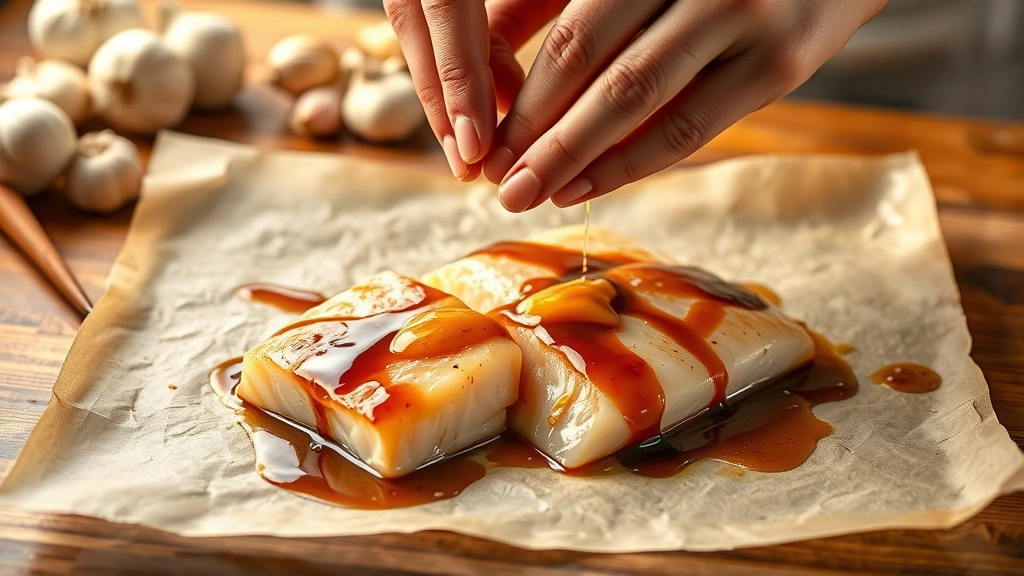
- In a small bowl, whisk together the white miso paste, softened butter, honey, rice vinegar, minced garlic, grated ginger, soy sauce, and sesame oil until completely combined and smooth. Set aside.
- Remove sablefish fillets from the refrigerator and allow them to come to room temperature for about 10 minutes. Pat them dry with paper towels—this helps them develop a better texture during cooking.
- Drizzle the vegetable oil onto your prepared baking sheet and use your fingers or a brush to coat evenly. Place the sablefish fillets skin-side down on the oiled parchment paper.
- Season each fillet generously with salt and freshly ground black pepper on both sides. Don’t be shy with the seasoning—fish benefits from proper seasoning.
- Using a small spoon or knife, divide the miso-butter mixture evenly among the four fillets, spreading it gently over the top of each one. Make sure each fillet gets a generous coating of the glaze.
- Transfer the baking sheet to your preheated 400-degree oven and bake for 12-15 minutes, depending on the thickness of your fillets. The fish is done when it flakes easily with a fork and the flesh is opaque throughout.
- Remove the baking sheet from the oven and carefully transfer each fillet to a serving plate. Drizzle any pan juices over the top of each fillet.
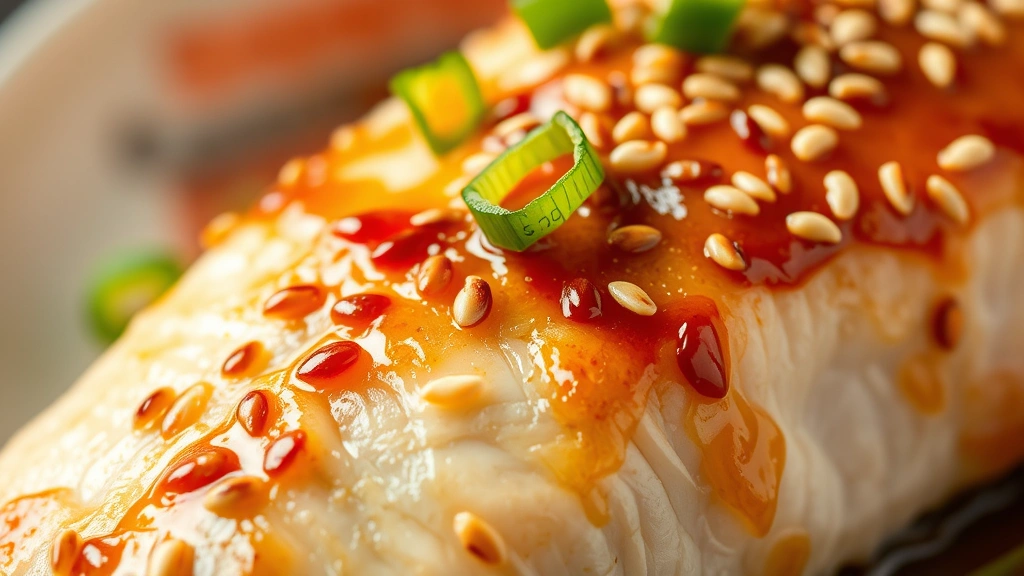
- Garnish with sliced green onions and a sprinkle of sesame seeds for color and crunch. Serve immediately with fresh lemon wedges on the side.
- Optional: For extra presentation appeal, serve alongside steamed bok choy or fresh vegetable accompaniments for a complete restaurant-quality meal.
Pro Tips
Miso paste selection: White miso is milder and slightly sweet, making it perfect for this preparation. If you can only find red miso, use slightly less as it has a more assertive flavor. Never use the darkest miso varieties for this delicate fish.
Make-ahead options: You can prepare the miso-butter glaze up to 24 hours in advance and store it covered in the refrigerator. Simply bring it to room temperature before spreading on the fillets. The fish itself should be cooked fresh.
Seasoning adjustments: If you prefer less salt, reduce the soy sauce to 2 teaspoons. The honey can be adjusted based on your preference for sweetness—some prefer 1 tablespoon, others up to 1.5 tablespoons.
Wine pairing: This dish pairs beautifully with Sauvignon Blanc, Pinot Grigio, or a light Riesling. For red wine lovers, a light Pinot Noir works surprisingly well.
Storage: Leftovers can be stored in an airtight container in the refrigerator for up to 2 days, though sablefish is best enjoyed fresh. Reheat gently at 275 degrees Fahrenheit for about 5 minutes.
Substitutions: While sablefish is ideal, this recipe also works well with other oily fish like halibut, sea bass, or even salmon. Adjust cooking time based on thickness.
Parchment paper tip: Using parchment paper ensures the delicate skin doesn’t stick to the pan and helps distribute heat evenly for perfectly cooked fish every time.
Garlic and ginger: Fresh garlic and ginger make a significant difference in flavor. Pre-minced versions from a jar are convenient but won’t provide the same vibrant taste.
Butter quality: Using high-quality unsalted butter allows you to control the salt content and ensures the best flavor for your glaze.