
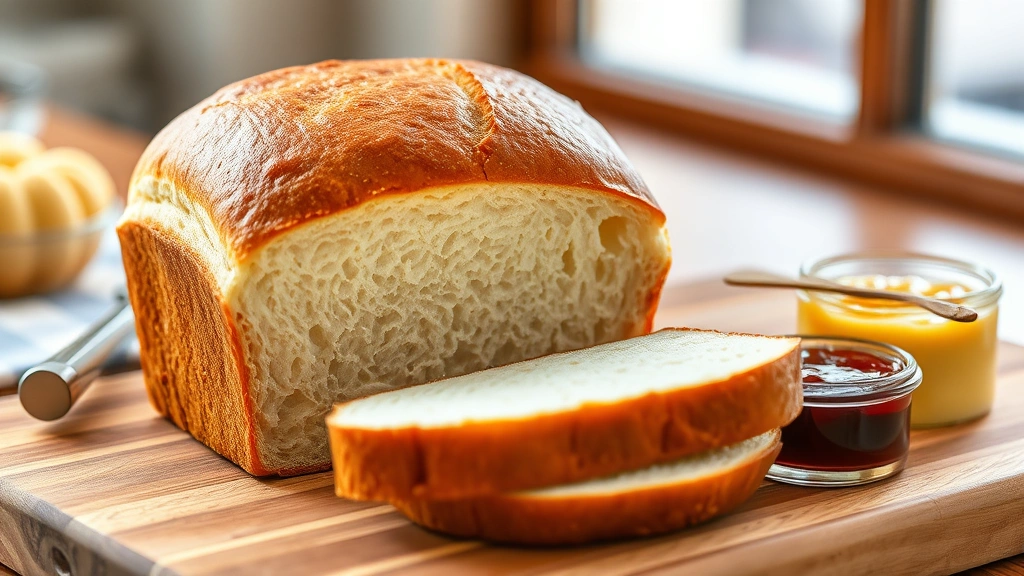
Shokupan, the beloved Japanese milk bread, is a soft, pillowy loaf that’s perfect for breakfast, sandwiches, or simply enjoying with butter and jam. This foolproof recipe will guide you through creating bakery-quality shokupan at home, complete with a silky tangzhong (water roux) that keeps the bread impossibly moist for days. Whether you’re a seasoned baker or picking up a mixer for the first time, this step-by-step method demystifies the process and delivers consistently beautiful results.
The secret to perfect shokupan lies in three key components: the tangzhong starter, proper kneading technique, and patient fermentation. The tangzhong—a cooked paste made from flour and milk—gelatinizes the starches, creating a crumb that stays tender and fresh far longer than traditional bread. This is why Japanese bakeries can sell shokupan days after baking without it going stale. Combined with enriched dough loaded with butter, eggs, and milk, you’ll understand why shokupan has become a global sensation.
This recipe makes a standard loaf that fits perfectly in a pullman loaf pan, though you can divide the dough into smaller portions for dinner rolls or buns. The total time, including rises, spans about four to five hours, but most of that is hands-off. Once you master the basic technique, you’ll find yourself making shokupan weekly. The aroma alone—that sweet, buttery, yeasty perfume—will have your family gathering in the kitchen in anticipation.
I recommend investing in a good instant-read thermometer for this recipe, as dough temperature significantly impacts fermentation timing. You’ll also want a reliable kitchen scale for accurate measurements; baking is chemistry, and precision matters. If you don’t have a pullman pan, a standard loaf pan works beautifully—your shokupan will simply have a rounded top instead of the characteristic square shape.
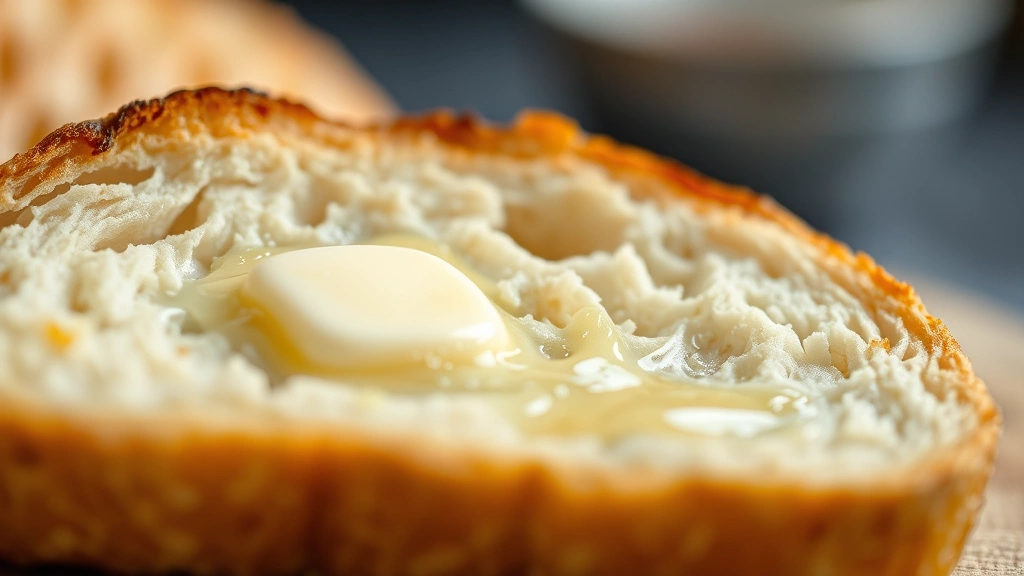
For those new to tangzhong method baking, don’t be intimidated by the initial flour-and-liquid paste. This simple step is the game-changer that separates forgettable bread from the kind you’ll wake up craving. Pair your finished shokupan with creamy butter, quality jam, or delicate cucumber and cream cheese sandwiches. For deeper inspiration, check out Serious Eats’ comprehensive guide to Hokkaido milk bread, which explores the science behind this magical loaf.
Once you’ve mastered the basic shokupan, explore variations like chocolate chip, matcha, or even savory versions with cheese and herbs. The versatility of this dough is remarkable, and you’ll find yourself experimenting endlessly. Many bakers also use cold overnight fermentation to deepen flavor and improve texture. For additional technique refinement, Bon Appétit’s Hokkaido milk bread recipe offers professional baker insights. This recipe is about building confidence in the kitchen and discovering the joy of fresh, homemade bread that rivals any professional bakery.
Ingredients
- For the tangzhong: 20g (3 tablespoons) bread flour
- For the tangzhong: 100ml (⅖ cup) whole milk
- For the dough: 300g (2⅜ cups) bread flour
- For the dough: 50g (⅖ cup) cake flour or all-purpose flour
- For the dough: 6g (1½ teaspoons) instant yeast
- For the dough: 30g (2⅜ tablespoons) granulated sugar
- For the dough: 6g (1 teaspoon) salt
- For the dough: 1 large egg (about 50g)
- For the dough: 50ml (¼ cup) whole milk, room temperature
- For the dough: 30g (2 tablespoons) unsalted butter, softened
- For assembly: 10g (2 teaspoons) unsalted butter, melted (for pan)
- For finishing: 1 tablespoon whole milk mixed with 1 tablespoon water (egg wash alternative)
Instructions
- Make the tangzhong: In a small saucepan, whisk together bread flour and milk until completely smooth with no lumps. Cook over medium heat, stirring constantly, until the mixture thickens and reaches 65°C (149°F) on an instant-read thermometer, approximately 1-2 minutes. The mixture should resemble thick custard and pull away slightly from the pan sides. Transfer to a bowl and let cool to room temperature, about 15-20 minutes. You can speed this by placing the bowl over an ice bath.
- Combine dry ingredients: In the bowl of a stand mixer fitted with a dough hook, combine bread flour, cake flour, instant yeast, sugar, and salt. Whisk together by hand for about 30 seconds to distribute the yeast and salt evenly.
- Add wet ingredients: Pour the cooled tangzhong into the flour mixture, followed by the egg and room-temperature milk. Mix on low speed for about 2 minutes until the dough comes together and no dry flour remains. The dough will appear shaggy and rough at this stage.
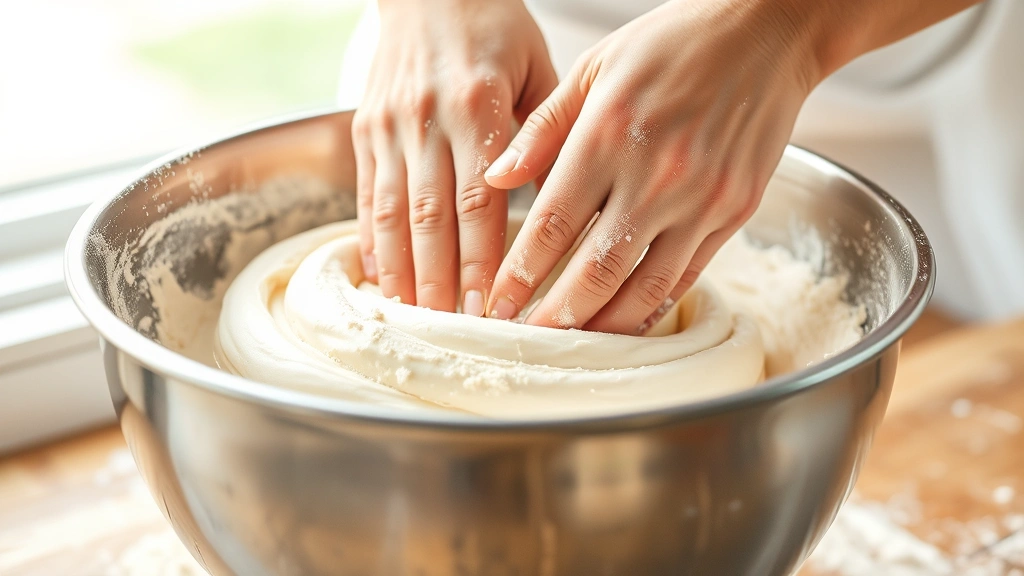
- Knead the dough: Increase mixer speed to medium and knead for about 8-10 minutes. After 5 minutes, add the softened butter gradually in three additions, waiting about 1-2 minutes between additions for the butter to incorporate. Continue kneading until the dough becomes smooth, elastic, and slightly tacky but not sticky. The dough should pull away from the bowl sides and feel soft like a baby’s skin.
- Check dough temperature: Remove the dough from the mixer and check its temperature with an instant-read thermometer. Ideal dough temperature is 26-28°C (79-82°F). If it’s cooler, you may need slightly longer fermentation; if warmer, fermentation will be faster. Note this temperature for timing reference.
- First rise: Transfer the dough to a lightly oiled bowl, turning to coat all sides. Cover with a damp tea towel or plastic wrap. Let rise at room temperature (about 22-24°C/72-75°F) for 60-90 minutes, until the dough has roughly doubled in size. You can perform the poke test: gently poke the dough with a floured finger; if the indentation slowly springs back halfway, it’s ready.
- Shape the dough: Turn the dough onto a lightly floured surface and gently deflate it by pressing out large air bubbles. Shape it into a rough rectangle by patting it flat, then roll it tightly from one long end, creating tension as you go. This creates the characteristic fine crumb structure of shokupan. The roll should be compact and relatively uniform in diameter.
- Prepare the pan: Brush a pullman loaf pan (or standard loaf pan) generously with melted butter, paying special attention to corners. If using a pullman pan, you’ll want to use the lid to create the square-topped loaf; if using a standard loaf pan, skip the lid and your loaf will have a rounded top.
- Second rise: Place the shaped dough seam-side down into the prepared pan. If using a pullman pan, close the lid loosely (don’t lock it shut yet). Cover loosely with a damp towel or plastic wrap and let rise for 45-60 minutes at room temperature until the dough fills the pan and rises about ½ inch below the lid rim (or about 1 inch above the standard pan rim). The dough should feel pillowy and spring back slowly when poked.
- Preheat oven: About 15 minutes before baking, preheat your oven to 190°C (375°F). Position the rack in the lower-middle position. If using a pullman pan with a lid, slide the lid fully closed and lock it in place about 5 minutes before baking to trap steam and create the characteristic square shape.
- Bake: Place the loaf pan on the preheated oven’s lower-middle rack. Bake for 33-38 minutes until the top is deep golden brown (if using a standard pan without a lid). If the top browns too quickly, loosely tent with foil during the final 10 minutes. For a pullman loaf, the lid prevents browning, so bake the full time without checking. The internal temperature should reach 95-97°C (203-207°F) when measured with an instant-read thermometer inserted into the center.
- Cool in pan: Remove the loaf from the oven and let it rest in the pan for 5 minutes. If using a pullman pan, carefully unlock and remove the lid. Turn the loaf out onto a wire cooling rack and let cool completely, about 60 minutes, before slicing. This cooling time allows the crumb structure to set properly.
- Slice and serve: Once completely cool, slice with a serrated bread knife using a gentle sawing motion rather than pressing down, which can compress the delicate crumb. The shokupan will stay fresh in an airtight container for 3-4 days at room temperature, or can be frozen for up to one month.
Pro Tips
- **Tangzhong is essential**: This cooked flour-and-liquid paste is what makes shokupan distinctly different from regular bread. It gelatinizes the starches, allowing the dough to absorb more liquid while maintaining a tender crumb. Don’t skip this step.
- **Temperature matters**: Dough temperature significantly impacts fermentation timing. If your kitchen is cool (below 20°C/68°F), fermentation will take longer—potentially 2+ hours for the first rise. Warmer kitchens (25°C/77°F+) may require only 45-60 minutes. Invest in a thermometer to predict timing accurately.
- **Bread flour vs. all-purpose**: Bread flour’s higher protein content creates better gluten development and a more structured crumb. The combination of bread flour and cake flour gives you both strength and tenderness. Don’t substitute all-purpose flour exclusively, as the results will be noticeably softer and less structured.
- **Instant yeast alternatives**: Active dry yeast works, but use the same weight (6g) and extend kneading slightly. Fresh yeast requires about 18g for this recipe but uses the same fermentation timing. Avoid rapid-rise or bread machine yeast, which ferment too quickly for proper flavor development.
- **Pullman vs. standard pans**: A pullman pan (also called a pain de mie pan) creates the characteristic square-topped loaf that photographs beautifully and slices uniformly. Standard loaf pans create a rounded-top loaf that’s equally delicious but slightly more rustic. Both work perfectly.
- **Overproofing warning**: If your dough rises too much during the second rise, the gluten structure weakens and you’ll get a gummy, dense crumb instead of fluffy texture. Watch carefully during the final 15 minutes of the second rise.
- **Humidity considerations**: Very dry climates may require slightly more milk; very humid climates may need less. Start with the recipe as written and adjust future batches based on dough feel. The dough should be soft and slightly tacky but never sticky.
- **Egg wash alternatives**: While traditional shokupan doesn’t use egg wash, a milk-water mixture brushed on top before baking creates a subtle shine. For a shinier finish, brush with milk immediately after removing from the oven.
- **Storage and freshness**: Shokupan stays remarkably fresh due to the tangzhong, remaining soft for 3-4 days at room temperature in an airtight container. Day-old shokupan makes the most tender sandwiches. Slice before freezing for convenient toast-from-frozen functionality.
- **Flavor variations**: Once comfortable with the basic recipe, experiment with additions like 30g chocolate chips, 15g matcha powder, or 40g finely shredded cheddar cheese added with the dry ingredients. Adjust liquid slightly if adding very wet ingredients.