
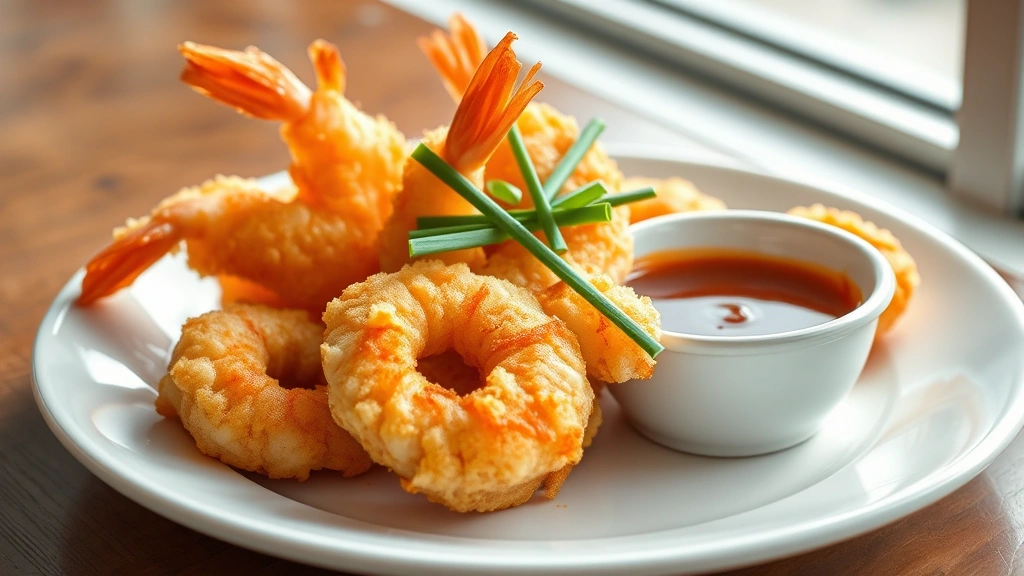
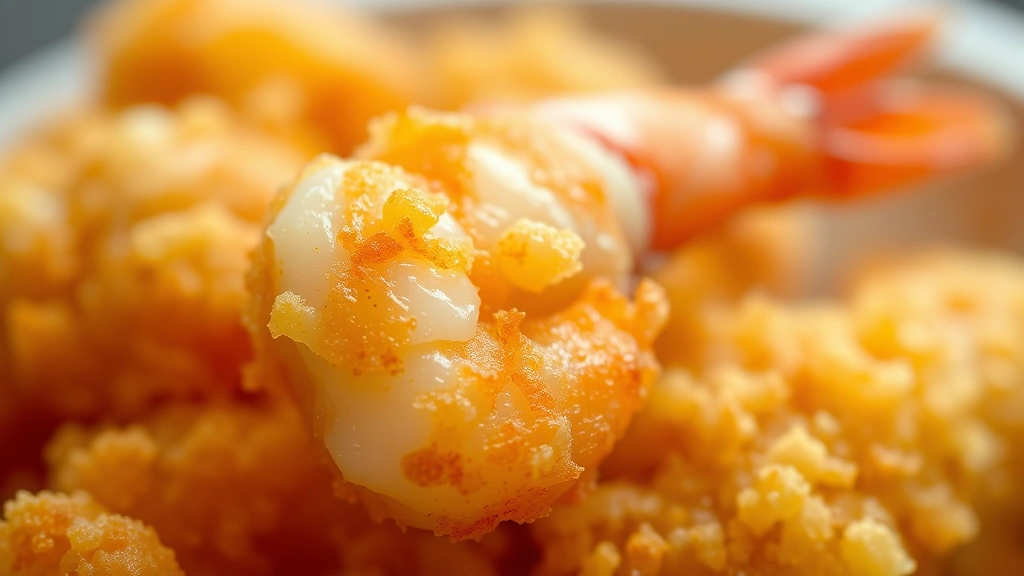
Shrimp tempura is one of those magical dishes that seems intimidating but is actually so simple to master! This crispy, delicate Japanese-inspired appetizer features plump shrimp coated in the lightest, most delicate batter imaginable. The secret is keeping everything cold and working quickly—that’s what creates those signature airy, shattering layers of fried perfection.
I absolutely love making shrimp tempura at home because it’s restaurant-quality impressive yet requires just a handful of ingredients and minimal technique. The beauty of tempura lies in its simplicity: when you nail the batter consistency and oil temperature, you’re golden. Serve it with a simple dipping sauce and watch your guests go absolutely wild.
What makes this recipe so easy is that there’s no fancy equipment needed beyond a thermometer and a slotted spoon. You don’t need a deep fryer—a heavy-bottomed pot works beautifully. The batter comes together in literally two minutes, and the shrimp cook in about 90 seconds per batch. It’s the perfect appetizer for entertaining because you can prep everything ahead and fry right before serving.
I’m sharing all my professional tips and tricks for achieving that coveted restaurant-style tempura at home. Whether you’re serving this as an appetizer for a dinner party or making it as a casual weeknight treat, this recipe will become your go-to. Pair it with fresh salad for a complete meal, or enjoy it with steamed rice and your favorite sauce.
For more crispy fried goodness, check out my Air Fryer Chicken Thighs and Gochujang Chicken recipes. For a complete Japanese-inspired meal, serve alongside your favorite side dishes.
This tempura is light, crispy, and absolutely addictive. The key to success is using ice-cold water, maintaining proper oil temperature, and working quickly. Once you master this technique, you’ll be making shrimp tempura constantly. It’s that good, and honestly, that easy. Let me walk you through every step to ensure your tempura turns out perfectly every single time.
Ingredients
- 1 pound large shrimp, peeled and deveined with tails on
- 1 cup all-purpose flour, divided
- 1 cup ice-cold water
- 1 egg yolk
- 1 teaspoon baking powder
- 1 teaspoon kosher salt, plus more for serving
- ½ teaspoon white pepper
- Vegetable oil for frying (about 2 quarts)
- 3 tablespoons cornstarch
- ¼ cup soy sauce for dipping
- 2 tablespoons mirin for dipping
- 1 tablespoon rice vinegar for dipping
- 1 teaspoon fresh ginger, minced
- 1 green onion, sliced thin for garnish
- Optional: lemon wedges for serving
Instructions
- Pat the shrimp completely dry with paper towels. This is crucial for achieving a crispy coating—any moisture will create steam and make the tempura soggy. Make sure the tails are also dry.
- In a small bowl, whisk together 3 tablespoons of the all-purpose flour with the cornstarch. This mixture will be used to lightly dust the shrimp before battering, which helps the batter adhere better and creates an extra-crispy exterior.
- Dust each shrimp lightly with the flour-cornstarch mixture, shaking off any excess. Work in batches if needed. Set the dusted shrimp on a clean plate and refrigerate while you prepare the batter.
- Fill a medium bowl with ice water and set it nearby. You’ll be dipping the thermometer in this throughout frying to monitor the oil temperature.
- Combine the remaining 1 cup flour, baking powder, salt, and white pepper in a large mixing bowl. Whisk these dry ingredients together thoroughly to distribute the leavening agent evenly.
- In a separate small bowl, whisk together the egg yolk and ice-cold water until just combined. The water must be ice-cold—this is essential for creating a light, crispy batter.
- Pour the egg yolk mixture into the dry ingredients and stir gently with chopsticks or a fork just until combined. The batter should be lumpy and slightly thick, like pancake batter. Do not overmix; lumps are your friend here. Overmixing develops gluten and creates a heavy, dense coating.
- Heat the oil to 350°F in a heavy-bottomed pot or Dutch oven that’s at least 5 inches deep. Use a deep-fry or candy thermometer to monitor the temperature. The oil must reach 350°F before you begin frying.
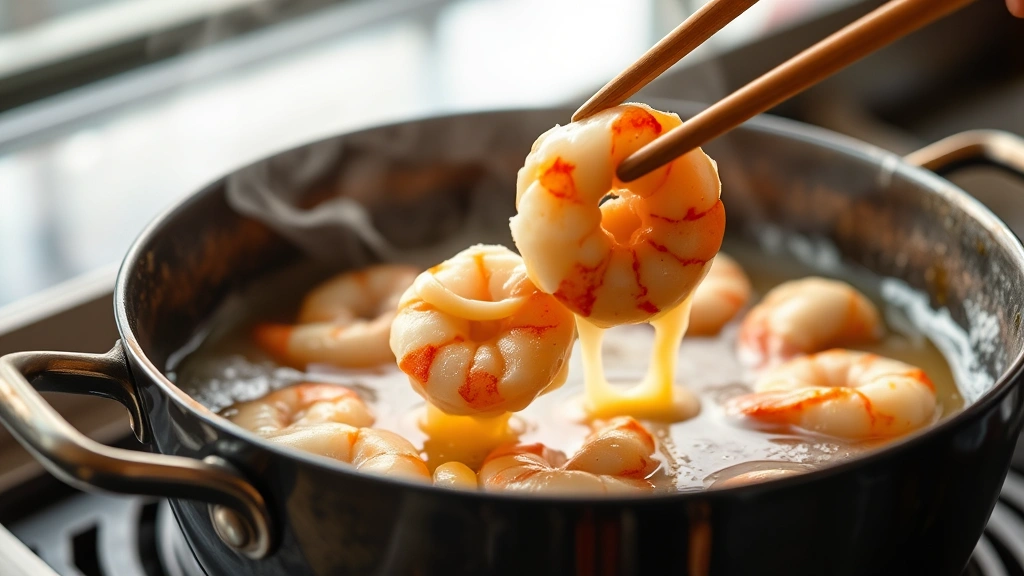
- Once the oil reaches temperature, working with just 4-5 shrimp at a time, dip each shrimp into the batter, coating completely from the tail to the head.
- Carefully place the battered shrimp into the hot oil, using a slotted spoon or long chopsticks. Fry for 2-3 minutes, turning halfway through cooking, until the coating is golden-brown and crispy. The shrimp will float to the surface when nearly done.
- Using a slotted spoon, transfer the cooked tempura to a paper towel-lined plate. Immediately season with a light sprinkle of kosher salt. The salt should be added while the tempura is still hot so it adheres to the crispy coating.
- Allow the oil temperature to return to 350°F before frying the next batch. This is important—starting with oil that’s too cool will result in greasy, soggy tempura.
- While the tempura cooks, prepare the dipping sauce by whisking together the soy sauce, mirin, rice vinegar, and minced ginger in a small serving bowl.
- Arrange the finished shrimp tempura on a serving platter and garnish with sliced green onion. Serve immediately with the dipping sauce and lemon wedges on the side.
- Any leftover tempura can be stored in an airtight container in the refrigerator for up to 2 days, though it’s best enjoyed fresh and hot from the oil.
Pro Tips
Keep Everything Cold: The batter must be made with ice-cold water. If the batter warms up during frying, the texture will suffer. Work quickly and keep unused batter in a bowl set over ice if you’re making multiple batches.
Don’t Overmix the Batter: Lumpy batter creates light, crispy tempura. Smooth batter creates dense, heavy coating. Stir just until the dry ingredients are moistened. A few lumps are perfect.
Prepare Ahead: You can devein and dry the shrimp up to 8 hours ahead. Keep them refrigerated on a paper towel-lined plate. Don’t dust them with flour until right before frying, though.
Alternative Dipping Sauce: Make a simple sauce with equal parts soy sauce and mirin, or try a spicy mayo by mixing mayonnaise with sriracha and a squeeze of lime juice.
Frying in Batches: Don’t overcrowd the pan. Frying too many shrimp at once drops the oil temperature, resulting in soggy tempura. Work in small batches of 4-5 shrimp.
Shrimp Size Matters: Use large shrimp for this recipe. Medium shrimp cook too quickly and don’t have enough substance. Extra-large shrimp are ideal for impressive presentation.
Tail-On Advantage: Leaving the tails on makes the shrimp easier to hold while eating and looks more beautiful on the plate. It also provides a handle for dipping.
Storage and Reheating: While fresh tempura is always best, you can reheat leftovers in a 350°F oven for about 5 minutes to restore crispness. Don’t use a microwave as it will make them soggy.
Scaling the Recipe: This recipe easily doubles or triples. Just keep the batter cold and maintain oil temperature throughout the frying process. Make fresh batter if you’re making a large quantity.