
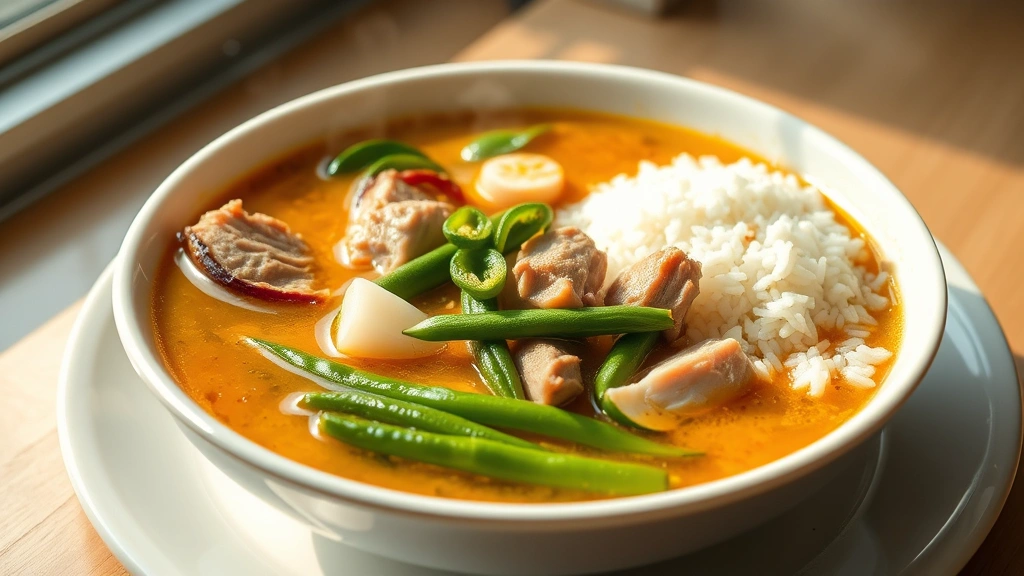
Sinigang na baboy is the ultimate Filipino comfort food—a deeply savory and slightly sour broth loaded with tender pork, vegetables, and that distinctive tamarind tang that makes this dish so craveable. This recipe breaks down the traditional preparation into simple, manageable steps so you can create an authentic sinigang right in your own kitchen.
The beauty of sinigang lies in its simplicity and the way all the flavors meld together into pure comfort. The pork becomes fall-apart tender, the vegetables absorb all that rich, complex broth, and the radish and other additions create this wonderful textural contrast that keeps every spoonful interesting. Whether you’re cooking for a weeknight family dinner or impressing guests with your culinary skills, this sinigang recipe delivers restaurant-quality results without the fuss.
What makes this version so approachable is that we’re using accessible ingredients and straightforward techniques. You don’t need any special equipment—just a good pot and about an hour of your time. The tamarind pods are the star here, giving sinigang its signature sour note that you simply can’t replicate any other way. If you’re new to Filipino cooking, this dish is the perfect gateway recipe. It’s forgiving, flexible, and absolutely delicious.
Many home cooks are intimidated by sinigang, thinking it requires some secret technique or hard-to-find ingredients. But I’m here to tell you that’s not the case at all. With this easy method, you’ll have a steaming bowl of authentic sinigang ready to serve in about 90 minutes, including prep time. Serve it with jasmine rice, and you’ve got a complete meal that tastes like it took all day to prepare.
If you love exploring different cuisines and comfort food recipes, you might also enjoy our Quick Tasty Bacon Carbonara Recipe or our Best Heavy Cream Alfredo Sauce Recipe for other satisfying one-pot meals. For sides, check out our Easy Pickled Red Onion Recipe or Best Shishito Peppers Recipe for delightful accompaniments.
For more detailed information about tamarind and its uses in cooking, check out Serious Eats, and for additional Filipino recipe inspiration, visit Bon Appétit. You can also explore more Asian cooking techniques at New York Times Cooking.
Ingredients
- 3 pounds pork shoulder or pork ribs, cut into 2-inch chunks
- 8 tamarind pods, or 2 tablespoons tamarind paste
- 10 cups water or pork broth
- 1 large onion, quartered
- 6 cloves garlic, minced
- 2 tablespoons fish sauce (patis)
- 2 tablespoons vegetable oil
- 1 pound radish (labanos), cut into 1-inch chunks
- 8 ounces green beans (string beans), cut into 2-inch pieces
- 1 large bunch kangkong or spinach, roughly chopped
- 3-4 long green chilies (siling mahaba), whole
- 2 bay leaves
- 1 teaspoon whole black pepper
- Salt to taste
- 1 pound taro (malanga) or potato, cut into 1-inch cubes (optional)
Instructions
- Prepare the tamarind by soaking tamarind pods in 1 cup of hot water for 10 minutes. Squeeze and massage the pods to release all the pulp and flavor, then strain through a fine-mesh sieve, discarding the seeds and pods. If using tamarind paste, simply mix with 1 cup water and set aside.
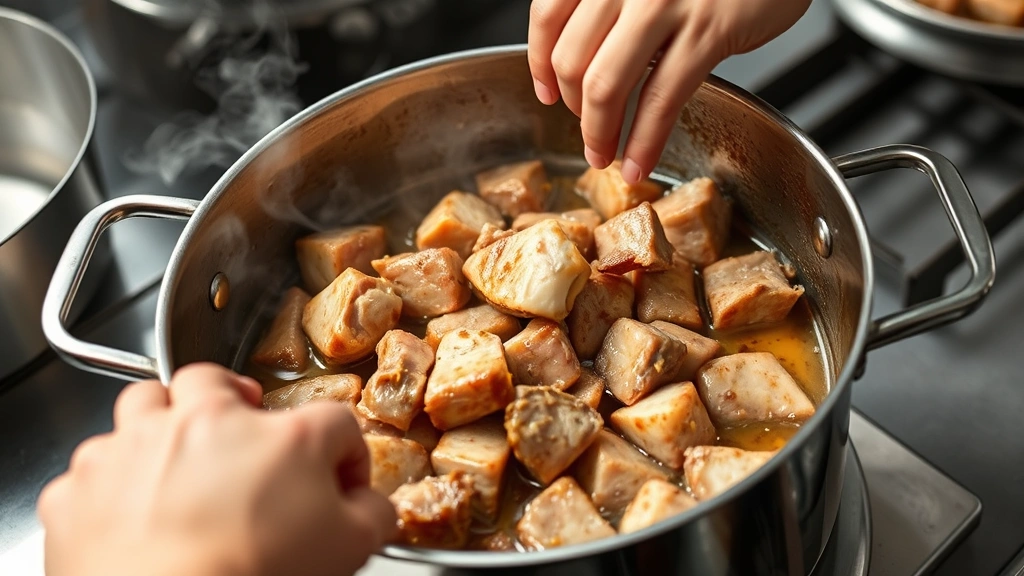
- Heat vegetable oil in a large pot over medium-high heat. Working in batches, brown the pork chunks on all sides, about 3-4 minutes per side. This step adds depth of flavor to the broth. Transfer browned pork to a plate and set aside.
- In the same pot, sauté the minced garlic for about 30 seconds until fragrant, stirring constantly to prevent burning.
- Add the quartered onion to the pot and cook for 2 minutes, stirring occasionally, until it begins to soften and release its juices.
- Pour in the 10 cups of water or broth, then add the browned pork back to the pot along with the bay leaves and whole black pepper.
- Bring the mixture to a boil, then immediately reduce heat to low and add the fish sauce. Skim off any foam or impurities that rise to the surface during the first few minutes of simmering.
- Simmer the pork for about 30 minutes until it begins to become tender, stirring occasionally and continuing to skim any excess fat or foam from the surface.
- Add the strained tamarind liquid to the pot, stirring well to combine. This is what gives sinigang its characteristic sour, complex flavor. Taste and adjust the saltiness with additional fish sauce if needed.
- Add the radish chunks to the pot and continue simmering for 15 minutes until the radish begins to soften and absorb the broth flavors.
- Add the taro or potato chunks (if using) and green beans, along with the whole long green chilies. Simmer for another 10-12 minutes until the vegetables are tender but not mushy.
- Just before serving, stir in the chopped kangkong or spinach, allowing it to wilt into the broth over 1-2 minutes. The leafy greens add a fresh, slightly bitter note that balances the sour and savory elements beautifully.
- Taste the broth one final time and adjust seasoning with additional fish sauce or salt as needed. Remember that the flavors should be well-balanced between sour (tamarind), salty (fish sauce), and savory (pork).
- Ladle the sinigang into deep bowls, making sure each serving has plenty of broth, tender pork, and vegetables. Serve immediately while hot, alongside steamed jasmine rice.

Pro Tips
- Tamarind is essential to authentic sinigang—it provides the signature sour note that defines this dish. If you absolutely cannot find tamarind pods or paste, you can substitute with lime juice or vinegar in a pinch, though the flavor profile will be different. Look for tamarind in Asian markets or order online.
- The pork can be substituted with beef (especially brisket), chicken, or even shrimp if you prefer. Cooking times may vary depending on your protein choice—chicken will be done faster, while beef may need additional simmering time.
- Don’t skip browning the pork at the beginning. This step develops a fond (brown bits) on the bottom of the pot that adds incredible depth and richness to the final broth. Those caramelized flavors are what make restaurant-quality sinigang taste so complex and satisfying.
- Kangkong is traditional, but spinach, kale, or even bok choy work wonderfully as substitutes. Add heartier greens earlier in the cooking process and tender greens at the very end so they don’t become overcooked and mushy.
- Fish sauce has a pungent smell raw, but it mellows significantly when cooked and adds an essential umami depth to the broth. Start with the recommended amount and taste before adding more—it’s easy to over-salt with this ingredient.
- The long green chilies (siling mahaba) are left whole so they flavor the broth without making it too spicy. If you prefer more heat, slice them or add more. For a milder version, omit them entirely or remove them before serving.
- Sinigang is actually better the next day after flavors have had time to meld. Store in an airtight container in the refrigerator for up to 4 days, or freeze the broth separately from vegetables for up to 3 months.
- For a heartier version, add radish leaves (if available), okra, or eggplant during the last few minutes of cooking. Each addition brings its own textural and flavor contribution to the final dish.
- This recipe serves 6-8 people as a main course with rice. It’s perfect for family dinners and reheats beautifully on the stovetop or in the microwave.
- The radish (labanos) is crucial to sinigang—it has a slightly sweet, mild flavor that balances the sourness of the tamarind beautifully. Don’t substitute with regular daikon if possible, though daikon works in a pinch.