
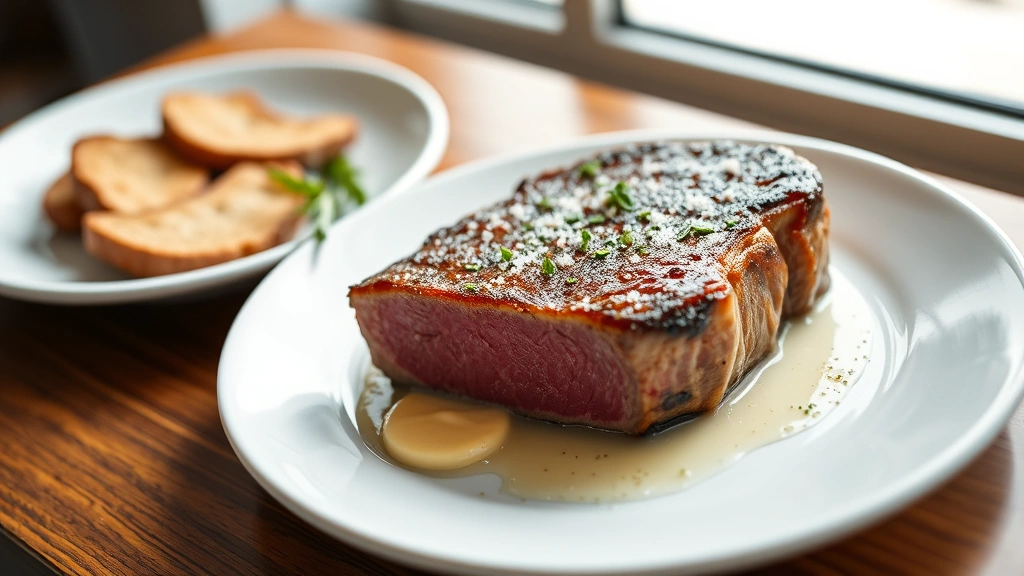
Sous vide cooking has revolutionized the way home cooks achieve restaurant-quality steaks, and once you master this technique, you’ll never go back to traditional pan-searing alone. The beauty of sous vide is that it cooks your steak to an absolutely perfect internal temperature from edge to edge, eliminating the guesswork and guaranteeing restaurant-quality results every single time.
Sous vide, which means “under vacuum” in French, involves sealing your steak in a bag and cooking it in a precisely temperature-controlled water bath. This method allows you to cook your steak to the exact doneness you prefer—whether that’s a perfect medium-rare or a beautiful medium—without any risk of overcooking the exterior while waiting for the center to cook through. The result is the most tender, juicy, and evenly cooked steak you’ve ever made at home.
What I love most about this cooking method is that it’s incredibly forgiving. You can hold your steak at the target temperature for hours without it becoming overcooked, which means you can prep everything in advance and finish with a quick sear when you’re ready to eat. This technique pairs beautifully with elegant sides and makes entertaining so much easier.
I always recommend investing in a quality sous vide machine like an Anova or Joule, but the technique itself is straightforward enough for any home cook to master. The key to perfection lies in three things: using high-quality steaks, seasoning generously, and finishing with a proper sear for that gorgeous crust. Once you understand these fundamentals, you’ll be making steaks that rival your favorite steakhouse, and your dinner guests will be absolutely amazed.
This approach to cooking has completely changed how I entertain and has become my go-to method for special occasions. The precision, the consistency, and the incredible flavor make sous vide steak absolutely worth the investment in equipment. Let me walk you through exactly how to create the perfect sous vide steak in your own kitchen.
For more detailed information on precision cooking techniques, check out Serious Eats’ comprehensive sous vide guide. You might also enjoy reading about perfect steak recipes from Bon Appétit to explore different cuts and methods. Additionally, the New York Times cooking guide offers excellent insights into steak preparation.
Ingredients
- 2 high-quality steaks (ribeye, New York strip, or filet mignon), 1.5 to 2 inches thick
- 2 teaspoons kosher salt, divided
- 1 teaspoon freshly ground black pepper, divided
- 2 tablespoons unsalted butter
- 4 cloves garlic, smashed
- 3 fresh thyme sprigs
- 2 fresh rosemary sprigs
- 2 tablespoons high smoke-point oil (avocado or vegetable oil)
- Optional: fleur de sel for finishing, fresh cracked black pepper
Instructions
- Fill your sous vide container with water and set your immersion circulator to 129°F for medium-rare (or 135°F for medium). Allow the water to reach the target temperature, which typically takes 10-15 minutes.
- While the water heats, pat your steaks completely dry with paper towels. This step is crucial for getting a proper sear later. Season both sides of each steak generously with 1 teaspoon of kosher salt and ½ teaspoon of black pepper.
- Place the butter, smashed garlic cloves, thyme sprigs, and rosemary sprigs into a vacuum-seal bag or a heavy-duty freezer bag.
- Add the seasoned steaks to the bag with the aromatics, making sure they’re arranged in a single layer.
- If using a vacuum-seal bag, seal it using your machine according to manufacturer instructions. If using a freezer bag, use the water displacement method: slowly lower the bag into the water bath, allowing the water pressure to push out the air before sealing the top.
- Once the water bath reaches your target temperature, gently place the sealed bag into the water, ensuring it’s fully submerged. Set the timer for 45 minutes for steaks that are 1.5 inches thick.
- While the steaks cook, prepare your finishing station. Heat a cast-iron skillet or heavy-bottomed stainless steel pan over high heat for about 5 minutes until it’s smoking hot.
- After 45 minutes, carefully remove the bag from the water bath. Open the bag and transfer the steaks to a clean paper towel, patting them completely dry on both sides.
- Add the high smoke-point oil to your preheated pan. The oil should shimmer and nearly smoke.
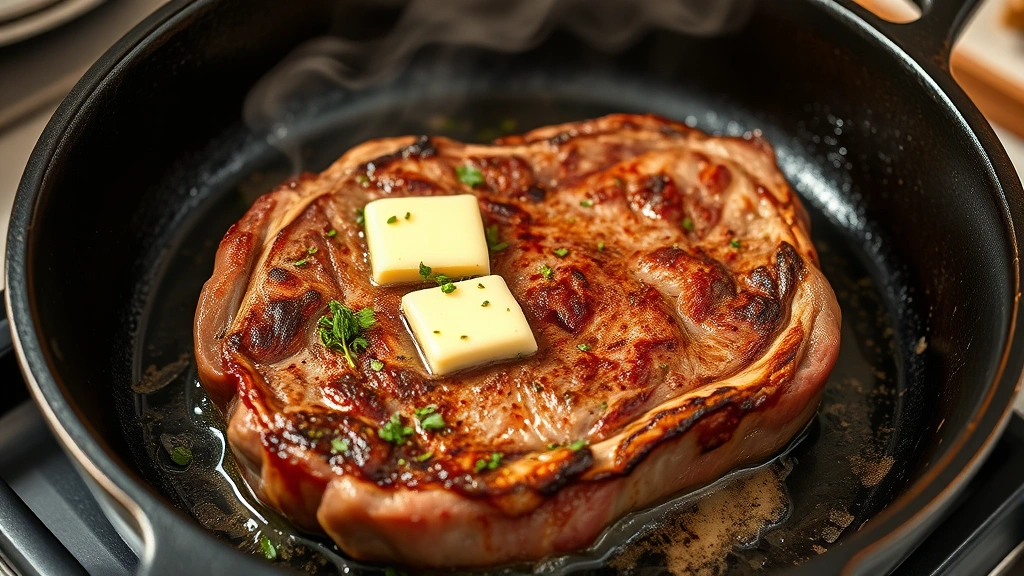
- Carefully place the steaks into the smoking hot pan and sear for 60-90 seconds on each side until a deep golden-brown crust forms. Don’t move them around—let them sit undisturbed to develop that beautiful crust.
- If desired, add a knob of butter, crushed garlic, and fresh herbs to the pan during the final seconds of searing for extra flavor.
- Transfer the steaks to a cutting board and let them rest for 3-5 minutes before serving. This allows the juices to redistribute throughout the meat.
- Finish with a sprinkle of fleur de sel and freshly cracked black pepper, then serve immediately with your favorite sides.
Pro Tips
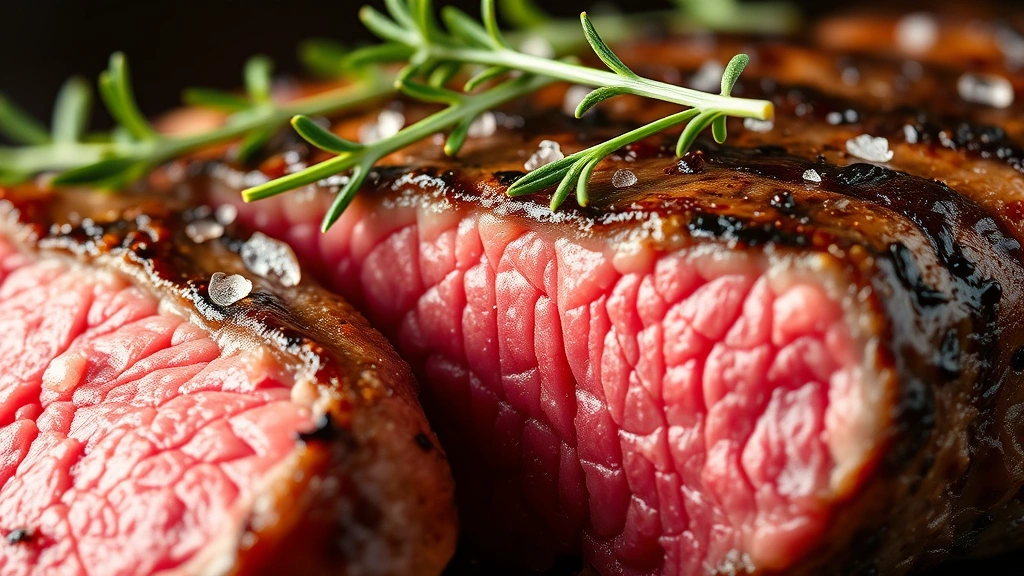
The searing step is absolutely critical and should not be skipped. While sous vide gives you perfect edge-to-edge doneness, it doesn’t create a crust because the steak is sealed in a bag. That beautiful Maillard reaction that creates the golden-brown exterior and incredible flavor happens only when you sear at high temperatures. This is why finishing in a screaming hot pan is non-negotiable for the best results.
You can prepare the steaks in the bag up to 24 hours in advance and refrigerate them until you’re ready to cook. Just remember to add extra time if cooking from cold—add about 15-20 minutes to your cooking time. This makes sous vide particularly convenient for entertaining since you can prep everything ahead of time.
The water bath temperature should be monitored occasionally during cooking, though most modern immersion circulators maintain temperature very accurately. If you’re cooking for a large dinner party, you can cook multiple steaks in the same water bath as long as they’re not overcrowded and the water temperature remains stable.
For the best flavor, use steaks that are at least 1.5 inches thick. Thinner steaks won’t benefit as much from sous vide cooking and may overcook more easily during the searing process. Premium cuts like ribeye, New York strip, and filet mignon all work beautifully with this method, though even more affordable cuts can be improved with sous vide preparation.
Don’t skip the aromatics in the bag—the garlic, thyme, and rosemary infuse the steak with incredible flavor as it cooks. You can customize these herbs based on your preferences or what you have on hand. Fresh herbs work better than dried for this application.
Always use a proper vacuum-seal bag or heavy-duty freezer bag for this recipe. Thin plastic bags may leak, ruining your dish. The water displacement method works perfectly fine if you don’t have a vacuum sealer, though a vacuum sealer does create a better seal and promotes more consistent cooking.