
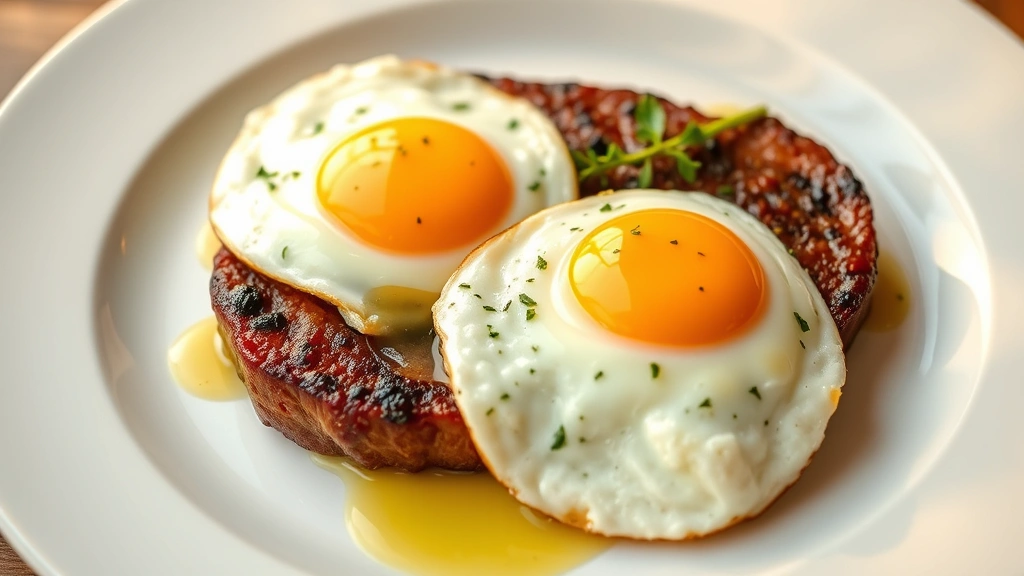
There’s something absolutely timeless about a perfectly cooked steak paired with eggs—it’s the kind of breakfast or brunch that feels both luxurious and comforting at the same time. This classic combination has graced tables from fancy steakhouses to cozy diners, and for good reason. When executed properly, steak and eggs is a study in contrast: the savory, umami-rich beef paired with the creamy, silky yolk creates a symphony of flavors that’s hard to beat.
The beauty of this dish lies in its simplicity, yet it requires attention to detail and proper technique. A perfectly seared steak with a beautiful crust and a tender, juicy interior paired with eggs cooked to your liking—whether sunny-side up, over easy, or over medium—is pure breakfast perfection. The key to mastering this recipe is understanding how to properly season your meat, achieve the right pan temperature, and time your cooking so everything comes together hot and ready at the same moment.
While steak and eggs might seem straightforward, there are several techniques and tips that can elevate your version from good to restaurant-quality. From selecting the right cut of beef to understanding the Maillard reaction that creates that gorgeous golden crust, we’ll walk you through every step. This recipe serves as a foundation for building your breakfast skills, and once you’ve mastered it, you’ll find yourself making it regularly. Pair this with sides like lemon orzo or a fresh chickpea salad for a more complete meal, or keep it traditional with toast and fresh fruit.
The technique for cooking steak and eggs is all about timing and temperature management. Your cast iron skillet or stainless steel pan becomes your greatest tool, and understanding how to use it properly will transform your results. Whether you’re cooking for a special weekend breakfast or looking to impress guests, this steak and eggs recipe will deliver impressive results every single time. Let’s dive into the details and learn how to create this classic dish that tastes like it came straight from your favorite restaurant.
Ingredients
- Two 8-ounce steaks (ribeye, New York strip, or filet mignon), about 1 to 1.5 inches thick
- 4 large eggs
- 3 tablespoons unsalted butter, divided
- 2 tablespoons neutral oil (such as avocado or vegetable oil)
- Sea salt and freshly ground black pepper to taste
- 2 cloves garlic, smashed
- 2 sprigs fresh thyme or rosemary
- 1/4 teaspoon red pepper flakes (optional)
- Fresh herbs for garnish (parsley, chives, or thyme)

Instructions
- Remove your steaks from the refrigerator 30 minutes before cooking. This allows them to come to room temperature, which ensures even cooking throughout. Pat them completely dry with paper towels—this is crucial for achieving a proper crust.
- Season both sides of your steaks generously with sea salt and freshly ground black pepper. Don’t be shy with the seasoning, as it’s essential for developing flavor. Let the seasoned steaks sit for about 5 minutes to allow the salt to penetrate the meat.
- Place a cast iron skillet or heavy stainless steel pan over medium-high heat and let it preheat for 2-3 minutes until it’s smoking hot. This high heat is what creates that beautiful, caramelized crust through the Maillard reaction.
- Add 1 tablespoon of oil to your hot pan and swirl to coat evenly. Immediately place your steaks in the pan—you should hear a loud sizzle. Resist the urge to move them for 3-4 minutes to allow a golden crust to form.
- Flip your steaks and cook for another 3-4 minutes on the second side. For medium-rare, aim for an internal temperature of 130-135°F. Remember that the steak will continue to cook slightly after removing from heat.
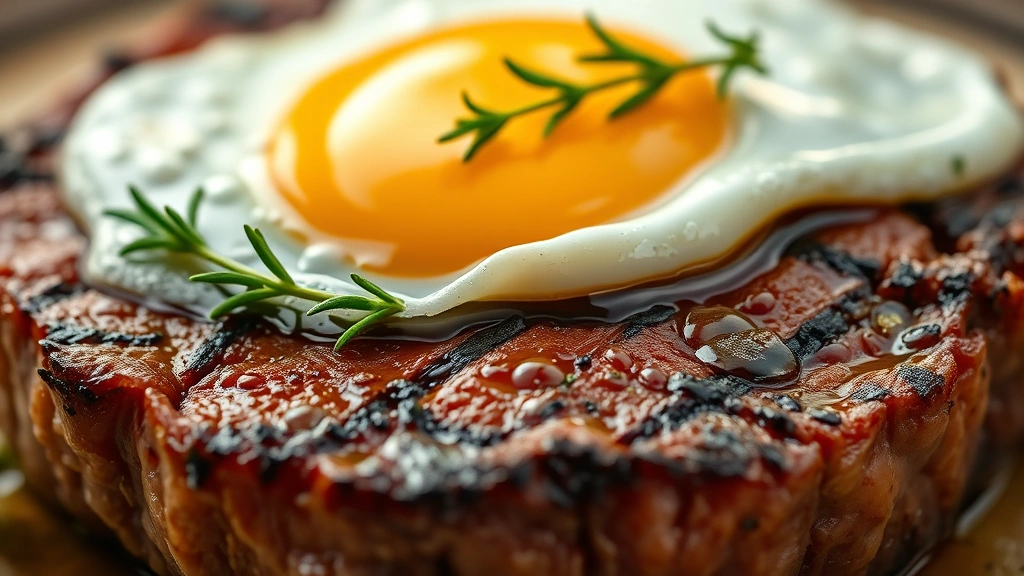
- In the final minute of steak cooking, add 1.5 tablespoons of butter, smashed garlic cloves, and fresh thyme to the pan. Tilt the pan and baste the steaks with this fragrant butter mixture repeatedly. This adds incredible depth of flavor and helps finish the cooking.
- Transfer your cooked steaks to a warm plate and tent loosely with foil. Let them rest for 5 minutes—this allows the juices to redistribute throughout the meat, ensuring maximum tenderness and juiciness.
- While the steaks rest, wipe out your pan with a paper towel, leaving just a light coating of oil and butter. Return it to medium heat and add the remaining 1.5 tablespoons of butter.
- Once the butter is foaming and hot, carefully crack your eggs into the pan. You can cook them sunny-side up (undisturbed until whites set), over easy (flipped gently for runny yolks), or over medium (flipped for slightly firmer yolks).
- For sunny-side up eggs, cook undisturbed for 3-4 minutes until the whites are set but yolks remain runny. For over easy, cook for 2 minutes, flip gently, and cook for another 30 seconds to 1 minute. Season the eggs with salt and pepper while they cook.
- If desired, sprinkle red pepper flakes over the eggs during cooking for a subtle heat and extra flavor dimension. This pairs beautifully with the richness of the steak and egg yolks.
- Carefully slide the eggs onto a plate or directly beside your resting steaks. Garnish with fresh herbs like chopped parsley or chives, and serve immediately while everything is hot.
- Optional: drizzle any remaining pan butter and browned bits over the top of the eggs and steak for added flavor and richness. This fond contains concentrated beef and herb flavors that elevate the entire dish.
Pro Tips
TEMPERATURE MANAGEMENT: Use a meat thermometer for precise doneness. Medium-rare (the most popular preparation) reaches 130-135°F, medium is 135-145°F, and medium-well is 145-155°F. Remember carryover cooking will raise temperature 5-10°F after removal from heat, so pull steaks off heat slightly before reaching target temperature.
PAN SELECTION: Cast iron skillets are ideal because they retain heat exceptionally well and develop a beautiful crust. Heavy stainless steel pans also work wonderfully. Avoid nonstick pans as they don’t get hot enough to properly sear the meat and develop flavor through browning.
RESING TIME IMPORTANCE: Never skip this step. Resting allows muscle fibers to relax and reabsorb juices, resulting in tender, juicy steaks. Cutting into steak immediately releases these precious juices onto the plate instead of keeping them in the meat.
EGG COOKING PREFERENCES: Sunny-side up keeps yolks completely runny for dipping, over easy provides slightly firmer whites while maintaining runny yolks, and over medium creates a slightly thickened yolk. Choose based on personal preference. Some prefer poached or soft-boiled eggs alongside steak for variety.
BUTTER BASTING TECHNIQUE: This classic technique adds incredible flavor through the browned butter and herb infusion. The foaming butter allows you to continuously coat the steak with heat and flavor, creating a restaurant-quality finish. Don’t rush this step—it takes just 1-2 minutes but makes a significant difference.
SEASONING STRATEGY: Salt your steaks ahead of time rather than just before cooking. Salting 40+ minutes ahead allows salt to dissolve and penetrate, or just 5 minutes ahead before the salt hasn’t drawn out moisture yet. Avoid salting right at the 10-30 minute mark as this draws out moisture without allowing adequate absorption.
PAN HEAT SAFETY: Be extremely careful when working with a screaming hot pan. Use long-handled tongs or a spatula, keep hands clear, and ensure your workspace is clear of clutter. The sizzle when adding steaks indicates proper temperature.
MEAT THICKNESS MATTERS: Steaks thinner than 3/4 inch cook too quickly to develop a proper crust before the interior overcooks. Thicker cuts give you more control and better results. If using thinner steaks, reduce heat slightly and cook for shorter durations.
OIL CHOICE: Use oils with high smoke points like avocado oil, vegetable oil, or light olive oil. Avoid extra virgin olive oil and butter alone for the initial searing as they have lower smoke points and will burn before the pan gets hot enough.
SERVING SUGGESTIONS: Serve immediately while everything is hot. Traditional accompaniments include buttered toast, fresh fruit, or crispy bacon. You might also try garlic shrimp scampi as a protein-packed alternative side for a more adventurous pairing.