
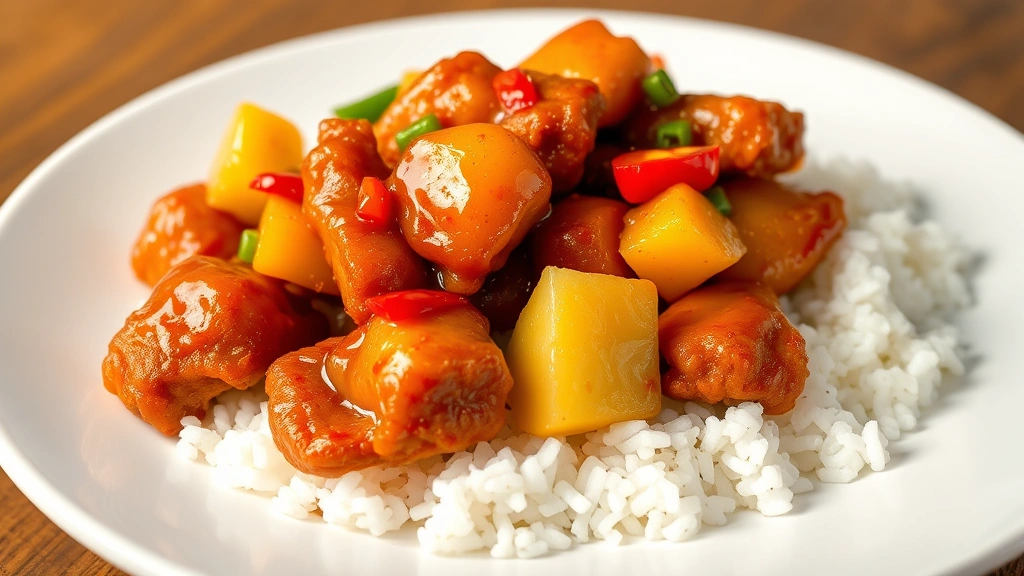
There’s something absolutely magical about sweet and sour pork—it’s that perfect balance of tangy, sweet, and savory flavors that keeps you coming back for just one more bite. This classic dish has graced restaurant menus and family dinner tables for generations, and honestly, once you master making it at home, you’ll wonder why you ever ordered takeout. The beauty of this recipe is that it’s far simpler than you might think, and the homemade sauce absolutely crushes anything you’d get from a carton.
What I love most about this dish is how versatile it truly is. You can serve it over steamed rice, crispy chow mein noodles, or even cauliflower rice if you’re looking for a lighter option. The tender, perfectly cooked pork combined with fresh vegetables and that glossy, gorgeous sauce is comfort food at its finest. This is the kind of recipe that feels fancy enough to impress dinner guests but simple enough for a weeknight family meal.
The secret to achieving that restaurant-quality result lies in a few key techniques. First, we’re going to coat the pork in a light batter and pan-fry it until golden and crispy on the outside while keeping the inside tender and juicy. Then comes the magic—a from-scratch sauce made with vinegar, brown sugar, ketchup, and a touch of soy sauce that creates that signature sweet and sour flavor profile. Fresh bell peppers, onions, and pineapple chunks add texture, color, and natural sweetness that takes this dish to the next level.
I’ve tested this recipe countless times, and I’ve found that the key to success is not rushing the sauce. You want it to reduce slightly and become glossy and coat every piece of pork and vegetable beautifully. If you follow these steps carefully, you’ll have a dish that rivals your favorite Chinese takeout restaurant. This pairs wonderfully alongside a classic hash brown casserole, or you can serve it with some Cracker Barrel-style hash brown casserole for a fun fusion dinner night.
For more inspiration on complementary dishes, check out this breakfast quiche recipe for weekend entertaining, or consider adding zucchini and yellow squash to your vegetable rotation. If you’re looking for more Asian-inspired recipes, check out Serious Eats for excellent Asian cooking guides, or visit Bon Appétit for restaurant-quality techniques. For detailed sauce-making tips, The New York Times Cooking section has fantastic resources on creating perfectly balanced sauces.
Ingredients
- 2 pounds pork tenderloin or pork shoulder, cut into 1-inch cubes
- 1 cup all-purpose flour
- 1 teaspoon salt
- 1/2 teaspoon black pepper
- 1/2 teaspoon garlic powder
- 2 eggs, beaten
- 3 tablespoons vegetable oil for frying
- 1 large red bell pepper, cut into 1-inch chunks
- 1 large green bell pepper, cut into 1-inch chunks
- 1 medium yellow onion, cut into 1-inch chunks
- 1 cup fresh pineapple chunks (or canned, drained)
- 3 cloves garlic, minced
- 1 tablespoon fresh ginger, minced
- 1/2 cup granulated sugar
- 1/2 cup brown sugar, packed
- 1/2 cup apple cider vinegar or rice vinegar
- 1/4 cup ketchup
- 3 tablespoons soy sauce
- 2 tablespoons cornstarch
- 1/4 cup water
- 1 teaspoon sesame oil
- 2 green onions, sliced for garnish
- Sesame seeds for garnish (optional)
Instructions
- Prepare your pork by patting it dry with paper towels. This is crucial for achieving a nice golden crust. Season the pork cubes generously with salt and pepper on all sides.
- In a shallow bowl, combine the flour, salt, pepper, and garlic powder. In another shallow bowl, beat the eggs.
- Working in batches, dip each pork cube into the beaten egg, then dredge it in the flour mixture, shaking off any excess. Set the coated pork pieces on a plate.
- Heat the vegetable oil in a large skillet over medium-high heat. Once the oil is shimmering and hot, carefully add the pork cubes in a single layer.
- Let the pork cook undisturbed for 3-4 minutes until the bottom is golden brown, then stir and cook for another 3-4 minutes until all sides are browned and crispy. Work in batches if needed to avoid crowding the pan. Transfer the cooked pork to a plate.
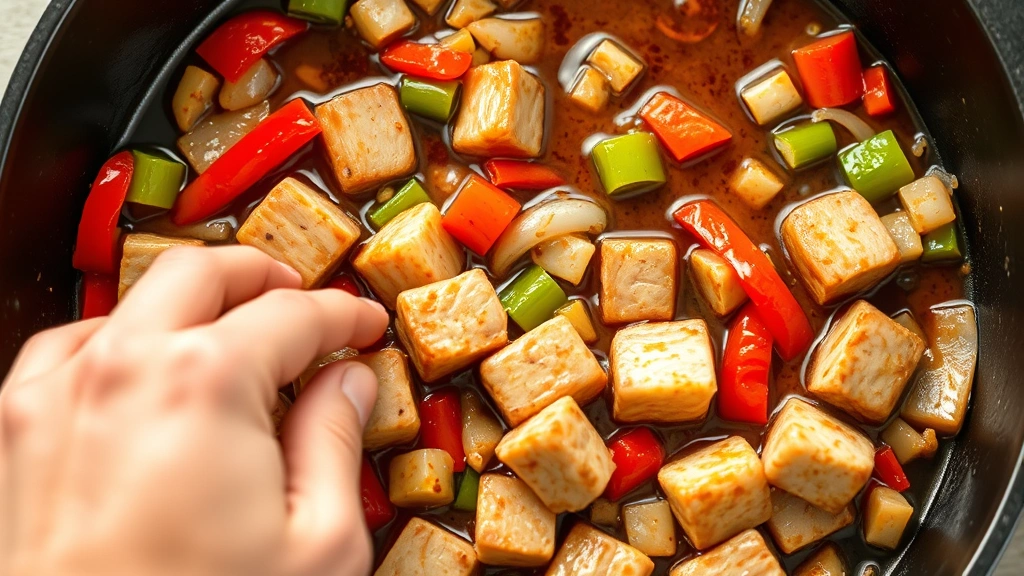
- In the same skillet, reduce heat to medium and add the minced garlic and ginger. Sauté for about 1 minute until fragrant, stirring constantly to prevent burning.
- Add the bell peppers and onion chunks to the skillet. Stir-fry for 4-5 minutes until the vegetables are tender-crisp and beginning to caramelize slightly.
- While the vegetables are cooking, prepare the sauce by whisking together both sugars, vinegar, ketchup, and soy sauce in a separate bowl until the sugar is dissolved.
- In a small bowl, create a slurry by mixing the cornstarch with water until smooth. This will help thicken the sauce beautifully.
- Pour the sauce mixture into the skillet with the vegetables. Stir everything together and bring to a gentle simmer.
- Add the cornstarch slurry to the simmering sauce, stirring constantly for 1-2 minutes until the sauce thickens and becomes glossy and clear.
- Return the cooked pork to the skillet along with the pineapple chunks. Stir everything together gently to coat all the pork and vegetables with the beautiful sauce.
- Drizzle in the sesame oil and give everything one final stir. Taste and adjust seasonings as needed—add more vinegar for tanginess, more sugar for sweetness, or soy sauce for depth.
- Simmer everything together for 2-3 minutes to allow the flavors to meld beautifully, then remove from heat.
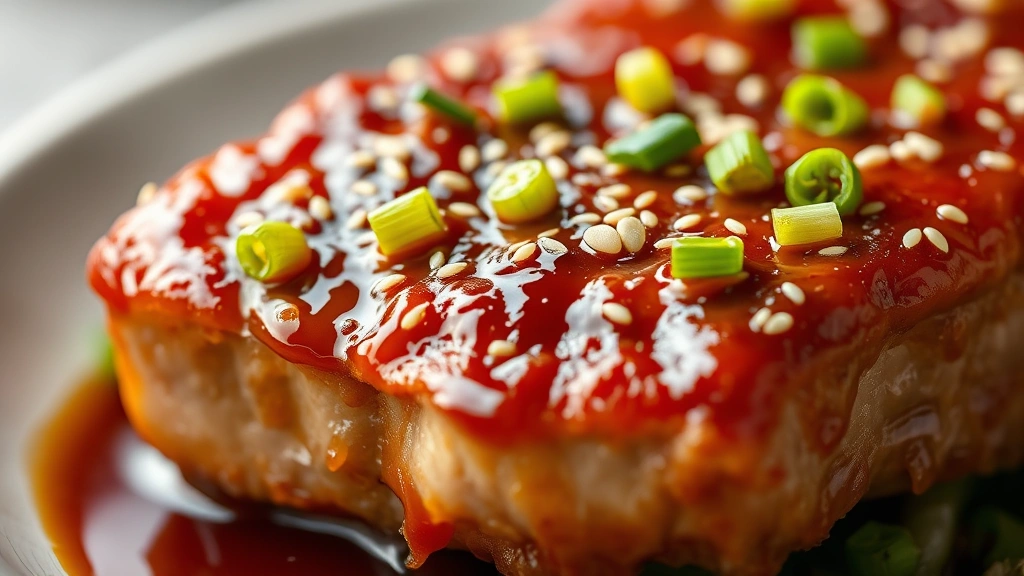
- Transfer to a serving dish and garnish with sliced green onions and sesame seeds if desired. Serve immediately over steamed rice, chow mein noodles, or your favorite grain.
Pro Tips
- The key to perfectly cooked pork is not overcooking it during the initial browning step. You’re simply creating a golden exterior while keeping the interior tender and juicy. If your pork cubes are particularly large, you can pound them slightly before cooking or cut them into smaller pieces.
- Fresh pineapple versus canned is really a matter of preference and what’s available. Fresh pineapple will give you a slightly more vibrant flavor, but canned works beautifully too. Just make sure to drain canned pineapple thoroughly to avoid excess liquid in your sauce.
- The sauce is the star of this dish, and getting the balance right is important. If it tastes too sweet, add a splash more vinegar. If it’s too sour, stir in a bit more sugar. If it seems too thin, let it simmer a few extra minutes. If it’s too thick, you can thin it with a tablespoon of water at a time.
- This recipe reheats beautifully, making it perfect for meal prep or leftovers. Store it in an airtight container in the refrigerator for up to 4 days. Reheat gently in a skillet over medium heat, adding a splash of water if the sauce has thickened too much.
- Feel free to customize the vegetables based on what you have on hand or prefer. Snap peas, broccoli florets, carrots, and water chestnuts all work wonderfully in this dish. Add heartier vegetables earlier in the cooking process and more delicate ones toward the end.
- For a spicier version, add a teaspoon of red pepper flakes or sriracha to the sauce. For a deeper, more complex flavor, add a teaspoon of fish sauce or a splash of oyster sauce.
- Make sure your skillet is large enough to accommodate the pork without overcrowding, as this will prevent proper browning. If necessary, brown the pork in two batches.
- Sesame oil has a strong flavor, so it’s used sparingly here just at the end for aroma and final flavor enhancement. Don’t skip it, but don’t add too much either.