
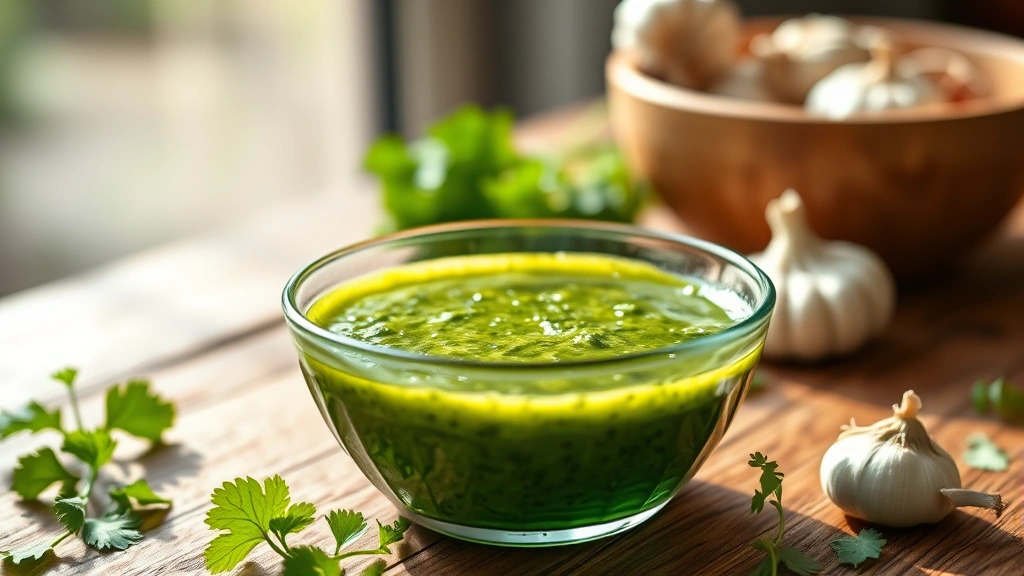
There’s something absolutely magical about homemade chimichurri cilantro sauce that just makes everything taste better. This vibrant, herbaceous condiment is a staple in Argentine cuisine, and once you make it fresh, you’ll wonder why you ever bought the jarred version. The beauty of chimichurri lies in its simplicity – just a handful of fresh ingredients blended together to create an explosion of flavor that transforms grilled meats, roasted vegetables, and even simple bread into something extraordinary.
What I love most about this cilantro chimichurri recipe is how versatile it is. Whether you’re hosting a summer barbecue, preparing a weeknight dinner, or looking for a condiment to elevate your meal prep, this sauce delivers every single time. The combination of fresh cilantro, garlic, and red pepper flakes creates a sauce that’s simultaneously bright, bold, and beautifully balanced. Unlike store-bought versions that can taste flat or overly processed, homemade chimichurri has a fresh, vibrant quality that’s simply incomparable.
I first discovered the magic of making chimichurri at home when I was experimenting with grilled steak recipes, and it completely changed my approach to seasoning. This sauce isn’t just for steak, though – it’s phenomenal on chicken, fish, shrimp, and even roasted potatoes. The cilantro brings a fresh, slightly citrusy note that makes this version feel lighter and more contemporary than traditional parsley-based chimichurris, though both are absolutely delicious.
The technique for making chimichurri cilantro is straightforward, but there are a few key tips that will ensure your sauce turns out perfectly every time. First, you’ll want to use fresh, vibrant cilantro – this is not the time to use herbs that have been sitting in your fridge for weeks. The fresher your ingredients, the brighter and more flavorful your chimichurri will be. Second, the balance between the oil and vinegar is crucial; you want enough oil to carry all those beautiful flavors, but the vinegar provides the necessary acidity to keep it from becoming too heavy.
One of my favorite things about this recipe is that it comes together in just minutes. There’s no cooking involved – just chopping, mixing, and letting the flavors meld. I typically make a batch on Sunday and use it throughout the week on everything from roasted vegetables to simple grilled chicken. It keeps beautifully in the refrigerator for up to a week, making it perfect for meal prep.
The cilantro in this chimichurri is really the star of the show. If you’re not a cilantro fan, you can certainly substitute with fresh parsley, but I encourage you to try it as written first. There’s something about the combination of cilantro with the garlic, red pepper flakes, and vinegar that just works beautifully together. According to Serious Eats’ guide to cilantro, this herbaceous ingredient has been used in cuisines around the world for thousands of years, and for good reason.
This chimichurri cilantro sauce is incredibly versatile, but it truly shines when served alongside grilled proteins. The acidity cuts through rich, fatty meats beautifully, while the fresh herbs provide a bright counterpoint to smoky, charred flavors. I love making this for entertaining because guests always ask for the recipe, and it makes you look like you’ve spent hours in the kitchen when really, you’ve just spent ten minutes with a knife and cutting board.
For the best results, I recommend making chimichurri at least 30 minutes before serving, which gives the flavors time to meld and develop. Some people prefer to make it a few hours ahead or even the night before. The sauce will keep in an airtight container in the refrigerator for up to a week, making it perfect for meal prep or having on hand for quick weeknight dinners. You can also freeze it in ice cube trays for even longer storage, though the fresh herbs will lose some of their vibrancy over time.
If you’re looking to expand your sauce repertoire, this chimichurri is just the beginning. Once you master this version, you might want to explore variations with different herbs, adjusting the heat level with more or fewer red pepper flakes, or experimenting with different types of vinegar. Bon Appétit’s chimichurri recipe offers some great insights into variations and serving suggestions that you might find inspiring.
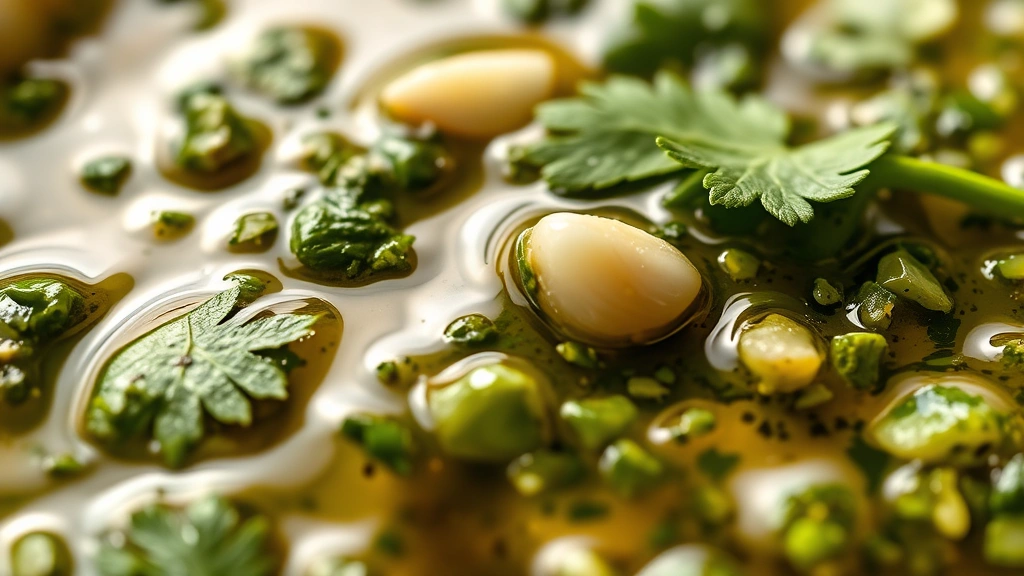
The beauty of making your own chimichurri cilantro sauce is that you control every single element. You choose how much garlic, how much heat, and exactly how chunky or smooth you want it to be. Some people prefer a more emulsified sauce with a smooth consistency, while others like mine with more texture where you can see the fresh herbs. This recipe gives you that rustic, chunky texture that I absolutely love – it feels authentic and homemade in the best possible way.
Ingredients
- 1.5 cups fresh cilantro, roughly chopped
- 1/2 cup fresh parsley, roughly chopped
- 4 cloves garlic, minced
- 1/2 teaspoon red pepper flakes
- 1/4 teaspoon salt
- 1/4 teaspoon black pepper
- 1/3 cup red wine vinegar
- 3/4 cup olive oil
- 2 tablespoons water (optional, to adjust consistency)
Instructions
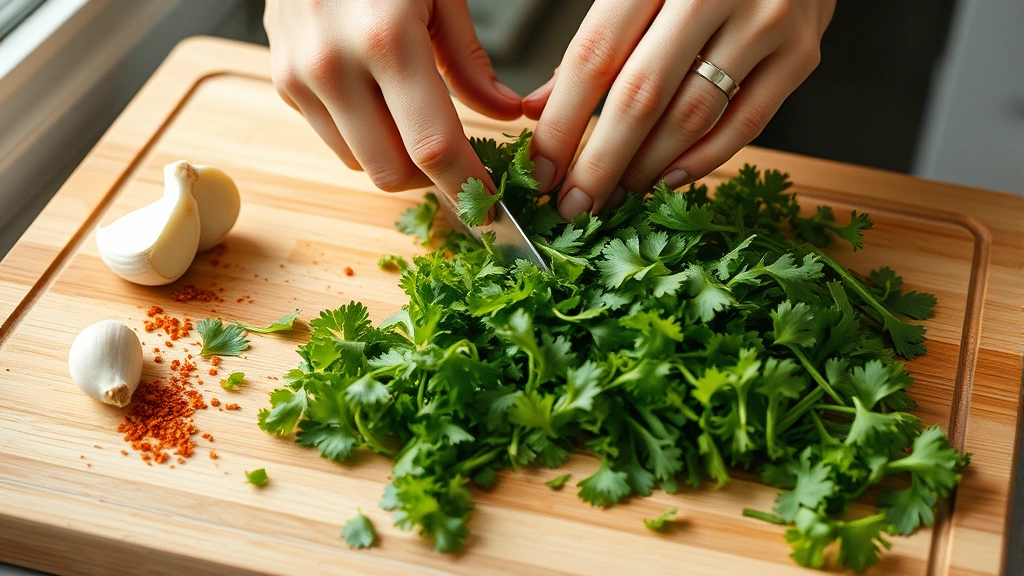
- Measure out your fresh cilantro and parsley, then roughly chop both herbs into smaller pieces to make processing easier.
- Add the chopped cilantro, parsley, minced garlic, red pepper flakes, salt, and black pepper to a medium bowl.
- Pour in the red wine vinegar and stir everything together, ensuring the garlic and spices are well distributed throughout the herbs.
- Slowly drizzle in the olive oil while stirring constantly to combine all ingredients and create a well-blended sauce.
- Taste the chimichurri and adjust seasonings as needed – add more salt, pepper, or red pepper flakes depending on your preferences.
- If the sauce is too thick, add water one tablespoon at a time until you reach your desired consistency.
- Transfer the chimichurri to a glass jar or container and let it sit at room temperature for at least 30 minutes before serving to allow flavors to meld.
- Give the sauce a good stir before using, as the oil and vinegar may separate slightly during storage.
- Serve alongside grilled meats, roasted vegetables, or warm bread, adding an extra spoonful to each plate just before serving for maximum freshness and flavor.
Pro Tips
- **Fresh herbs are essential** – The quality of your chimichurri depends heavily on using fresh, vibrant cilantro and parsley. Check that your herbs don’t have any brown spots or wilting before starting.
- **Garlic intensity** – If you prefer a milder garlic flavor, start with 3 cloves and add more to taste. For garlic lovers, feel free to increase to 5 cloves. Mince it finely so it distributes evenly throughout.
- **Adjusting the heat** – Red pepper flakes can vary in intensity depending on the brand. Start with 1/2 teaspoon and add more if you prefer extra heat. Some people enjoy adding a fresh jalapeño instead for a fresher pepper flavor.
- **Vinegar substitution** – While red wine vinegar is traditional, you can also use white wine vinegar, apple cider vinegar, or even fresh lime juice for a slightly different flavor profile.
- **Oil selection** – Use a good quality olive oil, as it’s a prominent ingredient here. Extra virgin olive oil will give you more flavor, but regular olive oil works beautifully too.
- **Texture preferences** – For a smoother sauce, you can use a food processor to blend everything together. For the rustic, chunky version, simply chop everything finely by hand as described.
- **Make-ahead friendly** – Chimichurri actually tastes better when made ahead, as the flavors have time to meld. Make it up to 24 hours in advance and store in an airtight container in the refrigerator.
- **Serving suggestions** – Use on grilled steak, chicken, fish, shrimp, roasted vegetables, potatoes, eggs, or even as a sandwich spread. It’s also delicious as a dipping sauce for bread.
- **Storage tips** – Keep refrigerated in a glass jar for up to 7 days. For longer storage, freeze in ice cube trays and use as needed. The fresh herb flavor diminishes over time, so use within the week for best results.
- **Cilantro alternatives** – If you don’t enjoy cilantro, substitute with equal parts fresh parsley for a traditional Argentine version, or try fresh basil for an Italian-inspired variation.