
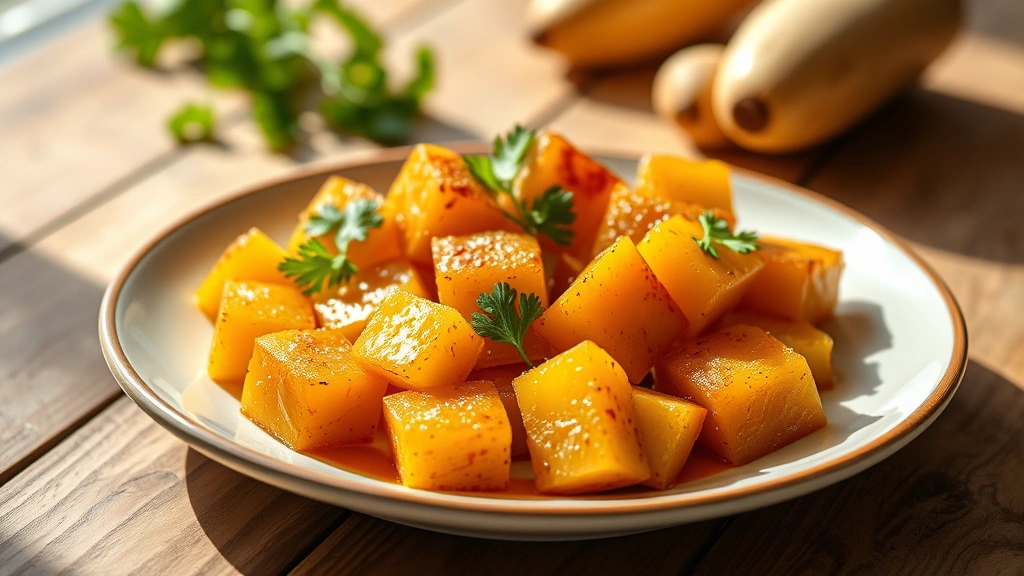
Rutabagas are often overlooked in the kitchen, but this humble root vegetable deserves a place at your dinner table. With their naturally sweet, nutty flavor and creamy texture when cooked, rutabagas are incredibly versatile and can be prepared in countless delicious ways. Whether you’re roasting them until caramelized, mashing them into a silky side dish, or incorporating them into a warming soup, rutabagas bring comfort and elegance to any meal.
This quick and delicious rutabaga recipe is perfect for busy weeknights when you want something nutritious and satisfying without spending hours in the kitchen. The beauty of rutabagas lies in their ability to transform with simple seasoning and proper cooking techniques. We’ve created a foolproof method that highlights their natural sweetness while adding layers of savory flavor through butter, herbs, and a touch of garlic.
If you’re new to cooking with rutabagas, don’t worry—they’re just as easy to prepare as potatoes, and the results are absolutely stunning. This recipe serves as a perfect complement to roasted root vegetables, and pairs beautifully with both weeknight dinners and special occasion meals. The proper technique for peeling and preparing rutabagas is simpler than you might think, and once you master it, you’ll find yourself reaching for this vegetable again and again.
For those looking to expand their root vegetable repertoire, consider exploring other root vegetable combinations that work wonderfully alongside this dish. The caramelization process we use here creates incredible depth of flavor that even vegetable skeptics will appreciate. If you’re interested in learning more about the nutritional benefits of rutabagas and other seasonal produce, Serious Eats offers excellent information on preparing root vegetables.
This recipe is adaptable to your preferences—add extra garlic for more punch, include fresh thyme sprigs for an herbal note, or finish with a drizzle of truffle oil for luxury. The beauty of this dish is that it comes together in under 30 minutes, making it ideal for meal prep or when you need a quick side dish. Whether you’re serving this to family or guests, this rutabaga recipe will impress everyone at the table. For additional inspiration on side dish preparation, Bon Appétit has wonderful roasted vegetable recipes that pair perfectly with this dish. You might also enjoy exploring New York Times Cooking for more vegetable-forward recipes that showcase seasonal ingredients beautifully.
Ingredients
- 2 pounds rutabagas, peeled and cut into 1-inch cubes
- 3 tablespoons unsalted butter
- 4 cloves garlic, minced
- 1 teaspoon fresh thyme leaves (or ½ teaspoon dried)
- ¾ teaspoon sea salt
- ½ teaspoon freshly ground black pepper
- ¼ teaspoon smoked paprika
- ¼ cup low-sodium vegetable or chicken broth
- 2 tablespoons fresh parsley, finely chopped
- 1 tablespoon fresh lemon juice
- Pinch of nutmeg (optional)
- Red pepper flakes to taste (optional)

Instructions
- Start by preparing your rutabagas: using a sharp vegetable peeler or knife, carefully remove the thick outer skin until you reach the pale yellow flesh beneath. Cut the peeled rutabagas into uniform 1-inch cubes—this ensures even cooking throughout.
- Place the cubed rutabagas in a large pot of salted boiling water and cook for 8-10 minutes until just tender but still holding their shape. You want them to have a slight resistance when pierced with a fork. Drain well in a colander and set aside.
- While the rutabagas are cooking, melt the unsalted butter in a large skillet over medium heat, allowing it to foam gently—this should take about 1-2 minutes.
- Add the minced garlic to the melted butter and sauté for approximately 30 seconds, stirring constantly, until fragrant but not browned. The key is to release the garlic’s aromatic oils without letting it burn.
- Carefully add the drained rutabaga cubes to the skillet with the garlic butter, stirring gently to coat all pieces evenly.
- Sprinkle the fresh thyme leaves, sea salt, black pepper, and smoked paprika over the rutabagas. If using dried thyme, add it now along with the optional pinch of nutmeg for extra warmth and depth.
- Pour the vegetable or chicken broth around the rutabagas and increase the heat to medium-high. Allow the mixture to come to a gentle simmer.
- Cook for 12-15 minutes, stirring occasionally and allowing the liquid to reduce slightly. You’re looking for the rutabagas to become golden and caramelized on the edges while the liquid concentrates into a light glaze.
- Once the rutabagas are tender and lightly caramelized, remove the skillet from heat and stir in the fresh lemon juice, which will brighten all the flavors.
- Taste and adjust seasonings as needed—add more salt, pepper, or a pinch of red pepper flakes if desired for additional heat and complexity.
- Transfer the rutabagas to a serving dish and garnish generously with freshly chopped parsley just before serving to add color and fresh herbaceous notes.

Pro Tips
- Rutabagas are larger and denser than turnips, so proper preparation is essential for even cooking. Don’t skip the pre-cooking step in boiling water—it ensures the vegetable cooks through properly.
- For a creamier version, mash the cooked rutabagas after step 8, adding an extra tablespoon of butter and a splash of cream or milk to create a luxurious side dish similar to mashed potatoes.
- This recipe works beautifully with other root vegetables: try substituting half the rutabagas with parsnips, carrots, or Brussels sprouts for a mixed vegetable medley that’s equally delicious.
- Make-ahead tip: Prepare and cube the rutabagas up to 2 days in advance, storing them in an airtight container in the refrigerator. You can also cook them through the boiling step ahead of time and refrigerate until ready to finish the recipe.
- Flavor variations: Add a tablespoon of balsamic vinegar for richness, incorporate crispy pancetta or prosciutto for a savory element, or finish with fresh sage instead of parsley for an autumnal twist.
- Storage: Leftovers keep well in the refrigerator for up to 4 days in an airtight container. Reheat gently in a skillet over medium heat, adding a splash of broth or butter to restore moisture.
- Nutritional benefits: Rutabagas are high in fiber, vitamin C, and potassium while being relatively low in calories, making them an excellent choice for healthy eating.
- Pairing suggestions: Serve alongside roasted chicken, grilled steak, baked salmon, or as part of a vegetarian platter with other seasonal vegetables.
- Equipment note: A sharp chef’s knife or mandoline will make peeling and cutting the rutabagas much easier and safer than using a dull blade.
- Cooking time variations: If you prefer a more caramelized, golden exterior, extend the final cooking time to 18-20 minutes, allowing more liquid to evaporate and deeper browning to develop.